

Executive Overview
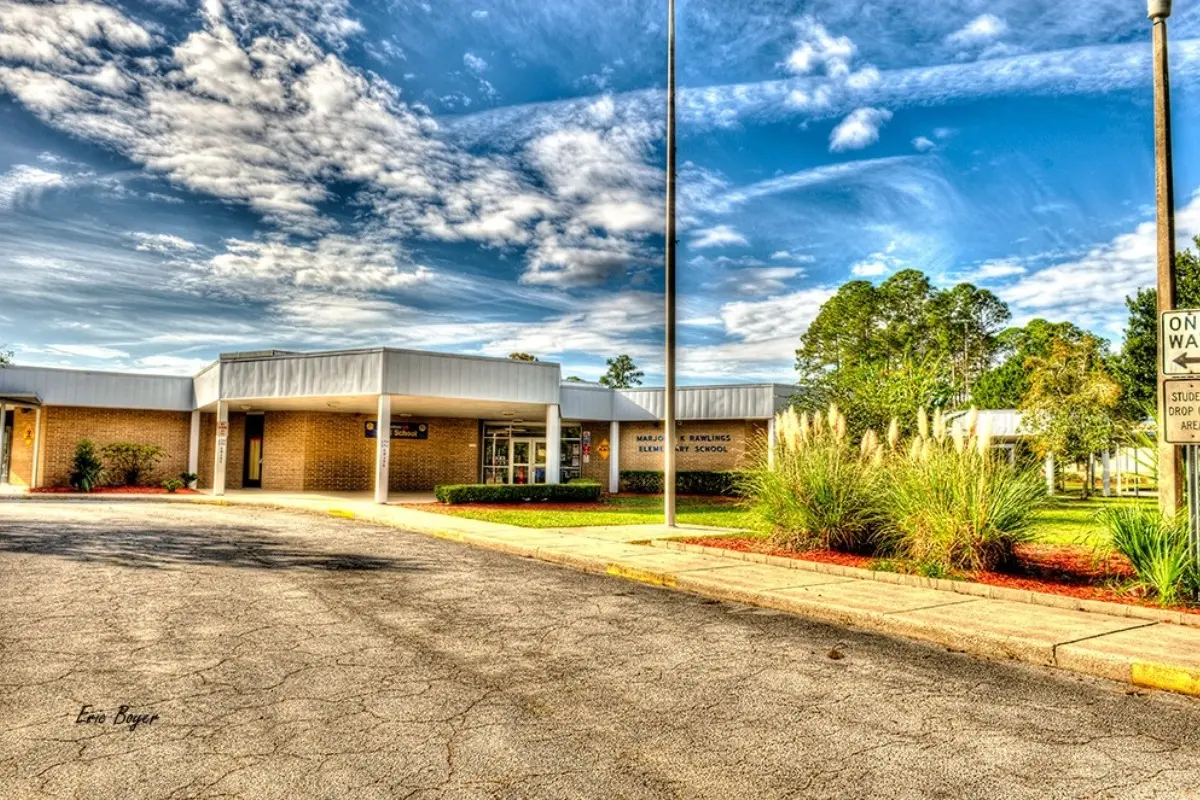
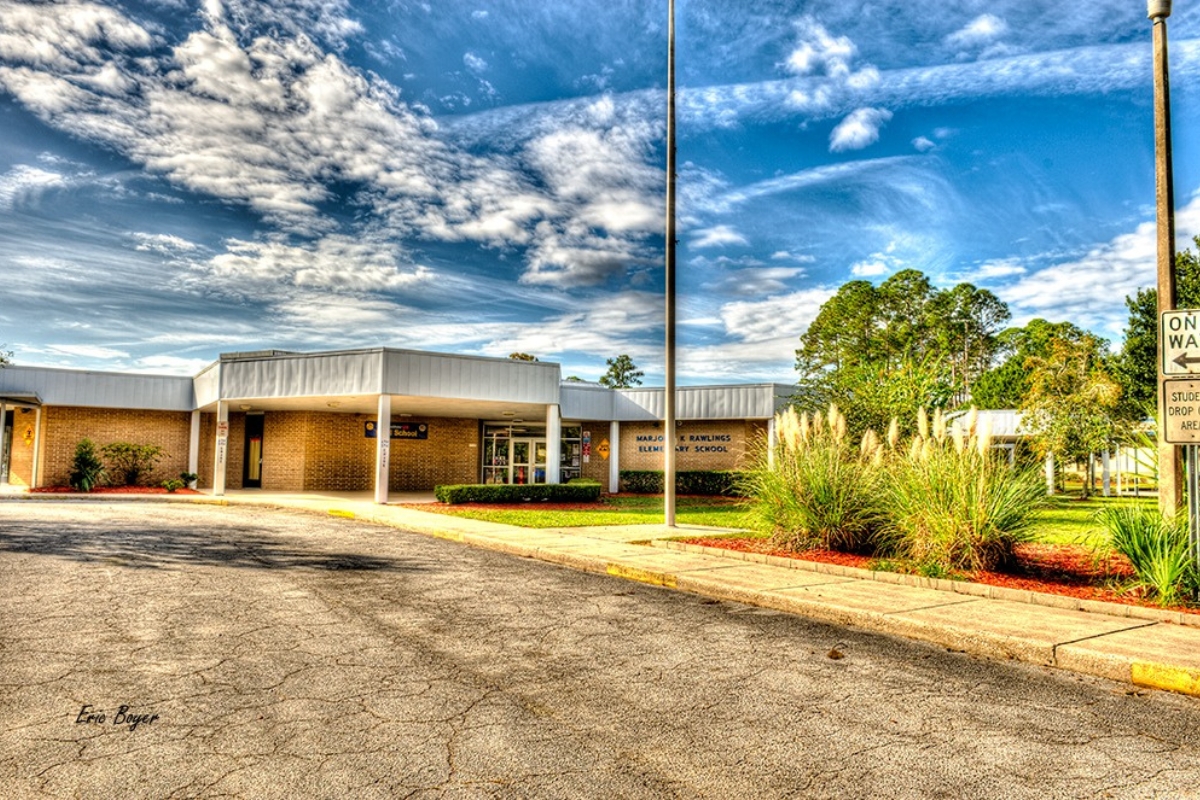
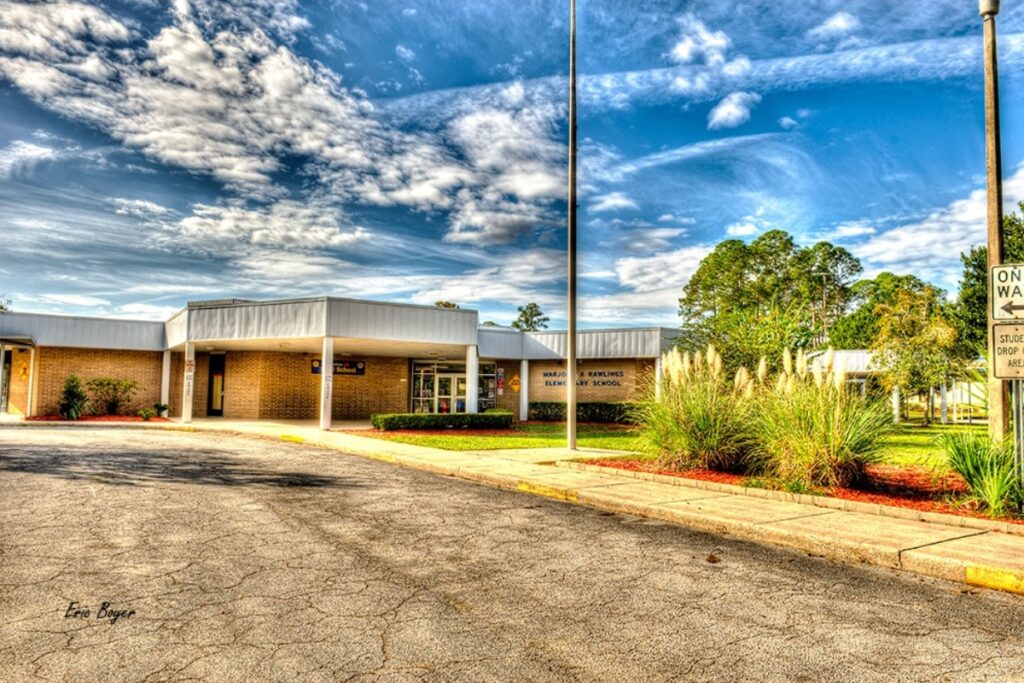
In a pivotal session reflecting both the acute challenges of local academic underperformance and the broad frontier of emerging classroom technology, the Florida State Board of Education convened at Polk State College in Winter Haven to pass a series of sweeping measures. Chief among the board’s actions was the unanimous approval of district-managed Turnaround Option Plans (TOP) for two elementary schools in Alachua County Public Schools (ACPS)—Joseph Williams Elementary and Marjorie Kinnan Rawlings Elementary. The intervention follows significant rating declines across consecutive assessment cycles, positioning Rawlings Elementary as the sole traditional district elementary school in the state of Florida currently carrying an ‘F’ grade.
Concurrently, the Board established landmark regulatory guardrails governing the deployment of Artificial Intelligence (AI) and associated educational technologies across Florida’s public K-12 districts, charter school boards, and higher education institutions within the Florida College System. Designed to preemptively address data privacy, psychological profiling, and pedagogical integrity, the newly adopted rules enforce strict parental transparency, explicit opt-in provisions, and a total ban on AI tools engineered to simulate human emotional companionship or execute undisclosed student monitoring.
Together, these dual policy actions underscore a aggressive governance approach by state officials: tightening administrative accountability on underperforming traditional campuses while setting early, restrictive boundaries on the digital tools reshaped modern classrooms.
Detailed Chronology of State Intervention and Policy Adoption
                       ACADEMIC & REGULATORY TIMELINE

   2024 Cycle              2025 Cycle              2026 Cycle            July 1, 2027
┌──────────────┐        ┌──────────────┐        ┌──────────────┐        ┌──────────────┐
│ Williams Elem│        │ Williams: 'D'│        │ Williams: 'D'│        │ Mandatory    │
│ achieves 'B' │        │ Rawlings: 'C'│        │ Rawlings: 'F'│        │ Statewide AI │
└──────┬───────┘        └──────┬───────┘        └──────┬───────┘        │ Compliance   │
       │                       │                       │                └──────────────┘
       └───────────────────────┴───────────────────────┘                       ▲
                                   │                                           │
                         State Mandate Triggered:                              │
                         TOP Required for Consecutive                          │
                         'D' or First 'F' Grades                               │
                                   │                                           │
                        ┌──────────┴──────────┐                                │
                        │ Board Unanimously   ├────────────────────────────────┘
                        │ Approves TOPs & AI  │
                        │ Regulations         │
                        └─────────────────────┘
The Escalation of Alachua County’s School Performance Crisis
The structural decline within Alachua County Public Schools’ primary education sector unfolded over three consecutive evaluation cycles. In the 2023–2024 academic year, Joseph Williams Elementary School demonstrated promising growth, securing a ‘B’ grade under Florida’s school accountability framework. However, the subsequent 2024–2025 assessment cycle revealed systematic regression, with Williams dropping to a ‘D’ grade, while neighboring Marjorie Kinnan Rawlings Elementary School managed to maintain a ‘C’ grade.
The situation deteriorated sharply during the 2025–2026 assessment period. Williams Elementary received its second consecutive ‘D’ rating, formalizing its status as a chronically underperforming facility under state standards. Simultaneously, Rawlings Elementary suffered a severe precipitous drop, falling two full letter grades from a ‘C’ directly to an ‘F’. This steep decline left Rawlings as the only district-managed elementary school in the state of Florida to hold an ‘F’ rating for the cycle, escalating the matter from a local district concern to an immediate state-level intervention priority.
The Legislative Trigger and State Board Session in Winter Haven
Under Florida Department of Education (FDOE) administrative codes, any public school receiving either a second consecutive grade of ‘D’ or a single grade of ‘F’ immediately triggers a statutory requirement: the governing school district must draft and present a formal Turnaround Option Plan (TOP) directly to the State Board of Education.
At the Winter Haven convening, Dr. Peggy Aune, Vice Chancellor for Strategic Improvement at the FDOE, formally introduced the Alachua County docket to the State Board, establishing the legal necessity of the proceedings and highlighting the isolated status of Rawlings Elementary. ACPS Interim Superintendent Dr. Kamela Patton appeared before the board to outline the district’s comprehensive recovery strategy. Following detailed testimony regarding leadership adjustments, instructional changes, and targeted resource allocations, the State Board voted unanimously to approve the turnaround plans for both campuses.
In the same session, state officials transitioned from localized intervention to broad policy rulemaking. Acting on directives from Florida Education Commissioner Henry Mack, the Board drafted and unanimously passed new administrative rules regulating instructional AI technology, setting an enforcement deadline for all public educational entities across the state.
Supporting Context, Data Metrics, and Targeted Strategies
Alachua County’s Turnaround Architecture: Personnel, Class Sizes, and Subgroup Interventions
To reverse the multi-year trajectory at Williams and Rawlings, ACPS leadership designed a multi-faceted turnaround framework grounded in administrative restructuring, specialized professional training, and reduced student-to-teacher ratios.
                               ACPS TURNAROUND STRATEGY

  ┌───────────────────────┐  ┌───────────────────────┐  ┌───────────────────────┐
  │  Leadership & Ratio   │  │   Targeted Subgroup   │  │ Incentive & Training  │
  ├───────────────────────┤  ├───────────────────────┤  ├───────────────────────┤
  │• Turnaround Principals│  │• UF Partnership for   │  │• Resiliency Educator  │
  │• Reduced Class Sizes  │  │  SWD / ASD Modules    │  │  Endorsement Stipends │
  │• Early Interventions  │  │• High-Performer Tracking│ │• Specialized Pedagogy │
  └───────────────────────┘  └───────────────────────┘  └───────────────────────┘
A core element of the approved plan is the replacement or realignment of campus leadership. ACPS assigned veteran principals possessing demonstrated track records in turnaround environments to both schools. Concurrently, class sizes across both campuses were intentionally compressed below standard state maximums to allow educators to better deliver individualized interventions and monitor student learning gains.
Data analysis presented during the hearing pinpointed specific demographic vulnerabilities contributing to the performance decline. District-wide assessment data identified Students with Disabilities (SWD) as the single lowest-performing subgroup, a systemic issue particularly acute at both Williams and Rawlings. To address this deficit, ACPS established a formal partnership with the University of Florida to develop specialized instructional and administrative modules. These modules focus heavily on evidence-based strategies for educating students with autism spectrum disorder (ASD) and broader learning disabilities, serving as a permanent professional development infrastructure for district staff.
Furthermore, the district introduced financial incentives to stabilize and upskill the teaching corps. ACPS will award financial supplements to educators at Williams and Rawlings who successfully complete and earn Florida’s newly established Resiliency Educator Endorsement. Built upon 11 core characteristics—including perseverance, grit, critical thinking, responsible decision-making, and empathy—the endorsement aims to equip teachers with classroom management techniques tailored for high-poverty, high-stress learning environments.
Logistical Solutions to Attendance and Transport Deficits
Academic diagnostics conducted by ACPS revealed a strong correlation between chronic absenteeism and declining test scores at both elementary sites. To address this issue, district leadership leveraged federal and state funding streams, specifically Unified School Improvement Grant (UniSIG) allocations and Educational Enrichment Allocations (EEA).
┌─────────────────────────────────────────────────────────────────────────┐
│                    ATTENDANCE & LOGISTICS MECHANISMS                    │
├─────────────────────────────────────────────────────────────────────────┤
│  UniSIG & EEA Funding Streams                                           │
│   ├── Dedicated Attendance Officers (1 per campus)                      │
│   ├── Expanded Transportation (Busing within standard 2-mile exclusion) │
│   └── Direct Household Interventions (UniSIG-funded Alarm Clocks)       │
└─────────────────────────────────────────────────────────────────────────┘- Dedicated Personnel: UniSIG grants fully fund dedicated campus attendance officers tasked with real-time tracking, home visits, and direct family outreach.
- Expanded Transportation: Florida law mandates district-provided bus transportation only for students living two miles or more from their assigned school. Identifying transportation gaps as a major contributor to unexcused absences, ACPS expanded bus routes to cover students living within the two-mile radius of both Rawlings and Williams.
- Direct Household Support: Identifying basic operational obstacles within student households, ACPS allocated UniSIG funds to procure and distribute physical alarm clocks directly to families reporting morning waking difficulties, directly addressing home-level attendance barriers.
The Statewide AI Framework: Structural Guardrails and Parental Rights
While local interventions occupied the preliminary portion of the meeting, the State Board’s adoption of statewide AI rules carries broader structural implications for all public educational institutions in Florida. The regulation imposes strict compliance measures that all district schools, charter boards, and Florida College System institutions must fully adopt by July 1, 2027.
                           FLORIDA STATEWIDE AI MANDATES

     PARENTAL RIGHTS & TRANSPARENCY               DATA & ALGORITHMIC BAN
 ┌────────────────────────────────────┐       ┌────────────────────────────────────┐
 │• Mandatory Tool Disclosure         │       │• Ban on Emotional/Companion AI     │
 │• Clear Opt-In / Opt-Out Choice     │       │• Ban on Anthropomorphic Designs    │
 │• Alternative Non-AI Curricula      │       │• Ban on Data Sales & Agent Training│
 └────────────────────────────────────┘       └────────────────────────────────────┘
                   │                                            │
                   └─────────────────────┬──────────────────────┘
                                         │
                         AGE-APPROPRIATE VETTING (VPK-5)
Key provisions of the approved administrative rule include:
- Mandatory Parental Notification & Consent: Districts must explicitly notify parents whenever an AI-powered instructional software is introduced into a curriculum. Notifications must specify the exact tool name, affected courses, and the precise nature of student interaction. Districts are legally obligated to provide an opt-in framework, ensuring parents can decline AI usage for their children and receive comparable non-AI instructional materials without penalty.
- Prohibition of Emotional and Anthropomorphic AI: The rule explicitly bans the use of AI systems designed to simulate human emotional connections, fulfill social or emotional needs, or establish companionship. Systems featuring anthropomorphic interfaces engineered to manipulate young learners into emotional engagement are strictly prohibited.
- Prohibition of Data Exploitation and Profiling: Vendors providing technological tools to Florida public institutions are barred from selling student data or utilizing proprietary student interactions to train public or commercial agentic AI models. Furthermore, the rule strictly forbids undisclosed behavioral tracking, psychological profiling, or social credit scoring systems.
- VPK-5 Developmental Safeguards: Any AI software utilized in Voluntary Prekindergarten (VPK) through fifth grade must undergo specialized administrative review to ensure developmental and age appropriateness, safeguarding younger demographics from premature or unregulated technological exposure.
- Academic Integrity & System Safeguards: Educational entities must establish strict protocols for maintaining academic integrity and create mandatory reporting mechanisms in the event an AI application compromises district data security or database integrity.
Parallel to the board’s vote, Education Commissioner Henry Mack directed the FDOE to overhaul the state’s K-12 Computer Science standards to emphasize critical thinking alongside technology usage, while simultaneously updating the Florida Digital Classrooms Plan to align with federal guidelines issued by the U.S. Department of Education regarding responsible edtech integration.
Official Statements and Regulatory Perspectives
The proceedings featured candid remarks from local administrative leadership and state oversight officials, highlighting the stakes of both the local turnaround efforts and the statewide policy changes.
Dr. Peggy Aune, Vice Chancellor for Strategic Improvement at the FDOE, framed the necessity of the turnaround intervention by contextualizing the extreme outlier status of Rawlings Elementary:
"Each year, districts that have schools that receive their second consecutive school grade of D or a first school grade of F are required to present a turnaround option plan to the State Board of Education on how they will improve the school. Rawlings is currently the only district elementary school in Florida with a grade of F."
Acknowledging the gravity of the academic decline, ACPS Interim Superintendent Dr. Kamela Patton assured board members that district administration was treating the crisis with immediate operational priority:
"We’ve reduced their class size so that teachers have the opportunity to build not only a deeper understanding of each student’s needs, but also so we can intervene very quickly… We’re approaching this with urgency. I hope you feel that and read that and see that."
Patton further detailed the district’s strategy regarding subgroup disparities, specifically addressing the University of Florida partnership:
"These modules will provide sustainability for us… Often we have heard that the kids are not up in time because the parents don’t wake them up. So, we’re finding out who needs an alarm clock. Due to UniSIG funds, we can actually buy them alarm clocks."
Future Outlook and Broader Educational Implications
                           LOOKING AHEAD: IMPLEMENTATION

    2026–2027 ACADEMIC YEAR                        JULY 1, 2027 DEADLINE
 ┌───────────────────────────┐                  ┌───────────────────────────┐
 │ • ACPS Turnaround Exec.   │                  │ • Mandatory Compliance for│
 │ • UF Modules Deployed     │                  │   All K-12 & Colleges     │
 │ • Attendance & Transport  │                  │ • Computer Science        │
 │   Impact Evaluation       │                  │   Standards Overhauled    │
 └─────────────┬─────────────┘                  └─────────────┬─────────────┘
               │                                              │
               └──────────────────────┬───────────────────────┘
                                      │
                         STATEWIDE POLICY BENCHMARK
Alachua County’s Academic Horizon
With the State Board’s formal approval of the Turnaround Option Plans, the spotlight returns to Alachua County Public Schools to execute the strategies outline in its submission. The 2026–2027 academic cycle serves as an immediate testing ground for the district’s intervention measures.
The integration of University of Florida professional development modules, paired with financial incentives for teachers earning the Resiliency Educator Endorsement, will serve as a key metric for teacher retention and performance. Simultaneously, administrative officials will track daily attendance logs to determine if reduced class sizes, localized attendance officers, expanded busing, and basic household tools like alarm clocks yield measurable reductions in chronic absenteeism. Failure to demonstrate significant progress in upcoming state assessments could trigger more aggressive state-mandated interventions, including contract management through third-party operators or direct charter conversion under Florida’s turnaround statutes.
The 2027 AI Horizon for Florida Institutions
Statewide, school districts, charter organizations, and state colleges face a structured timeline to audit their existing educational technology stacks before the July 1, 2027 mandatory compliance deadline.
Edtech vendors seeking to contract with Florida public educational institutions must revise software architectures to guarantee that student data is excluded from machine learning model training and that interactive agents maintain neutral, non-anthropomorphic interfaces. Educational institutions will spend the interim period establishing transparent parental notification portals and structuring non-AI instructional alternatives for families opting out of AI-enabled coursework.
Florida’s aggressive approach to regulating educational technology sets a distinct precedent nationwide. By simultaneously demanding traditional accountability metrics from struggling physical campuses while imposing strict, preventive boundaries on digital classroom tools, the state continues to reshape the regulatory framework governing public education.

0 Comments