

Executive Overview
State visits are traditionally reserved for periods of warm geopolitical alignment and mutual celebration. Yet, the high-stakes summit in Washington between U.S. President Donald Trump and Chinese leader Xi Jinping defies this conventional diplomatic script. As the leaders of the world’s two largest economies meet for their third high-level encounter since Trump’s return to the White House, their nations are locked in a relentless, multidimensional competition. Far from seeking a grand, all-encompassing bargain, both leaders arrive in the American capital with a more pragmatic, delicate objective: to steady a deeply strained relationship, manage systemic frictions, and prevent the world’s most consequential bilateral rivalry from spiraling into open conflict.
The agenda is formidable. While Washington and Beijing have stepped back from the precipice of the catastrophic, all-out trade war that defined earlier years, they remain fiercely locked in a high-stakes race for global technological supremacy. Artificial intelligence (AI), critical mineral supply chains, localized corporate blacklists, and flashpoints like Taiwan and Iran continue to test the boundaries of their uneasy rapprochement. Against this volatile backdrop, the Washington summit represents a delicate balancing act—a high-stakes dialogue where the mere act of maintaining channels of communication is viewed by diplomats and geopolitical analysts as just as vital as any concrete policy outcome.
Detailed Chronology of U.S.-China Relations
To understand the current dynamics of the Trump-Xi relationship, one must trace the rapid evolution of engagements, escalations, and tactical retreats that have characterized recent years:
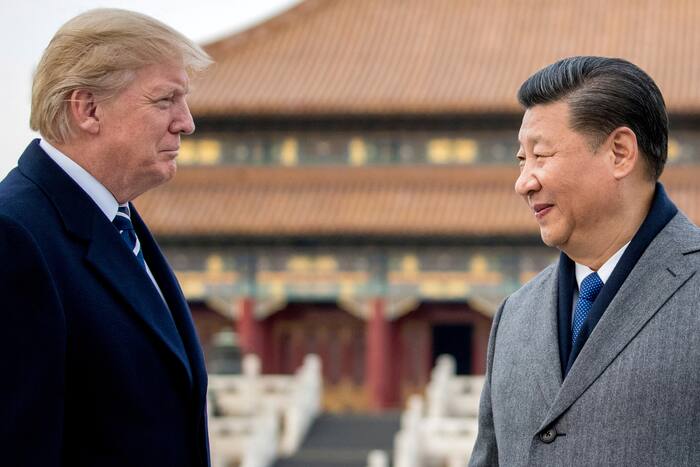
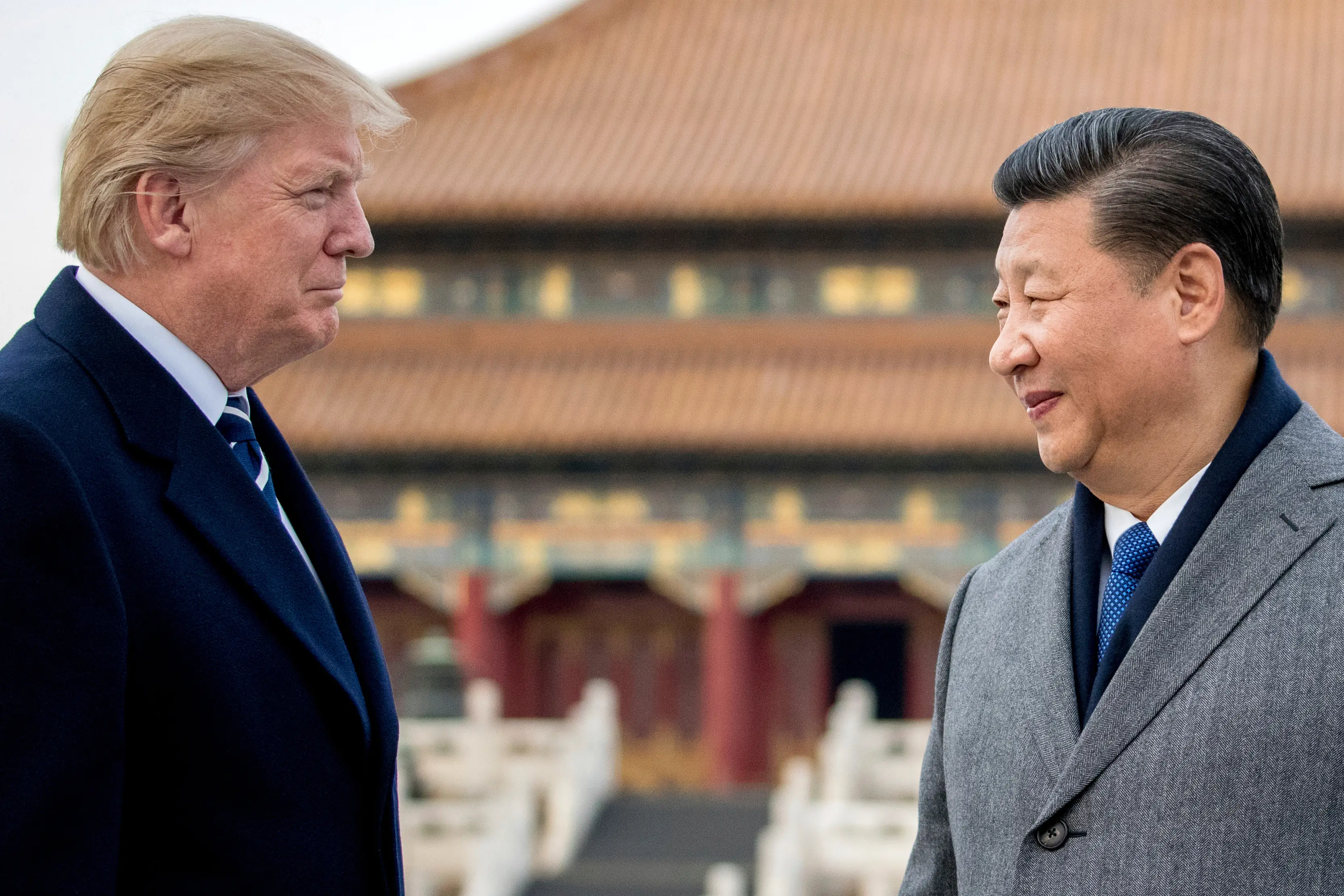
- November 8, 2017: President Donald Trump and Chinese President Xi Jinping tour the historic Forbidden City in Beijing during Trump’s first state visit to China, establishing a complex personal dynamic defined by both rapport and competitive tension.
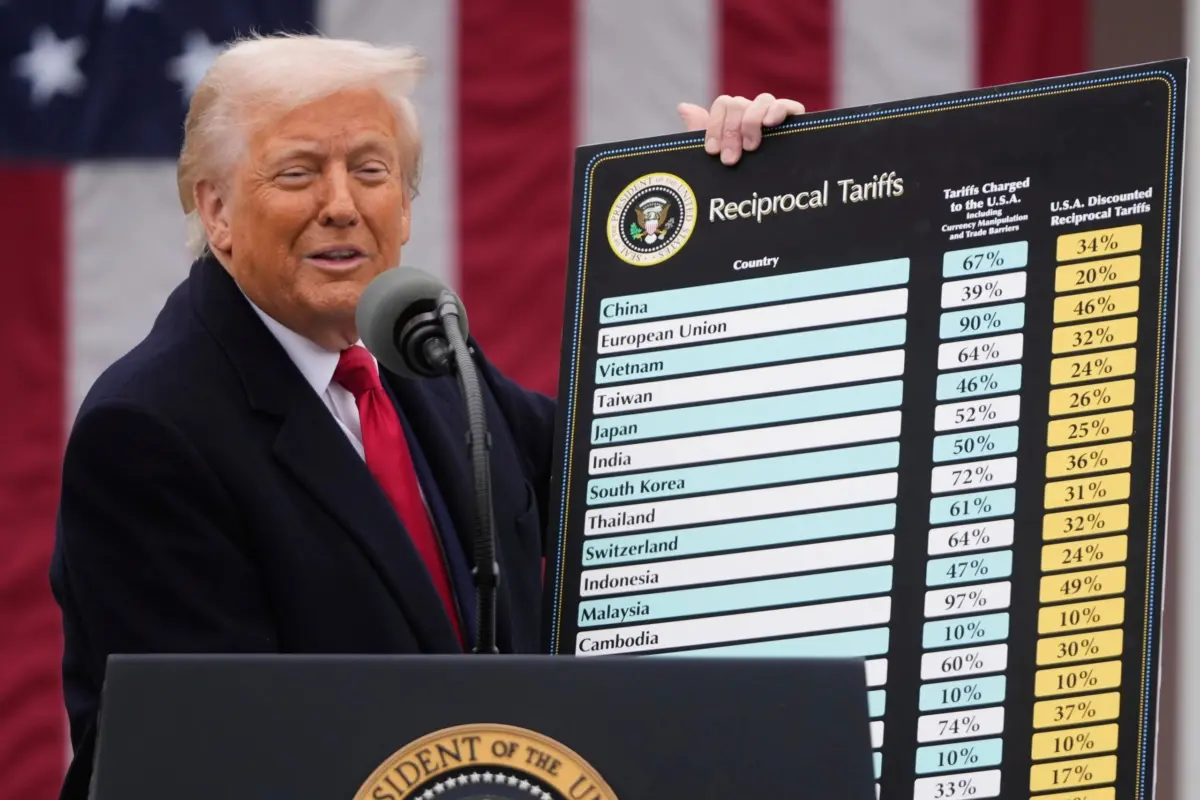
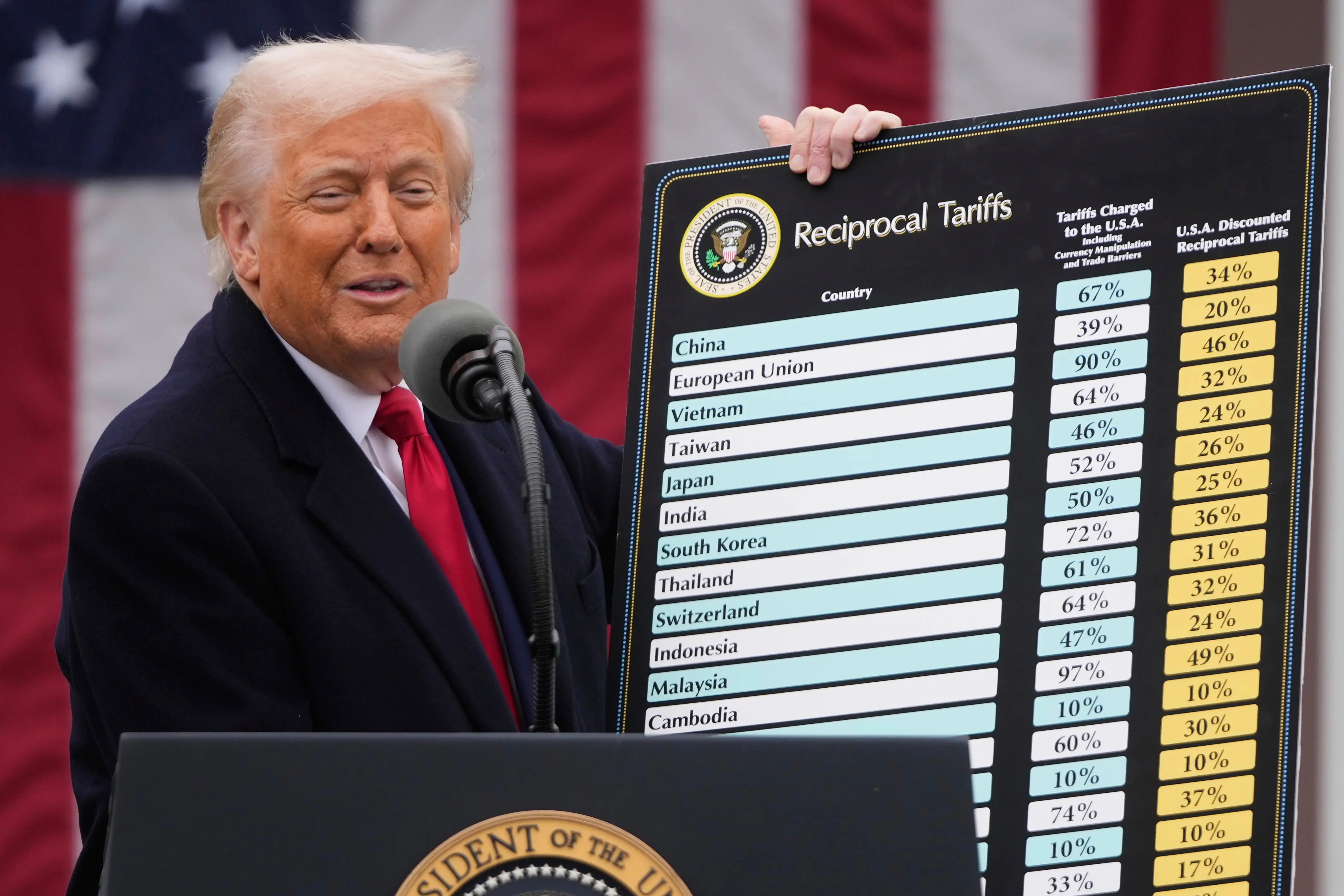
- April 2, 2025: President Trump announces a sweeping new suite of tariffs during a Rose Garden address at the White House, reigniting aggressive trade friction between Washington and Beijing.
- May 14, 2026: President Trump participates in an official welcome ceremony hosted by President Xi Jinping at the Great Hall of the People in Beijing, seeking to stabilize a relationship severely battered by protectionist policies.
- Mid-2026: Following a Supreme Court ruling striking down several foundational executive tariffs, the Trump administration pivots its protectionist strategy, implementing targeted 12.5% import duties on 60 trading partners—including China—under the banner of combating forced labor.
- August 2026: U.S. Treasury Secretary Scott Bessent and Chinese Vice Premier He Lifeng meet in New York, laying groundwork for bilateral cooperation by proposing a breakthrough "notification mechanism" for high-stakes AI incidents affecting national security.
- Present Week: President Xi arrives in Washington for his first state visit to the United States in a decade, engaging in high-level talks focused on managing AI development, navigating localized trade restrictions, and addressing geopolitical flashpoints in Iran and Taiwan.
Supporting Context & Metrics: The Contours of Modern Competition
The contemporary landscape of U.S.-China relations has shifted from broad, indiscriminate economic warfare to surgical, targeted competition. Both nations have calculated that mutual economic interdependence is too profound to sever entirely, leading to a "new normal" characterized by macroeconomic stability masking intense microeconomic rivalry.
The Shift from Tariffs to Targeted Restrictions
Last year’s trade war saw Washington and Beijing trade sky-high, punitive tariffs that threatened to fracture global supply chains. China retaliated by choking off its world-leading supplies of critical minerals—essential components ranging from electric vehicle batteries to advanced fighter jets.
Although both superpowers have since dialed back their sweeping tariff regimes, the architecture of economic containment remains fully active through targeted interventions. The U.S. has systematically targeted Chinese telecommunications, surveillance equipment, advanced robotics, and drone manufacturers. Furthermore, Washington has ramped up enforcement against entities accused of utilizing forced labor within China’s Xinjiang region, while the Pentagon has formally barred prominent Chinese corporate giants—including Alibaba, BYD, Baidu, and Unitree—from securing U.S. defense contracts.
In response, Beijing has implemented its own export controls on critical drone technologies and retaliated by blacklisting numerous American enterprises providing support for U.S. trade enforcement measures.
The Artificial Intelligence Battleground
At the heart of the modern technological arms race is artificial intelligence. Both Washington and Beijing view AI not merely as a commercial innovation, but as a foundational pillar of future national security and economic dominance.
President Trump has consistently maintained a hardline stance on maintaining American technological superiority, declaring publicly that "Whoever wins AI wins." Administration officials have enacted stringent export controls restricting shipments of the world’s most powerful AI semiconductors (manufactured by firms like Nvidia and AMD) to Chinese buyers. Simultaneously, Washington has accused Chinese developers of executing large-scale "model distillation"—systematically tapping into American foundational AI models to extract and replicate their capabilities.
Beijing has rejected these accusations, arguing that model distillation is a standard, globally adopted practice utilized equally by American technology firms. Furthermore, Chinese leadership views U.S. restrictions as an aggressive attempt to monopolize the tech sector. To counter American efforts to build exclusive technological alliances, Beijing is actively attempting to establish alternative global AI guardrails by appealing to developing economies across the Global South.
Official Statements and Diplomatic Perspectives
The nuances of the Washington summit are reflected in statements from key architects of foreign policy and economic strategy on both sides of the Pacific:
- President Donald Trump: Emphasizing the primacy of American innovation in the digital age, Trump asserted via social media that the United States maintains a decisive lead in artificial intelligence. He stated that his administration is "not going to stifle growth of something that will be bigger than the Industrial Revolution, or the Internet, itself."
- U.S. Treasury Secretary Scott Bessent: Following high-level economic negotiations in New York with Chinese Vice Premier He Lifeng, Bessent highlighted a rare area of bilateral convergence: "We think that just like any cross-border activity, that moving from opaque to more transparency between the No. 1 and the No. 2 AI powers in the world is very important." This sentiment underpinned the unveiling of a proposed bilateral incident-notification mechanism for national security threats involving AI.
- Sen. Steve Daines (R-MT): A key congressional advisor on China policy who recently visited Beijing to lay the groundwork for the summit, observed: "The fact that they are meeting, and there’s dialogue occurring and building that relationship, is probably as important as outcomes from the meeting."
- Cui Tiankai, Former Chinese Ambassador to the U.S.: Speaking at an international forum in Beijing, Cui acknowledged the depth of bilateral friction, noting that there are "always problems, sometimes very big problems" between the two nations, but emphasized that both capitals will "make our best efforts to maintain overall stability."
- Da Wei, Director of the Center for International Security and Strategy at Tsinghua University: Describing the current dynamic as a "new normal," Da stressed the urgency for both leadership teams to translate dialogue into concrete, actionable bureaucratic deliverables, remarking simply, "We need to move fast."
Future Outlook: Navigating Flashpoints in Iran and Taiwan
Beyond economics and artificial intelligence, the Washington summit must address several persistent geopolitical flashpoints that threaten the fragile stability of the bilateral relationship.
The Iranian Economic Impasse
The Trump administration has launched an aggressive geopolitical campaign to isolate Iran from its remaining international economic partners. However, Beijing has consistently insisted upon its sovereign right to maintain robust commercial ties with Tehran. As Iran’s largest trading partner and primary consumer of its oil exports, China has steadily helped Tehran bypass traditional Western financial controls by developing alternative payment channels outside the U.S.-led global financial infrastructure.
While the White House has exercised tactical restraint in penalizing Beijing for its economic lifeline to Iran—primarily to avoid derailing the leadership summit—economists warn that Washington’s long-term economic leverage in the Middle East is slowly eroding.
The Taiwan Strait
Taiwan remains the most volatile and sensitive issue in U.S.-China relations. Although President Trump temporarily paused a major weapons package destined for the self-governing island following his diplomatic visit to Beijing, federal law obligates the United States to provide Taiwan with adequate defense hardware and technological support.
Geopolitical analysts anticipate that President Xi will use the Washington meetings to aggressively lobby Trump to further delay or scale back U.S. arms sales to Taipei. Beijing aims to sow strategic doubt within Taiwan regarding the reliability of Washington’s long-term defense commitments, making the Taiwan question an ongoing pressure point in the fragile architecture of U.S.-China diplomacy.

0 Comments