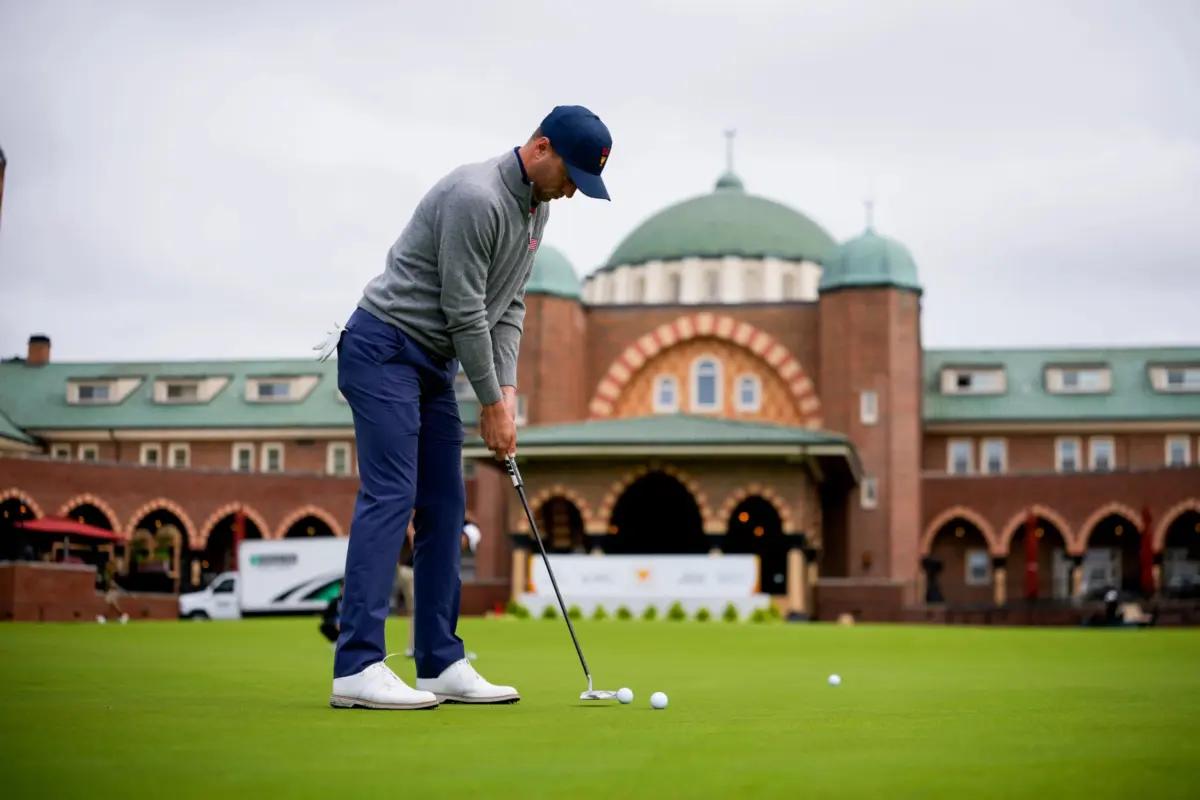
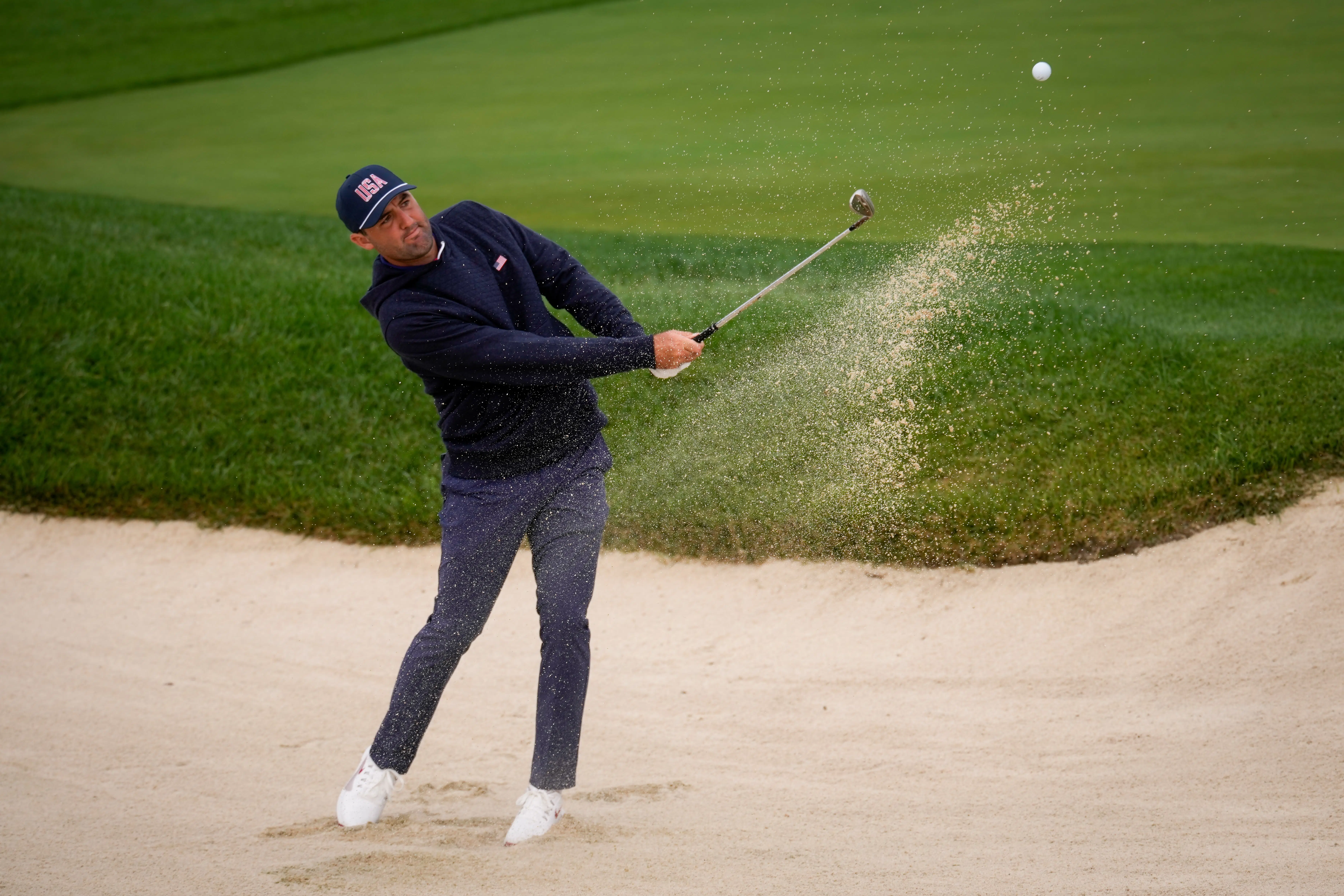
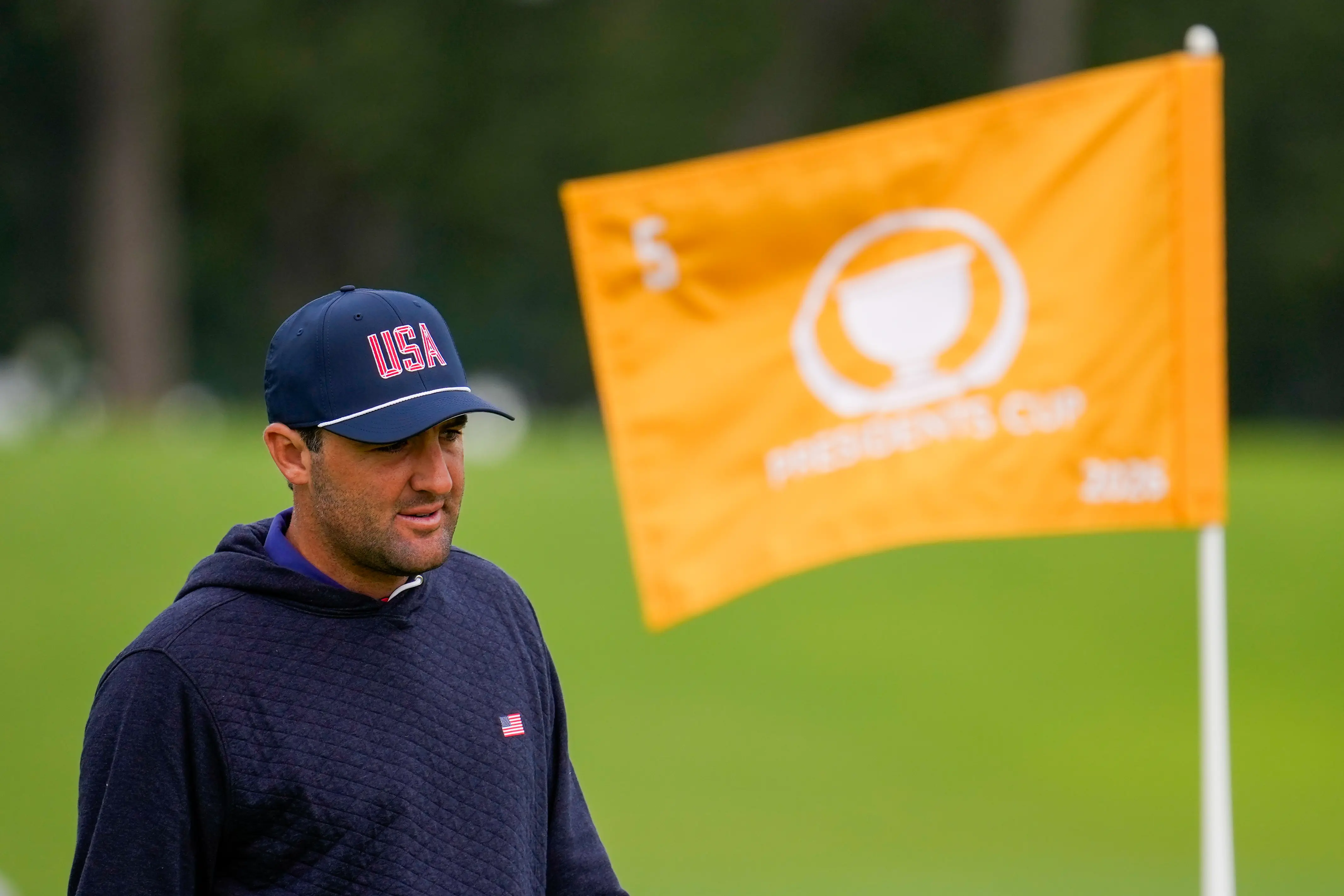
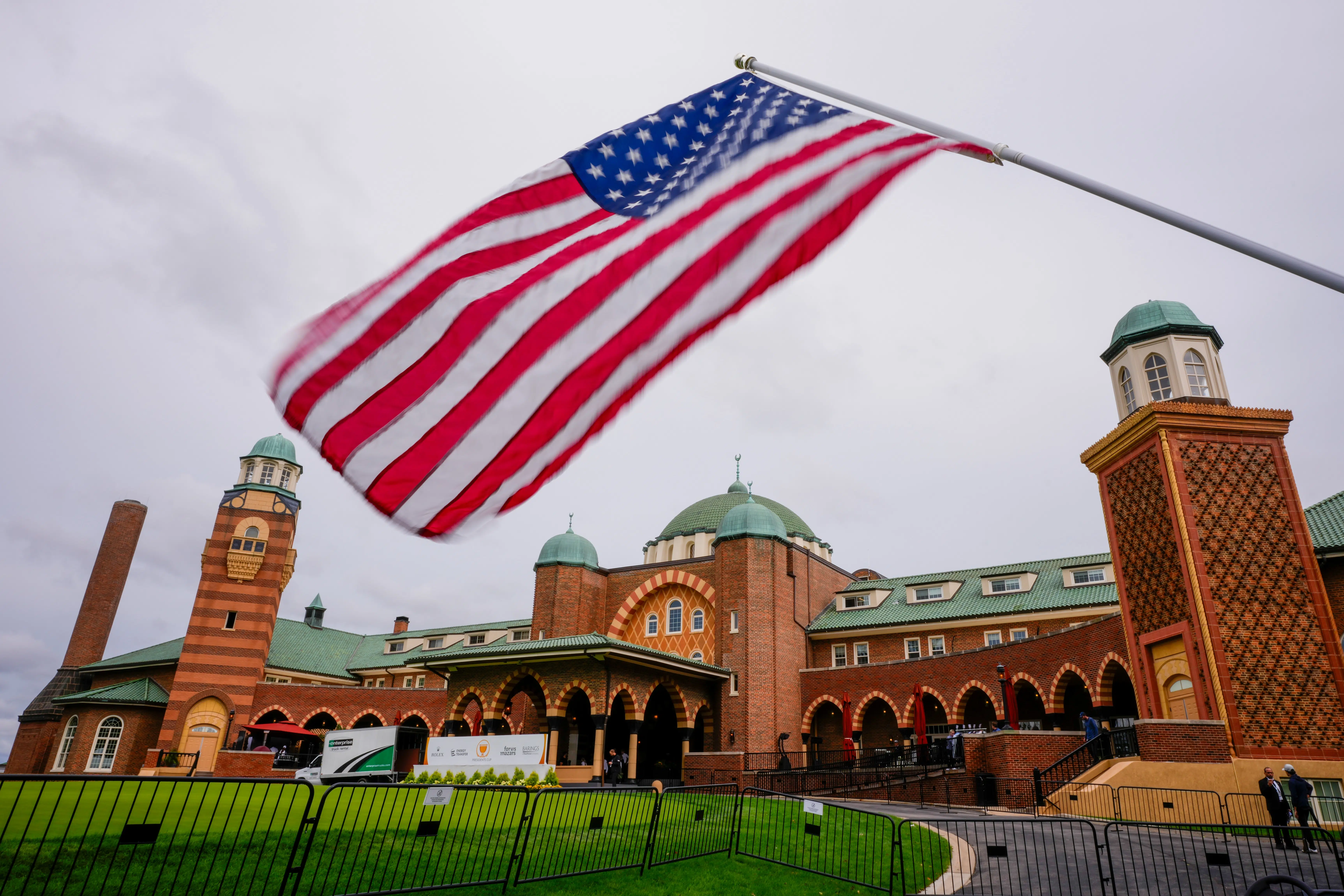
MEDINAH, Ill. — As the autumn air settled over the immaculate fairways of the Medinah Country Club, the anticipation surrounding the 2026 Presidents Cup reached a fever pitch. On a crisp Monday morning, the United States golf team broke into three relaxed, jovial groups for a light practice session, trading friendly barbs and displaying the supreme confidence of a powerhouse that has ruled the international match-play landscape for nearly three decades.
Yet, beneath the relaxed atmosphere lies a high-stakes competitive crucible. The Presidents Cup, a biennial clash pitting top American professionals against an International team drawing talent from every corner of the globe outside Europe, carries a staggering historical narrative. Aside from a lone, distant defeat on Australian soil in 1998, and a dramatic 2003 tie in South Africa, the Stars and Stripes have remained virtually unblemished. In fact, three of the 24 elite players competing this week were not even born the last time the International side hoisted the trophy.
Entering the week, U.S. Captain Brandt Snedeker has forcefully rejected any notion of complacency, demanding that his squad wipe the historical slate clean. Across the complex, International Captain Geoff Ogilvy faces a formidable psychological and athletic barrier, tasked with orchestrating an upset on foreign soil—a feat his side has never achieved. Compounding the intrigue is Ogilvy’s own design firm (OCM), which recently completed a comprehensive renovation of the iconic Chicago-area course, adding a fascinating architectural subplot to golf’s premier team exhibition.
Detailed Chronology: Setting the Stage at Medinah
The journey to the opening tee at Medinah has been marked by meticulous preparation, strategic roster selections, and a heavy dose of psychological warfare.
Monday’s Practice Rounds
The official week kicked off under clear skies on Monday, Sept. 21, 2026. U.S. stalwarts like Scottie Scheffler and Justin Thomas drew large galleries of early-arriving spectators as they mapped out the nuanced greens of Medinah’s layout. The U.S. contingent moved in three distinct pods, working through iron accuracy and lag putting while projecting an aura of effortless command.
For the International team, Monday represented an opportunity to test a course that looks vastly different from the one that hosted previous historic golf events. With Captain Ogilvy intimately familiar with every slope, bunker, and approach angle due to his company’s recent renovation work, the visiting squad spent extra hours dissecting the subtleties of the layout.
Roster Formation and Captain’s Dilemmas
The road to this week’s matchups involved rigorous qualification campaigns and high-stakes captaincy decisions. For Snedeker, the selection process culminated in a bold and widely discussed roster construction. Most notably, he extended a captain’s pick to 21-year-old phenom Jackson Koivun. Just three months prior, Koivun was starring for Auburn University en route to an NCAA team title. Having turned professional, the world’s top-ranked amateur secured a PGA Tour victory within his first three starts, compelling Snedeker to bypass more veteran options.
On the other side of the compound, Geoff Ogilvy assembled a diverse and resilient squad blending battle-tested veterans with hungry debutants. The International roster features four rookies, including 39-year-old New Zealander Ryan Fox—whose grit was famously displayed when he captured the British Open with a clutch birdie on the final hole—alongside seasoned icons like Adam Scott.
Supporting Context & Metrics: History, Rankings, and the Course
To fully grasp the magnitude of the 2026 Presidents Cup, one must examine the stark statistical disparities and historical context defining the rivalry.
The Weight of History
The statistical dominance of the United States team in the Presidents Cup is one of the most lopsided records in modern professional sports.
The Last International Victory: 1998 at the Royal Melbourne Golf Club in Australia.
The Record Since: The U.S. has won or tied every subsequent edition.
Generational Divide: Three players participating in the 2026 matches were literally born after the International team’s last outright victory 26 years ago.
World Rankings and Roster Depth
The talent pool heavily favors the red, white, and blue. All but two members of the U.S. roster currently sit inside the Top 25 of the Official World Golf Ranking (OWGR):
Patrick Cantlay: Ranked No. 28, Cantlay remains statistically and visibly one of the most reliable clutch performers in team match-play history.
Jackson Koivun: The young prodigy represents the ultimate wild card, mirroring the strategy European Ryder Cup captain Luke Donald employed with Ludvig Åberg, who transitioned directly from collegiate golf to the elite international stage without a single major start.
Conversely, the International team’s highest-ranked player is Si Woo Kim, who climbed to No. 14 in the world through remarkable consistency—highlighted by a historic PGA Tour season in which he earned over $10 million without securing a traditional tournament victory. Furthermore, veteran Australian Adam Scott is making his 12th appearance in the event, tying the all-time Presidents Cup record held by Phil Mickelson.
The Medinah Factor: Architecture Meets Competition
Medinah Country Club is etched into golf lore, having hosted legendary major championships and the miraculous 2012 Ryder Cup (dubbed the "Miracle at Medinah"). However, the course presented to the 2026 competitors is a distinct entity.
Following a major renovation project executed by OCM—Geoff Ogilvy’s golf course design firm—the course features modernized challenges, reworked bunkering, and altered strategic corridors. While nine players in the field experienced Medinah during the 2019 BMW Championship, and Snedeker walked its fairways during the 2012 Ryder Cup, Ogilvy’s intimate involvement in the redesign introduces an unprecedented variable.
Official Statements and Insider Perspectives
The psychological chess match between the two captains set a fiery tone days before a competitive shot was struck.
U.S. Captain Brandt Snedeker made it abundantly clear during his opening press conference that past success guarantees nothing. Addressing the media, Snedeker leaned into the team’s historical dominance only to dismantle any sense of entitlement:
"It’s the elephant in the room you have to address," Snedeker stated bluntly. "Just because these last teams have been successful doesn’t mean we’re going to be successful. We have to reset the bar for our team, tell them we have a standard to play to and we’re 0-0. These 12 guys have accomplished nothing. We’re going to hammer that into them."
Snedeker also forcefully pushed back against critics who suggested that selecting 21-year-old Jackson Koivun was merely a developmental move designed to groom the youngster for future Ryder Cups:
"Our job as captain and vice captains for the Presidents Cup is to put the best 12 players on the field," Snedeker asserted. "To sit there and think this is a training session is laughable. I’ve worked 14 months for this opportunity. I’m not going to put somebody in a situation that’s not going to help our team win. I feel he gives us a better chance to win."
Meanwhile, International Captain Geoff Ogilvy acknowledged the daunting historical hurdle facing his men, while pointing to the subtle psychological boost his course design might provide:
"Clearly, winning something for the first time—the first time in a very long time—it’s probably more difficult than if you’re winning all the time," Ogilvy noted. "But we’re getting closer all the time."
On the architectural advantage, Ogilvy offered a grounded yet optimistic assessment:
"We have an advantage right now. By the time we get to Thursday morning, I think the advantage will be gone. Professional golfers are very good at learning a golf course. Hopefully there will be a little advantage. The boys will get a little shot of confidence because their captain built the course. It could be more psychological than real. But we’ll see."
For veteran Adam Scott, playing in his record-tying 12th Presidents Cup, the emotions are as raw as they were during his debut in South Africa in 2003:
"I’ve been given another chance. It might be the last one," the 46-year-old Scott reflected. "I’m more excited this year than previously."
Future Outlook: What Lies Ahead at Medinah
As practice rounds wind down and the focus shifts to Thursday’s opening foursomes matches, the 2026 Presidents Cup stands at a fascinating crossroads of modern golf.
Can Snedeker’s disciplined, high-octane American squad maintain their historic stranglehold on the trophy, or will the combination of International hunger, youthful exuberance, and Captain Ogilvy’s intimate knowledge of the Medinah layout finally turn the tide?
History heavily favors the United States, and the statistical metrics underscore their staggering depth. Yet, match-play golf is notoriously volatile, where momentum shifts on a single putt and psychological barriers can fracture under pressure. Over the next four days at Medinah Country Club, the world will watch to see whether the status quo reigns supreme or if a new chapter in golf history is finally written.



0 Comments