

Executive Overview
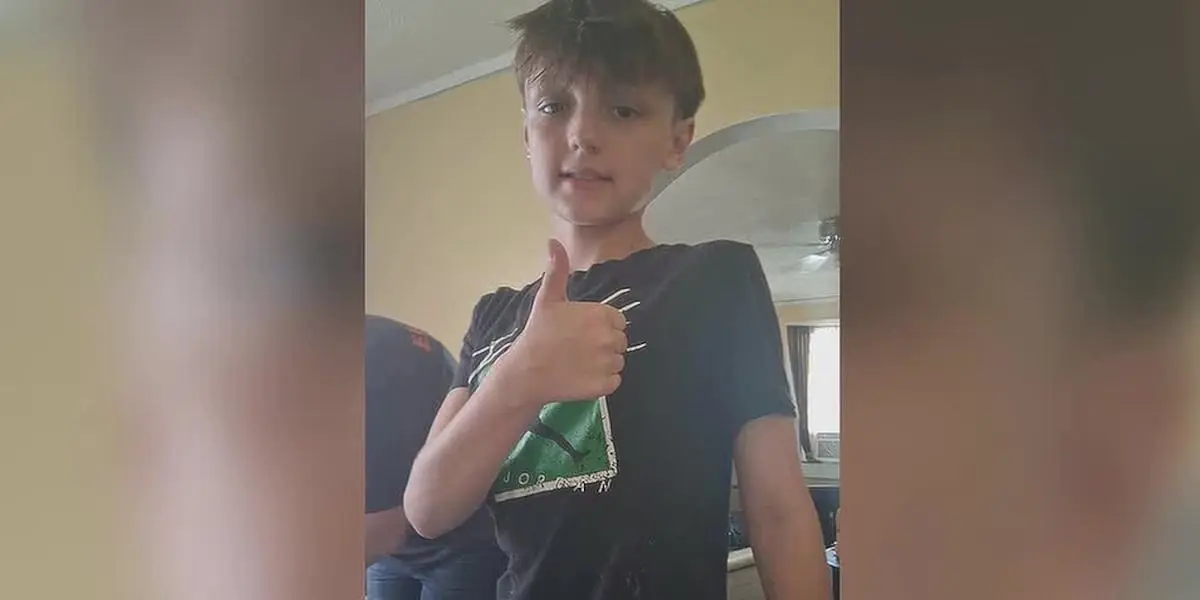
SOUTH CHARLESTON, W.Va. — What began as a routine Monday evening walk among friends ended in unimaginable tragedy when a 12-year-old West Virginia boy was struck and killed by a motor vehicle at a local intersection. Hunter Combs, a sixth-grade student at Dunbar Middle School, succumbed to his injuries at a nearby hospital following the crash, which occurred at approximately 7:30 p.m. on Monday.
The incident has sent shockwaves through the Kanawha County community, plunging a grieving family into sorrow and sparking an urgent, widespread dialogue regarding pedestrian safety, municipal infrastructure, and driver accountability. As local law enforcement agencies continue their active investigation into the dynamics of the collision, neighborhood residents have stepped forward to voice long-standing concerns about the hazardous nature of the unlit crossing.
In the wake of the tragedy, local authorities, state transportation officials, and municipal leadership are facing intense public pressure to evaluate and upgrade safety measures along the corridor. While grieving school communities lean on grief counselors for emotional support, community activists and local business workers are demanding immediate, tangible changes—such as enhanced lighting and traffic calming devices—to ensure that no other family suffers a similar loss.
Detailed Chronology of Events
Monday Evening: The Incident Unfolds
At approximately 7:30 p.m. on Monday, Hunter Combs was walking with a group of friends near a familiar intersection in South Charleston, West Virginia. According to reports from the South Charleston Police Department, the young boys were attempting to cross the street when the fatal collision occurred.
The vehicle struck Hunter, inflicting critical injuries. Emergency responders rushed to the scene to administer medical aid, and the 12-year-old was swiftly transported to a local hospital. Despite the efforts of medical professionals, Hunter succumbed to his injuries.
Jason Cribbs, a local resident and worker who witnessed the immediate aftermath of the crash as police and emergency vehicles flooded the intersection, described the harrowing scene. "It was the most traumatic thing I’ve ever seen in my life," Cribbs remarked, capturing the profound emotional toll the incident took on bystanders and first responders alike.
Immediate Investigation and Surveillance Review
In the hours following the crash, the South Charleston Police Department launched a comprehensive investigation to determine the exact sequence of events leading up to the impact. Investigators immediately secured and reviewed available surveillance footage from the surrounding area.
While official findings regarding speed, driver visibility, and exact right-of-way dynamics are still pending the conclusion of the police investigation, the presence of video evidence is expected to provide critical clarity. Law enforcement has urged anyone with additional information regarding the incident to come forward as they piece together how the tragedy transpired.
Tuesday: Community Mourning and Institutional Response
By Tuesday afternoon, the gravity of the loss had permeated the local educational community. Dunbar Middle School, where Hunter was enrolled as a sixth grader, released an official statement addressing the sudden and devastating absence in their halls.
"Our school community is grieving the sudden loss of a classmate," the statement read. "Our hearts are with the student’s family, friends, and classmates."
Recognizing the profound impact of the tragedy on young minds, school administrators promptly mobilized support systems. Grief counselors were dispatched to Dunbar Middle School, remaining available throughout the week to provide counseling services, comfort, and a safe space for grieving students to process their emotions.
Supporting Context & Metrics: The Perils of Pedestrian Infrastructure
A Community’s Grief and Remembering Hunter
Away from the institutional response, the human cost of the tragedy remains front and center for Hunter’s family and neighbors. Lisa Combs, Hunter’s mother, took to a publicly organized GoFundMe page—established to assist the family with mounting funeral and memorial expenses—to share the vibrant spirit of her son with the community.
"Hunter loved to spend time scrolling TikTok and Snapchat. He loved being outside with his brothers and friends, taking walks, going to the park, or, more days than not, just hanging around at home," Lisa Combs wrote. "My boy was taken from us way too soon… he brought so much happiness into our family."
Neighbors echoed these sentiments, painting a picture of a curious, bright young adolescent. William Smith, a neighborhood resident, remembered Hunter as "a nice kid" who was exceptionally bright. "Smart, intelligent, knew a lot of things, very open-minded," Smith said, adding his hope for how the young boy would be remembered: "As a funny person, someone that always had a good personality."
Infrastructure Vulnerabilities and Lighting Deficits
Hunter’s death has thrust the safety of the South Charleston intersection into the national conversation surrounding pedestrian vulnerabilities in suburban and semi-urban corridors. For years, residents have navigated the stretch of road as a primary route for walking, biking, and accessing local commerce. However, locals argue that the physical design of the roadway has failed to keep pace with pedestrian traffic.
Howard Waldron, a four-year resident of the area, highlighted the stark lack of adequate illumination at the crossing. "Especially in the evenings, it’s hard to see sometimes. The intersection is very unlit. The crosswalk isn’t lit up very well," Waldron stated. He further noted that ambient light spilling from nearby commercial properties, such as a local gas station and a veterinary clinic, falls drastically short of what is required to safely illuminate pedestrians in low-light conditions.
Beyond visibility issues, residents point to excessive vehicular speed as a compounding hazard. Because the corridor acts as a major thoroughfare, drivers frequently travel at speeds ill-suited for a zone heavily utilized by children, pedestrians, and cyclists.
Jason Cribbs emphasized the shared responsibility of motorists navigating unlit or dimly lit zones. "Even if there are no lights, turn your low beams on. There’s kids, there’s people that still cross these roads," Cribbs urged, pleading with drivers to exercise heightened vigilance.
Official Statements and Jurisdictional Dynamics
Municipal and State Responsibilities
As public outcry intensifies, questions surrounding jurisdiction and accountability have taken center stage. Local leaders have been forced to balance community demands for rapid safety overhauls with the bureaucratic realities of road maintenance governance in West Virginia.
South Charleston Mayor Frank Mullens addressed the community’s concerns, noting that while commercial developments like a local Speedway gas station have historically altered traffic patterns for the better, city hall remains open to exploring further mitigations.
"I don’t know if there’s anything else that can be done from a safety standpoint, but anything we can look at, we will," Mayor Mullens stated. However, he was quick to clarify the jurisdictional boundaries governing the roadway. "It’s a Department of Highways right-of-way, not a city right-of-way. But that doesn’t mean we can’t have influence on how things are done there."
State Transportation Response
In direct response to public pressure and municipal inquiries, the West Virginia Department of Transportation (WVDOT) mobilized maintenance crews to inspect the corridor. On Tuesday, transportation workers conducted comprehensive testing of the streetlights and traffic signal systems along the stretch of road.
According to preliminary briefings from the department, traffic engineering assessments indicated that all traffic control signals were properly timed and operating efficiently. Furthermore, state officials defended the recent infrastructure maintenance history of the corridor, noting that local streetlights had recently been upgraded to modern Light Emitting Diode (LED) fixtures to maximize brightness and energy efficiency.
Despite these assertions, WVDOT officials have not closed the door on further evaluations, leaving open the possibility of collaborative safety audits alongside local municipal leaders.
Future Outlook: A Movement for Lasting Change
The Path Forward for South Charleston
The tragic loss of Hunter Combs has irrevocably altered the South Charleston community, serving as a grim catalyst for civic engagement and safety reform. What began as an unspeakable personal tragedy has evolved into a unified community movement demanding proactive measures to protect vulnerable road users.
Local advocacy groups, neighborhood associations, and concerned citizens are planning to petition city and state leaders for targeted infrastructural interventions. Chief among these proposed solutions are:
- Enhanced Pedestrian Crossings: Implementation of high-visibility, rapid-flashing rectangular rapid flashing beacons (RRFBs) or overhead dedicated illumination at high-pedestrian intersections.
- Speed Mitigation Strategies: Deployment of increased radar enforcement, dynamic speed feedback signs, or physical traffic-calming installations to curb speeding in residential and commercial transition zones.
- Comprehensive Lighting Audits: Joint municipal and state reviews of street illumination to eliminate dark zones where pedestrians blend into the night.
Honoring Hunter’s Legacy
While municipal councils deliberate and state agencies review traffic data, the primary focus of the community remains rooted in support for the Combs family and the preservation of Hunter’s memory. The outpouring of financial support via the GoFundMe platform and the emotional solidarity demonstrated by classmates at Dunbar Middle School highlight a community determined to heal together.
As South Charleston grapples with the pain of an avoidable tragedy, the collective hope of its residents is that the dialogue sparked by Hunter Combs’ passing will translate into concrete policy changes—ensuring that the streets become a safer space for every child who walks them.

0 Comments