NAGOYA, Japan — In an era where traditional athletic boundaries are continually being challenged by the integration of digital competition, the 2026 Asian Games in Nagoya have birthed a historic milestone that bridges generations and redefines the limits of youth excellence. Yuki Kurihara, an 11-year-old Japanese elementary school student fueled by a steadfast dedication to his craft and a preferred pre-match diet of eel, has captured the imagination of the global sports community.
On Saturday, September 26, 2026, Kurihara secured a dominant 10-2 victory over South Korea’s Kang Dong-shin in the Puyo Puyo Champions puzzle game final, cementing his status as the youngest gold medalist in the storied history of the Asian Games, which trace their roots back to New Delhi in 1951. Kurihara’s ascent to the top of the podium was not merely a display of outlier talent; it was a masterclass in spatial reasoning, lightning-fast reflexes, and unwavering psychological composure under the intense scrutiny of an international arena.
While esports made its official debut at the Asian Games three years prior in Hangzhou, China—where ticket demand necessitated a lottery system—the inclusion of such youth prodigies signals a seismic shift in how competitive gaming is structured, consumed, and validated. Kurihara’s triumph occurred against a broader backdrop of generational dominance at the Nagoya games, where pre-teens and teenagers routinely outperformed seasoned veterans across multiple disciplines. From skateboarding to swimming, youth has unequivocally been served at these games, yet it is Kurihara’s pixelated masterpiece that will most profoundly alter the conversation surrounding age, mastery, and the future of athletic competition.
Detailed Chronology of the Championship Run
The path to gold for the young Japanese prodigy was paved with relentless focus, clinical execution, and a bracket run that left competitors decades older struggling to keep pace. Kurihara’s tournament journey in Nagoya was characterized by an astonishing economy of movement and an almost preternatural ability to read cascading chains of colored gelatinous blobs in Puyo Puyo Champions.
The Early Rounds and Quarterfinal Dominance
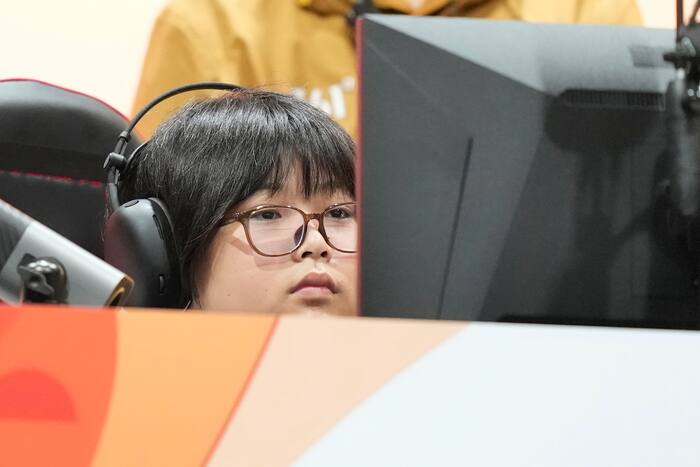
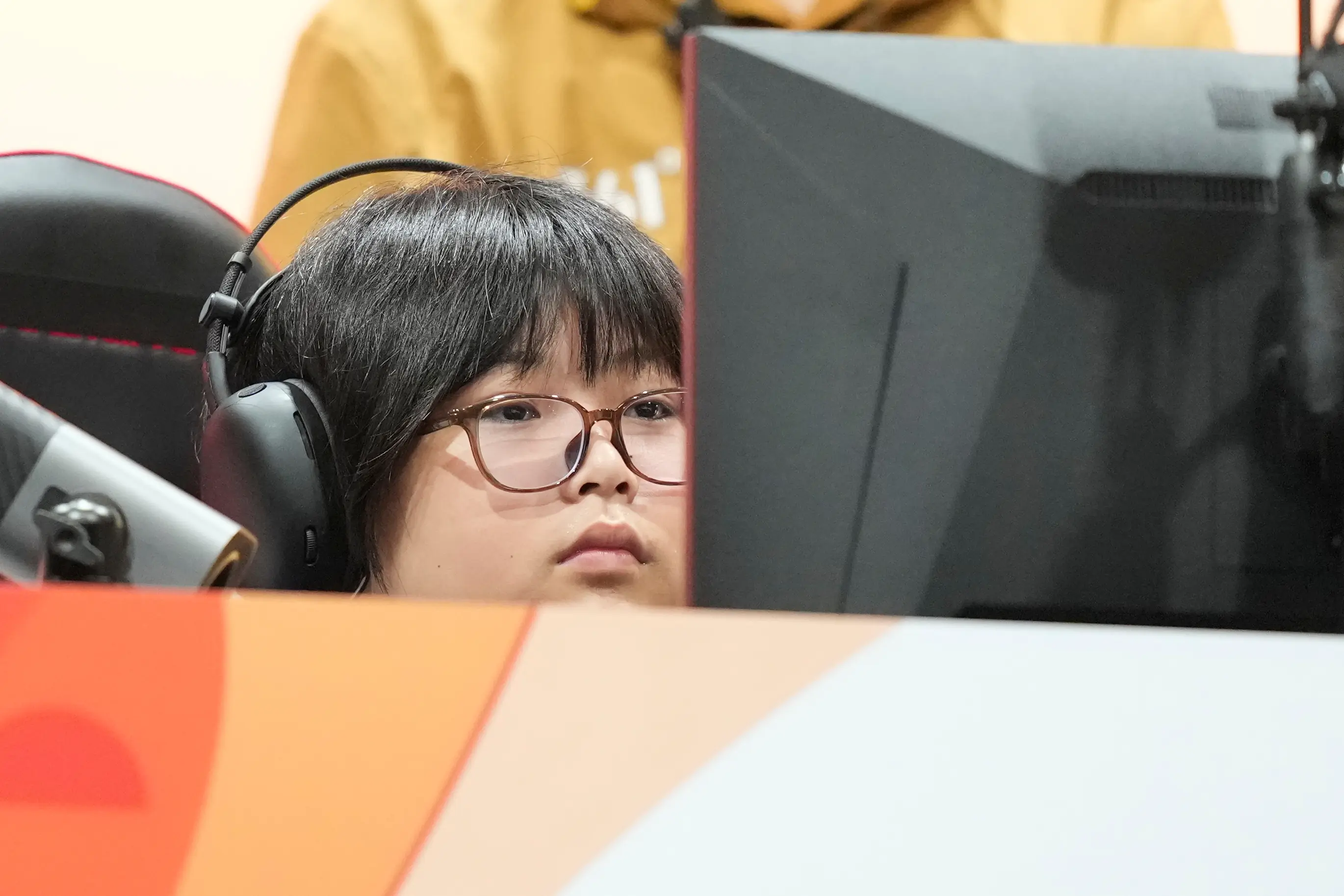
Kurihara’s campaign began in earnest with high-stakes preliminary matches that quickly separated the casual competitors from the elite tactical minds. In the quarterfinals, Kurihara faced Singapore’s Justine Koh Mun June. Under the blinding lights of the esports venue, with cameras capturing every flicker of his intensely focused expression, Kurihara maintained a steady rhythm of garbage-sending garbage-clearing combos. His tactical depth—cultivated since his kindergarten years—allowed him to neutralize Koh’s offensive setups systematically.
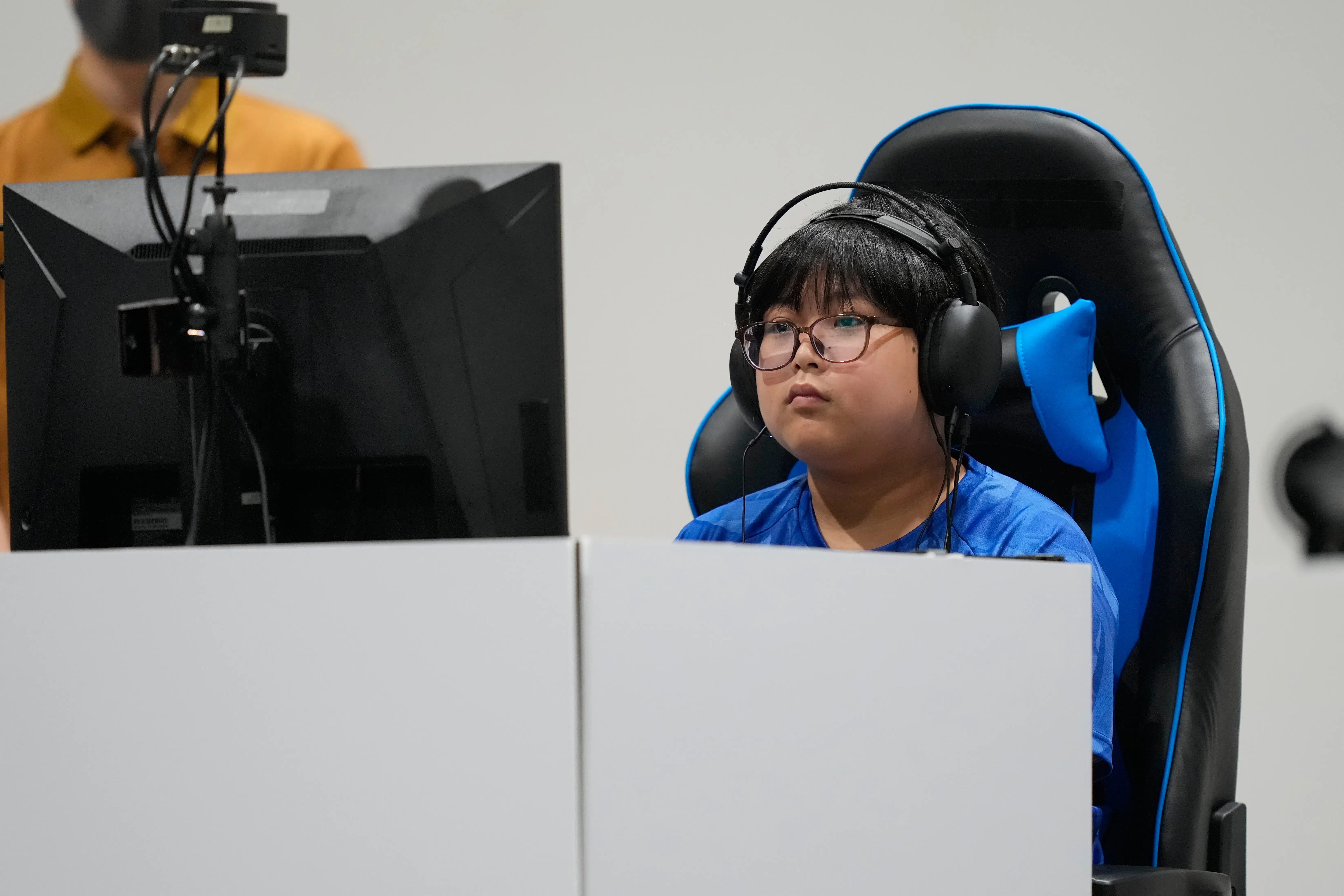
As captured by photojournalists on the ground, Kurihara’s preparation was marked by a calm demeanor that belied his elementary school status. Where older competitors often showed physical signs of tension, Kurihara approached his peripherals with the routine familiarity of a child sitting down for a homework assignment, albeit one requiring micro-second calculations.
The Semifinal Rout
Advancing to the penultimate stage, Kurihara squared off against Thailand’s Tanarak Wongkitikun. At 28 years old, Wongkitikun represented a "relative old-timer" in a genre where reaction times are traditionally believed to peak in late adolescence or early adulthood. The age gap of 17 years proved immaterial, as Kurihara dismantled the Thai veteran with a staggering 10-1 scoreline. Wongkitikun’s defensive boards were repeatedly overwhelmed by Kurihara’s hyper-efficient chain constructions, leaving the semifinal arena stunned by the sheer velocity and precision of the Japanese competitor’s inputs.
The Gold Medal Clash
The culmination of the tournament arrived on Saturday afternoon, pitting Kurihara against South Korea’s formidable Kang Dong-shin. South Korea, a nation with a legendary pedigree in competitive gaming and esports infrastructure, presented what many analysts considered Kurihara’s ultimate test.
Instead of buckling under the pressure of the gold medal match, Kurihara elevated his play. Utilizing intricate stair-stacking techniques and split-second rotation decisions, he routinely outpaced Kang’s defensive recoveries. Game after game, Kurihara built towering offensive threats and detonated them with devastating accuracy. When the final buzzer sounded, the scoreboard read a resounding 10-2 in favor of the Japanese schoolboy.
As he stepped away from the console, the magnitude of the moment settled in. Gone was the intense, unblinking focus of the competitor; in its place was a beaming child clutching a heavy, gold-plated medallion that dwarfed his chest, alongside an exclusive gold-colored official mascot plush toy.
Supporting Context & Metrics: The Anatomy of a Prodigy
To understand Kurihara’s historic victory, one must examine the rigorous lifestyle and cultural ecosystem that supports modern elite youth esports. Japanese media reports indicate that Kurihara maintains a grueling daily regimen, reportedly dedicating up to eight hours a day to training while concurrently fulfilling his academic obligations at his elementary school.
The Training Regimen and Lifestyle
Balancing an elite athletic training schedule with primary education requires immense organizational support from both family and educational institutions. Kurihara’s routine combines hours of solo ladder matches, tactical review of high-level Korean and Japanese matches, and physical maintenance. Notably, local reports highlighted his predilection for eel—a traditional Japanese stamina-boosting food rich in Vitamin A and omega-3 fatty acids—as a staple of his training diet.
Puyo Puyo Champions as an Esports Discipline
Puyo Puyo, developed by Sega, is a pillar of Japanese competitive puzzle gaming. Unlike traditional fighting games or real-time strategy titles that rely on vast maps or complex team dynamics, Puyo Puyo is a pure test of grid-based tactical foresight, mental arithmetic, and kinetic execution. Players must drop pairs of colored blobs, matching four or more of the same color to clear them, while simultaneously constructing "chains" where clearing one set triggers subsequent cascades that dump "garbage" blocks onto the opponent’s board.
At the professional level, games are decided in fractions of a second. A single misrotation can ruin a 10-chain setup, whereas a well-timed counter can turn certain defeat into a miraculous victory. Kurihara’s mastery of these mechanics at age 11 places him in a rare echelon of cognitive athletes.
A Broader Movement: Youth Dominance at the 2026 Asian Games
Kurihara’s victory is part of a broader, undeniable trend at the Nagoya Asian Games, where Generation Alpha and Gen Z athletes have systematically rewritten the record books:
Kamus Wong (12, Hong Kong): Competing fearlessly in the high-impact, high-risk sport of park skateboarding, demonstrating that spatial awareness and fearlessness translate across both digital and physical ramps.
Yu Zidi (13, China): Captured three gold medals in swimming, proving that endurance and physiological maturation are no longer strict barriers to multi-event international dominance.
Shin Ohashi (17, Japan): Labeled a "relative senior citizen" by sports commentators, the Japanese swimmer shattered the world record in the men’s 200-meter breaststroke on Thursday, reinforcing that youth talent is surging across all classifications.
Official Statements and Competitor Reactions
The historic nature of the victory drew immediate praise from international competitors, sports administrators, and analysts alike, who marveled at the generational shift unfolding in Nagoya.
Following his defeat in the gold medal match, South Korea’s Kang Dong-shin offered a gracious and candid assessment of his conqueror during the post-match press conference:
"It’s obvious that my opponent was skilled and above my level," Kang remarked, visibly impressed despite the lopsided score. "His technical ability and accuracy are incredible. You prepare for every tactical eventuality, but when faced with that level of speed and calculation at such an age, all you can do is acknowledge superior execution."
Kurihara himself, adjusting the heavy gold medal around his neck, expressed a charming mix of elite competitive satisfaction and childlike wonder:
"I’m really happy," Kurihara said through a wide smile. "The gold medal is really beautiful, shiny, and heavy. And the plush toy [mascot] is super cute, and it’s cool that it is gold-colored too."
Sports psychologists and Olympic committee delegates present at the venue noted that Kurihara’s poise represents a paradigm shift. Raised in an environment where digital interfaces are as natural as pen and paper, children of Kurihara’s generation process visual information and execute complex spatial maneuvers with an intuitive fluency that older generations must acquire through exhaustive, deliberate practice.
Future Outlook: The Evolution of Esports in Traditional Multi-Sport Events
Yuki Kurihara’s gold medal marks a watershed moment for the acceptance, commercialization, and structural evolution of esports within the Olympic and Asian Games ecosystems.
The Olympic and Asian Games Trajectory
When esports debuted at the 2022 Asian Games in Hangzhou (held in 2023 due to pandemic delays), skeptics questioned whether digital competition belonged alongside track and field, aquatics, and gymnastics. The overwhelming ticket demand, driven by lottery allocations and massive digital viewership numbers, decisively answered that question.
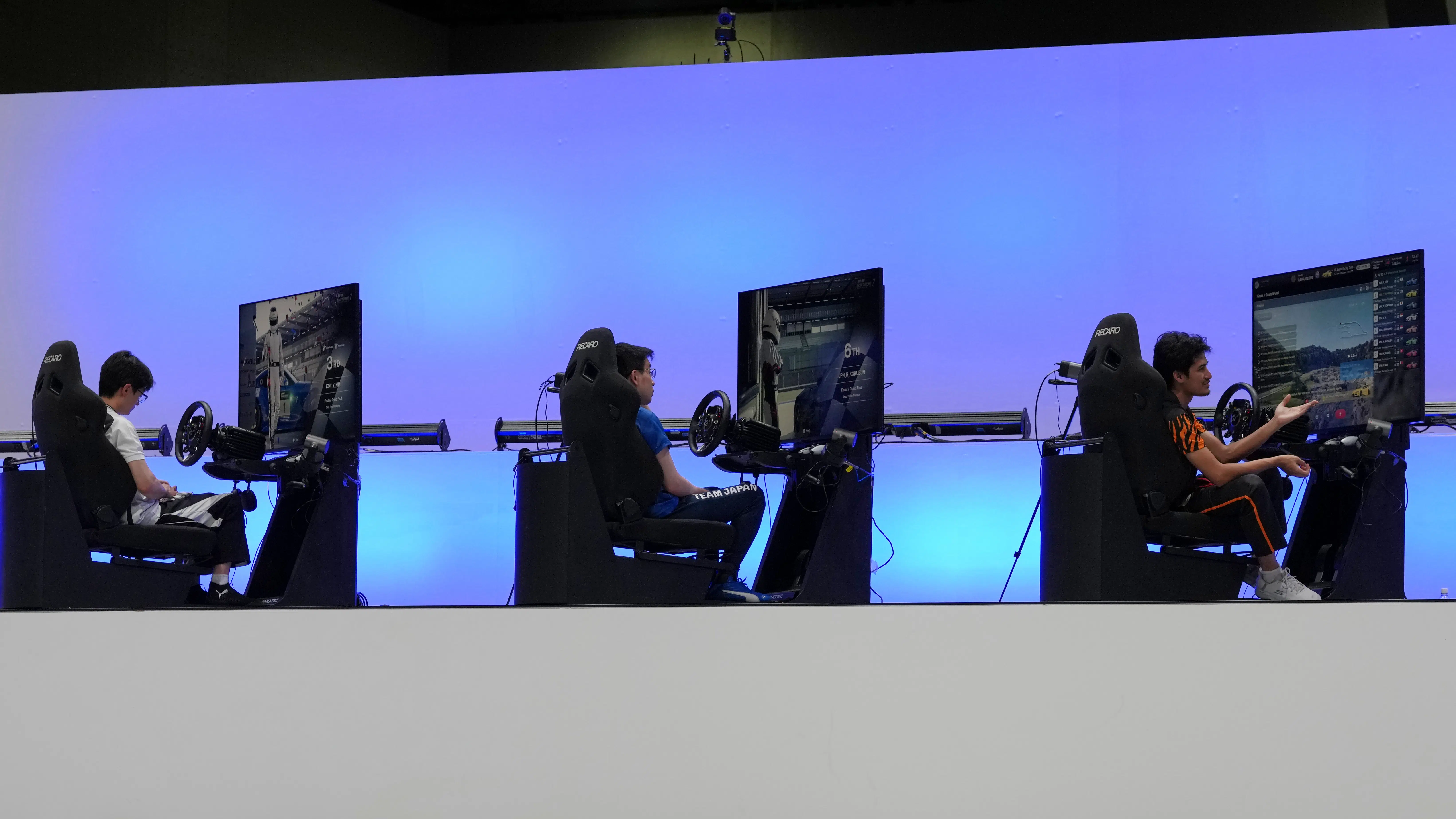
Nagoya 2026 has taken the integration a step further. By curating a diverse lineup spanning strategy, sports simulation (such as Gran Turismo 7), and arcade puzzle games like Puyo Puyo, the Olympic Council of Asia (OCA) has validated esports not as a temporary novelty, but as a permanent fixture of modern athletic festivals.
Ramifications for Youth Sports and Talent Pipelines
Kurihara’s emergence raises profound questions for talent development programs worldwide:
Age Verification and Welfare: As children as young as 11 enter elite international competition, sports federations will face increased scrutiny regarding the mental health, school-life balance, and physical welfare of micro-pro athletes. The reports of Kurihara’s eight-hour daily training schedule will undoubtedly spark intense debate among educators, parents, and sports ethicists.
Standardization of Training: Just as traditional gymnastics and figure skating shifted toward younger prodigies who master complex routines before puberty, esports may see accelerated professionalization pipelines, with academies scouting talent in primary schools rather than universities.
Broadening Accessibility: Because digital sports level the physical playing field regarding height, reach, and brute strength, they offer an unprecedented avenue for global inclusivity—provided that digital infrastructure and equitable training resources are distributed globally.
As the 2026 Asian Games draw to a close in Nagoya, the image of Yuki Kurihara—an 11-year-old boy holding a gold medal that seems to weigh half as much as he does—will endure as the defining snapshot of a new era. It is a world where the boundaries between physical and digital play have dissolved, and where the next generation of sports legends may practice their craft not on a turf field or in a natatorium, but before a glowing monitor, fueled by determination, rigorous training, and a bowl of favorite pre-match eel.





0 Comments