

Executive Overview
ARCHER, Fla. — In an era where police encounters involving armed individuals can rapidly escalate into tragedy, a harrowing domestic disturbance in rural Alachua County ultimately concluded without a single shot fired. On a Sunday evening, the Alachua County Sheriff’s Office (ACSO) Negotiations Response Team successfully brought a peaceful end to a tense, multi-hour armed standoff involving a 74-year-old woman barricaded inside an outbuilding.
The incident, which began as a violent domestic dispute over a reported assault and a threat involving a deadly weapon, tested the limits of local law enforcement resources and underscored the indispensable value of specialized crisis de-escalation tactics. Authorities have identified the individual involved as Cynthia Lee, 74, who retreated to a backyard shed after realizing that law enforcement intended to take her into custody for aggravated assault.
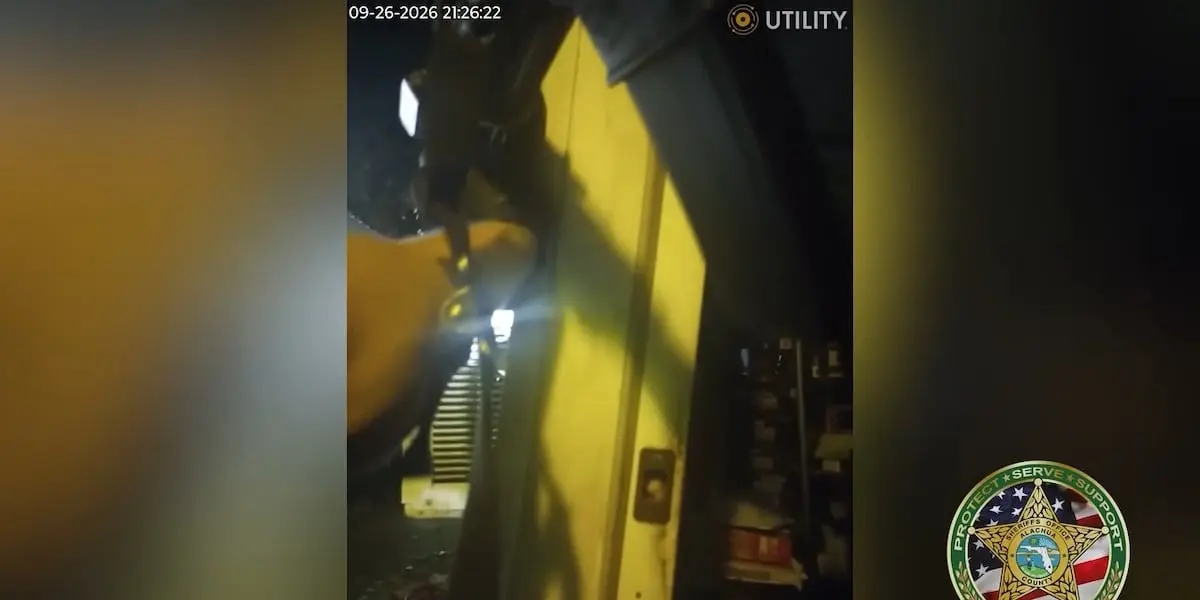
Newly released body-worn camera and tactical audio footage provide a rare, intimate window into the psychological mechanics of modern crisis negotiation. The video captures the pivotal, humanizing moment when an ACSO negotiator breached the emotional barrier of the barricaded senior citizen by using a first-name basis and a compassionate, non-threatening tone.
"Miss Cyndy, it’s Rachel. Come out to us. I can help you," the negotiator pleaded, breaking through hours of dead silence and tension. Moments later, Lee’s voice responds from the darkness of the shed: "I’m coming out."
While the suspect sustained a minor self-inflicted injury during the ordeal, the incident concluded nearly two and a half hours after deputies first arrived on the scene, avoiding physical harm to law enforcement officers, bystanders, and the suspect herself. This comprehensive investigative report examines the chronology of the Archer standoff, the operational protocols of the Alachua County Sheriff’s Office, broader socio-demographic contexts regarding mental health and aging populations in rural Florida, and the ongoing dialogue surrounding specialized crisis intervention.
Detailed Chronology of Events
The Initial Call and Dispatch (Sunday Evening)
The sequence of events began on a quiet Sunday evening in the rural community of Archer, located in the southwestern portion of Alachua County. At approximately 5:30 p.m., the Alachua County Combined Communications Center received an urgent 911 call reporting a violent domestic altercation at a residential property.
According to preliminary incident reports released by the ACSO, the caller stated that an elderly female resident—later identified as Cynthia Lee—had physically struck another individual living at the residence. The situation quickly escalated from a physical battery to a lethal threat when Lee allegedly armed herself with a household knife and made explicit threats to kill the victim.
Patrol deputies assigned to the western sector of Alachua County were immediately dispatched to the scene with lights and sirens, arriving within minutes of the initial distress call. Upon arrival, deputies secured the perimeter, separated the primary victim from the suspect to ensure immediate safety, and began gathering preliminary statements. The victim, shaken but uninjured by the knife, confirmed that Lee was still in possession of the weapon and posed an imminent threat to anyone approaching her.
The Retreat and Barricade
As uniformed deputies approached the residence to make contact with Lee and investigate the allegations, the 74-year-old became visibly agitated. Realizing that law enforcement officers were preparing to take her into custody on felony charges related to the domestic assault and armed threats, Lee refused to comply with verbal commands to drop the weapon.
Instead of surrendering, Lee retreated from the main residence and made her way toward a detached storage shed located in the backyard. She locked herself inside the outbuilding, effectively creating a fortified, enclosed barricade point.
Recognizing the inherent dangers of entering a confined, unlit space where an armed suspect is entrenched, the primary responding deputies immediately exercised tactical patience. They established a secure perimeter around the shed, denying ingress and egress, and requested the immediate dispatch of supervisory personnel, tactical backup, and the specialized Negotiations Response Team (NRT).
The Standoff and De-escalation Phase
For more than two hours, the property transformed into a quiet theater of waiting and psychological strategizing. Rural Alachua County roads near the residence were temporarily secured, and neighbors were advised to shelter in place as law enforcement officers maintained a vigilant watch over the shed.
During this window, the ACSO Negotiations Response Team deployed to the scene. Composed of specially trained deputies and tactical dispatchers adept in crisis communication, the team set up a command post just out of direct line of sight from the shed.
Unlike traditional tactical assaults that prioritize speed and overwhelming force, crisis negotiation doctrine prioritizes time, containment, and communication. The negotiators began gathering intelligence on Lee’s background, medical history, psychological state, and personal relationships. They utilized this intelligence to build a rapport, transforming an anonymous police encounter into a personalized appeal.
As captured in the newly released video footage, negotiator Rachel took the lead, utilizing a calm, steady cadence designed to lower adrenaline and foster trust. By addressing the 74-year-old respectfully as "Miss Cyndy" and identifying herself by her first name, the negotiator dismantled the adversarial dynamic typical of police-citizen confrontations.
After sustained dialogue, the psychological barrier cracked. Lee verbally acknowledged the negotiator’s presence, uttered the words "I’m coming out," and slowly opened the door of the shed.
Surrender and Medical Intervention
At approximately 7:45 p.m., Lee emerged from the shed empty-handed, complying fully with final instructions from deputies. Tactical medical personnel stationed with the perimeter team immediately moved in to secure the scene and evaluate her physical condition.
Upon examination, deputies and medics discovered that Lee had sustained a minor injury to her person, which she explicitly stated she had inflicted upon herself with the knife during the hours leading up to or during the standoff.
Rather than being transported directly to a detention facility, Lee was immediately transferred under law enforcement escort to a local regional hospital for comprehensive medical and psychological evaluations. Sheriff’s officials confirmed that criminal charges relating to the domestic battery and aggravated threats with a deadly weapon remain pending upon her medical clearance.
Supporting Context & Metrics: Rural Crises and Law Enforcement Response
To fully understand the significance of the Archer standoff, it is essential to examine the broader operational context of the Alachua County Sheriff’s Office and the unique challenges associated with domestic incidents involving elderly individuals in rural jurisdictions.
The Alachua County Sheriff’s Office: Operational Scope
The Alachua County Sheriff’s Office, led by Sheriff [Insert Sheriff’s Name/Title if applicable], serves a diverse geographic area spanning over 900 square miles of North-Central Florida. While the county is anchored by the urban and student-populated hub of Gainesville, surrounding municipalities and unincorporated regions like Archer are characterized by rural acreage, isolated properties, and sparse population densities.
According to annual crime statistics and agency reports:
- Geographic Spread: Deputies patrolling rural zones often experience extended response backup times due to the vast distances between rural residences and central tactical staging areas.
- Specialized Units: The ACSO maintains specialized units—including the Negotiations Response Team (NRT) and the tactical SWAT team—specifically trained to handle high-risk barricade situations, hostage scenarios, and mental health crises.
- Domestic Call Volume: Domestic violence and family disturbance calls routinely account for a significant percentage of calls for service handled by ACSO patrol deputies. According to statewide Florida Department of Law Enforcement (FDLE) data, domestic-related incidents carry some of the highest statistical risks for law enforcement officers entering private residences.
Aging Populations and Crisis Dynamics
The involvement of a 74-year-old individual in an armed standoff highlights a growing, complex intersection of law enforcement, aging demographics, and mental health challenges.
Criminological and public health data indicate several critical factors regarding geriatric crises:
- Cognitive Decline and Mental Health: Conditions such as dementia, Alzheimer’s disease, late-onset paranoia, and severe depression frequently manifest in sudden behavioral changes, agitation, and aggression among older adults. Family members often find themselves unequipped to manage these crises without external intervention.
- Access to Weapons: Florida has one of the highest rates of firearm and weapon ownership in the nation, and elderly households frequently possess legacy firearms or household weapons (such as kitchen knives) that can be easily accessed during a sudden emotional outburst.
- The Role of De-escalation Training: Over the past decade, Florida law enforcement agencies have increasingly emphasized crisis intervention team (CIT) training. Statistics from law enforcement standards boards show that agencies utilizing dedicated negotiators experience a substantially higher rate of peaceful surrenders in barricade incidents compared to those relying solely on tactical containment and breach tactics.
Official Statements and Law Enforcement Perspective
While formal press releases from the Alachua County Sheriff’s Office provided the foundational facts of the incident, internal statements highlight the profound relief felt by agency leadership regarding the peaceful outcome.
"When deputies arrive on a scene involving an individual armed with a deadly weapon who has made threats to kill, the margin for error is razor-thin," noted an ACSO spokesperson familiar with the tactical deployment. "The instinct to protect the victim and secure the area is paramount, but our personnel are trained to recognize when patience and communication are our greatest tactical advantages. Our Negotiations Response Team demonstrated exceptional professionalism in this case."
Law enforcement analysts have praised the specific phrasing used by negotiator Rachel in the body-cam footage. In crisis communication training, addressing a subject by a respectful honorific combined with a first name ("Miss Cyndy") helps strip away the institutional distance that often triggers fight-or-flight responses in distressed individuals. Furthermore, offering direct assistance ("I can help you") shifts the psychological framing of the encounter from an impending punishment to a pathway for safety.
The unnamed victim of the initial domestic assault, who escaped the immediate physical threat before law enforcement arrived, was provided with supportive resources through local victim advocacy organizations. Alachua County victim advocates stress that domestic violence affects individuals across all age brackets, and that elderly victims often face unique barriers—including physical frailty and emotional dependency—when reporting abuse within the household.
Future Outlook: Legal Proceedings, Mental Health Evaluations, and Community Impact
As the immediate dust settles in Archer, the case now transitions from a tactical crisis to a complex legal and medical process. The future outlook for Cynthia Lee and the broader community involves several critical legal, institutional, and psychological steps:
1. Medical and Psychological Clearance
Before any formal criminal charges are formally prosecuted through the Eighth Judicial Circuit Court of Florida, Lee must receive comprehensive medical clearance from healthcare professionals. Given her age and the self-inflicted knife injury noted during the standoff, medical staff will conduct thorough physical examinations. Simultaneously, court-ordered or hospital-led psychological evaluations will determine whether Lee was suffering from a severe cognitive impairment, diminished capacity, or a mental health crisis at the time of the alleged offense.
If mental incompetence or severe psychological distress is established, the legal trajectory may shift from traditional incarceration toward court-ordered mental health treatment facilities or specialized guardianship programs.
2. Criminal Charges and Court Proceedings
Should Lee be deemed competent and medically stable, she will face felony charges including aggravated assault with a deadly weapon and domestic battery. Because of her age (74), the judicial system will likely weigh alternative sentencing, pre-trial release conditions, or house arrest options monitored by family members, balancing public safety concerns with humanitarian considerations appropriate for elderly defendants.
3. Review of Crisis Response Protocols within ACSO
For the Alachua County Sheriff’s Office, incidents like the Archer standoff serve as vital case studies for ongoing internal training. The success of the Negotiations Response Team in this instance will likely be integrated into future recruit academies and in-service tactical refreshers, reinforcing the doctrine that time, communication, and empathy remain the most effective tools in neutralizing armed threats without loss of life.
4. Community Support and Domestic Violence Awareness in Rural Areas
The incident has also reverberated throughout the local Archer community, prompting renewed conversations regarding support networks for families caring for aging relatives. Local social services agencies and county health departments are utilizing the event to remind residents of available resources, including mobile crisis response teams, elder abuse hotlines, and confidential domestic violence advocacy programs.
Ultimately, the Archer standoff stands as a testament to the unpredictable nature of emergency response in rural Florida—and a powerful reminder of how human voice, patience, and professional training can pull a volatile situation back from the brink of tragedy.

0 Comments