

HONG KONG — China’s manufacturing activity expanded in September for the first time in three months, injecting a measure of optimism into an economy that has faced persistent pressures from a prolonged property slump and subdued domestic consumption.
The official manufacturing Purchasing Managers’ Index (PMI) rose to 50.1 in September, climbing from 49.8 in August, according to data released Wednesday by China’s National Bureau of Statistics. The reading crossed the critical 50-point threshold that separates economic expansion from contraction, matching the median forecasts of economists surveyed ahead of the announcement.
The positive turn in factory output coincides with a broader push by Beijing to revitalize economic momentum. Just days before the release of the PMI figures, Chinese financial authorities announced a wave of aggressive stimulus measures, including mortgage interest subsidies aimed at stabilizing the moribund real estate sector. Simultaneously, the nation prepared for its pivotal weeklong October national holiday, a crucial barometer for consumer confidence and retail spending.
Executive Overview: A Timely Uptick Amid Structural Transition
The modest recovery in the official PMI is being viewed by market analysts as a welcome, albeit tentative, stabilization. For much of the year, China’s industrial sector has navigated a complex dual reality: robust external demand for manufactured goods—particularly in high-tech sectors tied to the global artificial intelligence boom—juxtaposed against a sluggish domestic market constrained by declining property values and cautious consumer spending.
While a reading of 50.1 signals marginal growth rather than a roaring resurgence, it halts a worrying two-month contraction phase that had stoked concerns about whether Beijing’s previous fiscal and monetary interventions were losing traction. Crucially, the stabilization arrives as global trade dynamics, U.S.-China bilateral relations, and domestic stimulus policies intersect in ways that could redefine the trajectory of the world’s second-largest economy for the remainder of the year.
Detailed Chronology: The Path to September’s PMI Rebound
To understand the significance of the September data, economists are looking back at the trajectory of China’s industrial metrics over the preceding quarters:
- Early Summer 2026: China’s manufacturing sector began showing signs of fatigue as domestic demand tapered off. Despite strong export numbers driven by high-tech manufacturing, structural weaknesses in domestic consumption began to weigh heavily on factory gate prices and overall industrial sentiment.
- August 2026: The official manufacturing PMI dipped to 49.8, marking the second consecutive month of contraction. Analysts grew increasingly vocal about the need for more direct fiscal intervention, as monetary easing alone proved insufficient to break the cycle of cautious consumer spending.
- Late September 2026 (The Policy Pivot): In a coordinated effort to shore up the economy ahead of the crucial fourth quarter, central authorities unveiled sweeping new support measures on Tuesday, including financial incentives and mortgage interest relief for homebuyers.
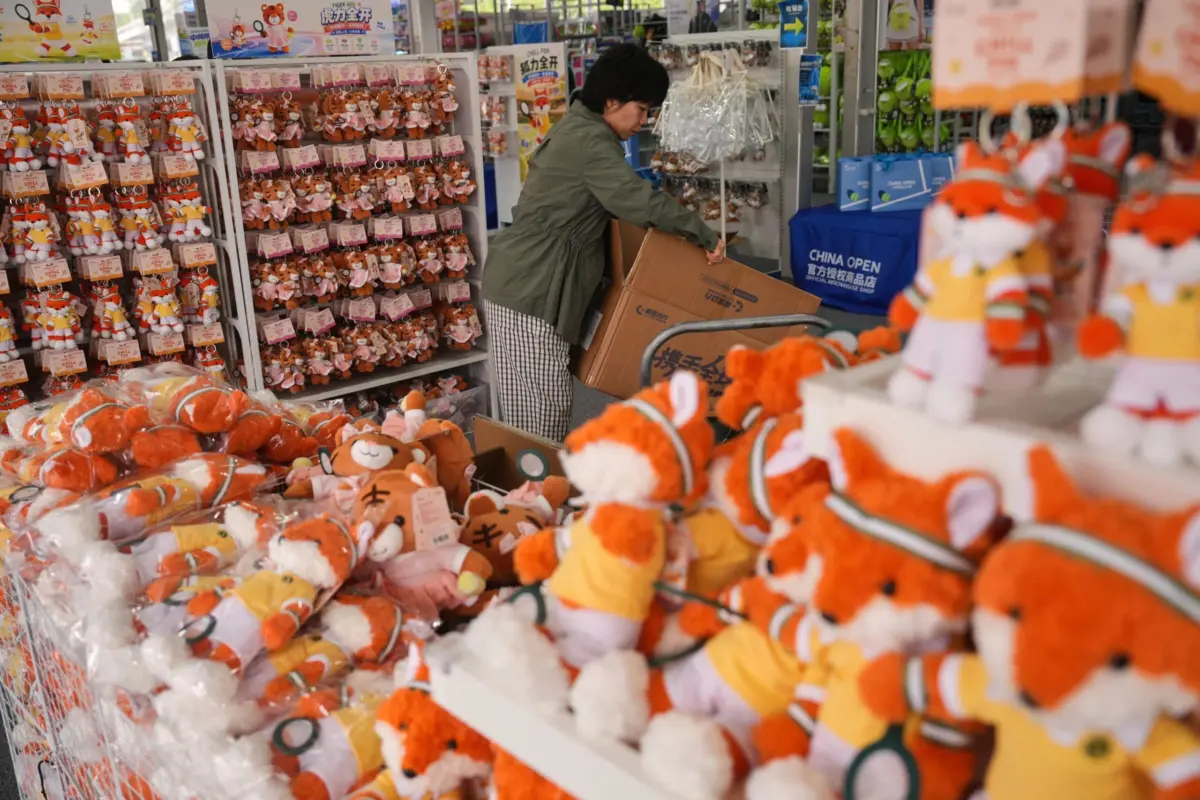
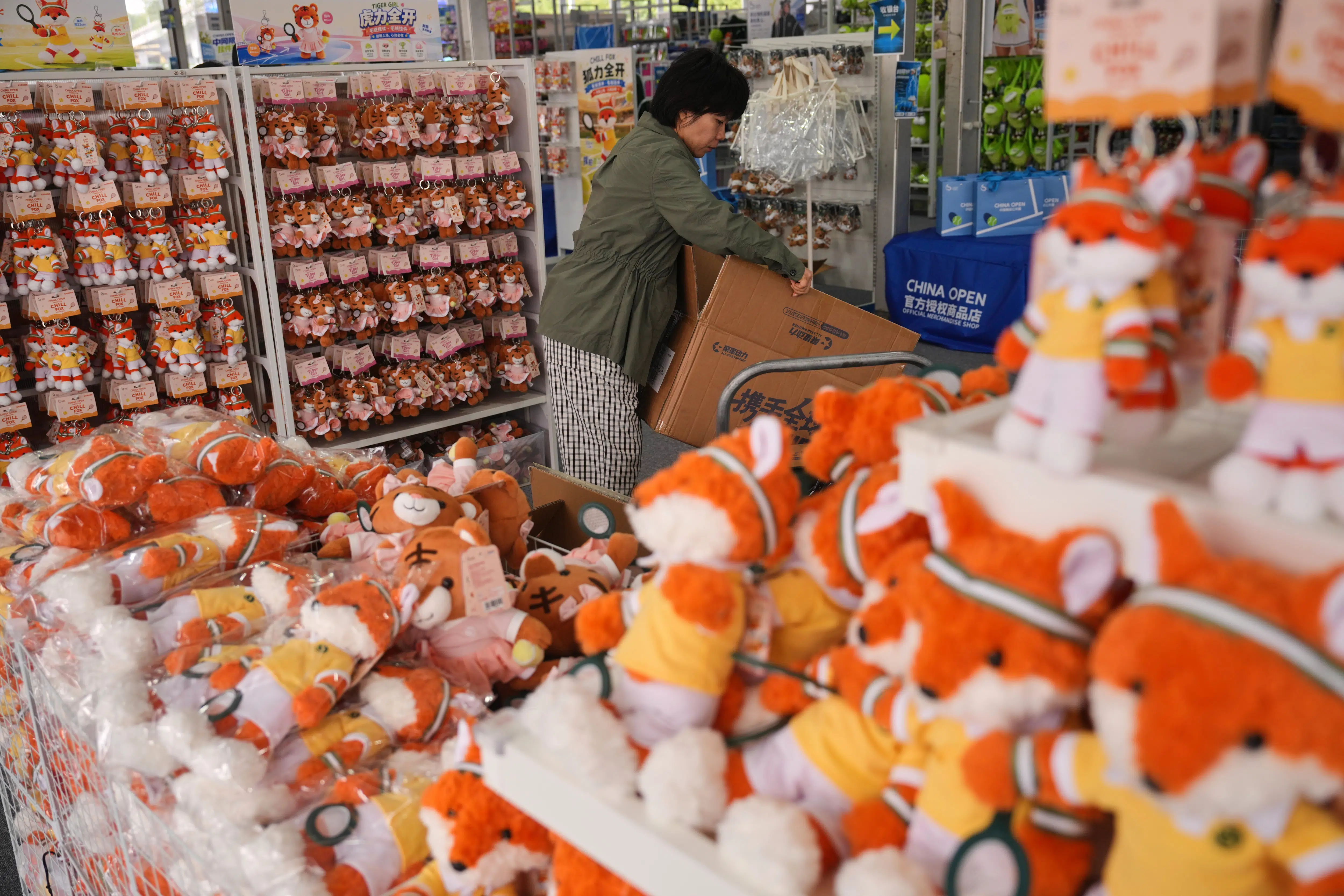
- Wednesday, Sept. 30, 2026: The National Bureau of Statistics published the September PMI figures. Climbing back to 50.1, the index beat August’s performance and confirmed economists’ expectations of a late-month stabilization. Concurrently, retail environments—such as souvenir and merchandise stores gearing up for major national events like the China Open tennis championships in Beijing—began stocking up in anticipation of holiday crowds.
Supporting Context & Metrics: Deconstructing the Data
A closer examination of the subindexes underlying the official PMI reveals nuanced shifts across different pillars of the manufacturing ecosystem:
- Production Subindex: Rose sharply to 51.7 in September, up from 50.4 in August, indicating that factories ramped up output in response to incoming orders and anticipatory stocking for the Golden Week holiday.
- New Orders Subindex: Stood at 50.5, remaining firmly in expansion territory though dipping slightly from August’s 50.6. This suggests that while domestic and overall demand is stabilizing, it has yet to experience a dramatic acceleration.
- New Export Orders Subindex: Eased slightly to 50.0 from 50.1, hovering precisely at the threshold between expansion and contraction. This slight softening reflects moderating global demand or the front-loading of exports earlier in the year to mitigate potential future trade tariffs.
- Private Sector Surveys: Reinforcing the official numbers, a separate private sector gauge—the RatingDog PMI—registered an even stronger expansion, advancing to 52.1 in September from 51.5 in August. This divergence often highlights that smaller, private, and export-oriented enterprises tracked by private indices may be experiencing a slightly more robust recovery than the larger, state-owned enterprises heavily represented in the official survey.
Official Statements and Expert Analysis
Financial institutions and economic observers have offered mixed perspectives on what the September data implies for the broader macroeconomic landscape. While the return to growth is universally welcomed, experts emphasize that structural challenges remain unaddressed.
"Manufacturing has been a relative strength this year, though it has mostly been driven by external demand as domestic consumption and investment lag," noted Lynn Song, chief economist for Greater China at ING Bank, in a commentary following the data release.
Song and other analysts point out that sustained economic recovery will require more than temporary bumps in factory output; it demands a durable restoration of consumer confidence. The persistent downturn in the property sector has severely dented household wealth perceptions, leading to a high savings rate and conservative spending habits among ordinary citizens.
Government officials, while encouraged by the PMI tick upward, are maintaining a cautious stance. Policymakers have signaled that the newly introduced mortgage subsidies and real estate stabilization packages are just the beginning of a broader, more flexible fiscal strategy designed to protect growth targets for the fiscal year.
Future Outlook: Trade Dynamics and the Road Ahead
As China enters the final quarter of 2026, several critical variables will dictate whether September’s expansion is a fleeting anomaly or the start of a sustainable economic upward trend:

1. The Impact of Domestic Stimulus and Golden Week
The immediate test for the Chinese economy will be consumer behavior during the weeklong October national holiday. Policymakers will closely monitor tourism, hospitality, and retail metrics to gauge whether recent government subsidies and easing measures have successfully coaxed consumers out of their defensive financial postures.
2. Trade Surpluses and Global Headwinds
Despite domestic sluggishness, China remains a dominant force in global trade. Some economists project that the country is on a firm path to surpass its record $1.2 trillion trade surplus from the previous year. This resilience is heavily anchored by the global insatiable appetite for Chinese electronics, green technology, and artificial intelligence hardware.
3. Geopolitical and Bilateral Trade Relations
External trade prospects have also received a psychological boost from stabilizing diplomatic channels. Recent developments, including a two-month extension of a key trade truce between the United States and China running through January, have temporarily removed the immediate threat of escalating tariffs. This diplomatic breathing room allows supply chains to operate with greater predictability, directly benefiting export-reliant manufacturers.
Conclusion
September’s return to manufacturing expansion provides Beijing with a much-needed political and economic breathing room. However, the ultimate health of China’s economy will depend on the government’s ability to translate factory-floor momentum into a broader revival of domestic consumption, heal the beleaguered property market, and navigate an increasingly complex global trade environment in the months ahead.

0 Comments