


The sports broadcasting landscape has experienced a seismic shift following the definitive departure of Tony Romo from CBS Sports. The high-profile split, confirmed by network executives and representatives for the former Dallas Cowboys quarterback, brings an abrupt end to Romo’s nearly decade-long tenure as one of the most prominent, highest-paid lead analysts in television sports. The separation follows a troubling legal development: Romo’s recent arrest in Milwaukee on suspicion of operating a vehicle while intoxicated (OWI) and his subsequent no-contest plea.
For nine years, Romo’s transition from the gridiron to the broadcast booth was celebrated as a masterstroke in sports media hiring. Known for his uncanny ability to predict plays before the snap and his infectious enthusiasm, he commanded a massive audience and a lucrative contract. However, the intersection of legal scrutiny, personal health battles, and intense public oversight has unraveled that partnership. In the wake of his departure, CBS Sports has moved forward with former NFL defensive star J.J. Watt filling the analyst role, while Romo steps back from the national spotlight to address profound personal challenges.
This comprehensive report examines the circumstances surrounding Romo’s departure, the details of the Milwaukee arrest, his public admissions regarding prescription medication and alcohol reliance, his broadcasting legacy, and the broader implications for the future of NFL television coverage.
Detailed Chronology of Events
The August Traffic Stop in Milwaukee
The sequence of events leading to Romo’s exit from CBS Sports began in late August on the roadways of Milwaukee, Wisconsin. According to an incident report filed by the Milwaukee County Sheriff’s Office, a deputy observed erratic driving patterns and conducted a traffic stop at a major highway interchange.
During the initial interaction, the deputy noted standard signs of impairment. Romo was asked to submit to standardized field sobriety tests. According to the official arrest report, Romo performed poorly on these evaluations, leading the deputies to take him into custody on suspicion of operating a vehicle while intoxicated (OWI). He was transported to a local facility for processing before being released to a representative.
Legal Proceedings and the No-Contest Plea
As news of the arrest leaked, legal teams moved swiftly to manage the fallout. Romo’s defense counsel engaged with prosecutors in Milwaukee County to navigate the charge. Rather than opting for a drawn-out trial that would play out publicly in the media, Romo ultimately entered a plea of no contest to the OWI charge.
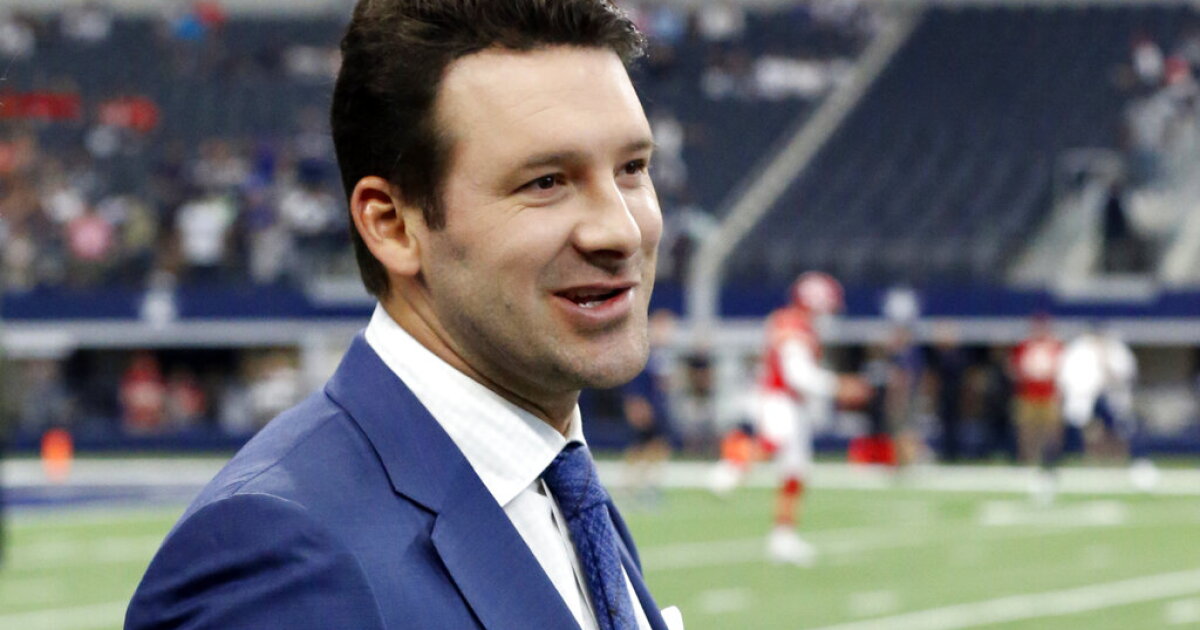
In the legal system, a no-contest plea (nolo contendere) results in a conviction without the defendant formally admitting guilt, yet it carries the standard penalties associated with a first-time OWI offense under Wisconsin law. These typically include financial penalties, the suspension of driving privileges, and mandatory enrollment in alcohol and substance abuse assessment or educational programs. While the legal repercussions were relatively standard for a first-time misdemeanor offense, the professional fallout was immediate and far-reaching.
The CBS Sports Split
With the legal matter concluded and public scrutiny mounting, discussions between Romo and CBS Sports leadership intensified. Both parties recognized that the controversy conflicted with the family-friendly, mainstream image required of a lead network analyst handling marquee Sunday afternoon games and Super Bowl broadcasts.
In a joint acknowledgment of the reality on the ground, Romo and CBS Sports mutually agreed to terminate their professional relationship. The network issued a concise statement thanking Romo for his nearly decade-long tenure, while Romo released a personal statement indicating his intention to step away from broadcasting entirely to prioritize his health, recovery, and family life.
Supporting Context & Metrics: Health, Legacy, and Career
The Toll of the Gridiron: Pain Management and Alcohol
To fully understand the context of Romo’s arrest and subsequent departure, industry observers and medical professionals have pointed to the grueling physical toll of a 14-year NFL career. Romo addressed this directly in public statements following his arrest, offering a candid look at the underlying struggles that contributed to the incident.
Romo attributed his legal troubles to a "dependence on pain medication" stemming from the numerous severe injuries he sustained during his playing days with the Dallas Cowboys—including multiple collarbone fractures, back surgeries, and persistent trauma. Furthermore, he acknowledged an "over-reliance on alcohol" as he attempted to self-manage, reduce, or stop his reliance on prescription opioids.
This admission brought national attention to a broader, often-hidden crisis facing retired professional athletes: chronic pain management and the dangerous transition from heavy-duty sports medicine to civilian life. For years, the intersection of painkillers and alcohol has been a documented pitfall for former athletes struggling to cope with the sudden cessation of adrenaline, structured medical supervision, and physical conditioning.
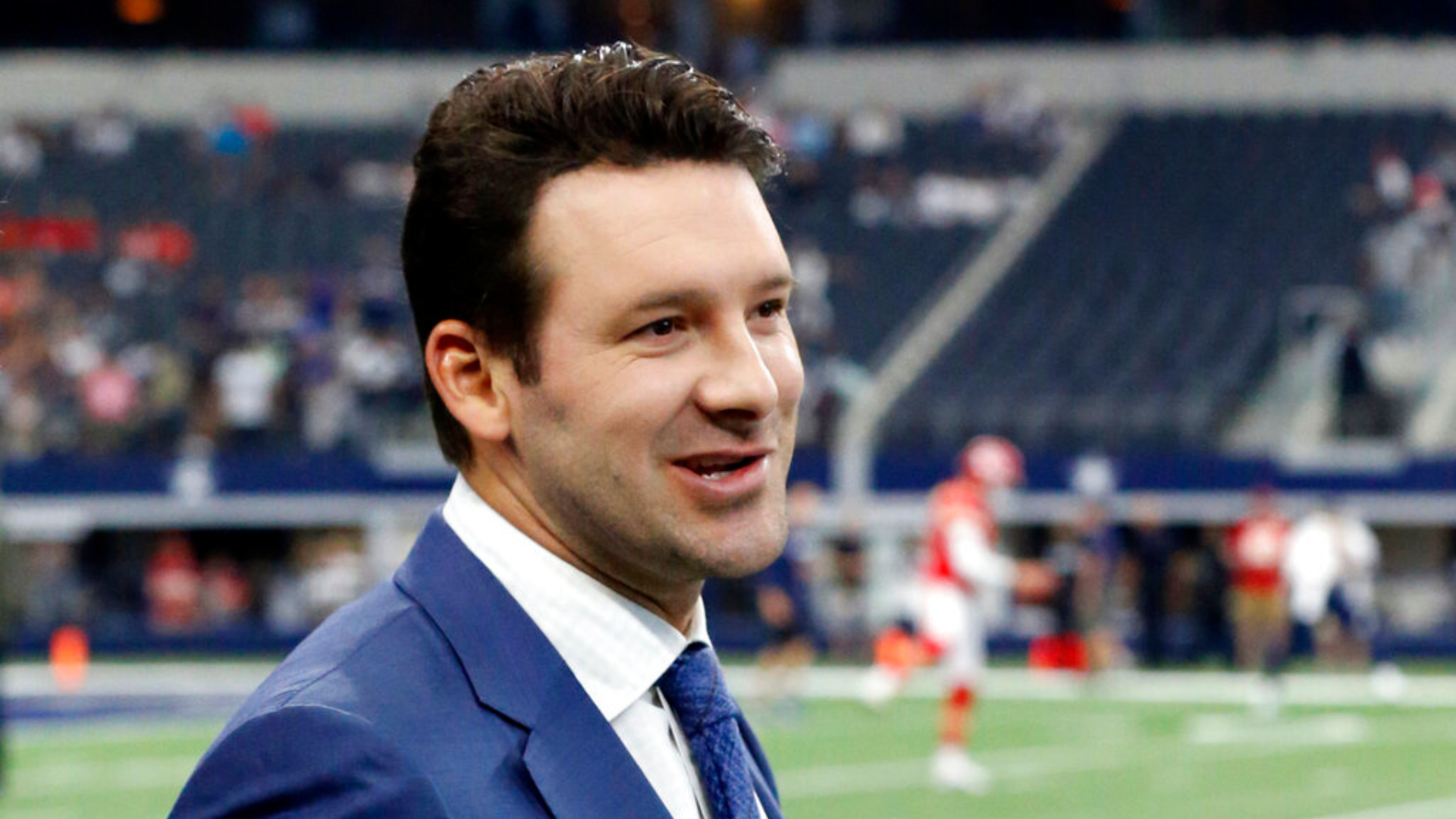
The Rise, Peak, and Fall of a Broadcasting Icon
Tony Romo’s entry into sports broadcasting in 2017 is widely remembered as a watershed moment. Hired immediately by CBS Sports without prior television experience, Romo stepped directly into the network’s number-one NFL broadcast booth alongside play-by-play partner Jim Nantz.
Key Milestones in Romo’s Media Career:
- 2017: Retires from the NFL and is immediately named lead NFL analyst for CBS Sports.
- 2019: Wins over fans and critics alike with prescient play-predictions during the AFC Championship Game and Super Bowl LIII build-up.
- 2020: Signs a historic contract extension with CBS reportedly worth roughly $18 million per year, cementing his status as the highest-paid analyst in television sports at the time.
- 2021–2023: Faces increasing public and critical pushback regarding preparation levels, reliance on cliché commentary, and a perceived drop-off in his trademark pre-snap play-calling accuracy.
- 2024: Completes another full season of coverage amidst rising network pressure and changing viewer expectations.
- August 2026: Arrested in Milwaukee on OWI charges.
- Fall 2026: Mutually parts ways with CBS Sports following his no-contest plea, ending his nine-year broadcast run.
During his peak years, Romo revitalized the art of color commentary. His enthusiasm was palpable, and his ability to read defensive alignments in real-time gave viewers an educational, highly entertaining window into the tactical mind of a modern NFL quarterback. However, as seasons progressed, some critics argued that his analysis had grown more casual and less rigorous, leading to external pressure from network executives to elevate his performance. Coupled with the recent legal and personal controversies, the relationship ultimately became untenable.
Official Statements and Industry Reactions
The announcement of Romo’s departure generated an immediate wave of commentary across the sports media ecosystem, highlighting both disappointment over his personal struggles and pragmatic acceptance of the network’s business decisions.
CBS Sports Official Statement:
"We thank Tony for his contributions over the past nine years and wish him the best moving forward. CBS Sports and Tony Romo have mutually agreed to part ways. Our focus remains on delivering top-tier NFL coverage to our viewers as we navigate the remainder of the season with our broadcast teams."
Tony Romo’s Personal Statement:
"I have decided to take a step back from broadcasting to focus entirely on my health, my family, and my personal well-being. The past few months have been challenging, and I am committed to addressing the issues I am facing. I am deeply grateful to CBS Sports, Jim Nantz, the production crews, and the millions of fans who welcomed me into their homes every Sunday."
Industry insiders noted that while networks are often forgiving of talent errors, legal infractions involving driving under the influence carry a severe reputational risk that corporate sponsors and family-oriented programming blocks cannot easily absorb. The swiftness of the resolution underscored the zero-tolerance thresholds maintained by major media conglomerates when personal conduct directly intersects with brand integrity.

Future Outlook: The Road Ahead for CBS and Romo
J.J. Watt steps into the Booth
With Romo officially out of the picture, CBS Sports has turned to former NFL Defensive Player of the Year J.J. Watt to anchor its primary analysis. Watt, who transitioned smoothly into media following his retirement from the Arizona Cardinals, brings a different energy, defensive perspective, and high-profile star power to the broadcast booth alongside Jim Nantz.
Network executives are closely monitoring audience reception to Watt as he assumes one of the most coveted seats in sports television. The transition marks a strategic pivot for CBS, moving from the offensive quarterback genius archetype to a dominant defensive mindset capable of breaking down modern offensive schemes from a pass-rusher’s vantage point.
Romo’s Path to Recovery and Potential Return
For Tony Romo, the immediate future centers entirely on rehabilitation, family support, and addressing the root causes of the health challenges he disclosed. Overcoming prescription medication reliance and alcohol dependence requires intensive, private work far removed from the public eye.
Whether Romo will ever return to sports media remains an open question. Television history demonstrates that redemption arcs are possible for public figures who successfully navigate treatment and demonstrate sustained personal accountability. However, any potential return—whether to CBS or another network—lies far in the future. For now, one of the most recognizable voices in modern football has stepped off the airwaves, leaving behind a complex legacy defined by brilliance on the field, groundbreaking innovation in the broadcast booth, and sobering personal battles off the screen.

0 Comments