College football is no stranger to high-stakes drama, roaring stadiums, and intense national scrutiny. However, when top-tier athletic competition intersects with the logistics of the United States Secret Service, the rulebook for game-day operations undergoes a massive rewrite. This weekend, the sports world turns its eyes to Knoxville, Tennessee, where a blockbuster SEC matchup features the top-ranked Texas Longhorns taking on the No. 14 Tennessee Volunteers. Yet, the pre-match narrative has been unexpectedly dominated by a logistical wrinkle that could alter the very fabric of the contest: the expected attendance of President Donald Trump.
While fans in orange and burnt orange prepare for a colossal gridiron battle, the coaching staffs, stadium operators, and local law enforcement are bracing for unprecedented security protocols. According to Texas Longhorns head coach Steve Sarkisian, the presidential visit introduces unique technological and logistical hurdles—most notably, the sudden and unannounced cutting of coach-to-coach and coach-to-player communication headsets whenever the Commander-in-Chief moves within the venue.
This deep dive examines the operational challenges of hosting a sitting president at a major collegiate athletic event. From Secret Service sweeps and tightened perimeter security to the tactical nightmare of losing wireless communication systems mid-play, we explore how Texas, Tennessee, and federal agencies are navigating an exceptionally complex Saturday. Furthermore, we analyze the broader context of presidential appearances at major sporting events, the impact on fan experience, and the strategic adaptations required when national security takes precedence over the standard two-minute drill.
Detailed Chronology: From Presidential Motorcade to the Opening Kickoff
The sequence of events leading up to a presidential stadium appearance is meticulously choreographed, leaving zero room for improvisation. For the University of Tennessee Police Department, the athletic department, and the visiting Texas contingent, the timeline for Saturday’s noon kickoff has been compressed and accelerated days in advance.
The Days Leading Up to Kickoff: Advance Teams and Federal Coordination
Weeks before the first tailgate tent goes up on the Tennessee campus, the U.S. Secret Service begins its advance reconnaissance of Neyland Stadium. Security sweeps, communications audits, and route planning involve hundreds of federal, state, and local law enforcement personnel. For a game of this magnitude—featuring two national brands in the Southeastern Conference—the security matrix is already complex. Layering a presidential motorcade onto the schedule elevates the operation to National Special Security Event (NSSE)-adjacent levels of scrutiny, requiring exhaustive credentialing and infrastructure checks.
Game Day Morning: The Early Arrival Mandate
For the tens of thousands of ticketed spectators eager to witness the matchup, the primary directive from campus authorities is clear: arrive early.
The University of Tennessee Police Department released urgent advisories urging fans to clear security checkpoints hours before the traditional arrival window. Unlike a standard SEC Saturday, where fans frequently linger tailgating until shortly before kickoff, the presence of the Secret Service means that standard electronic and physical screening protocols are reinforced by federal standards.
Enhanced Screening: Every gate at Neyland Stadium features heightened federal security screening.
Increased Wait Times: Law enforcement has warned that lines will back up significantly as kickoff approaches, turning the typical final-hour rush into a prolonged bottleneck.
Perimeter Lockdowns: Street closures and restricted airspaces (Temporary Flight Restrictions, or TFRs) are implemented around Knoxville, altering traffic patterns for local residents and traveling fans alike.
Pregame Logistics and the Presidential Entrance
The most volatile window for stadium operations occurs immediately before kickoff and during halftime. As President Trump arrives, enters his suite or seating area, and shifts locations, the security parameters tighten dynamically. It is during these transitional movements that the logistical friction peaks, directly impacting the tactical operations on the sideline.
Tactical Disruption: The Reality of Presidential Communications Blackouts
For casual observers, a college football game relies on seamless, instantaneous communication. Modern coaching staffs use complex networks of headsets, tablets, and encrypted radio frequencies to relay play calls from the coaching booth down to the field, and from coordinators to quarterbacks on the field via coach-to-player communication systems.
However, when a president attends a public event, federal protocols dictate absolute control over the electromagnetic spectrum within the immediate vicinity to prevent remote-detonation threats and electronic surveillance vulnerabilities.
Steve Sarkisian’s Warning: The 2019 Alabama Precedent
During his Thursday press conference leading up to the game, Texas head coach Steve Sarkisian candidly addressed the hidden challenges of playing in front of the president. Drawing on his prior experience as the offensive coordinator for the University of Alabama during their 2019 matchup against LSU—which President Trump also attended—Sarkisian detailed the startling reality of presidential security measures.
"The one thing we have to be aware of when the president goes to any game is that any time he enters the stadium or leaves the stadium or changes locations within the stadium, they cut all communication," Sarkisian told reporters. "So they cut your headsets. They cut the headsets to coaches. They cut headsets to coach-to-player communication. So you have to have a plan for that, if and/or when it happens, and you get no warning. It just gets cut out."
This sudden loss of technology forces coaching staffs to revert to archaic, high-stress contingencies:
Sideline Signboards: Relying heavily on oversized picture boards, hand signals, and runners to relay plays to the offense and defense.
Non-Verbal Huddle Communication: Players must be prepared to execute plays without the benefit of the quarterback hearing final adjustments through his helmet speaker.
Situational Awareness: Coordinators in the press box must communicate visually with sideline assistants, establishing a chain of command that operates entirely independently of wireless devices.
The unpredictability is the most crippling factor. Because the communications cutouts occur dynamically based on the president’s movements, a team could find itself executing a crucial third-down play in the red zone just as the headset feed goes dead, requiring players and coaches to rely purely on instinct and preparation.
Supporting Context & Metrics: The Stakes of Texas vs. Tennessee
While the political and security logistics dominate the pre-game headlines, the athletic contest itself is a monumental chapter in the 2025 college football season.
The Longhorns’ Ascent to the Top
The Texas Longhorns arrive in Knoxville sitting at the pinnacle of college football. Earning the No. 1 ranking earlier in the season was validated by a gritty, high-profile comeback victory over then-No. 1 Ohio State. Under Sarkisian, the Longhorns have established themselves as a powerhouse capable of winning in hostile environments. However, a road trip to Neyland Stadium—replete with over 100,000 screaming fans, an energized Volunteers squad, and the circus surrounding a presidential visit—represents arguably the toughest psychological and logistical test of their regular season.
The Volunteers’ Home-Field Advantage
Ranked No. 14 in the nation, Tennessee has built Neyland Stadium into one of the most terrifying environments for visiting opponents in all of collegiate athletics. The "Vol Walk," the deafening roar of "Rocky Top," and the sheer volume of a orange-clad sea create a home-field advantage that consistently rattles opponents. Adding the Secret Service infrastructure, a massive media contingent, and the presence of Donald Trump into the mix adds an extra layer of sensory overload that both coaching staffs must manage.
The Trend of Presidential Stadium Visits
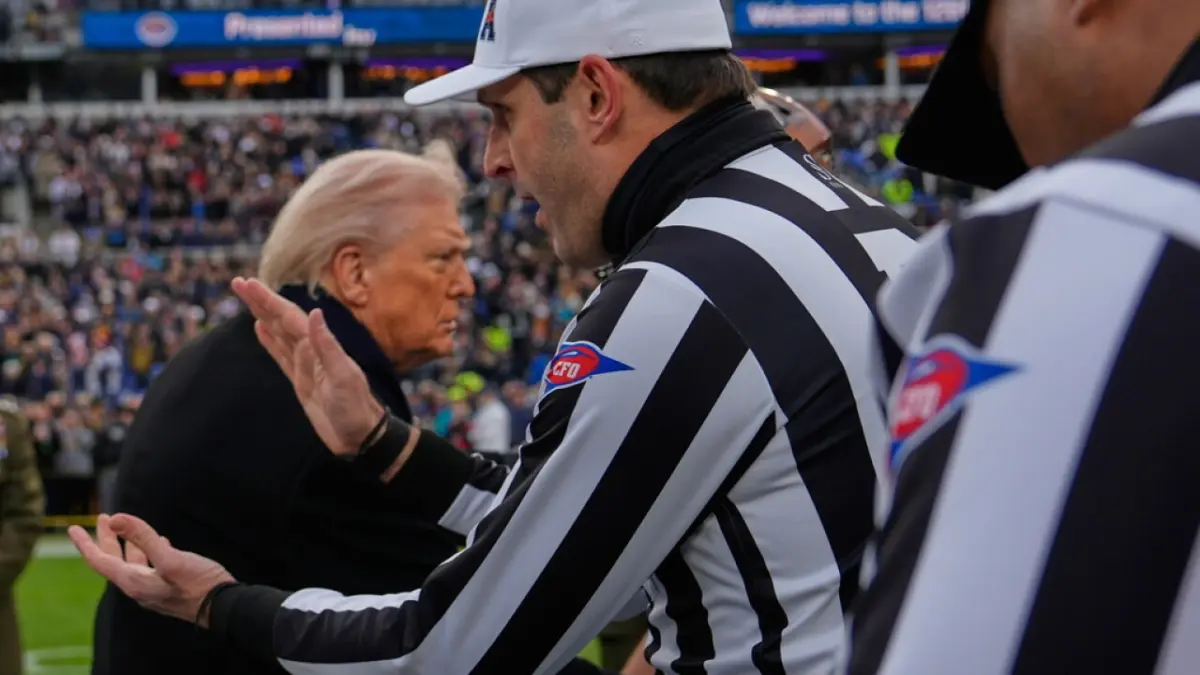
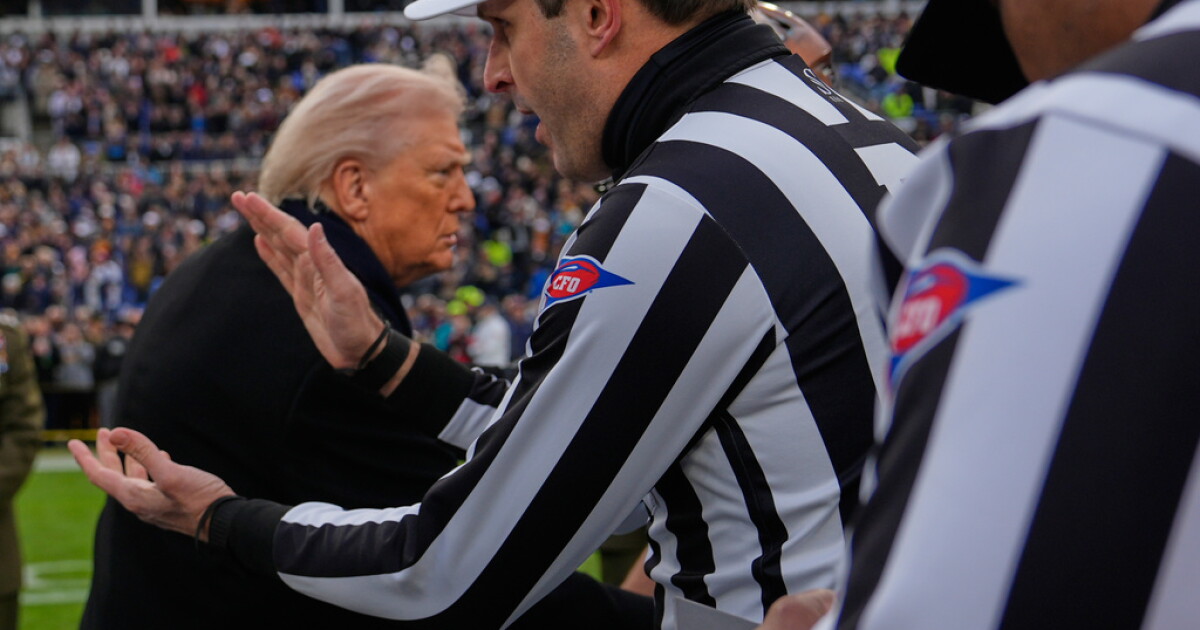
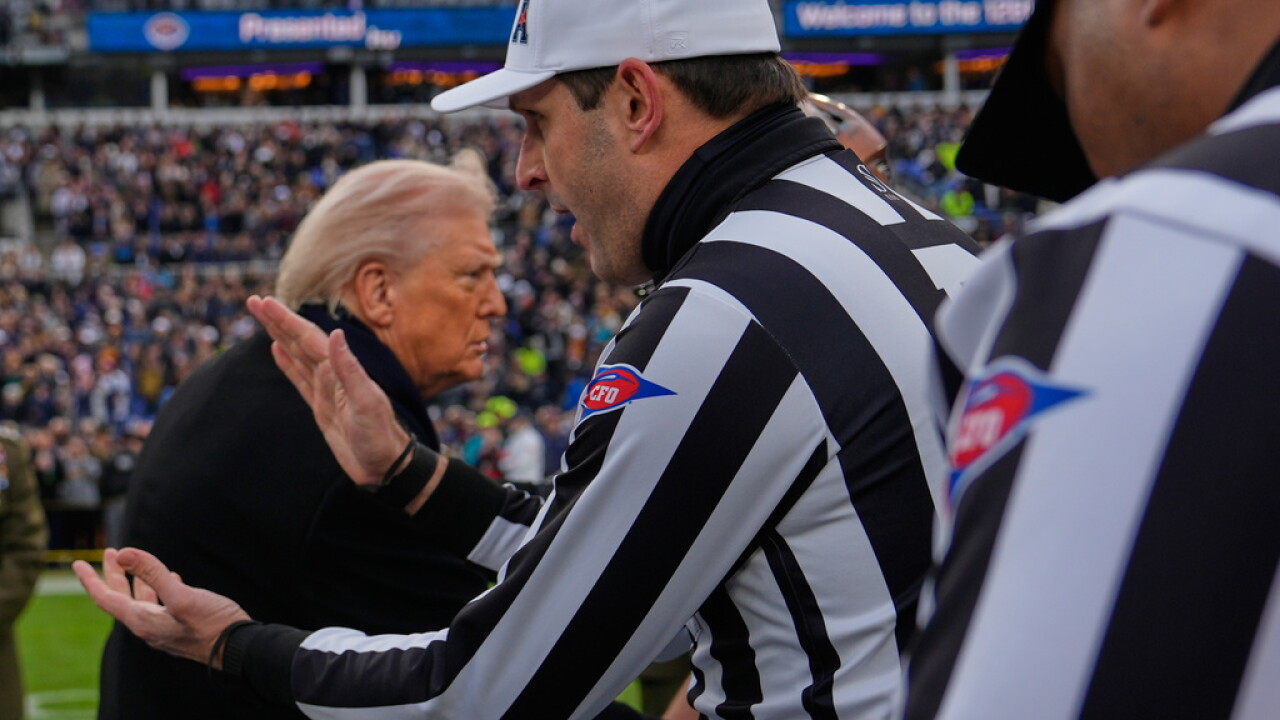
President Trump’s attendance at high-profile sporting events has become a signature element of his public appearances. Most recently, he took part in the ceremonial coin toss before the 126th Army-Navy game at M&T Bank Stadium in Baltimore. Prior to that, he was seen at the College Football Playoff national championship and various marquee regular-season matchups. These appearances consistently generate massive media coverage, blending the worlds of high-stakes politics and big-time collegiate athletics in a manner unmatched by any other public figure.
Official Statements and Institutional Preparedness
Universities, athletic departments, and federal agencies operate in a delicate balance when high-ranking dignitaries request or announce their attendance at public sporting events.
University of Tennessee Police Department Guidelines
The local authorities have taken a proactive stance to ensure public safety while minimizing disruptions for ticket holders. In their official statements released earlier in the week, campus police emphasized cooperation and patience:
Arrival Timelines: Attendees are strongly encouraged to arrive significantly earlier than normal. Gates open well in advance to process the massive crowds through federal screening checkpoints.
Prohibited Items & Security Protocols: Standard SEC bag policies remain in effect, but additional restrictions regarding electronic devices, banners, and large objects are strictly enforced by Secret Service personnel.
Traffic and Parking Advisory: Surrounding roads experience rolling roadblocks and extended closures to accommodate motorcade movements, forcing fans to utilize park-and-ride shuttles and alternative walking routes.
Athletic Department Adjustments
Both Texas and Tennessee athletic administrations have coordinated behind the scenes with conference officials to ensure fair play despite the communication hurdles. While the cutting of coach headsets is an unavoidable security protocol, both teams are subjected to the exact same technological limitations, neutralizing any competitive advantage while testing the adaptability of their respective coaching staffs.
Future Outlook: The New Normal for High-Profile Athletics
As the intersection of major college athletics, multi-billion-dollar media rights, and prominent political figures continues to expand, the events in Knoxville this weekend may serve as a blueprint for future games.
The integration of federal security details into standard athletic events highlights a broader evolution in sports logistics. Athletic departments are increasingly forced to treat games not merely as athletic competitions, but as high-security national events requiring military-grade coordination.
Key Takeaways for the Future:
Contingency Planning for Technology: Coaching staffs across the country will likely incorporate "no-headset" drills into their weekly preparations, recognizing that unexpected electronic blackouts can occur due to VIP movements or security sweeps.
Fan Experience Adaptations: As security protocols tighten, stadiums will need to invest in advanced, high-throughput screening technologies to prevent catastrophic gate congestion when dignitaries are present.
The Show Goes On: Despite the motorcades, Secret Service sweeps, and communication blackouts, the fundamental reality of college football remains unchanged: once the ball is kicked off, politics and security take a back seat to 60 minutes of pure, unscripted athletic competition.
As Neyland Stadium fills to capacity this Saturday, the eyes of the nation will be fixed on the field—and on the grandstands. Whether the Texas Longhorns can maintain their top-ranked status or the Tennessee Volunteers pull off the upset will be determined not just by physical talent, but by which team adapts best to a game day unlike any other.




0 Comments