

Executive Overview
NASHVILLE, Tenn. — In the wake of a tragedy that deeply rattled the Nashville community, local law enforcement officials announced the arrest and charging of four teenagers in connection with the fatal drive-by shooting of 16-year-old Cameron Frierson. The violent incident occurred late on the evening of August 21, just moments after the victim attended a high school football game at Pearl-Cohn High School.
The suspects—ranging in age from 16 to 18—now face severe legal repercussions, including charges of criminal homicide and engaging in a criminal conspiracy. According to the Metropolitan Nashville Police Department (MNPD), the four individuals were allegedly inside a white sedan from which a barrage of gunfire was unleashed, striking the young victim multiple times while his brother looked on in horror.
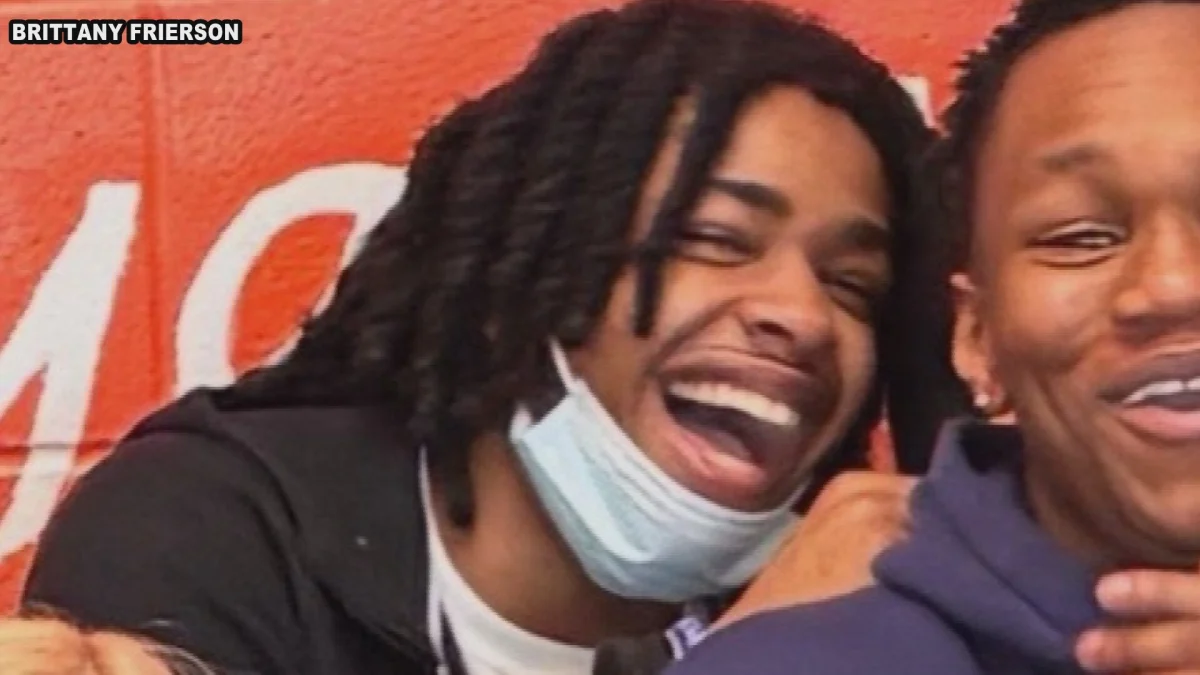
The murder of Cameron Frierson has ignited urgent, widespread conversations surrounding youth gun violence, community safety, and the vulnerable nature of public school sporting events. Cameron, a diligent student at Hunters Lane High School, the eldest of seven siblings, and an industrious young man who already held two jobs, had simply taken the night off to enjoy a Friday night tradition shared by teenagers across America.
This comprehensive report examines the chilling chronology of the August 21 shooting, the subsequent multi-agency investigation that led to the apprehensions, the profound grief voiced by the victim’s family, and the broader socio-cultural implications of escalating youth violence in urban American centers.
Detailed Chronology
The Evening of August 21: A Routine Friday Night Turned Deadly
The events leading to Cameron Frierson’s death began as a typical late-summer evening in Nashville. For communities across Middle Tennessee, Friday night high school football games represent a cornerstone of seasonal culture—a gathering place for families, students, and local community members.
August 21 was no exception. Pearl-Cohn High School hosted a prominent local game, drawing crowds of enthusiastic teenagers and sports fans. Cameron, who had worked diligently at his two jobs earlier in the week, requested the night off specifically to attend the game alongside his friends and peers. His mother, Brittany Frierson, later recalled that her son had been eagerly anticipating the outing all week, viewing it as a well-deserved break to socialize and enjoy being a teenager.
The game concluded without incident, and spectators began dispersing into the surrounding neighborhood around 10:30 p.m. Cameron was walking near the venue, accompanied by his brother, unaware of the impending danger.
The Attack: The White Sedan Ambush
According to investigative reports released by the Metropolitan Nashville Police Department, peace was shattered in an instant when a white sedan slowed down near the group of departing attendees.
Without warning, individuals inside the vehicle opened fire. The occupants of the car unleashed a barrage of gunshots toward the pedestrians. Multiple rounds struck Cameron Frierson, inflicting critical injuries. The attack unfolded so rapidly that bystanders and family members had virtually no time to react or seek cover.
Cameron’s brother stood in terrifying proximity as the shots rang out, helplessly watching the devastating scene unfold. Following the barrage, the white sedan accelerated away from the scene, disappearing into the Nashville night. Emergency services were immediately dispatched, but despite prompt medical intervention, Cameron succumbed to his injuries.
The Investigation and Breakthroughs
In the days and weeks following the shooting, the Nashville police launched a high-priority investigation. Detectives scoured surveillance footage from the vicinity of Pearl-Cohn High School, interviewed dozens of witnesses, and appealed directly to the public for tips to identify the occupants of the white sedan.
The tireless efforts of homicide detectives eventually bore fruit. Authorities systematically pieced together the movements of the vehicle and identified multiple persons of interest. By early October, the net had closed around the suspects.
Police executed coordinated apprehension operations, successfully taking four teenage suspects into custody. The individuals arrested include a 16-year-old, two 17-year-olds, and an 18-year-old. MNPD confirmed that all four suspects were inside the white sedan at the time of the shooting and played direct roles in the ambush. Each has been formally charged with criminal homicide and criminal conspiracy. As the legal proceedings move forward, investigators continue to probe the underlying motives behind the sudden and deadly attack.
Supporting Context & Metrics
The Rising Tide of Youth Gun Violence in Urban Centers
Cameron Frierson’s death is not an isolated tragedy; it highlights an alarming, nationwide trend involving the proliferation of firearms among underage populations. Criminologists and law enforcement analysts note that youth involvement in violent crime—particularly drive-by shootings and disputes escalating to lethal force—has strained community resources across the United States.
According to data compiled by public health researchers and law enforcement agencies, firearm-related incidents remain a leading cause of death among children and adolescents in America. The accessibility of illegal firearms, combined with social media-fueled disputes and juvenile impulsivity, has created a volatile environment in many metropolitan areas.
In Nashville, community leaders and law enforcement have repeatedly sounded the alarm over the increasing prevalence of teenagers carrying and using unauthorized handguns. The incident outside Pearl-Cohn High School serves as a sobering reminder that public spaces historically viewed as safe havens—such as school athletic events—are increasingly vulnerable to community violence bleeding into youth-centric environments.
The Impact on School Communities and Extracurricular Safety
Following the shooting, administrators across the Metro Nashville Public Schools district, alongside local law enforcement, faced intense pressure to reevaluate security protocols around athletic events. High school football games, traditionally policed by a mix of school resource officers (SROs) and local patrol units, now require heightened security measures, including metal detectors, restricted entry points, and expanded perimeter patrols.
Security experts emphasize that safeguarding students requires a dual approach: strengthening physical security at public venues while simultaneously addressing the root causes of youth violence through community intervention, mentorship, and mental health resources. However, as tragic events like the death of Cameron Frierson demonstrate, protecting youth outside the immediate school gates remains an exceptionally complex challenge for civic leaders.
Official Statements and Family Grief
A Mother’s Agony: Remembering Cameron
In the wake of her devastating loss, Brittany Frierson courageously shared her grief and memories of her son with local media outlets, including WSMV. Her words painted a vivid picture of a young man full of promise, ambition, and joy.
"I miss him so much. I miss the laugh and his smile," Brittany Frierson said, her voice heavy with sorrow.
Cameron was far more than just a typical teenager; he was the eldest of seven siblings, serving as a role model within a large, close-knit family. Described by his mother as a young man who loved cars, fashion, and football, Cameron balanced his adolescent interests with a remarkable work ethic. Despite his young age, he maintained two jobs while keeping up with his studies at Hunters Lane High School. He harbored clear, ambitious career goals: earning a degree in Heating, Ventilation, and Air Conditioning (HVAC) and eventually establishing and operating his own independent business.
August 21 was supposed to be a rare, carefree night off. Instead, it became a nightmare that no parent should ever have to endure. Brittany Frierson expressed profound disbelief and heartbreak over the random, senseless nature of the violence that took her son’s life.
"It could have been anybody’s child. It’s not right for us to live in the city and not enjoy the city. He was 16, just like any other 16-year-old," Mrs. Frierson stated passionately. "They weren’t doing anything wrong. Gun violence and these kids is serious."
She issued a heartfelt plea to the community, urging witnesses to come forward during the early stages of the investigation and calling for collective accountability to protect the younger generation from the scourge of street violence.
Law Enforcement and Municipal Response
Metropolitan Nashville Police Department officials have maintained a transparent posture throughout the investigation, recognizing the profound public interest and emotional weight attached to the case. Chief of Police and lead investigators emphasized that the arrests of the four teenagers represent a critical step toward securing justice for the Frierson family.
In official briefings, police leadership underscored that the apprehension of multiple suspects reflects the dedication of detectives who refused to let the case go cold. Municipal leaders have echoed these sentiments, pledging continued support for violence-reduction initiatives, community policing programs, and youth outreach efforts aimed at steering vulnerable adolescents away from criminal conspiracies and gang-related activity.
Future Outlook
Legal Proceedings and the Road Ahead
As the four teenage suspects navigate the juvenile and adult judicial systems in Tennessee, the legal proceedings promise to be closely watched by the local community and national media alike. Given the severity of the charges—criminal homicide and conspiracy—prosecutors are expected to present robust forensic and digital evidence gathered during the weeks following the August 21 shooting.
Legal analysts note that the ages of the defendants (ranging from 16 to 18) will likely introduce complex legal discussions regarding whether the minors will be tried as adults, a standard procedure in Tennessee for severe violent felonies committed by older adolescents. The ongoing investigation into the precise motive behind the shooting will also play a pivotal role as the case moves toward trial, potentially uncovering further details regarding premeditation or prior disputes.
Community Resilience and Long-Term Prevention
Beyond the courtroom, the Nashville community faces the arduous task of healing and structural transformation. The death of Cameron Frierson has galvanized local activists, educators, and religious leaders to demand more robust intervention strategies. Community-led mentorship programs, conflict resolution workshops in schools, and stricter tracking of illegal firearm trafficking are among the primary solutions being advocated by civic groups.
For the Frierson family, the road ahead is defined by enduring grief and the bittersweet comfort of knowing that those allegedly responsible for cutting Cameron’s life short have been brought to justice. Yet, the broader question remains: how many more promising young lives must be cut short before systemic solutions take root?
As Nashville continues to grapple with the fallout of that fateful August night, Cameron’s memory lives on through his grieving family, his heartbroken peers at Hunters Lane High School, and a community determined to ensure that no other family suffers a comparable loss.

0 Comments