

Executive Overview
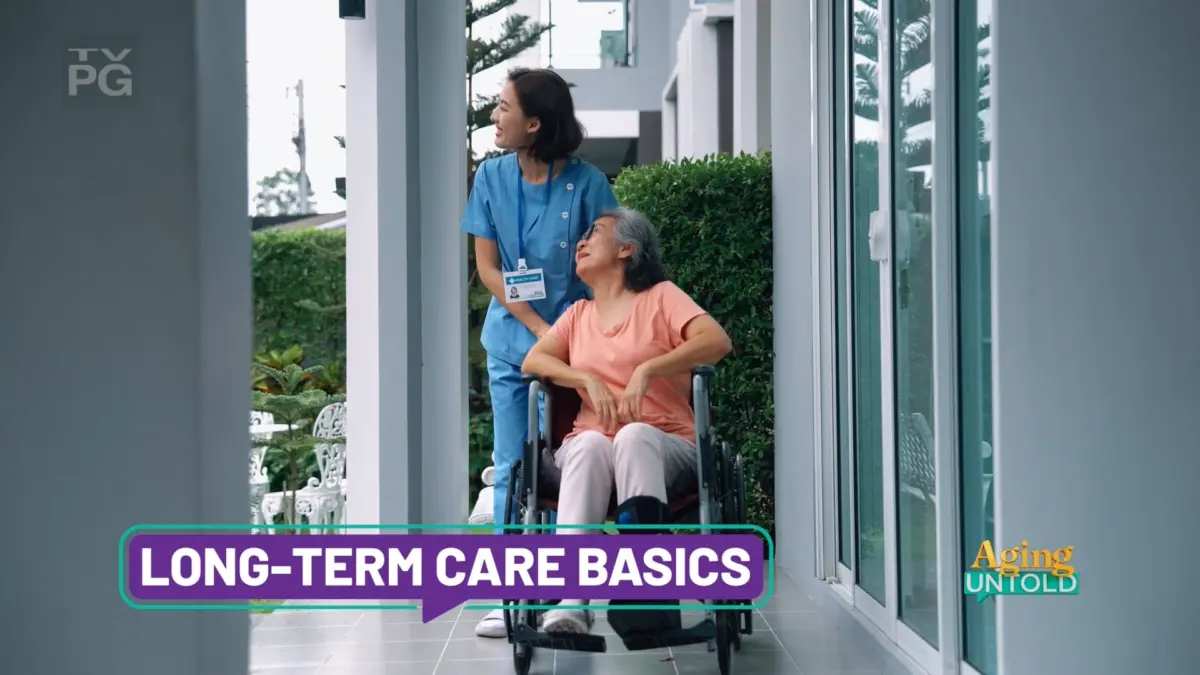
As global demographics shift and life expectancies extend, the conversation surrounding aging, healthcare, and financial security has taken on unprecedented urgency. Long-term care (LTC) remains one of the most critical yet misunderstood pillars of retirement planning. Long-term care insurance (LTCI) is designed to bridge the staggering financial gap between standard health insurance, Medicare, and the hands-on care required by individuals managing chronic conditions, cognitive decline, or physical frailty.
According to insights compiled by Aging Untold, navigating the landscape of long-term care insurance requires a sophisticated understanding of policy structures, optimal purchasing windows, elimination periods, and payout caps. Industry experts—including aging specialists, board-certified physicians, gerontologists, and aging-well coaches—emphasize that purchasing LTCI is not merely about buying care; it is about buying choices and preserving autonomy.
However, misconceptions abound. Many consumers remain dangerously underinsured, misinformed about what policies actually cover, or paralyzed by rising premiums. With metabolic diseases and chronic illnesses increasingly diagnosed in younger populations—often before the age of 50—the timeline for making crucial long-term care decisions is shifting dramatically. This comprehensive report explores the mechanics of long-term care insurance, examines the financial realities of care costs, and provides actionable guidance from leading experts on how individuals can safeguard their assets and secure their future quality of life.
Detailed Chronology: The Lifecycle of Long-Term Care Planning
Understanding how long-term care insurance functions requires examining its timeline—from the initial decision to purchase a policy, through the waiting periods, to the eventual activation of benefits. Experts break down this lifecycle into several critical phases:
Phase 1: The Optimal Purchasing Window (Ages 50 to 70)
The timeline of long-term care planning ideally begins decades before care is ever needed. Aging expert Amy O’Rourke identifies the sweet spot for purchasing a policy as being between the ages of 50 and 70.
During this window, premiums are generally more manageable, and applicants are more likely to pass underwriting health screenings. Waiting past this window can cause exponential premium hikes. Furthermore, gender plays a decisive role in pricing: statistically, women pay higher premiums than men due to longer life expectancies and a higher statistical likelihood of requiring extended care.
Phase 2: The Rising Threat of Early-Onset Chronic Conditions
Historically, long-term care insurance was viewed exclusively as a concern for retirees in their late 70s or 80s. However, modern medical insights are rewriting that timeline. Dr. Rhea Rogers, a board-certified physician, highlights a disturbing trend: individuals in their 40s are increasingly grappling with complex health issues driven by metabolic syndrome, insulin resistance, and lifestyle-related chronic diseases.
Because these medical conditions manifest earlier in life, younger adults now face difficult financial crossroads. They must weigh the pros and cons of paying lower premiums over a longer duration versus waiting until later in life, when health complications may render them uninsurable or subject them prohibitively expensive rates.
Phase 3: Navigating the Elimination Period
Once a policy is purchased and the policyholder eventually requires assistance, benefits do not begin instantaneously. Most policies enforce an "elimination period"—a waiting period analogous to a deductible, but measured in time rather than money.
According to O’Rourke, elimination periods typically range from 30, 60, to 90 days, though some rare policies feature zero-day waiting periods.
"Elimination period is, you have to pay for the care over a period of time to prove that you’re going to need it long term," O’Rourke explains. "Then after you’ve proved that you need that care… you can start the clock and start putting in the claims to get paid for the care that you’re paying for."
Phase 4: Invoking the Policy and Premium Relief
A crucial milestone in the LTC lifecycle occurs when a claim is officially approved and benefits are invoked. Gerontologist Sam Cradduck points out a major relief point for policyholders at this stage: once the policy is activated and claims begin, the requirement to continue paying monthly or annual premiums is typically waived.
Supporting Context & Metrics: The Financial Realities of Care
To appreciate the value of long-term care insurance, one must first confront the raw financial metrics of professional caregiving. "Hands-on care"—defined by O’Rourke as assistance with Activities of Daily Living (ADLs) such as bathing, dressing, and going to the bathroom—comes at a steep cost that can rapidly deplete a lifetime of accumulated savings.
The Anatomy of Payouts: Daily Caps and Lifetime Maximums
Policies do not typically write a blank check for unlimited care. Instead, they operate under two primary constraints:
- Daily Payout Caps: The maximum amount the insurance company will reimburse per day (e.g., $150, $200, or $300 per day).
- Maximum Lifetime Benefit (MLB): A cumulative ceiling on total payouts, which may range from a fixed monetary cap (such as $200,000 or $300,000) to unlimited lifetime coverage depending on the specific rider purchased.
To illustrate the stark differences in how these policies perform in the real world, Cradduck shares two contrasting client scenarios:
- Scenario A (Limited Coverage): A male client required full-time, round-the-clock care. His policy capped payouts at $200 a day, 365 days a year. While helpful, it required out-of-pocket supplementation to cover the full spectrum of his specialized needs.
- Scenario B (Robust Hybrid Coverage): Another client required intensive 24/7 care amounting to 168 hours a week. The cost approached $30,000 a month—roughly $360,000 annually. While the policy did not cover every single penny, it successfully absorbed over $200,000 annually for four consecutive years without exhausting the lifetime maximum, leaving enough runway for a decade more of care if needed.
Traditional vs. Hybrid Policies: Choosing the Right Vehicle
For decades, traditional long-term care insurance operated on a "use-it-or-lose-it" model: if a policyholder paid premiums for decades and ultimately passed away without needing nursing home or home health care, those premium dollars were forfeited to the insurer.
Today, experts like Cradduck strongly advocate for hybrid (or asset-based) policies. These modern financial instruments combine long-term care protection with a life insurance benefit or an annuity. If the policyholder needs care, the funds pay out for medical assistance. If they pass away without needing care, the death benefit is passed down to their heirs.
"There are hybrid models, and those are the ones that I really like, because if you don’t use it, then it can go into a life insurance," Cradduck notes.
Crucially, Cradduck stresses the unique nature of these contracts: "I’ve billed this stuff for years. I’ve seen all kinds of companies and different policies, and I’ve never seen two that are the same, never. So find out what you have, always."
Official Statements and Expert Perspectives
The collective wisdom of the Aging Untold panel centers on proactive strategy, individualized assessment, and the psychological value of security.
-
On the Philosophy of Coverage:
"What people have to realize is you’re not buying care here. You’re buying the choices for the care that you’re going to need." — Sam Cradduck, Gerontologist
-
On Family History and Budgeting:
"You have to look at, what is your budget. Do you have the money to do it? Do you have enough liquid income to be able to afford it? If you do have the money to afford it, do you have a family history of long-term chronic diseases—like is there Parkinson’s or Alzheimer’s or something that you’re maybe at a higher risk for needing long-term care?" — Amy O’Rourke, Aging Expert
-
On the Dangers of Procrastination:
"Planning creates options. If you don’t plan in advance, you’re going to lose options. You’re going to lose having a choice, and maybe lose out on all the money that you’ve paid in. Pull that policy out right now and get with a local professional that can help explain exactly what you have." — Katherine Ambrose, Aging-Well Coach
-
On Early Metabolic Declines:
"Why are people in their 40s, 45, having these health issues? The state of health of the country and all of us right now is people are getting sicker at earlier ages… So, a lot of people who have these medical conditions are now under the age of 50. So they have to make a decision, do I pay a little bit more longer to get what I need or do I wait ’til later and pay more." — Dr. Rhea Rogers, Board-Certified Physician
Future Outlook: Preparing for the Decades Ahead
As healthcare costs continue to outpace general inflation, the landscape of elder care is undergoing a profound structural evolution. Looking toward the future, several trends will dictate how individuals approach long-term care insurance:
- Stricter Underwriting and Evolving Products: Insurance carriers are continuously refining their risk models. As metabolic disorders and early-onset chronic illnesses become more prevalent, underwriting standards may tighten, making early planning even more critical. Insurers are expected to lean heavily into hybrid and asset-based products, phasing out older, volatile standalone policies.
- Technological Integration in Caregiving: The definition of "long-term care" is expanding beyond institutional nursing homes to include aging-in-place technologies, telemedicine, and specialized home modifications. Future policies may offer broader reimbursement parameters that adapt to tech-enabled caregiving models.
- The Imperative of Professional Audits: Because no two insurance contracts are alike, consumers are increasingly turning to specialized financial advisors, gerontologists, and elder law attorneys to audit their existing coverage. Uncovering hidden policy riders, inflation-protection add-ons, and shared-care options (which allow spouses to pool their benefits) can spell the difference between financial security and sudden destitution.
Conclusion and Key Takeaways
Long-term care insurance is not a one-size-fits-all commodity; it is a complex financial instrument that requires careful calibration against personal health histories, family longevity trends, and household budgets. By evaluating policies within the ideal 50-to-70 age window, understanding elimination periods, exploring flexible hybrid models, and consulting with qualified professionals, individuals can retain their dignity, protect their hard-earned assets, and ensure they dictate the terms of their care when they need it most.
For additional guidance and trusted advice on caregiving and long-term care strategy, individuals are encouraged to consult authoritative resources such as the AARP Long-Term Care Guide.
Disclaimer: This report is provided for educational and informational purposes only and does not constitute medical, legal, or financial advice. Readers should consult with licensed financial planners, insurance brokers, and medical professionals regarding their specific circumstances.

0 Comments