

Executive Overview
GREENVILLE, S.C. — In the quiet hours of early parenthood, a profound paradox often plays out in households across America: while society meticulously prepares expectant parents for the mechanics of newborn care—swaddling techniques, diaper logistics, and soothing methods for inconsolable crying—it largely leaves the mother to navigate the seismic emotional and physical transformation of the "fourth trimester" entirely on her own.
Recognizing this critical systemic void, a new community-based initiative has taken root in Greenville, South Carolina. Founded by mother-of-two Nicole Parmelee, the New Moms School is an eight-week intensive support program designed to bridge the chasm between clinical postnatal checkups and the grueling, often isolating reality of daily life with a newborn. The program pairs vulnerable new mothers with a rotating roster of specialized professionals—including relationship counselors, pediatric and positive parent coaches, licensed therapists, lactation consultants, and speech-language pathologists—while deliberately fostering an organic, peer-to-peer community network.
This comprehensive report explores the genesis of the New Moms School, the hidden physical and mental health challenges of the postpartum period that traditional medicine frequently overlooks, the structure of this pioneering intervention, and what experts believe this model means for the future of maternal healthcare in the United States.
Detailed Chronology: From Personal Isolation to Community Action
The Catalyst of the Fourth Trimester
The concept for the New Moms School did not emerge from a sterile boardroom or academic think tank; it was born out of raw, lived experience. When Nicole Parmelee welcomed her first child, she anticipated the standard sleep disruptions associated with early motherhood. However, she was entirely unprepared for the overarching psychological weight and physical toll that followed her discharge from the hospital.
"They prepare you for how to swaddle a baby, how to change a diaper, you know, how to respond to your baby’s cries, but they don’t prepare the mother for how they might feel," Parmelee reflects.
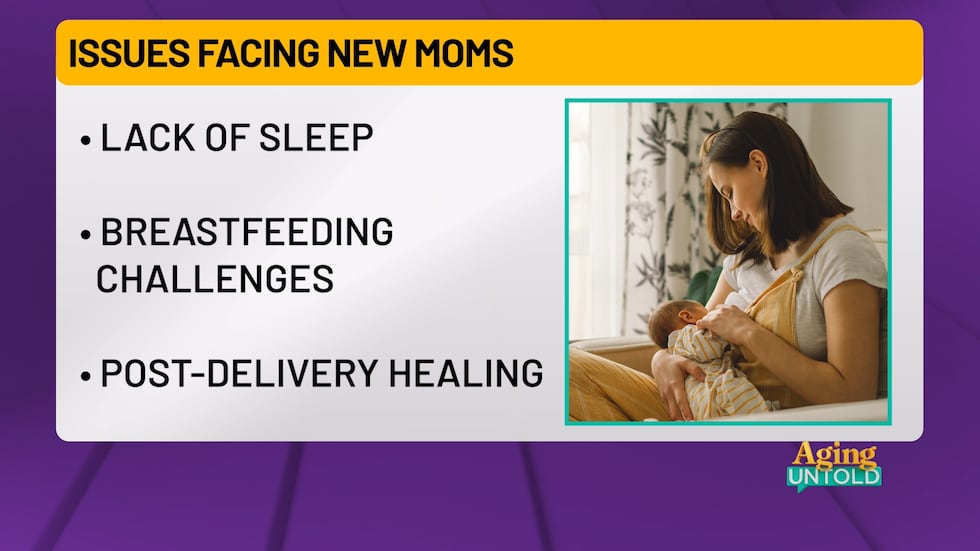
For months, Parmelee found herself cycling through relentless sleep deprivation, the steep and often painful learning curve of breastfeeding, and the slow, uncomfortable process of physical recovery. More damaging than the physical fatigue, however, was the profound isolation.
"It was very isolating," she recalls. "You’re constantly questioning yourself, wondering if you’re doing things the right way, wondering if this is normal."
Uncovering the Medical Blind Spot
One of the most striking realizations during Parmelee’s early motherhood journey was the pervasive normalization of postpartum morbidity within the standard medical establishment. Like countless women before her, Parmelee experienced common physical side effects following childbirth that she initially believed were inescapable realities of having a baby.
"I never knew there was a pelvic floor physical therapist," Parmelee says, highlighting a glaring omission in routine postpartum care discussions. "Everyone tells you when you go to the doctor, if you, ‘Oh, I’m peeing when I sneeze’, or ‘I’m peeing when I laugh or jump’ and they’re like, ‘That’s normal. That happens.’"
It was only through independent research and networking that Parmelee discovered that urinary incontinence, pelvic pain, and core instability following childbirth are common, but they are certainly not normal or permanent conditions that women should simply accept. This realization served as a vital turning point, exposing a systemic failure in how postpartum women are educated about their own physical rehabilitation. Determined that other women should not have to stumble blindly toward recovery, Parmelee conceptualized a structured environment where mothers could receive holistic guidance, clinical expertise, and unvarnished peer support from day one.
Supporting Context & Metrics: The Crisis of Postpartum Care in America
To fully understand the necessity of the New Moms School, one must examine the broader landscape of maternal health in the United States, particularly the stark reality of the postpartum period.
The Maternal Health Desert
The United States consistently lags behind other high-income nations regarding maternal morbidity and mortality. While a tremendous amount of medical attention and financial investment is directed toward prenatal care—frequent ultrasounds, obstetrician visits, and dietary monitoring—care drops off a cliff the moment the baby is born. Typically, a new mother is sent home from the hospital and not seen by her obstetrician again until a single postpartum checkup at six weeks.
During those critical first six weeks, a woman undergoes rapid hormonal shifts, sleep deprivation that rivals clinical torture methods, potential surgical recovery from a C-section, and the high-stakes navigation of infant feeding. To expect a mother to navigate this labyrinth alone, with only a solitary appointment six weeks later to assess her physical and mental well-being, is a structural failure of public health.
The Ripple Effect: Mental Health and Family Dynamics
The psychological toll of this transition is well-documented. According to the Centers for Disease Control and Prevention (CDC), perinatal mood and anxiety disorders (PMADs), including postpartum depression and anxiety, affect roughly 1 in 5 women. Yet, a vast majority of these cases go undiagnosed or untreated due to social stigma, lack of screening, and isolation.
Parmelee’s curriculum is built upon a fundamental axiom of family wellness: "If mom is happy, baby’s happy, family’s happy." Clinical studies continually validate this perspective. Maternal stress is directly linked to infant regulation issues, difficulties in bonding, and long-term strain on marital and domestic partnerships. By investing in the mother’s cognitive, emotional, and physical recovery, the New Moms School acts as a preventative buffer against severe postpartum psychological crises.
Official Statements & Program Architecture: Inside the Eight-Week Curriculum
The New Moms School operates as a multidisciplinary incubator for maternal well-being. Spanning eight weeks, the program is deliberately crafted to dismantle the isolation of early motherhood by bringing specialized experts directly to the women, while simultaneously weaving a durable safety net of peer support.
Multidisciplinary Expert Engagement
Each week of the program introduces participants to licensed professionals who specialize in specific pillars of postnatal health and family dynamics. The roster includes:
- Licensed Relationship Counselors: To help couples navigate the profound identity shift and relational stress that often accompanies the arrival of a first (or subsequent) child.
- Positive Parent Coaches: To provide evidence-based, empathetic guidance on early childhood development and behavioral expectations.
- Postpartum Therapists: Offering safe spaces to process the identity grief, anxiety, and depressive symptoms that frequently manifest during the fourth trimester.
- International Board Certified Lactation Consultants (IBCLCs): Providing hands-on, troubleshooting support for the complex mechanical and emotional challenges of breastfeeding.
- Speech-Language Pathologists: Educating mothers on early oral motor development, tongue-tie recognition, and foundational communication milestones.
Fostering Organic Community
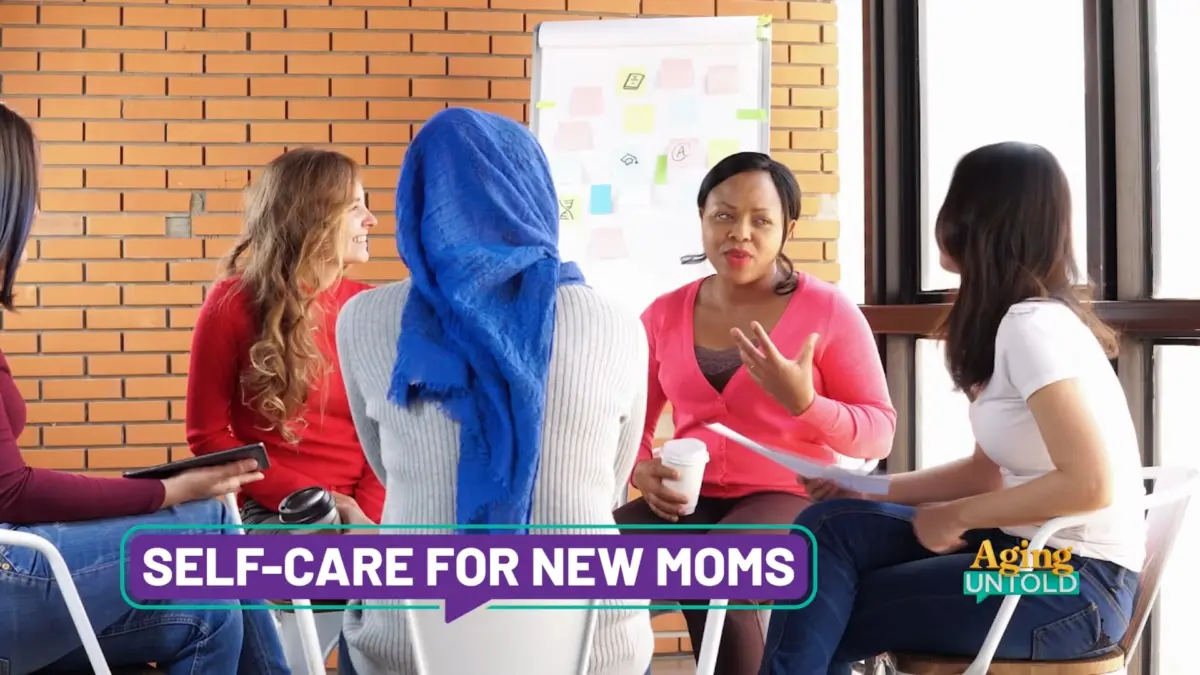
Beyond clinical access, the New Moms School recognizes that modern mothers often lack the traditional "village" of extended family living nearby. To counteract this, the program places heavy emphasis on building localized peer networks.
"So not only are we providing them with the experts from the community, but we’re also helping them build their own community," Parmelee explains. "We encourage the moms to get together outside of class. We will put them in a Facebook group so they have contact with each other, we’ll, you know, get a group chat going."
This deliberate facilitation transforms classrooms of strangers into tight-knit cohorts who text each other at 3:00 AM about cluster feeding, share recommendations for local pediatricians, and celebrate milestones together.
"That’s just women supporting other women, and we really need more of that," Parmelee emphasizes.
Future Outlook: Reimagining Postpartum Care Models
As the New Moms School gains traction in Greenville and draws attention from regional health advocates, the broader implications for maternal care in America are profound. Programs like Parmelee’s point toward a decentralized, community-driven future where the burden of postpartum recovery is no longer borne in silence.
Scalability and Integration
Public health experts are increasingly looking at grassroots initiatives like the New Moms School as templates for structural reform. While major hospital networks excel at acute obstetrical interventions, they frequently lack the bandwidth to provide the continuous, community-oriented socialization and holistic counseling new mothers require.
Future iterations of these programs could see formal partnerships between private-venture mom schools and regional healthcare systems, allowing pediatricians and OB-GYNs to "prescribe" postpartum support groups as a standard part of discharge planning. Furthermore, expanding these models into virtual formats could democratize access for rural mothers who live hours away from specialized pelvic floor therapists, lactation consultants, or postpartum support circles.
Cultural Shift in Motherhood
Beyond clinical metrics and program logistics, the ultimate success of initiatives like the New Moms School lies in cultural transformation. By openly discussing the messy, unvarnished realities of the fourth trimester—from pelvic floor dysfunction to the identity crisis of matrescence—founders like Nicole Parmelee are helping to dismantle the myth of the "effortless mother."
As these conversations move from the shadows into well-lit community rooms and active group chats, a new generation of mothers is being equipped not just to survive the postpartum period, but to reclaim their health, build resilient communities, and step into motherhood with confidence and institutional backing.
For more information on the New Moms School and upcoming cohort schedules in Greenville, South Carolina, visit local community health boards or maternal advocacy networks.

0 Comments