

Executive Overview
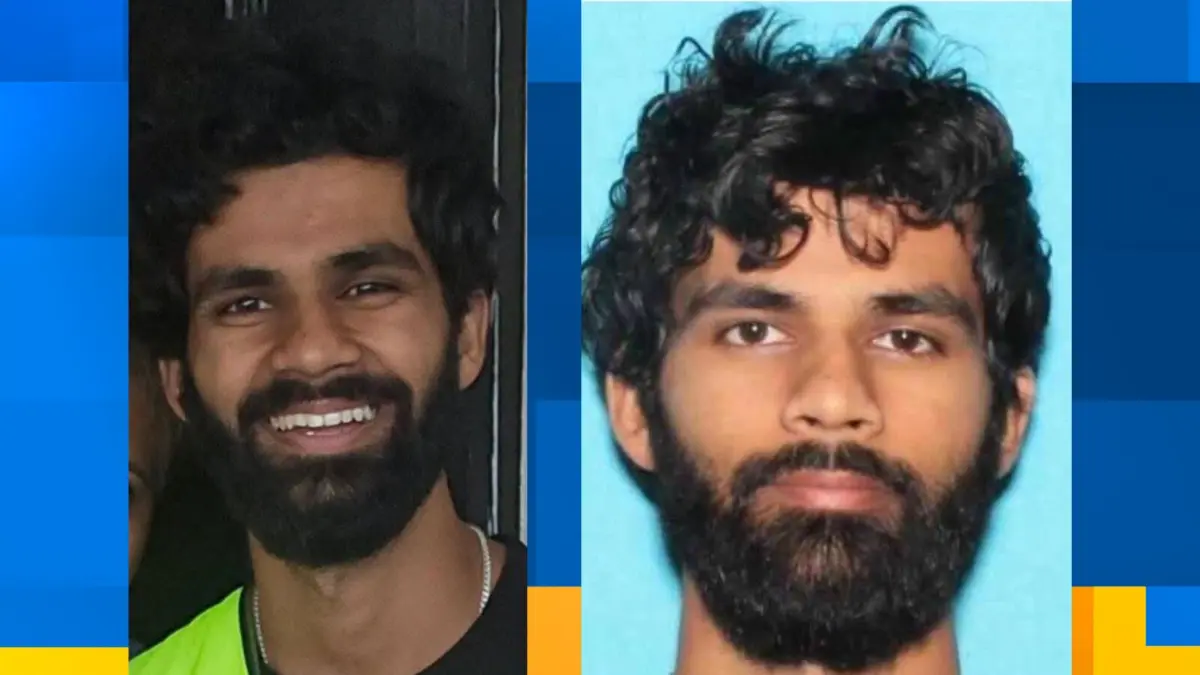
BLOUNT COUNTY, Tenn. — What was intended to be a routine wilderness excursion into the breathtaking expanses of the Great Smoky Mountains National Park ended in profound heartbreak with the death of 24-year-old Sahil Jilani. The young Texas native, described by those who knew him as a compassionate and deeply devoted son and brother, went missing last week, touching off a multi-day search and rescue operation that ultimately ended in tragedy when his body was recovered near the treacherous currents of Abrams Falls.
Jilani’s disappearance not only underscores the unforgiving nature of America’s most-visited national park, but it has also brought national attention to critical issues surrounding emergency response protocols in cellular dead zones, wilderness safety, and the unseen hazards of seemingly serene natural waterways. While official investigative reports from park authorities remain pending, Jilani’s family has courageously stepped forward to channel their grief into advocacy. They are campaigning for heightened water safety awareness, improved protocols for remote welfare checks, and better preparation for adventurers entering America’s backcountry.
This comprehensive report examines the timeline of the search operation, the emotional toll on the grieving Jilani family, the logistical challenges of executing search-and-rescue missions in rugged national parks, and the broader lessons the outdoor recreation community must learn to prevent future tragedies.
Detailed Chronology of Events
The sequence of events leading to the discovery of Sahil Jilani’s body highlights the swift progression from a routine solo outing to a critical missing person emergency.
Monday: The Last Known Sighting
Sahil Jilani, a resident of Houston, Texas, was visiting East Tennessee as part of his travels. According to Great Smoky Mountains National Park officials, Jilani was last seen at approximately 8:00 p.m. on Monday at the Riverstone Campground located in Townsend, Tennessee. At the time, nothing appeared out of the ordinary. Like thousands of outdoor enthusiasts who flock to the foothills of the Smokies each year, Jilani planned to take advantage of the region’s world-class hiking trails.
However, Jilani was known to maintain strict communication habits with his tight-knit family back home. For a young man who routinely checked in with his mother and siblings multiple hours a day, an abrupt silence was entirely out of character.
Tuesday: Growing Concern and Cellular Silence
By Tuesday, the family’s anxiety escalated rapidly. Jilani’s mobile phone had become entirely untraceable, its location-sharing feature freezing abruptly in what the family later realized was a notorious cellular dead zone within the park’s rugged interior.
Sensing that something was fundamentally wrong—an intuition driven by deep maternal instinct—the family attempted to secure immediate assistance. According to Jilani’s sister, Asma Jilani Bustamante, the family reached out to park rangers on Tuesday to request a welfare check. However, initial requests were met with standard institutional pushback; rangers informed the family that hikers losing cellular service and dropping off the grid is a frequent, routine occurrence in the mountainous terrain, and advised patience.
Wednesday: Discovery of the Vehicle
The gravity of the situation crystallized on Wednesday when searchers and law enforcement officials located Jilani’s abandoned vehicle parked near the Abrams Falls trailhead. The discovery shifted the focus of the informal inquiries into a targeted search operation. Abrams Falls—a massive, 20-foot-high waterfall located in Cades Cove—is one of the park’s most popular destinations, drawing hundreds of visitors daily. Yet, despite its heavy foot traffic, the deep pool at the base of the waterfall and the surrounding slick rock terrain harbor notoriously powerful, deceptive underwater currents.
Thursday: Recovery at Abrams Falls
The multi-day search reached its devastating conclusion on Thursday. Specialized dive teams deployed by rescue authorities recovered Jilani’s body from the churning waters at the base of Abrams Falls. Investigators also discovered his personal belongings—including his mobile phone, keys, and clothing—neatly deposited near the shoreline close to the falls.
While official medical examiner reports and park service incident logs are still pending, preliminary assessments by grieving family members strongly indicate that Jilani was swept away by the punishing currents near the waterfall while attempting to explore or refresh near the water’s edge.
Supporting Context & Metrics: The Perils of the Great Smoky Mountains
To understand the context of Sahil Jilani’s death, one must examine the operational realities of the Great Smoky Mountains National Park and the specific hazards associated with its aquatic environments.
The Scale of the Smokies
Spanning over 500,000 acres across the border of North Carolina and Tennessee, the Great Smoky Mountains National Park is America’s most visited national park, routinely welcoming upwards of 12 to 14 million recreational visitors annually. This immense volume of foot traffic places an extraordinary burden on park rangers, search-and-rescue (SAR) teams, and medical responders who must patrol dense forests, steep ridges, and hundreds of miles of backcountry trails.
The Hidden Dangers of Abrams Falls
While waterfalls are among the primary attractions for tourists visiting the southern Appalachians, they are also among the deadliest natural features in the park system. Abrams Falls is named after a Cherokee chief whose village was once nearby, but today the site is frequently associated with water-related emergencies.
The danger at Abrams Falls does not solely stem from the height of the drop, but from the physics of the plunge pool below. Water cascading over the falls creates powerful, churning hydraulic currents and undercurrents capable of dragging even strong swimmers underwater or pinning them against submerged boulders. Park officials routinely warn visitors against swimming in park streams and waterfall pools, noting that slick rocks, powerful currents, and freezing water temperatures can induce sudden cold-water shock or sweep individuals off their feet with little warning.
The Communication Gap in Wilderness Areas
Jilani’s case highlights a persistent logistical nightmare for modern search-and-rescue operations: cellular dead zones. While smartphones have become ubiquitous safety tools equipped with GPS and tracking software, they are virtually useless in the deep valleys and heavily forested gorges of the Smokies. When a hiker stops transmitting data, it is often impossible for authorities to determine whether the individual is simply enjoying a digital detox out of range, or fighting for their life in a remote ravine. This ambiguity frequently creates a critical time-lag between the onset of an emergency and the deployment of SAR assets.
Official Statements and Family Tribute
The tragedy has left an indelible mark on the Jilani family, who have chosen to honor Sahil’s memory not with silence, but by speaking out about his life, his character, and the lessons to be drawn from his passing.
A Sister’s Tribute
In a statement shared with the public, Asma Jilani Bustamante painted a vivid picture of a young man whose life was defined by selflessness, ambition, and deep familial devotion:
"With heavy hearts, we share the loss of our beloved brother, Sahil Jilani… Sahil was a pure, kind, generous soul who always cared for others. He dreamed of helping Mom retire, taking on her bills and helping Dad with dental procedures. A new uncle, he couldn’t wait to spoil his niece and teach her martial arts and self-defense. His absence leaves an irreplaceable void."
Bustamante also detailed the harrowing initial hours of uncertainty, recounting how their mother’s intuition sounded the alarm long before official protocols could catch up:
"He never went hours without checking in, but his location sharing stopped in a dead zone. We requested a welfare check from rangers the next day, but were told hikers often lose service. We kept requesting help as our fear grew."
The psychological toll on the family has been profound. Bustamante shared that their mother was hospitalized following the devastating news "after losing her precious son."
Turning Grief Into Advocacy
Refusing to let her brother’s death pass without purpose, Bustamante has launched a public safety crusade centered on water awareness and wilderness preparedness.
"I am determined to honor Sahil by helping save lives. If his story saves even one life, his memory will continue to protect others," Bustamante said.
Her message to fellow outdoor enthusiasts is both a plea and a warning:
"Beauty can turn deadly in an instant. Please heed warning signs, especially where lives have been lost. Share travel plans, prepare for cellular dead zones and consider carrying a satellite communication device in remote areas. An upset or disappointed loved one who turns back from dangerous water is infinitely better than a deceased one."
Community Support and Fundraisers
To assist with the immense logistical and financial burdens resulting from the tragedy—including transporting Sahil’s body back home to Houston, Texas, covering medical expenses for their hospitalized mother, and managing other related costs—the Jilani family has established a verified community fundraising campaign. Supporters nationwide have rallied around the family through platforms like GoFundMe, offering financial assistance, condolences, and pledges to share Sahil’s cautionary story.
Future Outlook: Lessons for Wilderness Safety and Search Protocols
As official reports from the National Park Service and local investigators are finalized, Sahil Jilani’s tragic death is expected to prompt renewed discussions among park administrators, safety advocates, and lawmakers regarding backcountry safety protocols.
Re-evaluating Initial Response Thresholds
One of the most sensitive aspects of the Jilani family’s experience is the initial hesitation park rangers expressed when asked to perform a welfare check. While SAR personnel face thousands of false alarms annually from overdue hikers or lost cellular signals, advocacy groups are increasingly arguing that family intuition—especially when backed by documented communication patterns—should trigger earlier investigative steps. Balancing the operational constraints of undermanned park services with the urgent needs of families in distress remains a delicate challenge for park management across the United States.
The Push for Satellite Communication Technology
Experts in outdoor survival hope that Jilani’s story will accelerate the cultural shift toward universal satellite messaging devices. Traditional cellular phones are fundamentally unsuited for deep-woods exploration. Devices such as Garmin inReach, Apple’s Satellite SOS feature, and other dedicated two-way satellite communicators allow adventurers to maintain check-ins and transmit precise GPS coordinates regardless of local cellular infrastructure. Industry advocates are pushing for national parks to offer rental programs for these devices at major trailheads to bridge the technology gap for casual tourists.
Enhancing Water Safety Infrastructure
Finally, park officials and safety committees are likely to review the signage, physical barriers, and public education campaigns surrounding high-risk water features like Abrams Falls. While natural parks strive to preserve wilderness aesthetics without turning landscapes into overly manicured tourist traps, high-fatality locations frequently require aggressive, highly visible warnings to combat the false sense of security that placid hiking trails often project.
As the Jilani family prepares to lay Sahil to rest in Houston, his legacy is destined to endure—not only in the cherished memories of those he loved and supported, but as a protective warning that echoes through the misty valleys of the Great Smoky Mountains, reminding future generations to respect the immense, unyielding power of the wild.

0 Comments