When the word "Florida" is spoken, the mind naturally conjures images of endless white-sand beaches, emerald-green freshwater springs, and iconic roadside Americana. However, beneath the veneer of its notoriously flat topography lies a surprisingly diverse, geographically scattered, and ecologically significant network of waterfalls. Ranging from dramatic geological sinkhole drops in the northern panhandle to serene, masterfully landscaped cascades in South Florida’s cultural centers, these aquatic features offer travelers and environmental enthusiasts an entirely different perspective of the Sunshine State.
This comprehensive investigative guide explores the hydrological phenomena, regional distribution, and ecological importance of Florida’s waterfalls. Whether natural wonders carved by limestone dissolution or architectural marvels engineered to echo ancient traditions, these sites challenge the flatland stereotype. Designed for hikers, conservationists, and road-trip aficionados, this report provides a detailed roadmap for experiencing these hidden spectacles, complete with preparation protocols and regional breakdowns.
Detailed Chronology: The Evolution of Florida’s Water Features
While Florida’s topography was shaped largely over millions of years by fluctuating sea levels, marine sedimentation, and limestone dissolution—a process known as karst topography—the state’s waterfalls have their own distinct evolutionary timelines, categorized primarily into natural geological formations and intentional human engineering.
Prehistoric and Natural Genesis (Karst Topography)
Millions of years ago, the Florida peninsula emerged from the sea as a vast plateau of porous limestone. As acidic rainwater seeped into the ground, it dissolved the bedrock beneath, creating subterranean river systems, caves, and sinkholes.
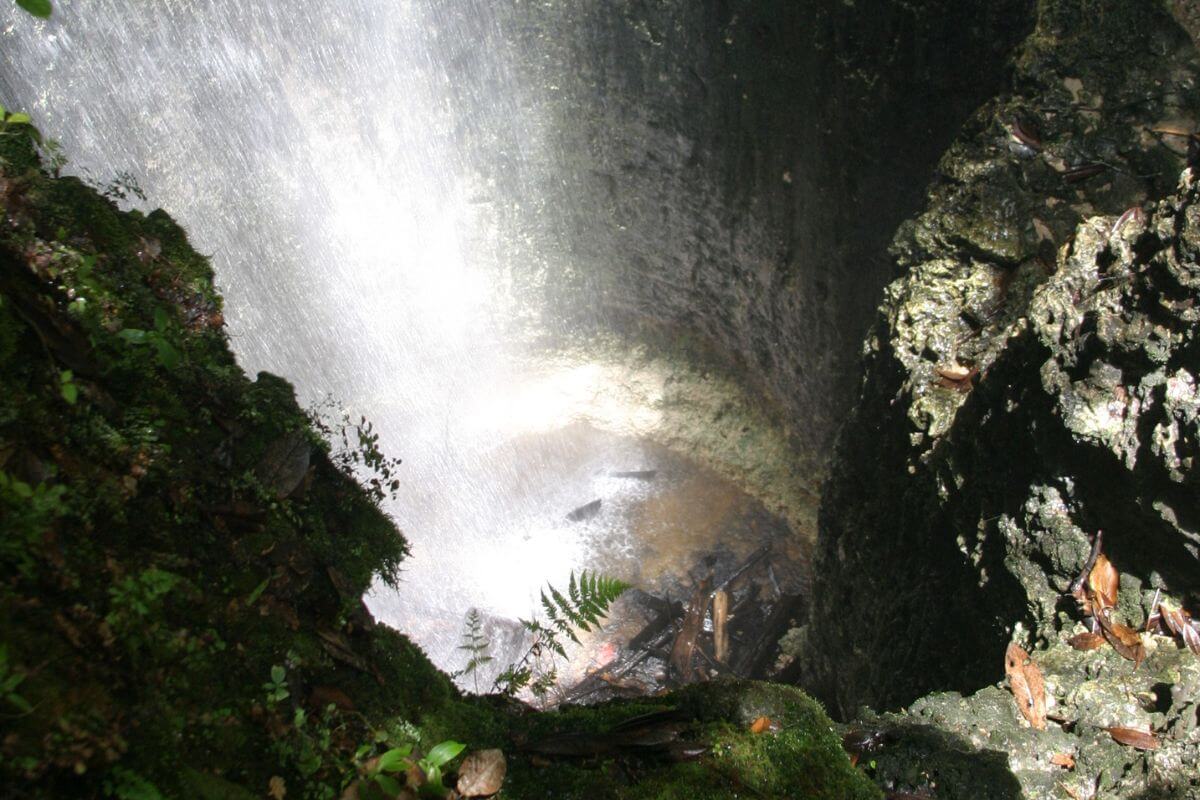
The Panhandle Phenomenon: Sites like Falling Waters State Park are products of this dynamic karst landscape. Streams flowing across the surface occasionally encounter massive sinkholes, plunging underground in dramatic fashion. The state’s tallest waterfall, dropping 73 feet into a 100-foot-deep sinkhole, is a direct result of this ancient erosional and collapse activity.
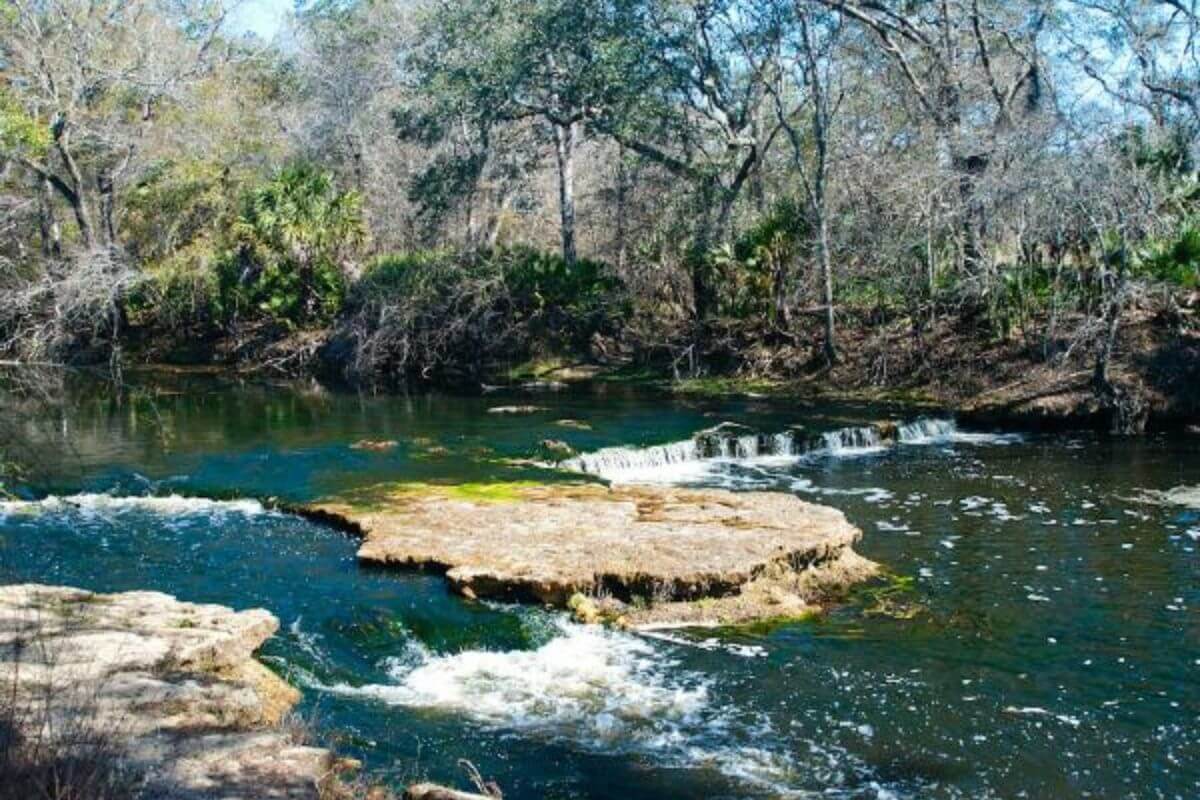
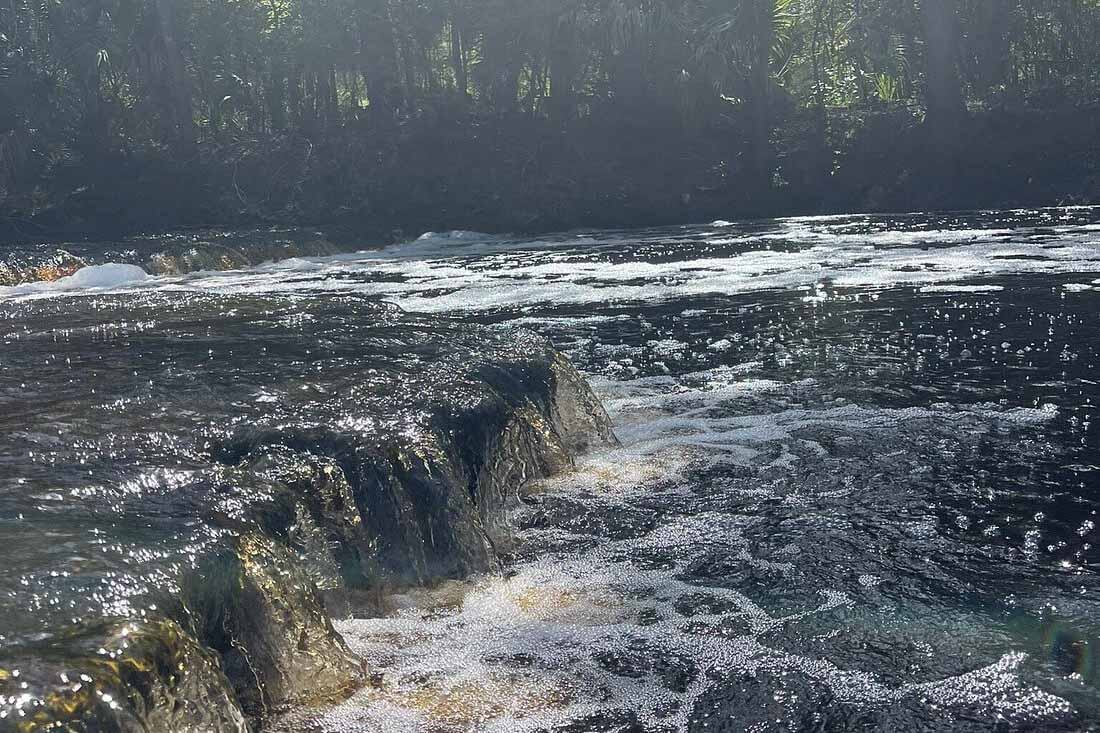
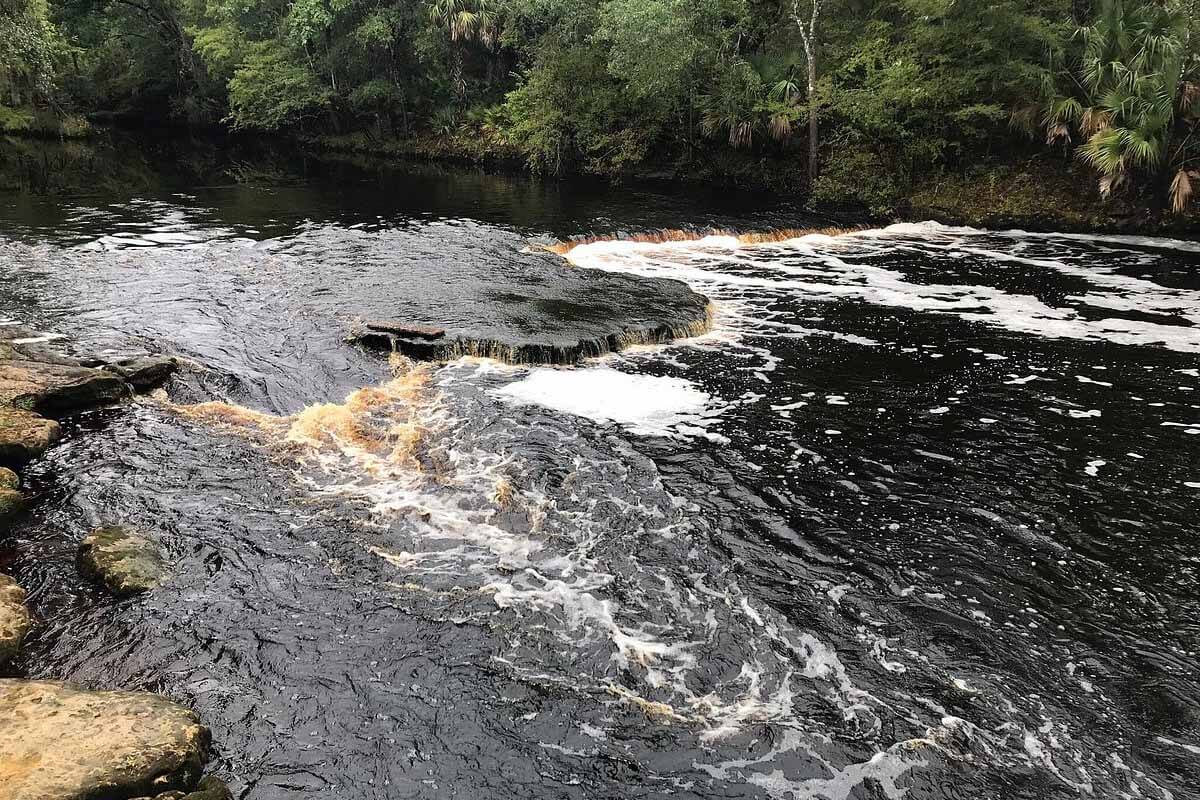
Riverine Thresholds: In regions like North Central Florida, the topography drops slightly over resistant limestone ledges, creating low-head rapids and miniature waterfalls such as Steinhatchee Falls. These formations have served as vital ecological flashpoints and historical human crossing points for centuries, utilized by indigenous peoples and early European settlers alike.
The Modern Conservation and Engineered Era (20th Century to Present)
As Florida developed throughout the 20th century, the state’s relationship with water evolved from purely utilitarian to conservation-minded and aesthetic.
Preservation and Parks: Beginning in the mid-20th century, public agencies—such as the Florida Park Service and various regional water management districts—began acquiring and preserving environmentally sensitive lands containing these unique hydrological features (e.g., Rainbow Springs and Hidden Waters Preserve).
Cultural Integration: Concurrently, landscape architects began integrating engineered water features into public spaces to foster tranquility and cultural exchange. A prime example is the development of the Morikami Museum and Japanese Gardens in Delray Beach, established in the late 20th century to honor Japanese heritage through meticulously sculpted naturalistic waterfalls and koi ponds.
Supporting Context & Metrics: Geographic Distribution and Hydrology
Operating outside the conventional image of the state, Florida’s waterfalls are distributed unevenly across distinct geographic regions, each governed by unique hydrological conditions.
Regional Breakdown of Notable Waterfalls
Region
Waterfall / Location
Primary Geographic Feature
Drop Height / Scale
Northwest Florida
Falling Waters State Park
Deep limestone sinkhole
73-foot vertical drop
North Central Florida
Steinhatchee Falls
Limestone shelf on river
~4-foot drop
Northeast Florida
Bulls Bay Preserve
Wetland stream elevation change
Small stream cascade
Central West Florida
Rainbow Springs State Park
Spring-fed jungle run
Scenic limestone ledge cascade
Central Florida
Hidden Waters Preserve
Spring-fed sinkhole pool
Small natural flow
Central East Florida
Boonie Falls (Little Big Econ)
Riverine creek feature
Small, secluded drop
Southeast Florida
Morikami Japanese Gardens
Artificially landscaped gardens
Multi-tiered cultural cascade
Hydrological Considerations
Unlike mountainous regions where snowmelt or high-altitude precipitation drives year-round torrents, Florida’s waterfalls are heavily dependent on local rainfall, seasonal water table fluctuations, and spring discharge rates. During periods of drought, features like Boonie Falls or smaller seasonal creeks may experience reduced flow or complete dry spells. Conversely, heavy tropical storm systems and seasonal rainy periods can dramatically increase water volume, turning gentle streams into powerful displays of natural force.
Official Statements and Conservation Insights
Managing and protecting these delicate ecosystems requires careful oversight from state and local authorities. Wildlife and park officials continually balance public access with environmental preservation.
"The unique geological formations found in our state parks—particularly karst-driven features like the sinkhole at Falling Waters—offer visitors a rare glimpse into the complex subterranean systems that define Florida’s aquifer. Our mission is to provide safe access to these natural wonders while safeguarding the surrounding native pine forests and fragile watersheds for future generations."
— Florida State Parks Directorate
Conservationists emphasize that despite their aesthetic appeal, waterfall sites in Florida are frequently situated within sensitive wetlands or protected state forests.
Ecosystem Protection: Agencies like the Florida Fish and Wildlife Conservation Commission (FWC) and the Lake County Water Authority stress the importance of staying on marked trails. Off-trail hiking can accelerate soil erosion around steep sinkhole edges and disrupt the habitats of native flora and fauna, including gopher tortoises, wading birds, and various amphibian species.
Water Quality: Because many of these waterfalls are tied directly to the Floridan Aquifer—the primary source of drinking water for millions of residents—maintaining strict water quality standards and preventing pollution in surrounding recharge areas remains a top priority for regional water management districts.
Preparing for Your Florida Waterfall Expedition
Embarking on a road trip to discover Florida’s waterfalls requires a distinct approach compared to traditional beach excursions or mountain hiking. Because the state’s climate can be humid and unpredictable, adherence to safety and preparation protocols is essential.
Essential Gear and Supplies
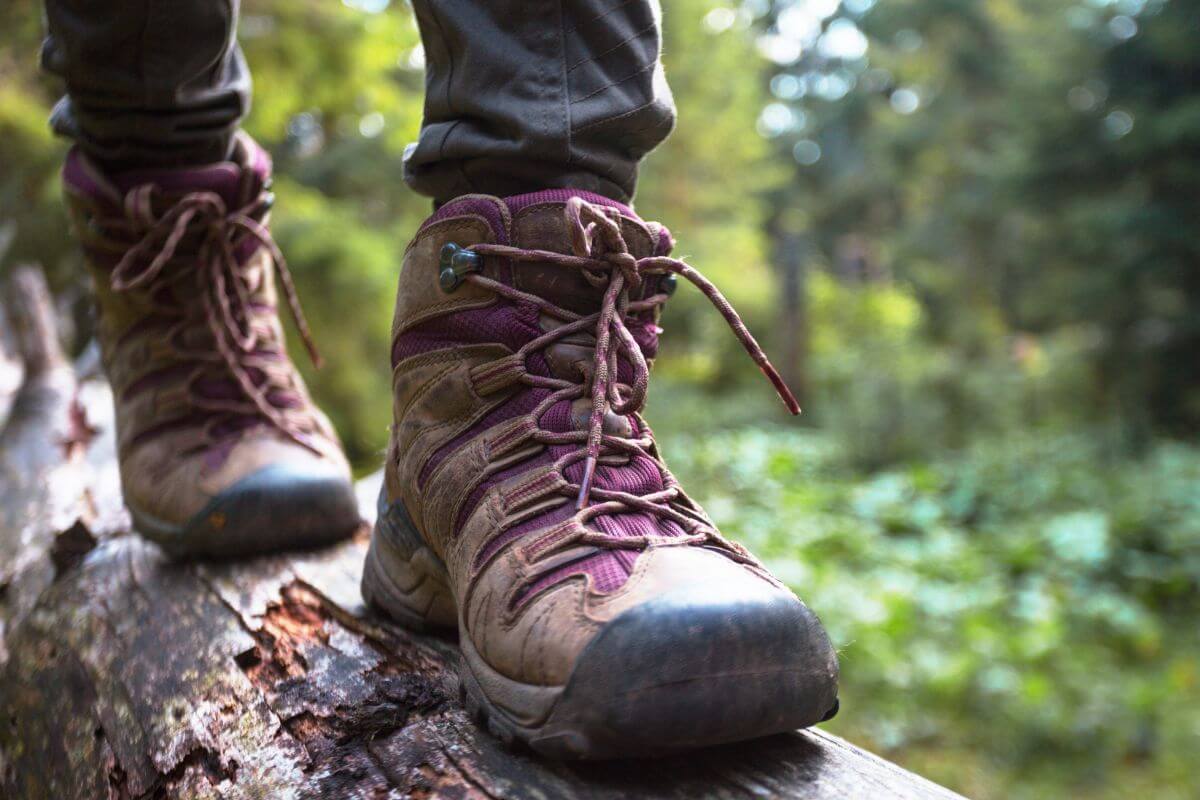
Footwear: Sturdy hiking boots or closed-toe trail shoes with good traction are critical. Trails near rivers, swamps, and sinkholes can become slick, muddy, or root-heavy, particularly after rainstorms.
Hydration and Nutrition: Pack ample drinking water and high-energy snacks. While some state parks offer amenities, remote preserves may lack potable water sources.
Protection from the Elements: High humidity makes insect repellent and broad-spectrum sunscreen mandatory. Lightweight, moisture-wicking clothing will keep hikers comfortable.
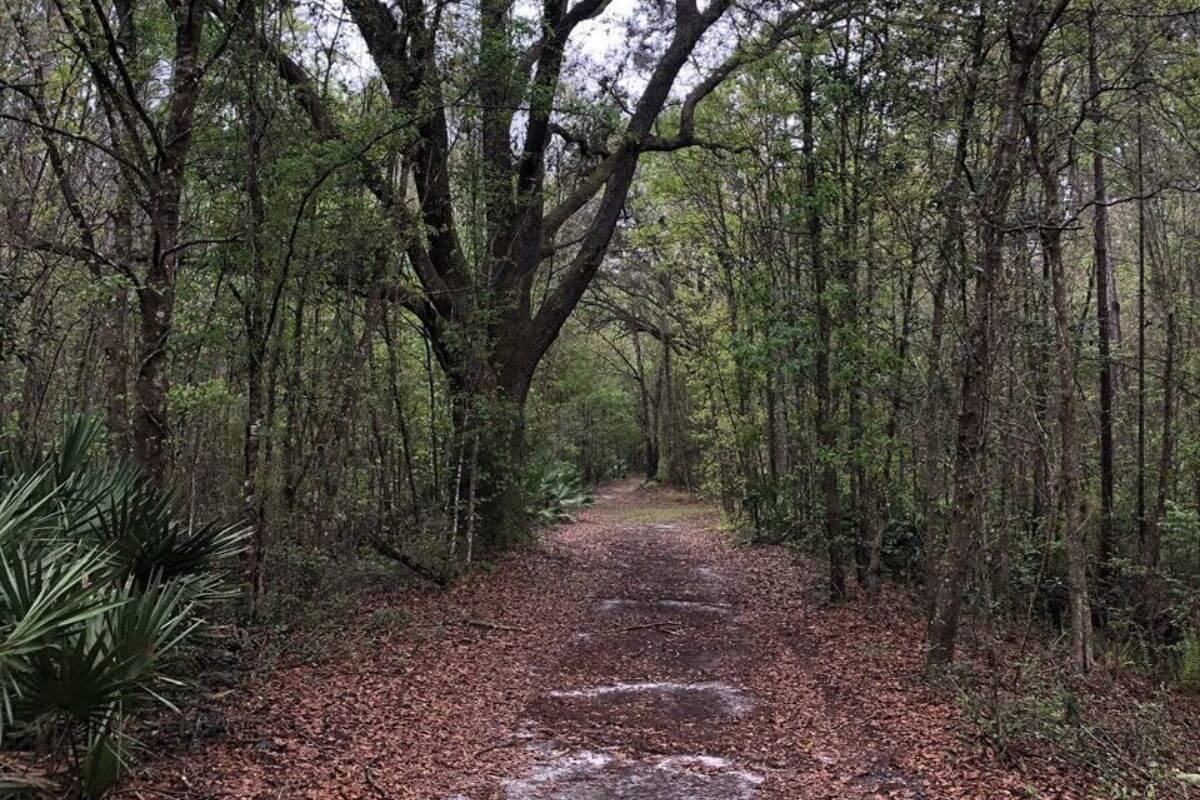
Safety Precautions: Always check local weather forecasts and trail conditions prior to departure. Inform a trusted contact of your intended route and expected return time, especially when exploring lesser-known trail networks like those in Little Big Econ State Forest or Bulls Bay Preserve.
Detailed Regional Spotlights
Northwest Florida: Falling Waters State Park
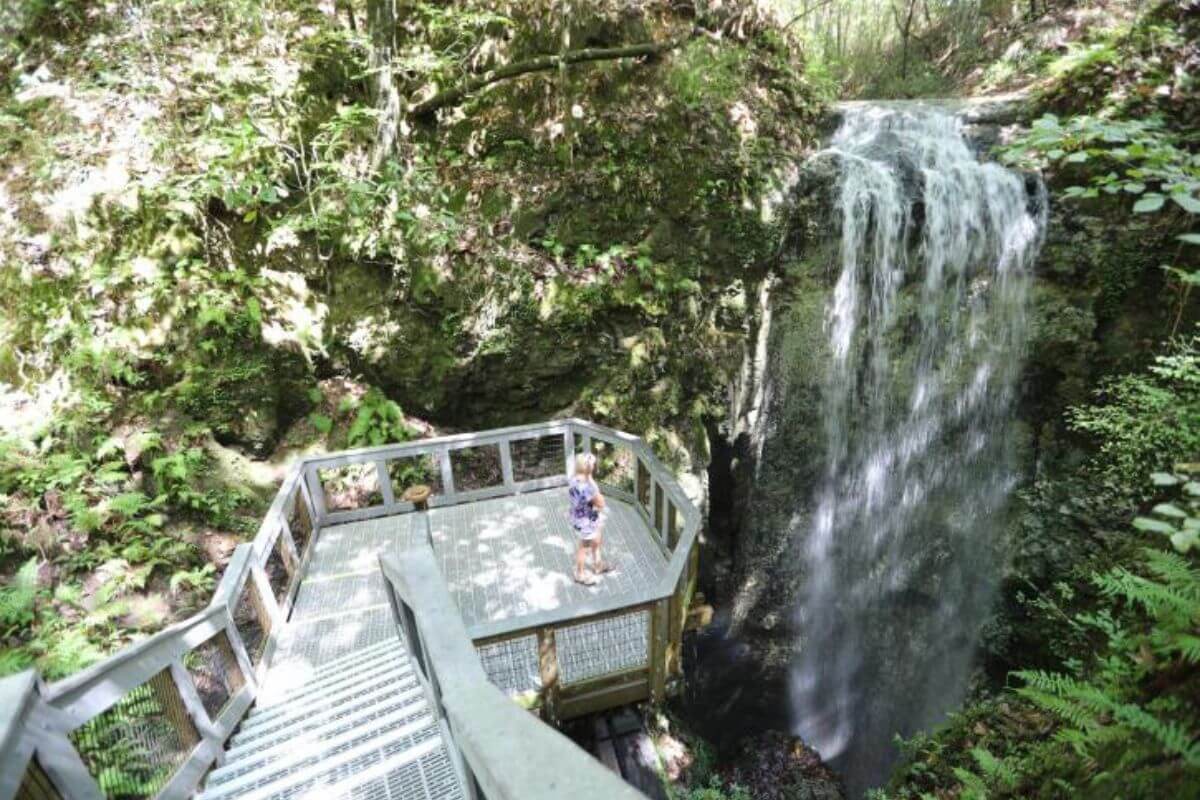
Situated in Chipley, this park houses the crown jewel of Florida’s waterfalls. The 73-foot drop into a massive limestone sinkhole is surrounded by a rich canopy of pine trees and accessible via a well-maintained wooden boardwalk. Visitors can descend to the observation deck to experience the cool mist generated by the falling water, or hike the Sinkhole Trail to explore the broader rolling topography of the Panhandle.
North Central & Northeast Florida: Steinhatchee Falls and Bulls Bay Preserve
Steinhatchee Falls: Located along the Florida Nature Coast, this site offers a tranquil retreat. While the drop is modest (approximately four feet), the surrounding limestone shelves and dark, tannin-stained river waters provide a quintessential Old Florida aesthetic. Visitors can enjoy kayaking, picnicking, and exploring adjacent biking trails.
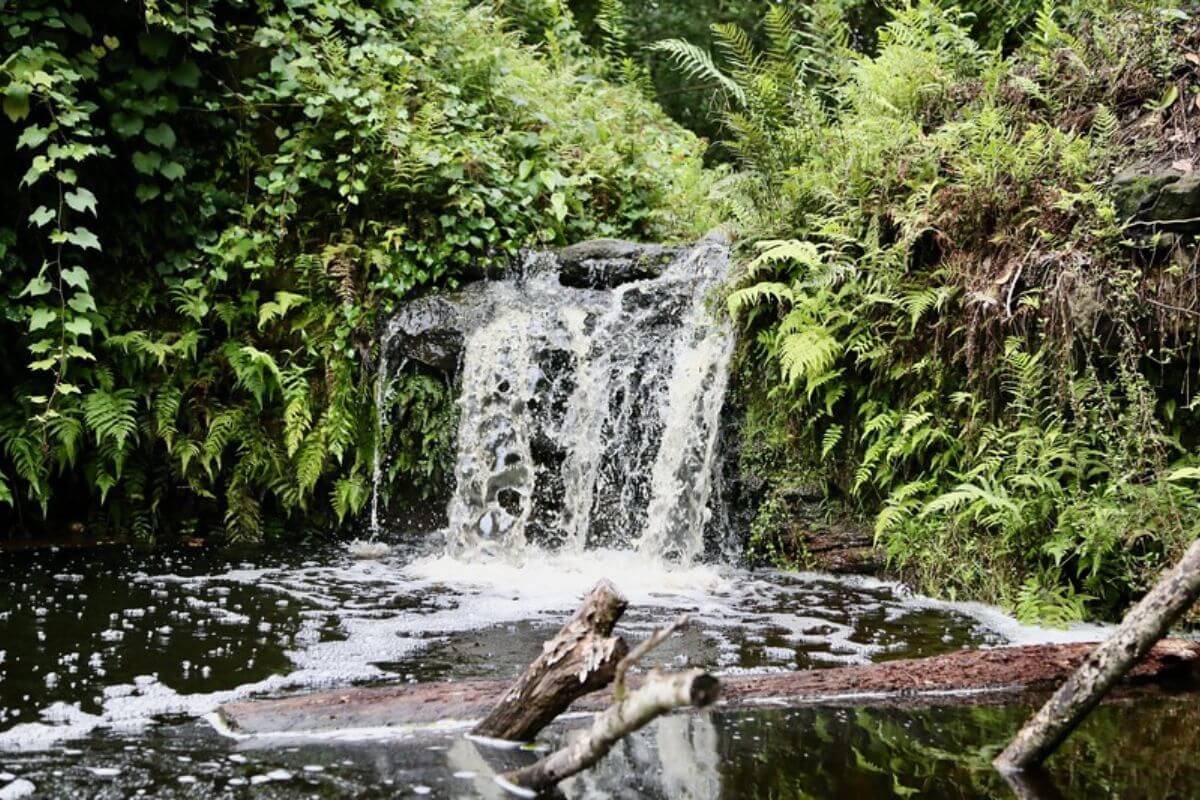
Bulls Bay Preserve: Nestled within the urban sprawl of Jacksonville, this wetland preserve utilizes natural elevation shifts to create an unexpected woodland stream and waterfall experience, serving as a vital urban green space for local wildlife observation.
Central and Peninsular Florida: Rainbow Springs, Hidden Waters, and Boonie Falls
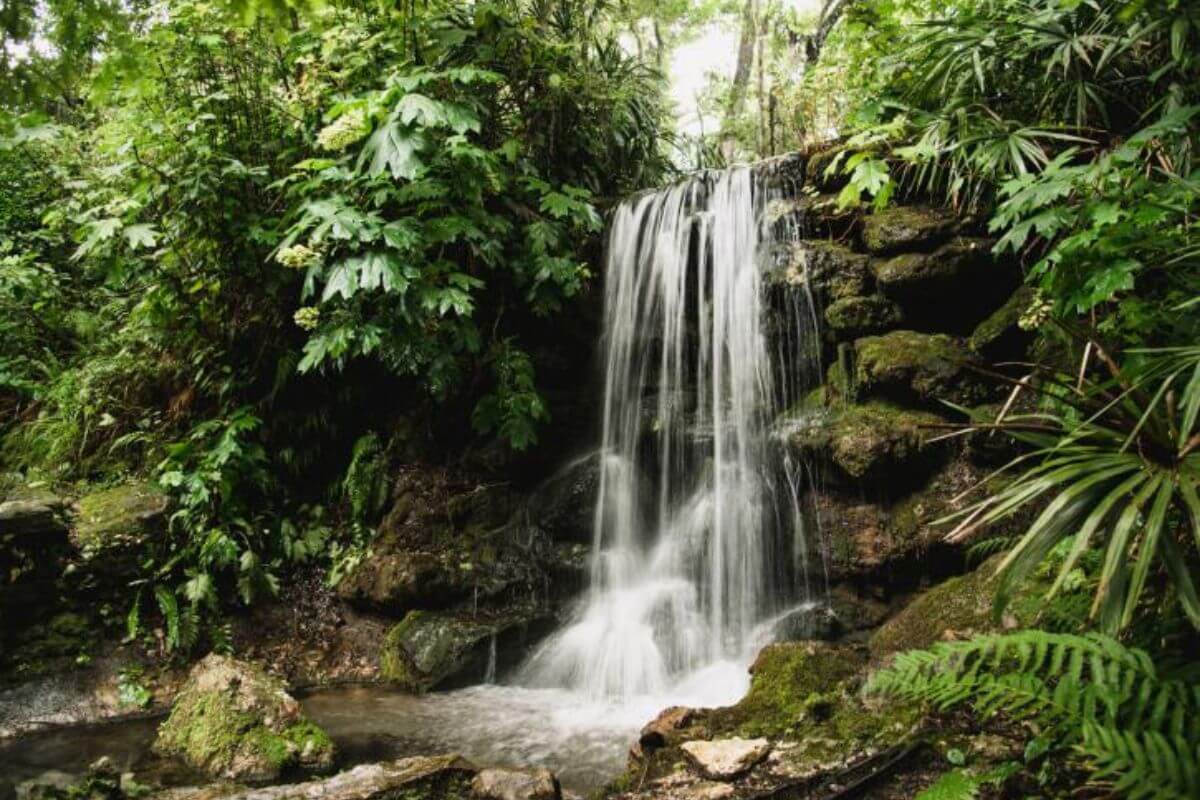
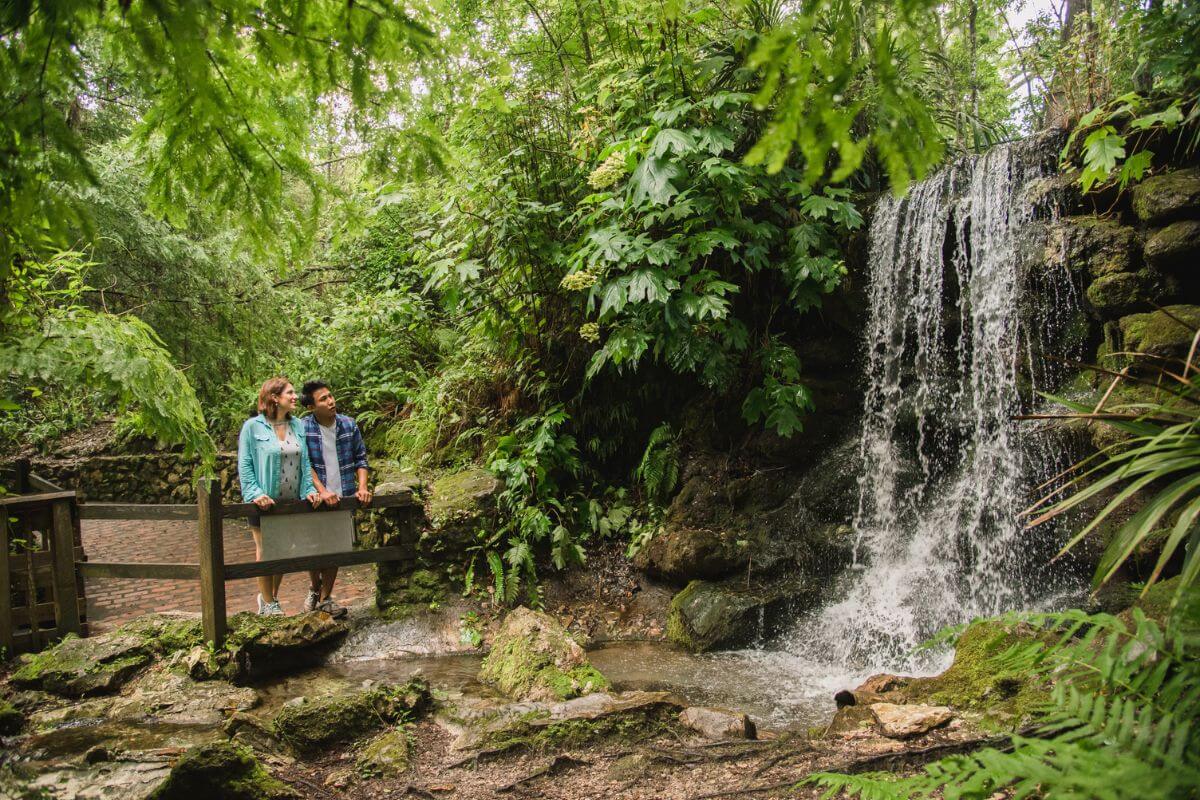
Rainbow Springs State Park: Famed primarily for its crystal-clear turquoise headsprings, the park also features man-made and landscaped jungle waterfalls that blend seamlessly with lush, tropical vegetation, offering swimming, snorkeling, and scenic photography opportunities.
Hidden Waters Preserve: Located in Eustis, this 80-acre Lake County sanctuary protects diverse ecosystems—from oak hammocks to sinkhole-fed streams—providing quiet solitude for hikers and wildlife enthusiasts.
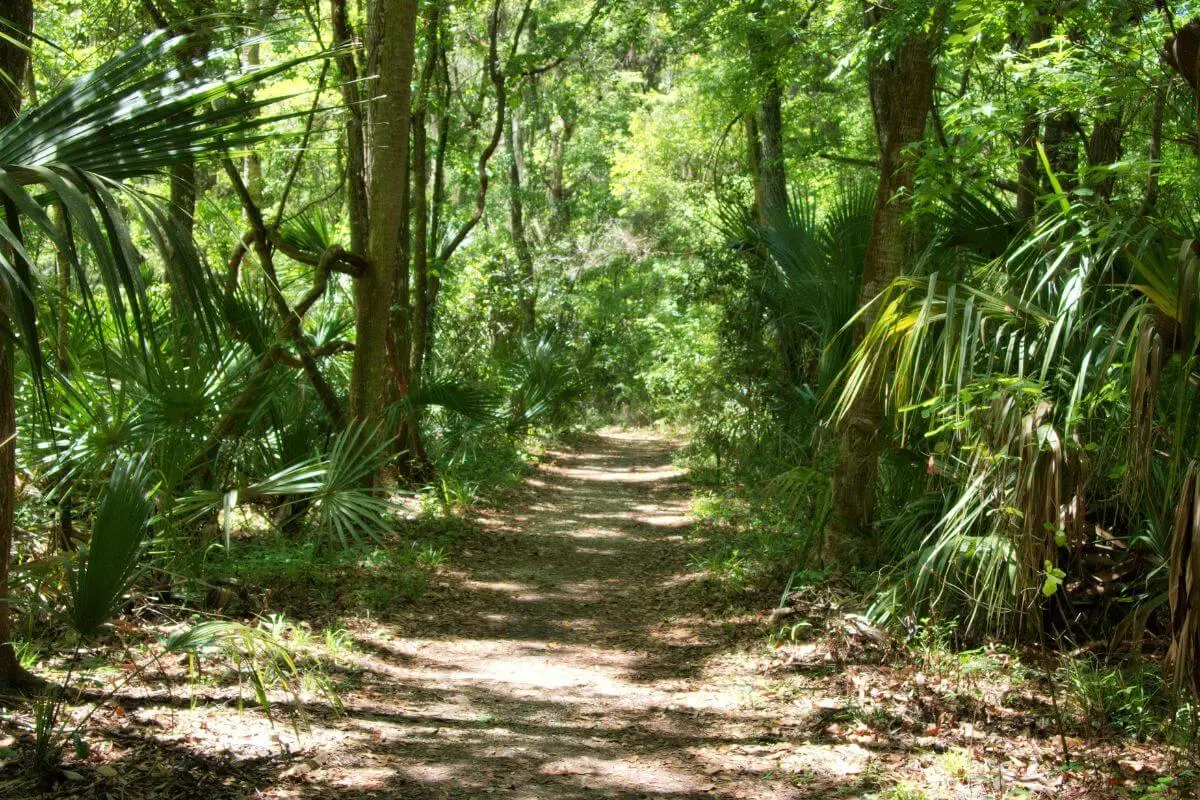
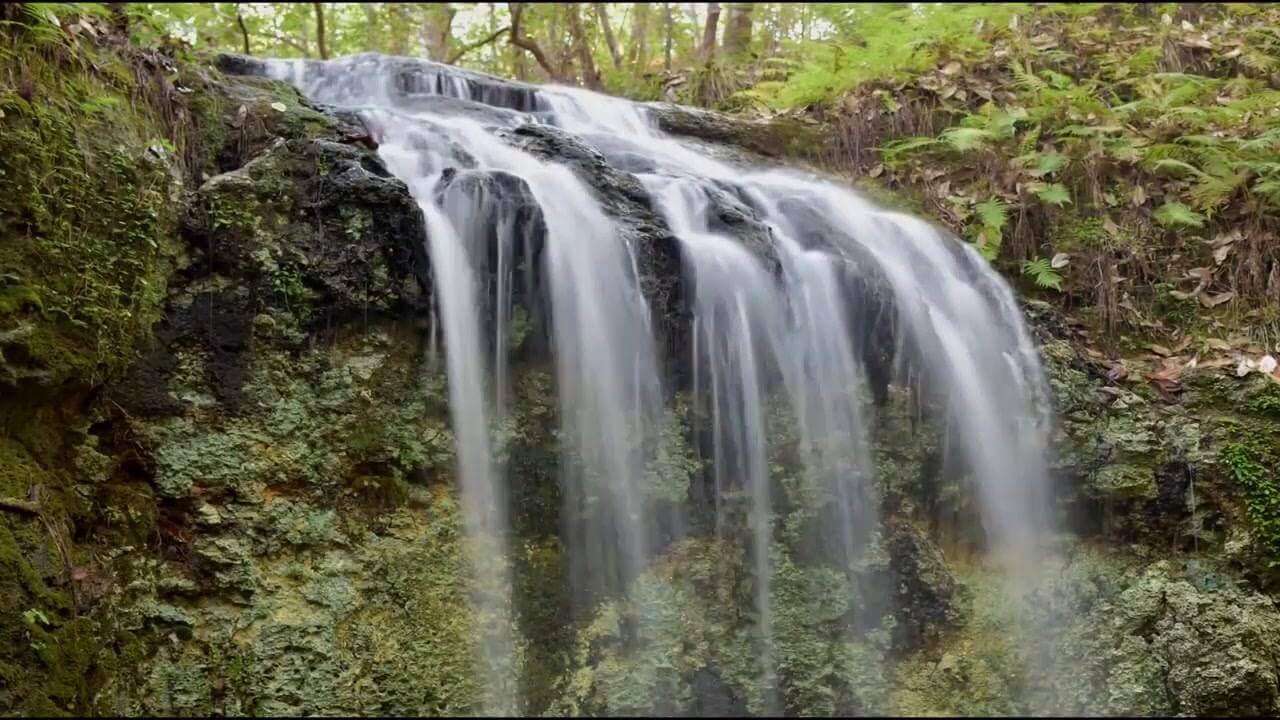
Boonie Falls: Tapped via the Florida National Scenic Trail in the Little Big Econ State Forest near Oviedo, this secluded spot rewards hikers who navigate the Econlockhatchee River basin with a quiet, natural forest cascade.
Southeast Florida: Morikami Museum and Japanese Gardens
Demonstrating human ingenuity, the Morikami in Delray Beach integrates masterfully sculpted waterfalls into its 16 acres of traditional Japanese gardens. Designed to evoke serenity and contemplation, these artificial cascades demonstrate how artistic landscaping can harmonize with South Florida’s subtropical climate, featuring koi ponds, bamboo groves, and stone architecture.
Future Outlook
As eco-tourism continues to surge in popularity across the United States, interest in Florida’s lesser-known natural and cultural landscapes is expected to grow. State agencies and local municipalities are increasingly investing in sustainable trail infrastructure, educational signage, and digital resources to manage visitor volume without compromising ecological integrity.
The future of these unique sites relies heavily on ongoing conservation funding, climate resilience planning, and responsible recreation. By respecting posted guidelines, protecting fragile karst formations, and embracing the state’s diverse geography beyond the coastline, travelers can ensure that Florida’s hidden waterfalls remain pristine monuments to the state’s rich and varied natural heritage for generations to come.





0 Comments