

Executive Overview
When travelers picture the Sunshine State, visions of sun-drenched Atlantic and Gulf coastlines, rolling white-sand beaches, and crystal-clear freshwater springs immediately come to mind. Florida’s tourism identity is inextricably linked to its coastal environments and iconic roadside attractions. However, beneath this sun-bleached, notoriously flat topography lies a well-kept secret: a surprising, geographically diverse collection of waterfalls.

Ranging from dramatic, gravity-defying sinkhole drops in the Panhandle to serene river cascades in North Central Florida and meticulously landscaped Japanese garden features in South Florida, the state’s waterfalls offer an unexpected dimension to outdoor recreation. These natural and man-made marvels provide a vital, cool respite from the oppressive subtropical heat, stunning vistas for photography enthusiasts, and an intimate channel for reconnecting with nature.
This comprehensive guide serves as an authoritative roadmap for nature enthusiasts, casual hikers, and road-trip aficionados alike. By examining regional highlights, establishing safety protocols, and detailing the ecological context of these aquatic wonders, we invite travelers to look beyond the coastline and discover a greener, more dynamic side of Florida.
Detailed Chronology & Regional Exploration
Exploring Florida’s waterfalls requires traversing distinct geographic regions, each boasting unique geological formations and ecological features. From the rolling hills of the Panhandle to the cultural enclaves of the southeast coast, here is a chronological and regional mapping of the Sunshine State’s finest cascades.

Northwest Florida: The Panhandle’s Dramatic Drops
Falling Waters State Park (Chipley)
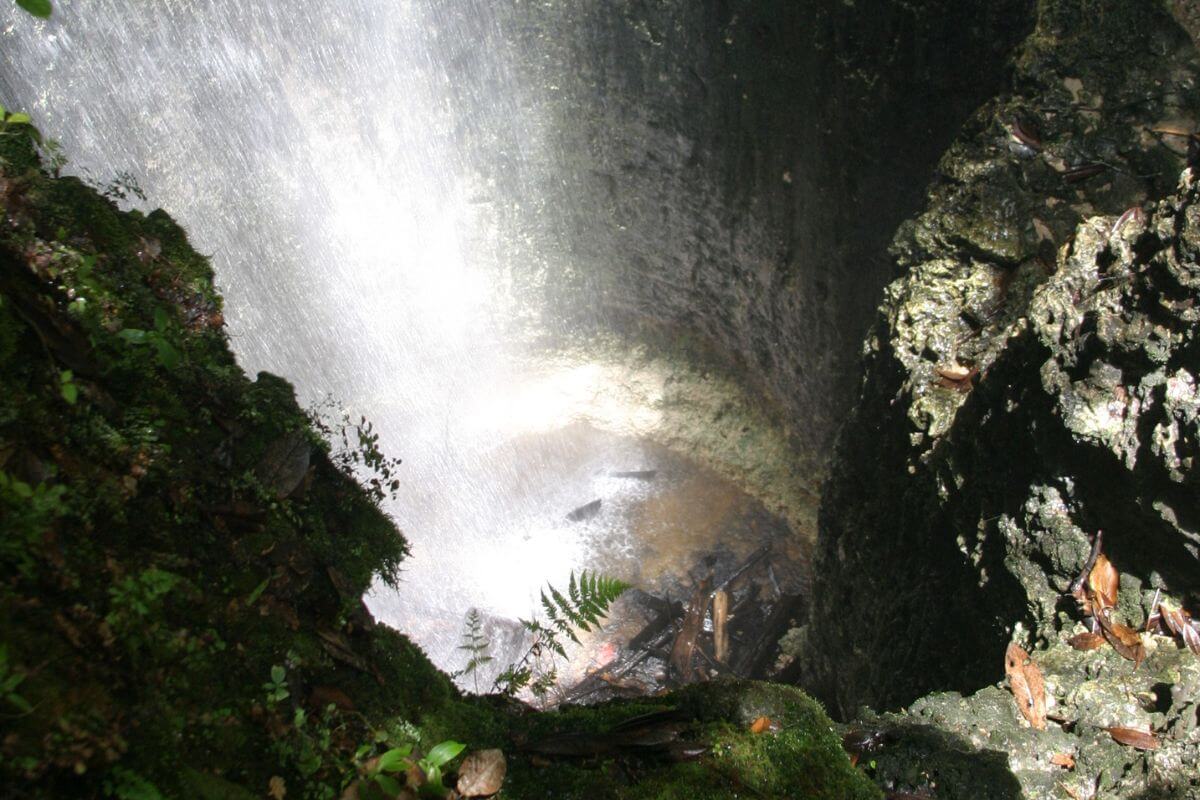
- The Attraction: Home to Florida’s tallest known waterfall, Falling Waters State Park delivers a dramatic geological spectacle. Here, a rushing stream plummets an impressive 73 feet directly into a massive, 100-foot-deep cylindrical sinkhole.
- The Experience: Visitors can access the observation area via a sturdy wooden boardwalk that leads directly to an overlook above the sinkhole. A short, immersive hike takes adventurous visitors down to the base of the cascade, where the roar of falling water and the cool mist provide an atmosphere reminiscent of the Appalachian foothills rather than the Deep South. Surrounding the main attraction are pine-flatwood forests and the popular Sinkhole Trail.
- Location: 1130 State Park Rd., Chipley, FL 32428
North Central & Northeast Florida: Rivers and Wetlands
Steinhatchee Falls (Steinhatchee)
- The Attraction: Situated along the picturesque Steinhatchee River on Florida’s Nature Coast, Steinhatchee Falls is widely recognized as the widest waterfall in the state. Though it drops a modest 4 feet, the sheer breadth of the limestone shelf over which the dark, tannin-stained river cascades creates a hypnotic, serene environment.
- The Experience: Surrounded by dense, undisturbed vegetation, the site is a sanctuary for quiet reflection. The adjacent park facilities offer picnic tables, grills, and boat launches. Visitors frequently kayak upriver, wade in the cool swimming holes near the falls, or explore connecting hiking and biking paths managed by the Florida Fish and Wildlife Conservation Commission.
- Location: Steinhatchee, FL 32359
Bulls Bay Preserve (Jacksonville)
- The Attraction: Located on the western fringes of Jacksonville, Bulls Bay Preserve showcases the varied elevation changes unique to Northeast Florida’s wetlands. Encompassing expansive swamp ecosystems, oak hammocks, and pine flatwoods, the preserve features a gentle, natural stream network culminating in a charming hidden waterfall.
- The Experience: Ideal for a day hike, the boardwalks and dirt trails wind through diverse habitats, offering excellent bird-watching and wildlife photography opportunities. The subtle elevation shifts allow hikers to experience a dynamic terrain rarely found in urban municipal parks.
- Location: 8017 Old Plank Rd., Jacksonville, FL 32220
Central & Central West Florida: Springs and Forests
Rainbow Springs State Park (Dunnellon)
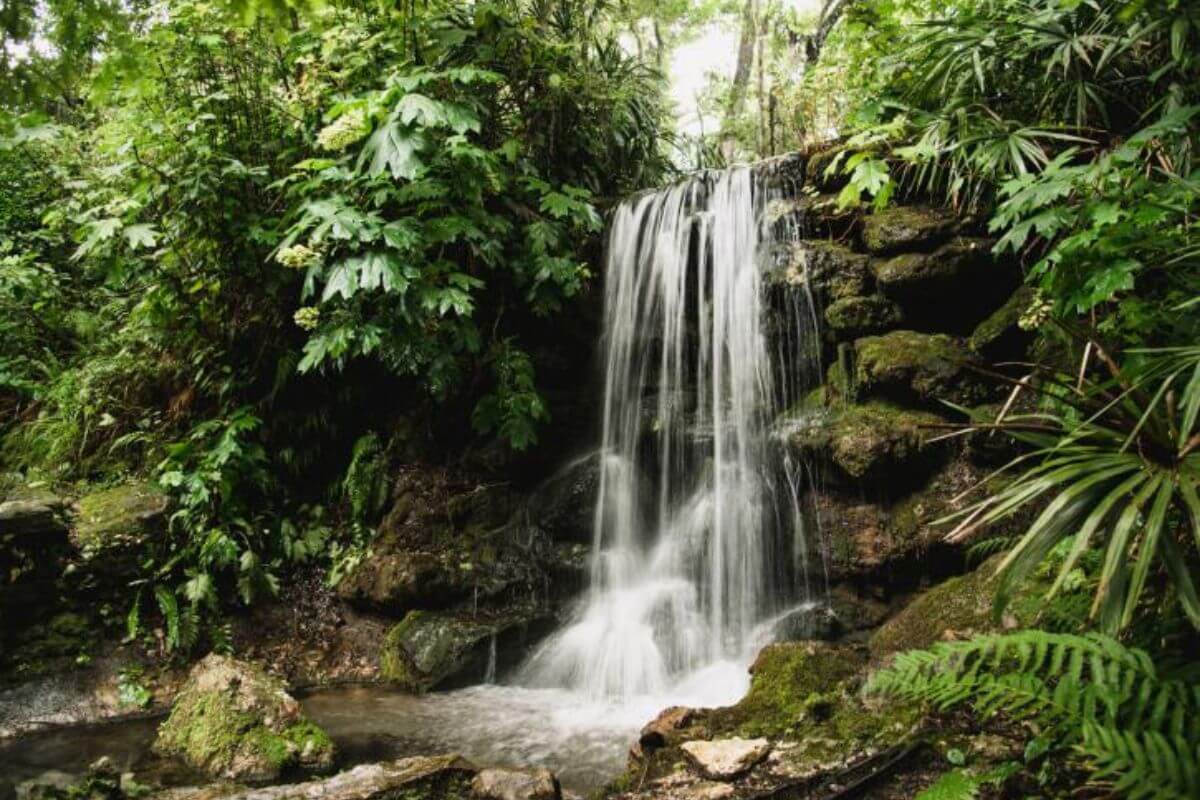
- The Attraction: Famed primarily for its monumental, crystal-clear first-magnitude headspring, Rainbow Springs State Park also harbors a stunning man-made feature: the historic "jungle waterfalls." Built decades ago during the property’s tenure as a commercial roadside attraction, these cascading falls are seamlessly integrated into lush, tropical landscaping.
- The Experience: Water tumbles over jagged rock ledges into shaded, fern-draped pools, creating a picturesque oasis. Beyond the waterfalls, visitors can swim, snorkel, kayak, or stroll along shaded paved pathways that wind through manicured gardens and historical remnants.
- Location: 19158 S.W. 81st Place Rd., Dunnellon, FL 34432
Hidden Waters Preserve (Eustis)
- The Attraction: Tucked away in Lake County, this 80-plus-acre preserve protects a fragile and vital ecosystem characterized by rolling hills, sinkholes, and steephead ravines. Fed by an active spring system, the preserve’s central waterfall flows into a tranquil basin surrounded by old-growth oak hammocks.
- The Experience: Maintained by the Lake County Water Authority, the preserve offers a network of interpretive hiking trails. Hikers navigate varying elevations to witness how rainwater and subterranean springs shape Central Florida’s interior landscape.
- Location: 2010 Abrams Rd., Eustis, FL 32726
Boonie Falls at Little Big Econ State Forest (Oviedo)
- The Attraction: For those willing to venture off the beaten path, Boonie Falls offers a rewarding reward. Located within the sprawling Little Big Econ State Forest, this modest, entirely natural waterfall is accessed via a scenic stretch of the Florida National Scenic Trail.
- The Experience: Beginning near Lockwood Boulevard, hikers trace the meandering path of the Econlockhatchee River through dense pine forests and cypress swamps before encountering the quiet, unobtrusive cascade. It stands as a testament to the untamed wilderness hidden just outside Orlando’s suburban sprawl.
- Location: Florida Trail from Lockwood Blvd., Oviedo, FL 32765
Southeast Florida: Cultural Cascades
Morikami Museum and Japanese Gardens (Delray Beach)
- The Attraction: Proving that waterfalls in Florida take many forms, the Morikami Museum features meticulously designed artificial cascades as part of its world-class Japanese gardens. Spread across 16 acres in Delray Beach, these gardens celebrate traditional Japanese aesthetic principles.
- The Experience: Visitors wander past tranquil koi ponds, arched wooden bridges, stone lanterns, and expertly pruned bamboo groves. The waterfalls here, though engineered, are crafted with such precision and naturalism that they evoke a profound sense of meditative peace, contrasting sharply with South Florida’s high-energy coastal environment.
- Location: 4000 Morikami Park Rd., Delray Beach, FL 33446
Supporting Context & Metrics: Preparing for Your Journey
While Florida’s waterfalls lack the vertical scale of Niagara Falls or the Pacific Northwest cascades, exploring them requires careful planning, adherence to safety standards, and an understanding of regional environmental metrics.
Essential Hiking Gear and Preparation
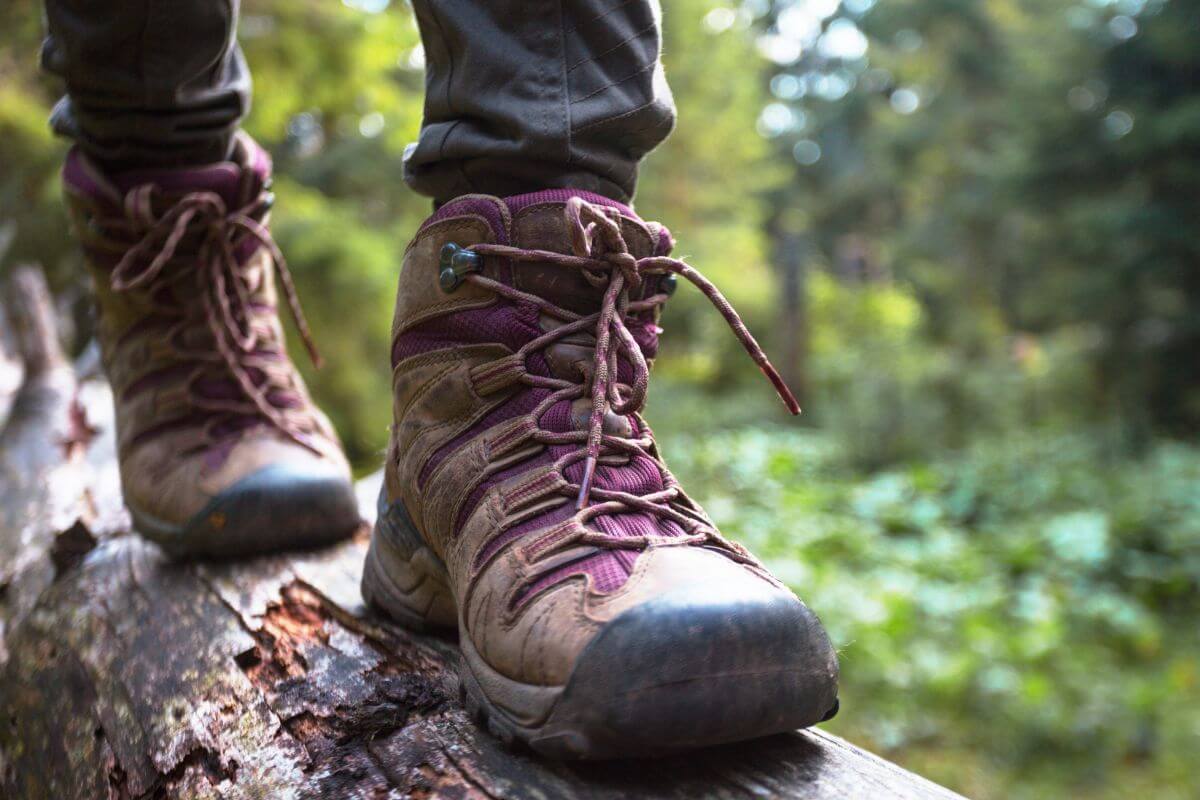
- Footwear: Florida trails can transition rapidly from dry sand to muddy wetlands. Sturdy, moisture-resistant hiking boots with aggressive tread are essential to prevent slips near slippery limestone shelves and sinkhole edges.
- Hydration and Nutrition: Subtropical humidity accelerates dehydration. Hikers should pack a minimum of two liters of water, electrolyte packets, and high-energy snacks.
- Protection: Sunscreen, wide-brimmed hats, and EPA-registered insect repellent (particularly containing DEET or picaridin) are non-negotiable items when navigating Florida’s river basins and forest preserves.
- Safety Protocols: Always check local weather forecasts and trail conditions before departure, as heavy seasonal rainfall can cause sudden flooding along river-fed trails like the Steinhatchee or Econlockhatchee. Inform a trusted contact of your intended route and expected return time, and strictly adhere to designated trail markers to protect fragile local ecosystems.
Future Outlook: Conservation and Sustainable Tourism
As Florida’s population continues to expand rapidly, the preservation of these unique hydrological features remains paramount. State agencies, municipal park departments, and local watershed authorities face ongoing challenges in balancing public access with environmental conservation.
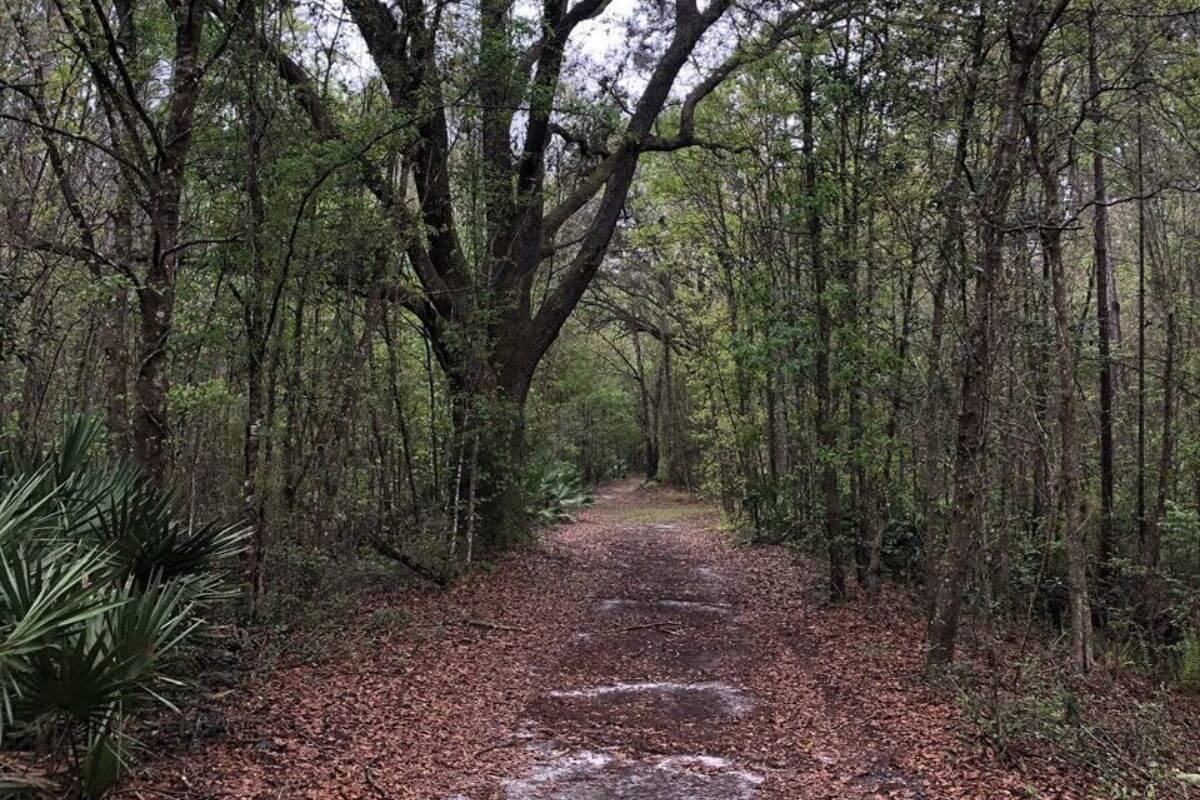
Initiatives by organizations such as the Florida Department of Environmental Protection, the Florida Fish and Wildlife Conservation Commission, and regional water authorities focus heavily on sustainable trail maintenance, invasive species removal, and watershed protection. Protecting the subterranean aquifers that feed features like Falling Waters State Park and Rainbow Springs ensures that future generations will continue to witness the interplay of geology and water that defines Florida’s interior.
By practicing Leave No Trace principles, supporting state park preservation funds, and respecting wildlife habitats, travelers can ensure that Florida’s hidden waterfalls remain pristine sanctuaries for decades to come. Whether embarking on a multi-destination road trip or seeking a quiet afternoon hike, the waterfalls of the Sunshine State offer an enduring reminder of nature’s quiet, persistent beauty.

0 Comments