When the word “Florida” is invoked, the collective imagination instinctively conjures images of endless white-sand beaches, bioluminescent coastal waters, world-renowned amusement parks, and crystal-clear freshwater springs. Yet, beneath the sun-drenched surface of the Sunshine State lies a well-kept geological secret: a surprisingly diverse collection of waterfalls.
While Florida’s topography is famously flat—averaging a mere elevation of 100 feet above sea level—its complex hydrological systems, ancient sinkhole networks, and meticulously designed cultural landscapes have birthed a fascinating array of cascades. From the towering, natural drop at Falling Waters State Park in the Panhandle to the serene, culturally rich Zen waterfalls of South Florida’s Morikami Museum and Japanese Gardens, these aquatic features offer travelers a cool respite from the subtropical heat and a profound connection to the state’s wild, untamed interior.
This comprehensive guide serves as an authoritative roadmap for nature enthusiasts, eco-travelers, and road-trip aficionados. By examining the geographic distribution, ecological significance, and practical preparation required to visit these sites, we reveal a side of Florida that defies conventional stereotypes and rewards the curious explorer.
Detailed Chronology & Regional Breakdown: A State-Wide Exploration
To truly understand Florida’s waterfalls, one must embark on a geographic expedition spanning the state’s distinct regions. Each location tells a unique story of erosion, limestone dissolution, and human stewardship.
Northwest Florida: The Panhandle’s Giant
Falling Waters State Park (Chipley)
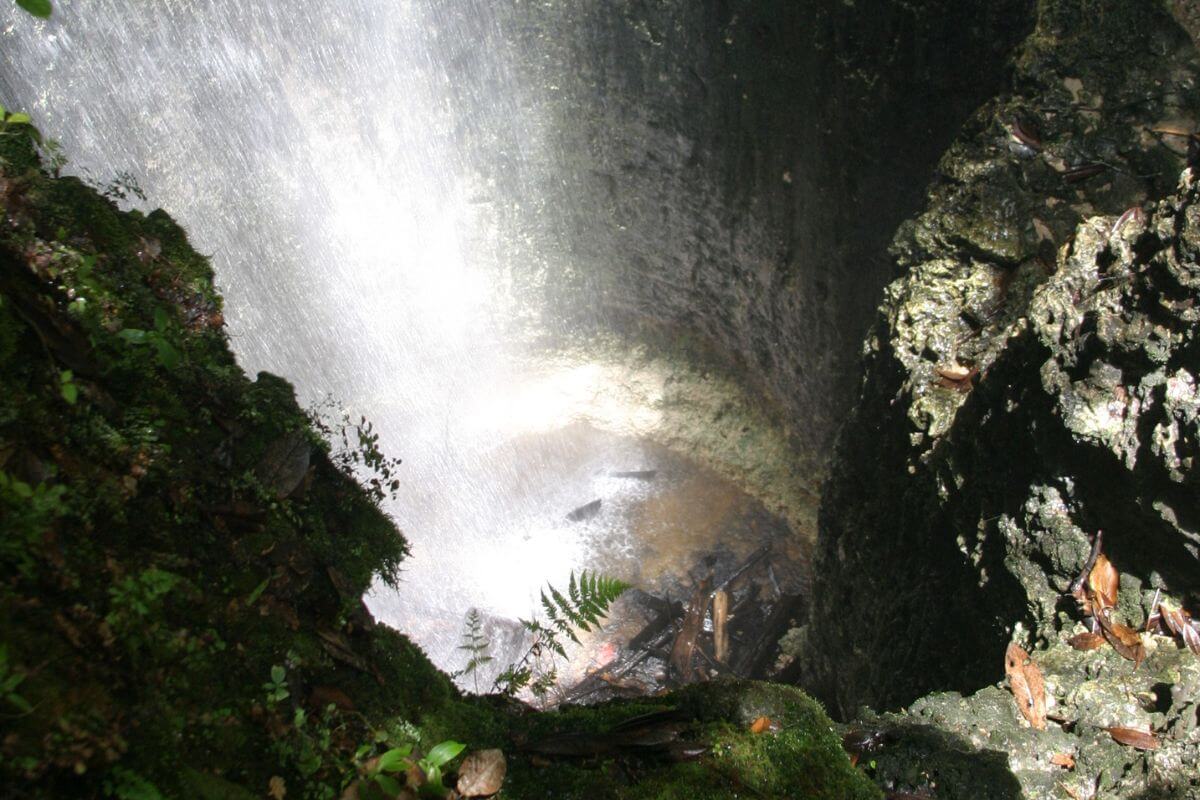
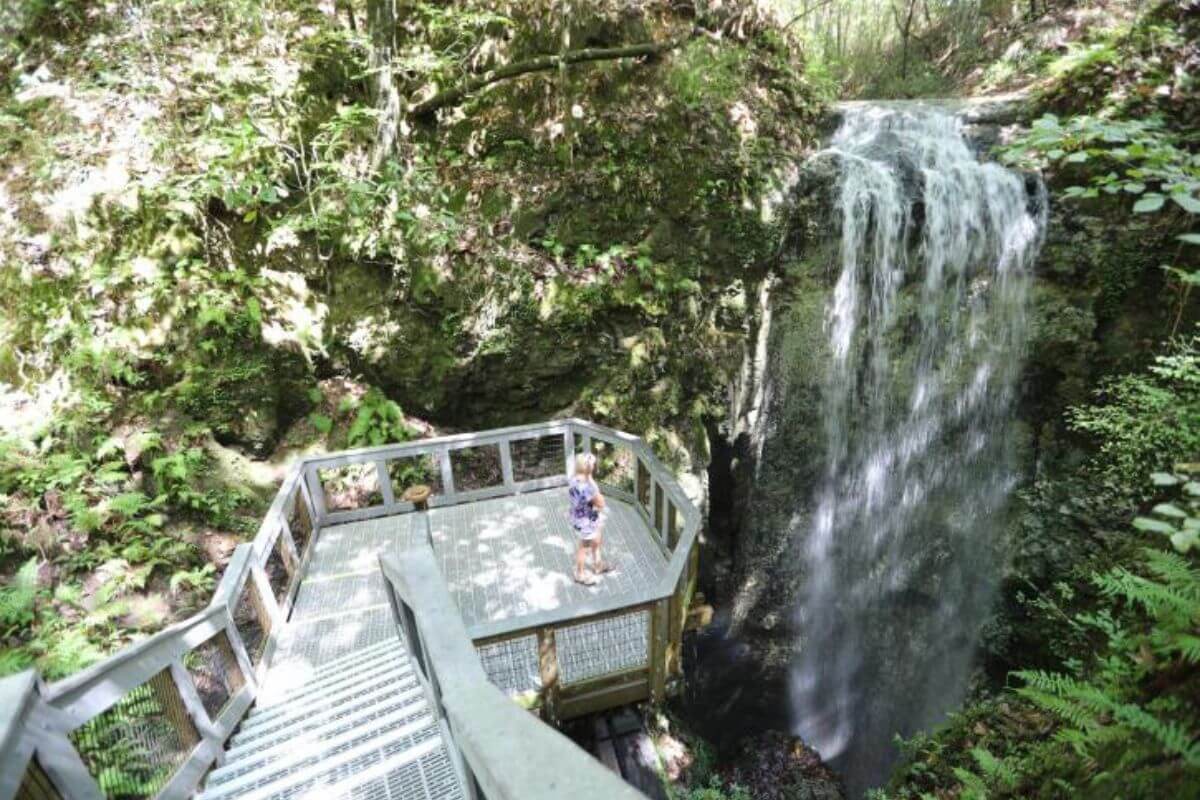
At the pinnacle of Florida’s waterfall hierarchy sits Falling Waters State Park, located in Washington County within the Florida Panhandle. Here, visitors encounter the state’s tallest natural waterfall, plunging an impressive 73 feet into a massive, 100-foot-deep cylindrical sinkhole.
The geological genesis of this site is rooted in Florida’s Karst topography—a landscape formed from the dissolution of soluble rocks like limestone and dolomite. A small, meandering stream feeds the waterfall before it dramatically disappears into the subterranean depths of the sinkhole. Access to this natural marvel is facilitated by a well-maintained wooden boardwalk that guides hikers to an observation deck overlooking the chasm. Visitors who take the short auxiliary trail to the base of the sinkhole are instantly enveloped in a microclimate characterized by cooler air and the refreshing mist of the drop.
North Central & Northeast Florida: Rivers and Preserves
Steinhatchee Falls (Steinhatchee)
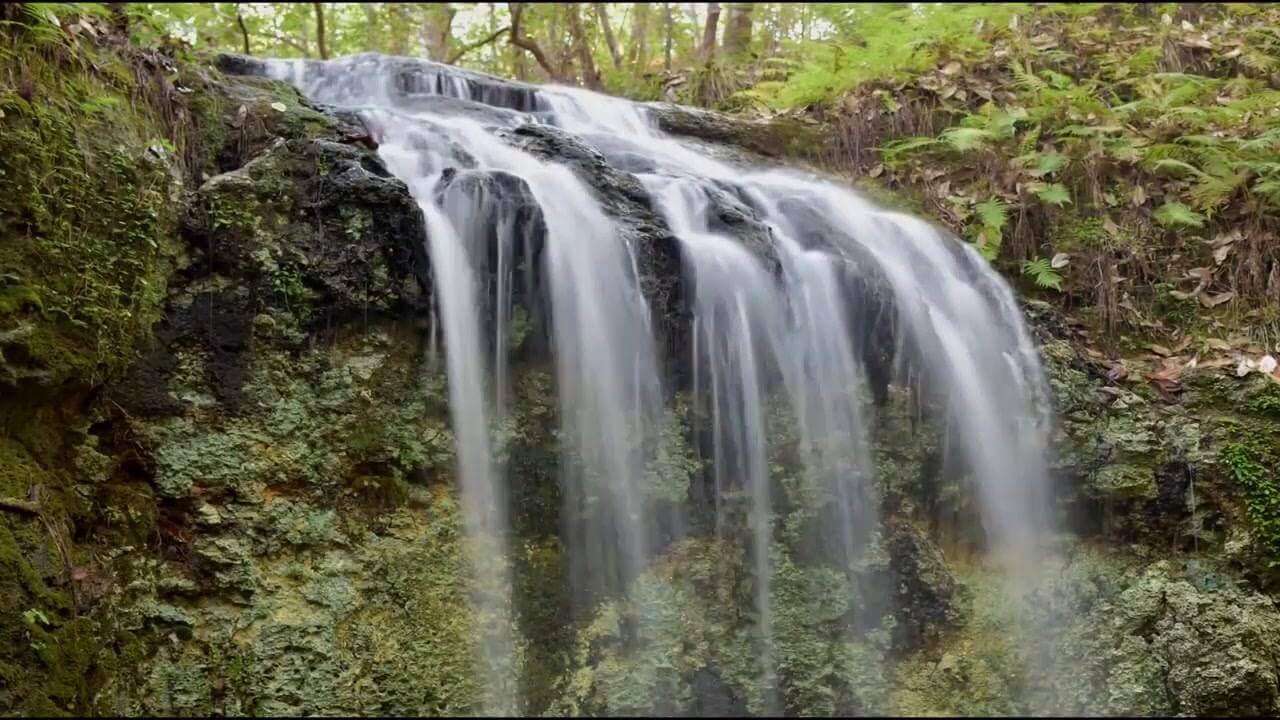
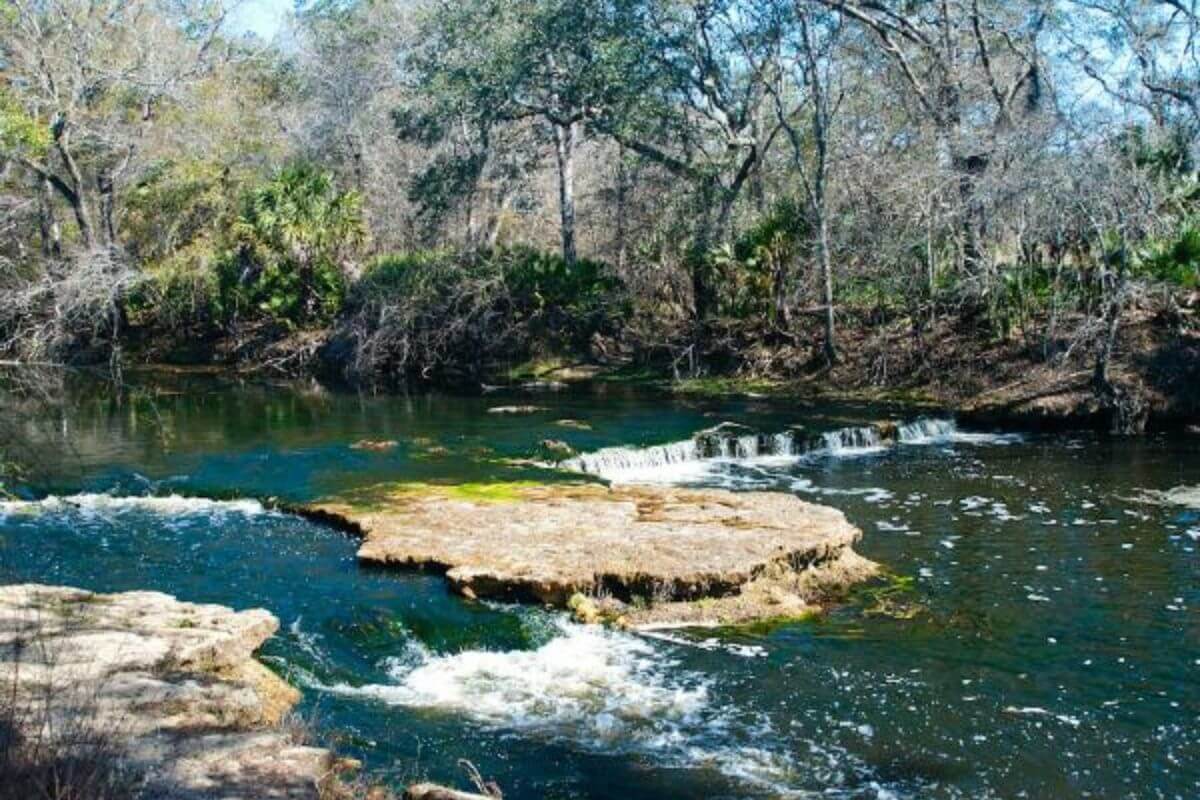
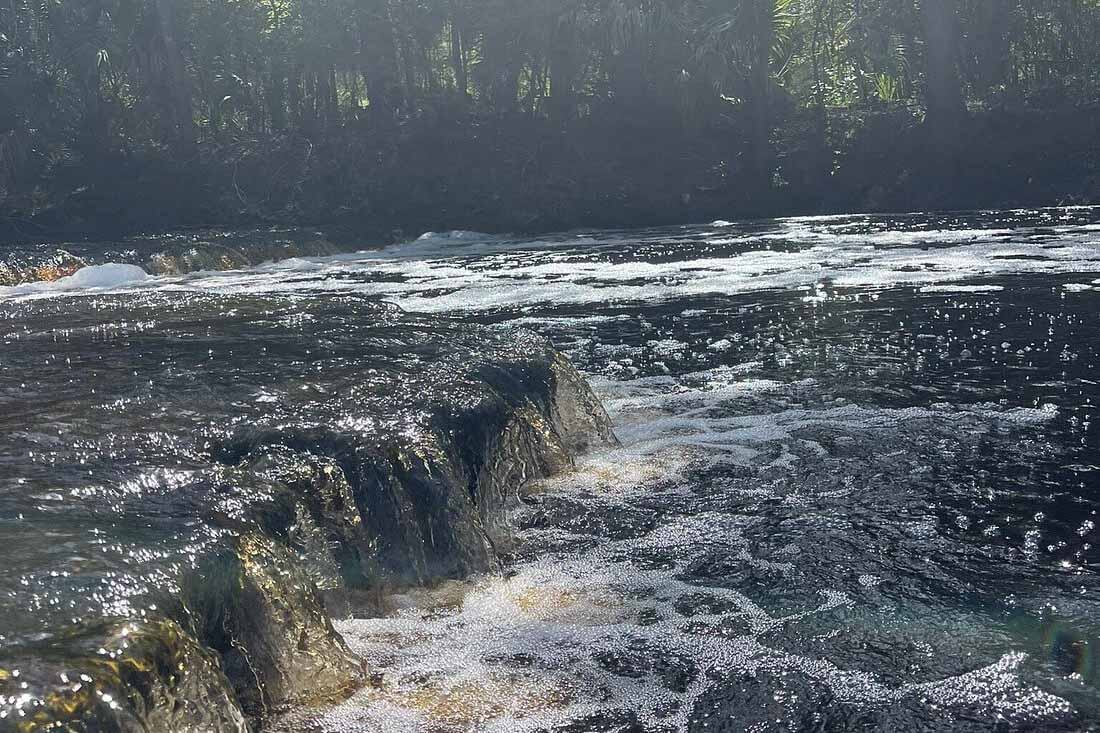
Venture into North Central Florida, and the scale shifts from vertical drops to broad, picturesque aquatic ledges. Situated along the Steinhatchee River, Steinhatchee Falls is widely recognized as the largest waterfall by volume in the state, despite dropping a modest 4 feet.
Surrounded by dense, undisturbed hardwood forests and vibrant aquatic vegetation, the falls serve as a historical crossroads. For centuries, Native American tribes and early European settlers utilized this limestone shelf as a natural river crossing. Today, the surrounding parklands managed by environmental agencies provide an idyllic setting for kayaking, bird-watching, and quiet contemplation.
Bulls Bay Preserve (Jacksonville)
Moving toward the northeast, the urban sprawl of Jacksonville yields to the tranquil wetlands of Bulls Bay Preserve. Encompassing a diverse mosaic of flatwoods, swamps, and stream corridors, the preserve leverages natural elevation changes—a rarity in coastal municipal parks—to feature a charming, small stream waterfall. Wooden footbridges and well-marked dirt trails allow hikers to navigate the delicate wetland ecosystem without disturbing the native flora and fauna.
Central West & Central Florida: Springs and Forests
Rainbow Springs State Park (Dunnellon)
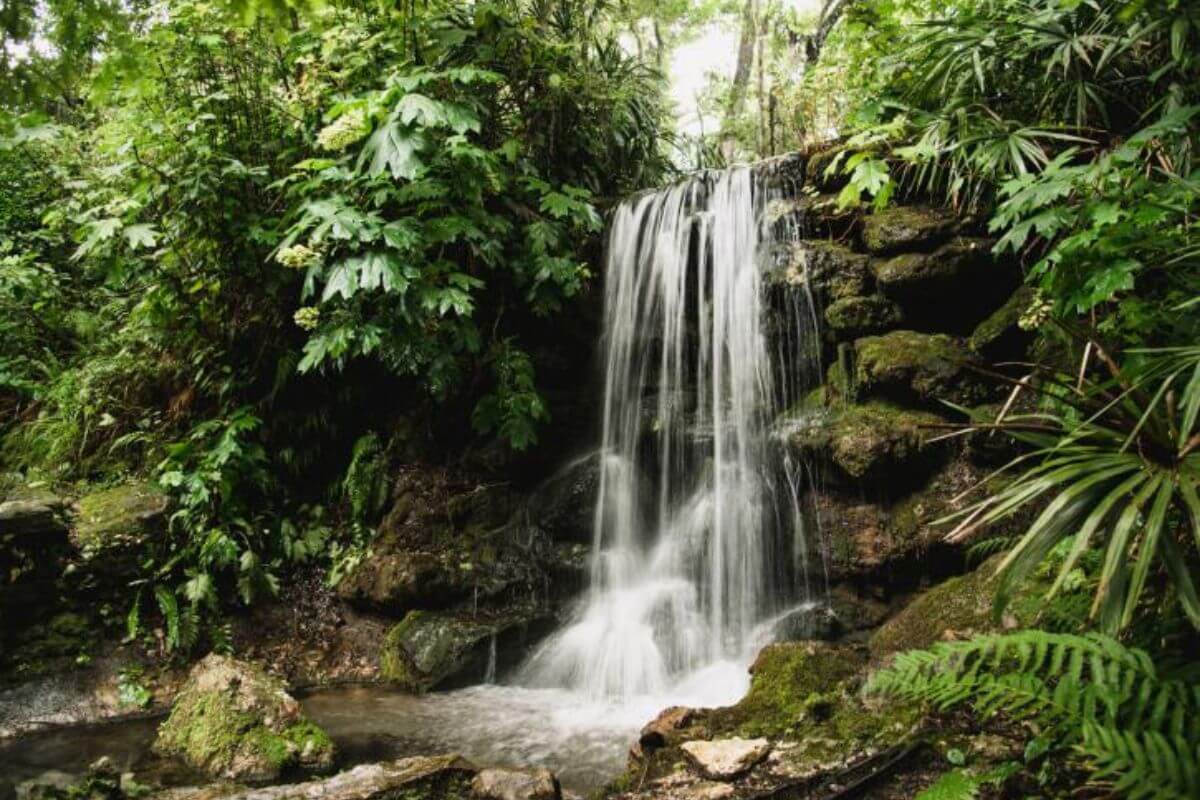
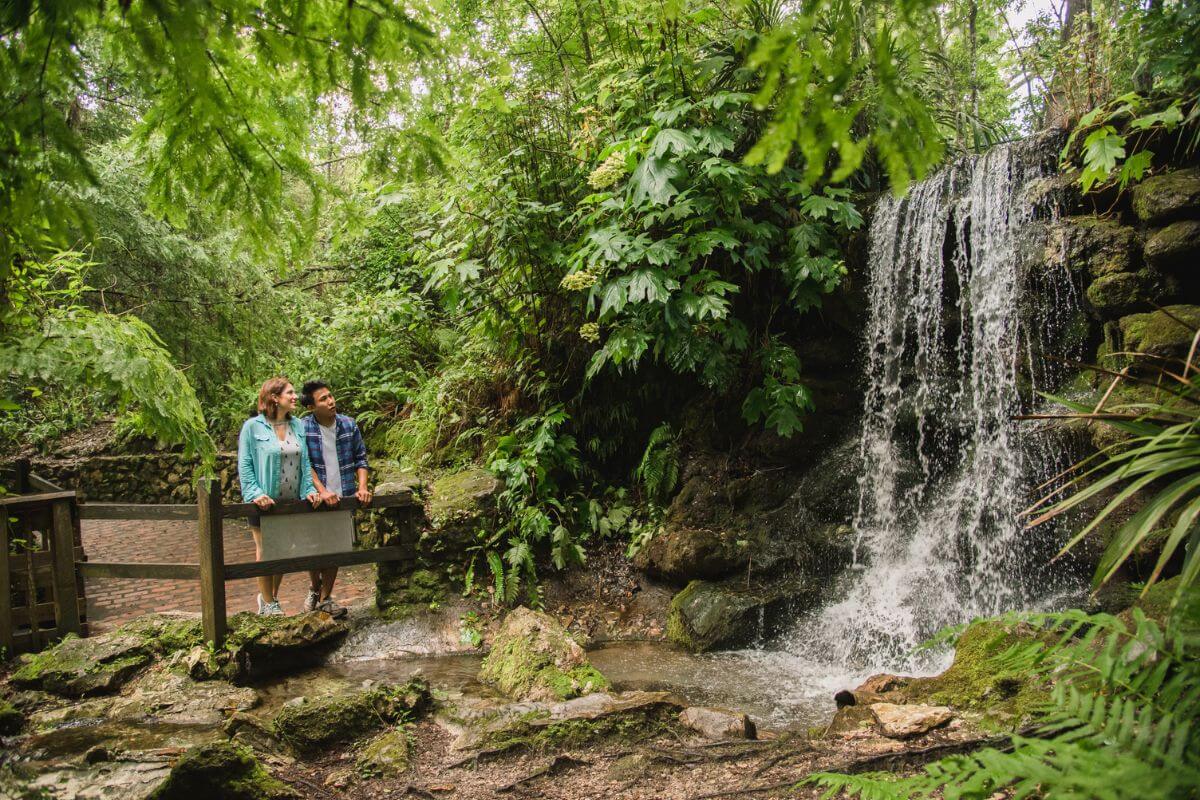
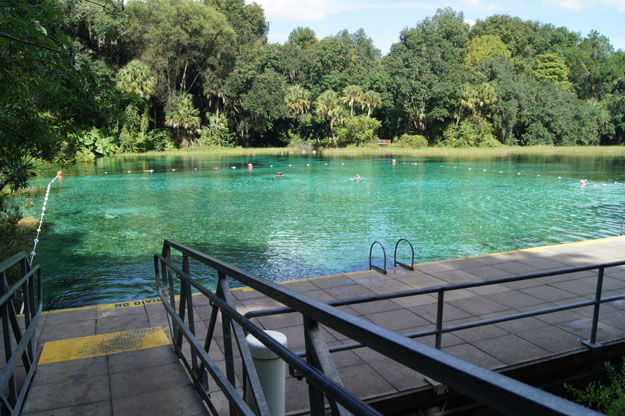
While primarily celebrated as a first-magnitude freshwater spring pumping millions of gallons of crystal-clear water daily, Rainbow Springs State Park harbors a hidden artistic and ecological feature: its man-made jungle waterfalls. Developed during the property’s tenure as a roadside attraction before being acquired by the Florida Park Service, these terraced waterfalls are ingeniously integrated into lush, tropical landscaping. They cascade gracefully over rock ledges, creating atmospheric pools that harmonize effortlessly with the surrounding natural springs.
Hidden Waters Preserve (Eustis)
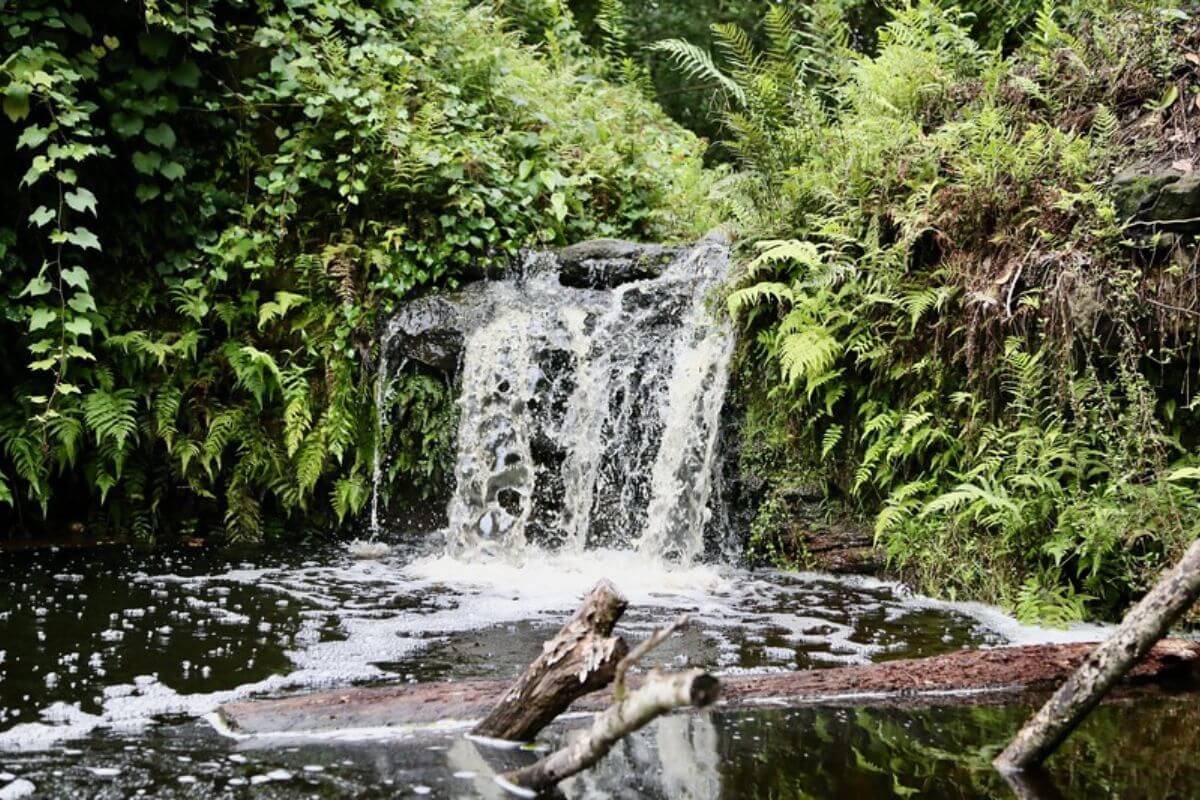
Deep in the heart of Lake County, the Hidden Waters Preserve spans over 80 acres of rolling hills, pine flatwoods, and oak hammocks. Managed by the Lake County Water Authority, this conservation area features a spring-fed stream that drops into a dramatic geological depression, forming a picturesque waterfall. The rugged terrain and steep ravines offer some of the most challenging and rewarding hiking experiences in Central Florida.
Boonie Falls (Oviedo)
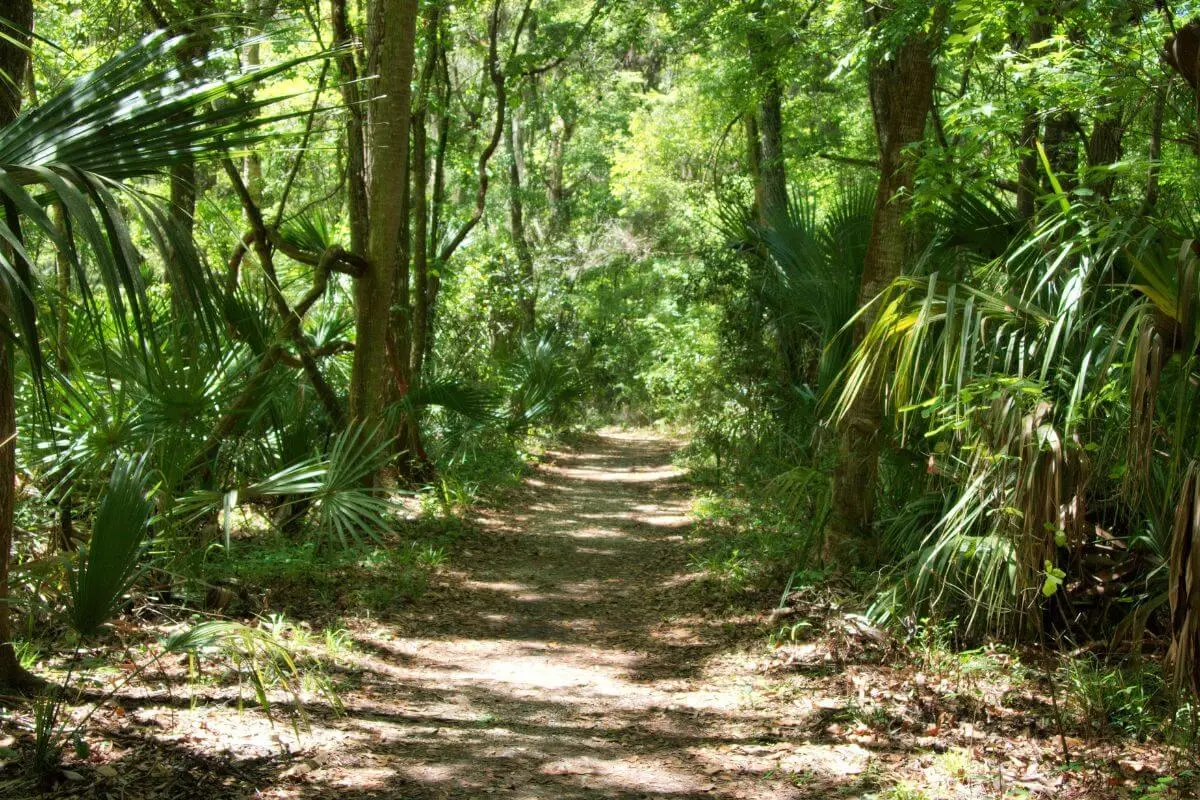
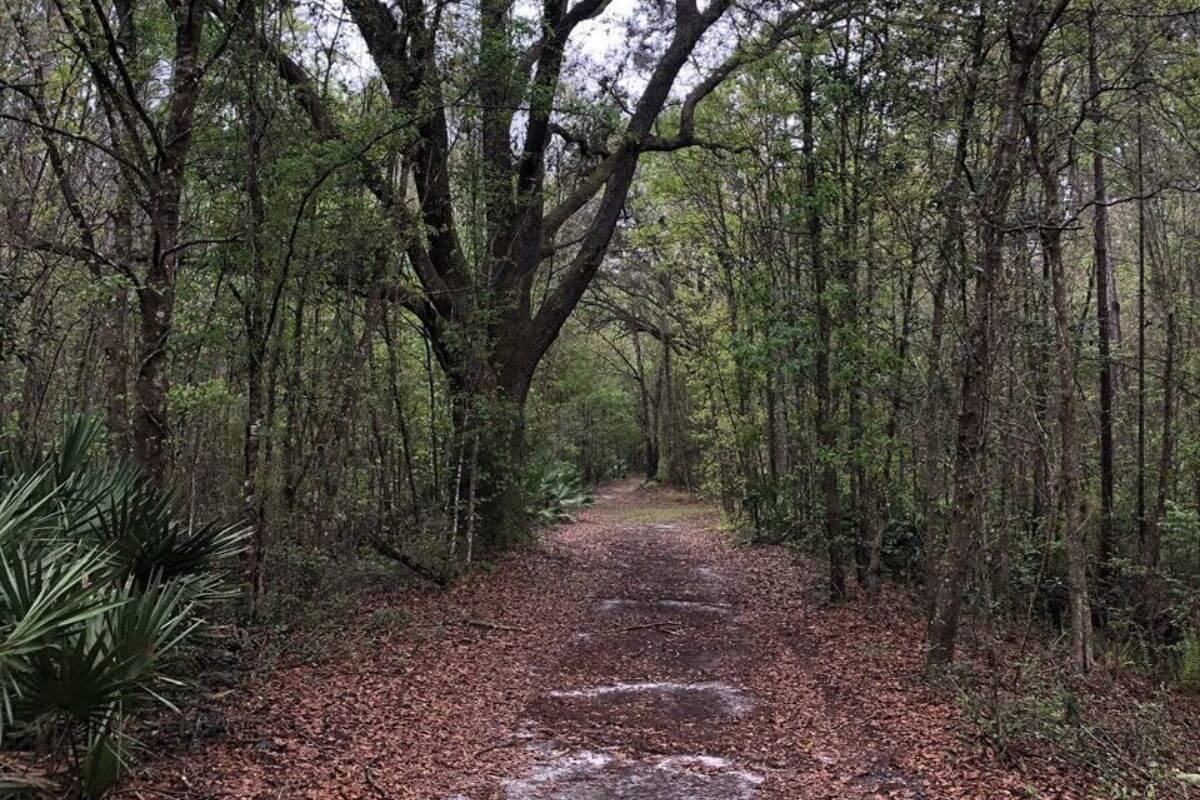
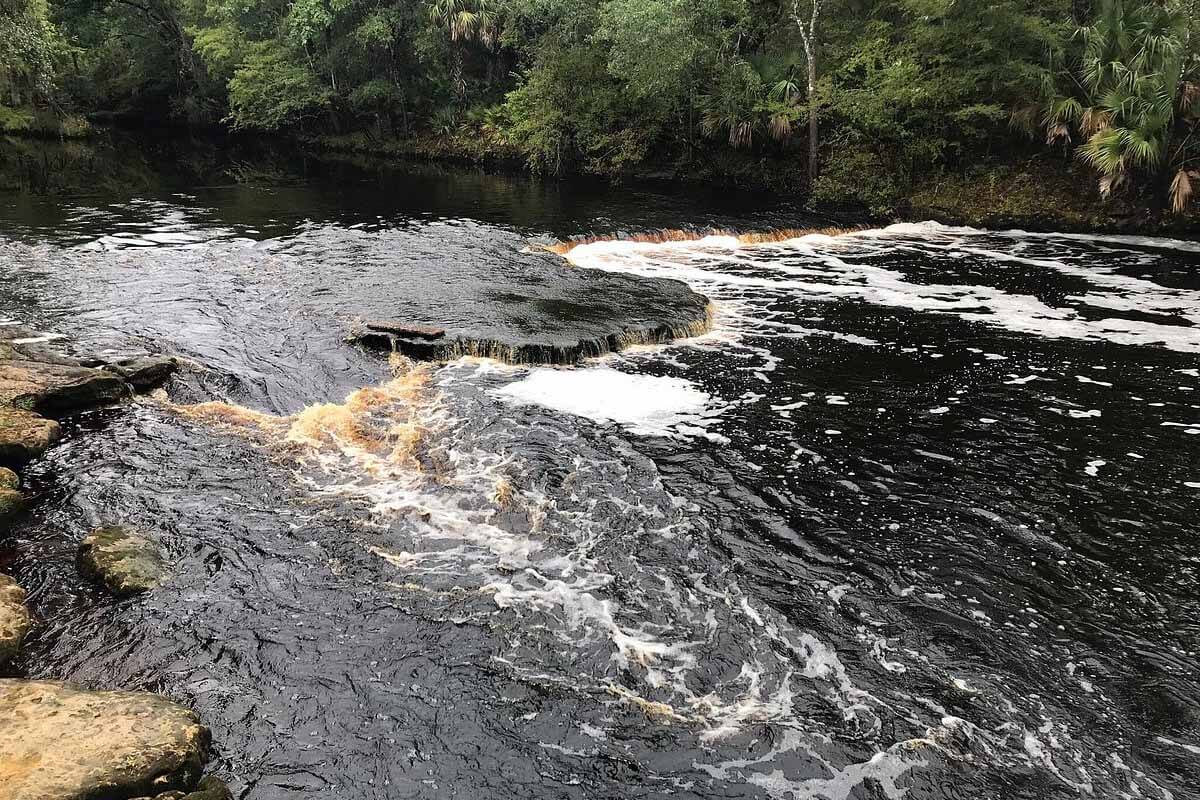
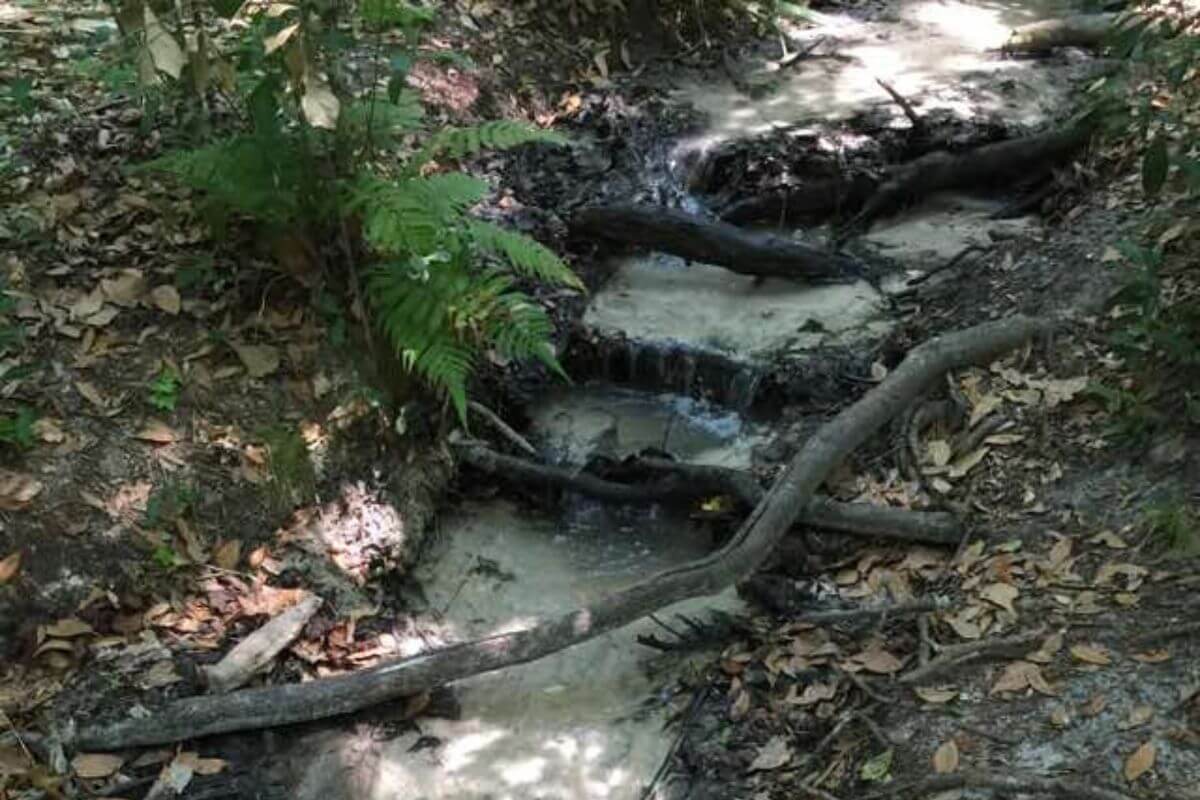
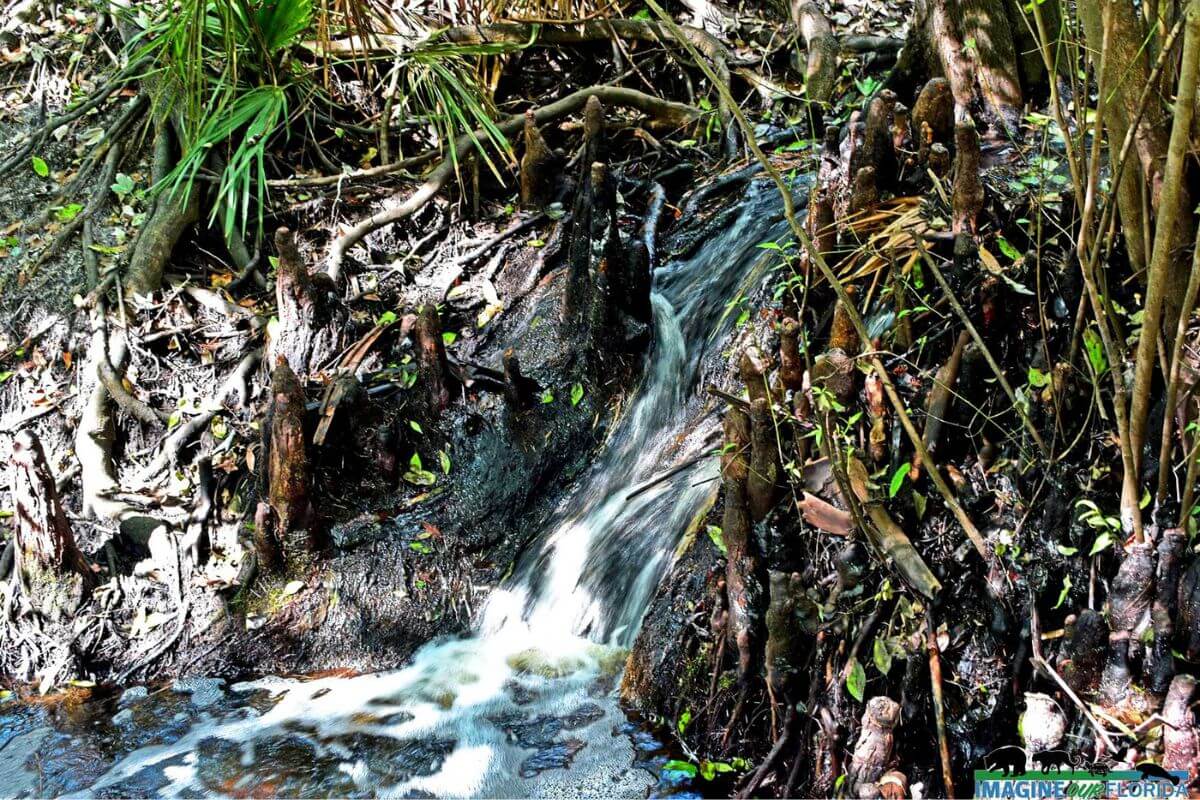
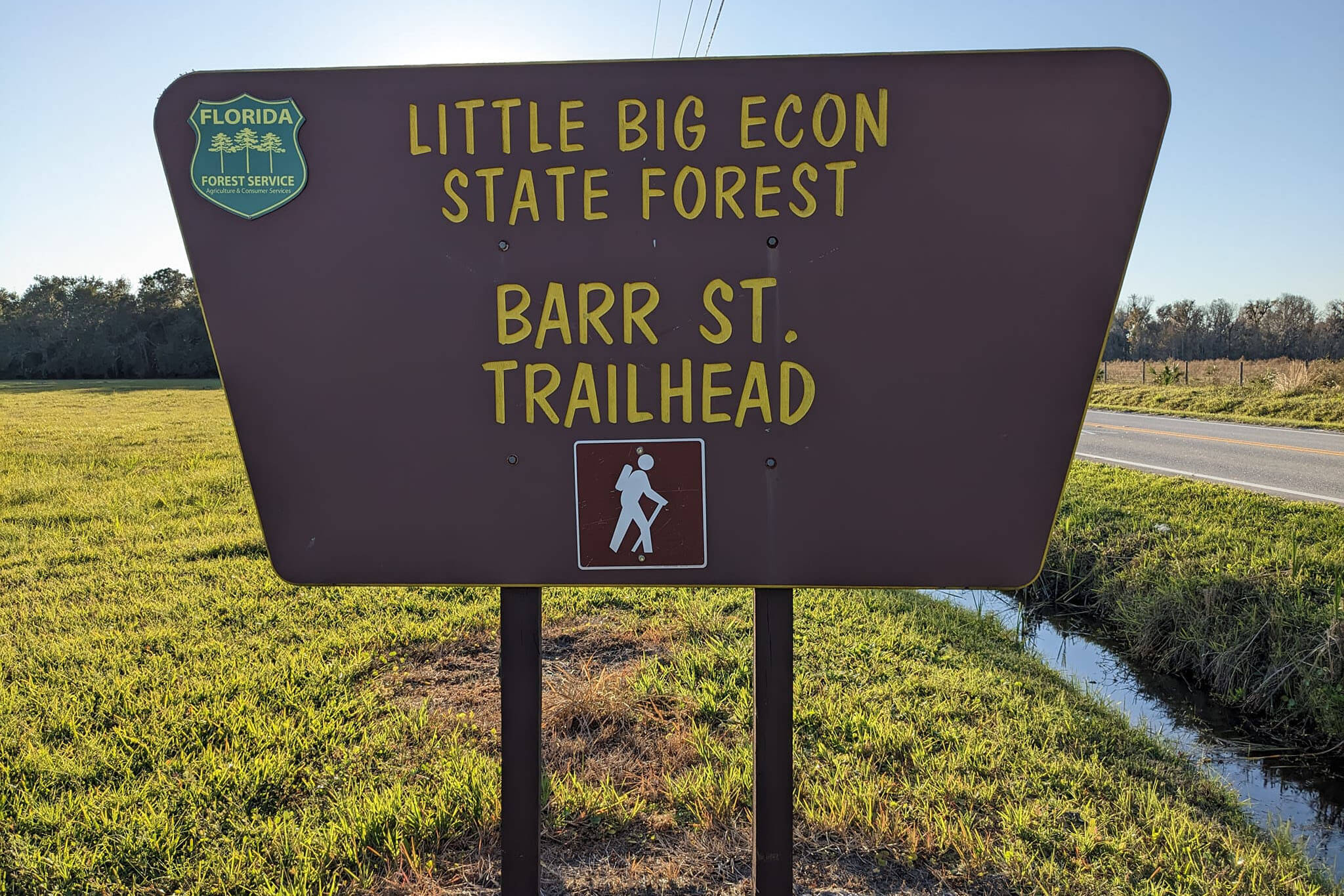
Tucked away within the expansive Little Big Econ State Forest, Boonie Falls is a beloved destination for dedicated hikers. Accessible via a scenic detour off the Florida National Scenic Trail near Lockwood Boulevard, the trail winds alongside the tea-colored waters of the Econlockhatchee River. The reward at the end of the trek is a quiet, natural trickle of water that epitomizes the secluded beauty of Florida’s wild river systems.
Southeast Florida: Cultural Cascades
Morikami Museum and Japanese Gardens (Delray Beach)
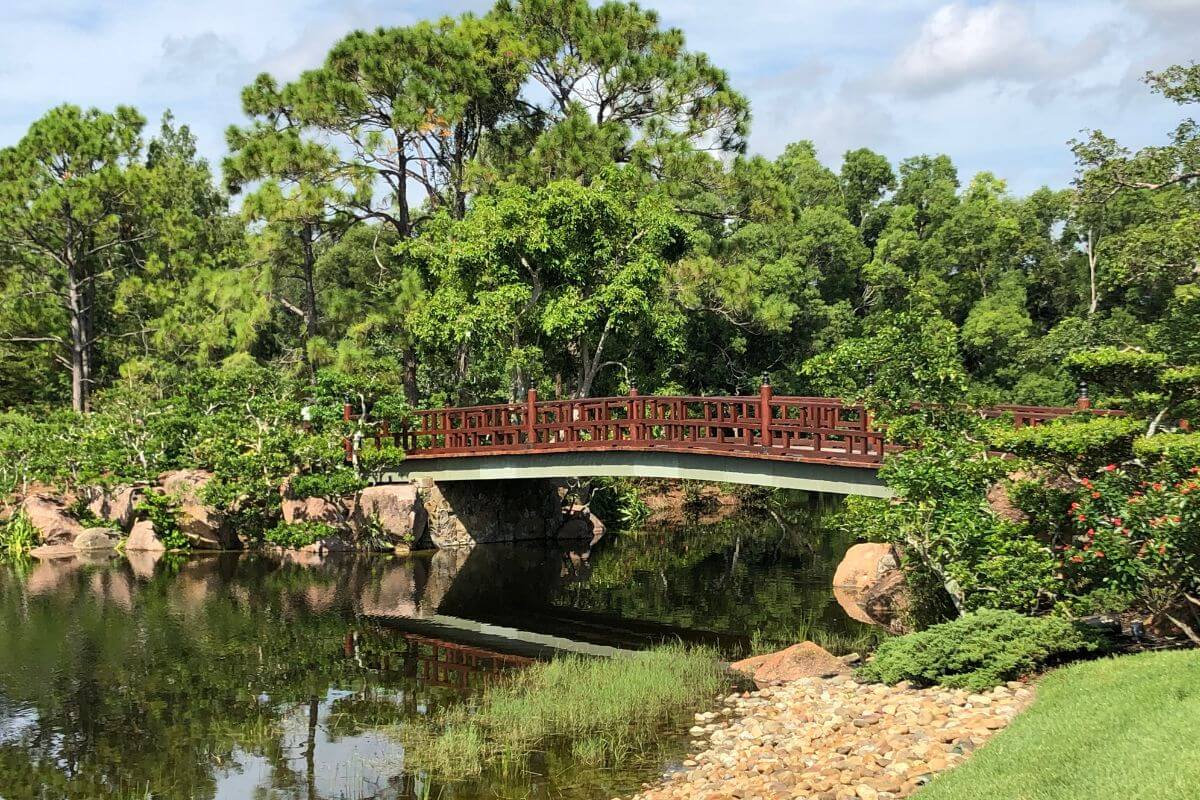
For travelers exploring Southeast Florida, the Morikami Museum and Japanese Gardens in Delray Beach offers an entirely different perspective on water features. Spanning 16 acres, this cultural institution features six distinct Japanese gardens designed to evoke profound spiritual tranquility.
While the waterfalls here are entirely artificial, constructed as part of traditional kaiyushiki (strolling) garden designs, their engineering and placement are masterclasses in landscape architecture. Water tumbles over carefully weathered boulders, feeding serene koi ponds framed by bamboo groves, Japanese maples, and manicured pines. These falls remind visitors that human artistry can successfully mirror the restorative power of nature.
Visiting Florida’s waterfalls requires an appreciation of the environmental and geographical metrics that govern these fragile ecosystems. Unlike mountainous states where snowmelt dictates waterfall vigor, Florida’s cascades are entirely dependent on seasonal precipitation patterns and regional groundwater tables.
Hydrological Dependence: Heavy summer rainy seasons (June through September) typically amplify the flow of natural waterfalls like those at Falling Waters and Hidden Waters. Conversely, prolonged dry spells can diminish flow rates, turning robust cascades into gentle trickles.
Elevation Extremes: While Florida’s average elevation is minimal, localized geologic uplift and sinkhole collapses in the Panhandle and Central Ridge create micro-reliefs, allowing water to drop vertically rather than flow horizontally.
Biodiversity Corridors: Many of these waterfall sites double as protected state forests and preserves, safeguarding critical habitats for endangered species, migratory birds, and native amphibians.
Essential Preparation and Safety Protocols
Embarking on a waterfall-focused road trip across Florida requires careful planning. Because the state’s climate can shift rapidly from intense heat to sudden downpours, hikers must adhere to strict outdoor safety guidelines:
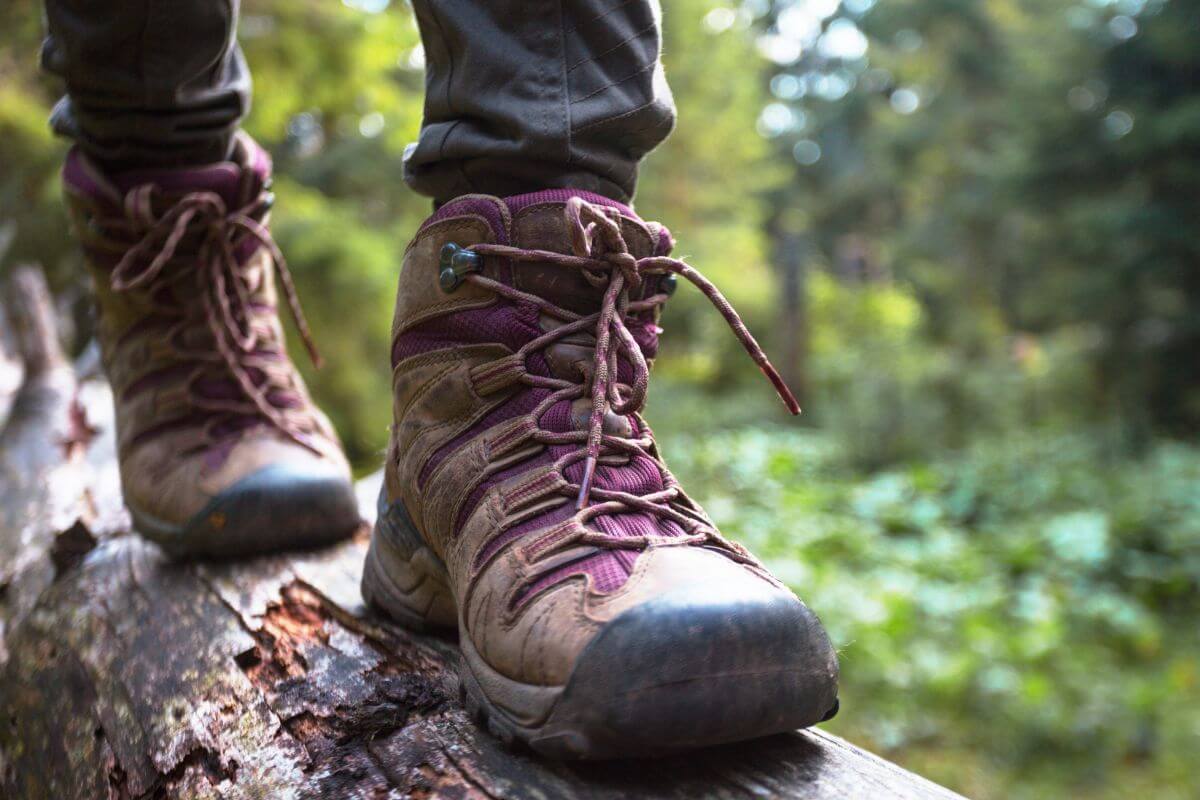
Footwear: Leave the flip-flops behind. Sturdy, closed-toe hiking boots are essential, particularly on the uneven limestone terrain around Steinhatchee Falls and the steep slopes of Hidden Waters Preserve.
Hydration and Nutrition: Subtropical humidity accelerates dehydration. Carry a high-capacity hydration pack, alongside electrolyte replacements and energy-dense snacks.
Pest and Sun Protection: Mosquitoes, ticks, and intense UV rays are constants in Florida’s wooded preserves. Pack broad-spectrum sunscreen, EPA-registered insect repellent, and lightweight, breathable clothing that covers arms and legs.
Trail Etiquette: Always stay on designated paths. Venturing off-trail causes severe erosion to delicate bank ecosystems and disturbs local wildlife, including venomous snakes and alligators that frequent freshwater environments.
Pre-Trip Verification: Before setting out, consult official state park websites or local ranger stations to verify trail conditions, water levels, and seasonal park hours.
Official Statements and Conservation Insights
Land managers and conservationists across Florida emphasize the delicate balance between public recreation and environmental preservation.
"Florida’s water resources are among our most precious and vulnerable assets," notes a spokesperson for the Florida Department of Environmental Protection. "Sites like Falling Waters and Rainbow Springs do more than provide scenic beauty; they serve as living laboratories that demonstrate the unique mechanics of our state’s aquifer and sinkhole systems. We urge every visitor to practice ‘Leave No Trace’ principles so these natural wonders remain pristine for generations to come."
Environmental scientists also point out that urban encroachment and groundwater extraction pose ongoing challenges to the subterranean hydrology feeding these features. Protecting surrounding green spaces is paramount to maintaining the natural flow of features like Boonie Falls and Bulls Bay Preserve.
Future Outlook: Sustainable Tourism and Eco-Exploration
As domestic tourism trends shift toward outdoor recreation, wellness travel, and eco-friendly road trips, interest in Florida’s lesser-known natural attractions is experiencing a steady resurgence. State and local agencies are responding by investing in trail maintenance, interpretive signage, and educational outreach programs designed to foster a deeper appreciation for Florida’s non-coastal environments.
In the years ahead, conservation initiatives will likely focus on expanding protected green corridors around fragile watersheds, ensuring that urban development does not choke off the delicate streams that feed these hidden cascades. For the traveler, this means that Florida’s waterfalls will continue to offer a peaceful, awe-inspiring alternative to the bustling tourist hubs—proving once and for all that the Sunshine State’s natural depth extends far beneath its sandy shores.





0 Comments