

Executive Overview
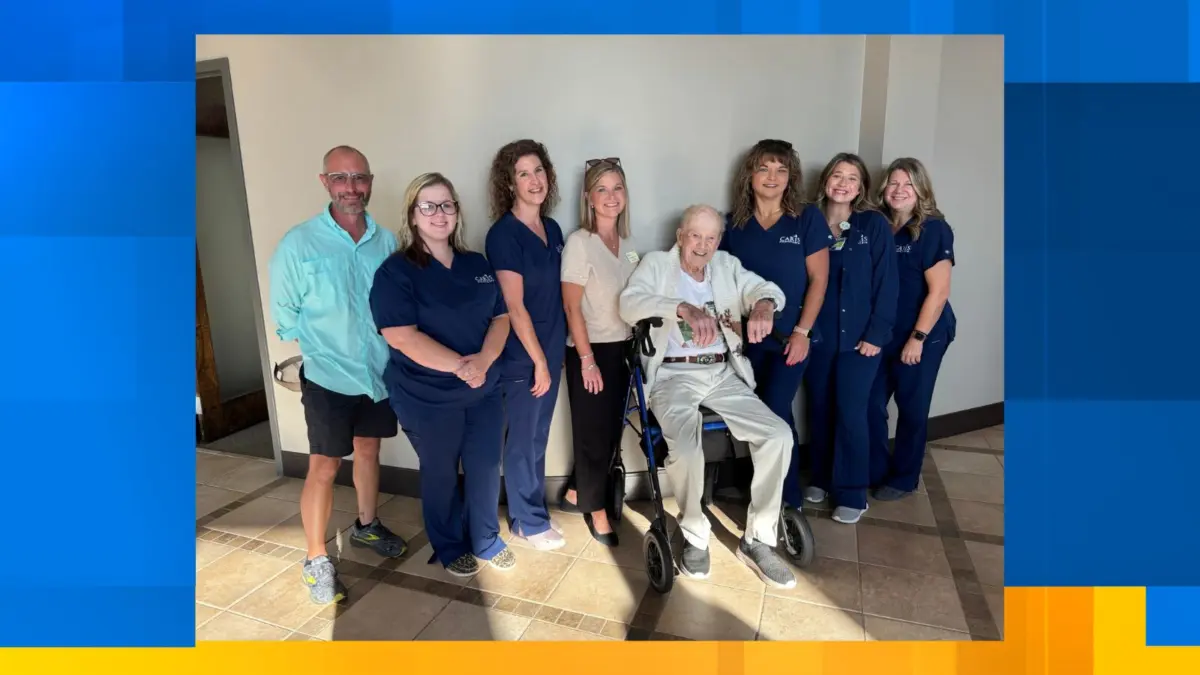
In an extraordinary demonstration of resilience, daring, and the unyielding human spirit, 93-year-old United States Army veteran Thomas Judge took to the skies on a crisp Thursday morning, checking the ultimate entry off his lifelong bucket list: an exhilarating, high-G stunt flight. Soaring high above the picturesque landscapes of Morristown, Tennessee, Judge experienced the adrenaline-pumping world of acrobatic aviation—a dream he had harbored for decades.
The awe-inspiring flight was made possible through a collaborative effort spearheaded by Caris Healthcare and its signature philanthropic and quality-of-life initiative, aptly named "The Three Most Important Things." This specialized program is designed to unearth the deeply personal preferences, unfulfilled wishes, and ultimate bucket-list ambitions of hospice patients, turning conceptual dreams into tangible, memory-making realities.
For Judge, a man who dedicated a portion of his life to serving his country in the U.S. Army, the call of the wild blue yonder never truly faded. When prompted by his care team to share the remaining experiences he wished to capture in this lifetime, Judge’s priorities crystallized around two lifelong passions: an abiding love for airplanes and a daring desire to experience the gravitational forces of stunt flying.
Rather than viewing these ambitions as logistically improbable given his age and medical status, his hospice care team mobilized a community partnership. Teaming up with local aviator and stunt pilot Eric Backsheider, the care providers transformed a simple questionnaire into an unforgettable airborne odyssey that departed from the Morristown Airport.
This comprehensive report examines the meticulous planning behind Judge’s flight, explores the broader medical and psychological impacts of fulfilling late-stage life goals, highlights the mechanics of the "Three Most Important Things" program, and presents official statements from the caregivers and pilots who bore witness to a truly historic day in East Tennessee aviation.
Detailed Chronology: From Concept to Cockpit
Uncovering the Dream: The Intake and Discovery Phase
The journey to the skies above Morristown did not begin on the tarmac; it started weeks prior within the quiet confines of routine hospice evaluations. Caris Healthcare’s care model pivots on a foundational philosophy: clinical excellence must be paired with emotional, psychological, and existential enrichment. Through "The Three Most Important Things" program, practitioners are trained to look past the immediate clinical needs of a patient and dig deep into their biographical identity.
During an assessment interview, Thomas Judge’s care team engaged him in detailed conversations regarding his personal history, his proud service in the United States Army, and the moments that brought him the greatest joy throughout his 93 years. While Judge spoke fondly of his military service and family milestones, his eyes lit up whenever the conversation drifted toward aviation. He recounted decades of watching aircraft cut through the clouds, reading historical aviation texts, and harboring a secret, burning ambition to feel what it was like to roll, pitch, and dive in an acrobatic aircraft.
Recognizing the gravity of this aspiration, the care team documented the request and immediately initiated an internal logistical review to determine its feasibility. Hospice social workers, nurses, and regional administrators banded together to form an ad-hoc planning committee dedicated entirely to getting Judge airborne.
Assembling the Flight Team: The Partnership with Eric Backsheider
Fulfilling a stunt flight for a 93-year-old hospice patient requires a delicate balance of uncompromising safety protocols and unbridled adventure. The care team needed an aviator who possessed not only peerless technical skill in acrobatic flight but also the patience, empathy, and communication style required to comfort and guide an elderly passenger through high-stress maneuvers.
The search quickly led to local pilot Eric Backsheider, a respected fixture in the East Tennessee aviation community known for his mastery of stunt flying and his deep reverence for veterans. Upon being approached by Caris Healthcare, Backsheider did not hesitate.
"When they told me about Thomas and what he wanted to do, there was never a question of if we could make it happen, but how quickly we could schedule it," Backsheider noted.
The pilot and the hospice medical staff held a series of pre-flight briefings. They reviewed Judge’s current health status, discussed optimal flight paths that would maximize the thrill while remaining safe, and ensured that emergency protocols were established well in advance. Medical personnel cleared Judge for the physical stresses of flight, confirming his vitals were stable enough to handle the G-forces associated with basic acrobatic maneuvers.
Liftoff at Morristown Airport: A Morning to Remember
On the morning of Thursday, September 16, anticipation reached a fever pitch at the Morristown Airport. Surrounded by a dedicated contingent of family members, hospice caregivers, and airport personnel, Thomas Judge arrived dressed for the occasion. Despite his 93 years, onlookers noted that his posture was upright, his gaze sharp, and his smile unwavering.
Following a thorough pre-flight safety walkthrough—during which Backsheider explained the mechanics of the aircraft, the function of the parachute, and the sensations Judge could expect during the flight—the veteran was securely strapped into the front cockpit of the stunt plane.
As the engine roared to life, the propeller kicked up a flurry of autumn air. The aircraft taxied down the runway, cleared the tarmac, and ascended gracefully into the Tennessee sky.
Spectators on the ground watched as the plane climbed to cruising altitude before Backsheider executed a series of smooth, controlled acrobatic maneuvers. For several breathtaking minutes, the aircraft traced elegant loops and rolls against the backdrop of the rolling East Tennessee hills and the distant Appalachian mountains. Inside the cockpit, Judge experienced the weightlessness of a dive and the press of gravitational forces, his face reportedly framed by an expression of pure, unadulterated joy.
Upon landing back at Morristown Airport, the aircraft taxied to a halt, and the canopy was lifted to reveal a beaming Thomas Judge. Greeted by a cascade of applause, handshakes, and cheers from his care team and loved ones, Judge stepped out of the aircraft having officially checked the most daring item off his bucket list.
Supporting Context & Metrics: The Science of Joy and Hospice Care
The Evolution of Palliative and Hospice Care
To fully understand the significance of Thomas Judge’s flight, one must examine the fundamental evolution of modern hospice care. Historically viewed as a passive medical specialty focused strictly on end-of-life comfort and pain management, contemporary hospice and palliative care models have undergone a revolutionary paradigm shift.
Today, leading providers recognize that quality of life is inextricably linked to psychological fulfillment, emotional closure, and the realization of personal dreams. Programs like Caris Healthcare’s "The Three Most Important Things" represent an evidence-based approach to holistic wellness. By addressing existential distress—often defined as a loss of meaning, purpose, or autonomy—care providers can significantly improve a patient’s mental health, which in turn positively impacts their physical well-being.
Psychological and Physiological Benefits of Bucket-List Fulfillment
Gerontologists and palliative care specialists have long studied the impact of goal-oriented interventions on elderly patients. When an individual reaches advanced age and enters hospice care, the scope of their personal agency can feel severely restricted. Mobility declines, chronic conditions flare up, and daily routines become increasingly medicalized.
Reintroducing agency through high-impact, joyful experiences yields measurable benefits:
- Neurochemical Boost: Exciting, novel experiences trigger the release of dopamine and endorphins, natural mood-elevating chemicals that reduce anxiety and depression.
- Reduction of Perceived Pain: Studies in behavioral medicine indicate that positive psychological engagement can alter pain perception, allowing patients to temporarily transcend chronic physical discomfort.
- Legacy and Family Bonding: Experiences like Judge’s stunt flight create enduring, positive memories for surviving family members, easing the grief process by replacing images of clinical decline with vibrant memories of triumph and adventure.
Demographics of Veteran Care in East Tennessee
East Tennessee boasts a rich tradition of military service, with thousands of veterans calling the region home. According to data from the Department of Veterans Affairs (VA) and regional health networks, aging veterans represent a critical demographic requiring specialized, empathetic care.
Programs that honor military service through tailored experiential rewards bridge the gap between institutional healthcare and community appreciation. For Thomas Judge, who served during a pivotal era in American military history, the stunt flight was not merely an amusement-park ride; it was a profound public acknowledgment of his service, proving that his community still valued his daring spirit.
Official Statements and Reflections
The emotional resonance of Thomas Judge’s flight rippled far beyond the cockpit, prompting heartfelt reflections from the medical professionals, caregivers, and aviation experts who orchestrated the event.
Perspectives from the Caregivers
Representatives from Caris Healthcare emphasized that while medical interventions are the daily bread and butter of hospice care, moments of transcendent joy are what truly define their mission.
"This special morning was a poignant reminder of the power of bringing joy, adventure, and dignity to patients and their families while celebrating a lifetime of service and spirit," noted a spokesperson for Caris Healthcare’s regional care team.
Caregivers who accompanied Judge to the airport spoke candidly about the transformative power of the experience. Nurses noted that leading up to the flight, Judge exhibited a renewed sense of vigor and excitement that surpassed his baseline demeanor. The anticipation of the event served as a powerful mental anchor, giving him something extraordinary to look forward to.
The Pilot’s Perspective: Eric Backsheider
For local aviator Eric Backsheider, taking a 93-year-old veteran up for stunt maneuvers was an honor that transcended typical flight operations.
"When you meet someone like Thomas, you are looking at a man who has lived through history, served his country, and maintained an adventurous heart through it all," Backsheider shared following the flight. "To be able to share my love of flying with him, to watch his reaction as we rolled through the sky—it is easily one of the most rewarding moments of my entire aviation career. Age is truly just a number when your spirit is this young."
Future Outlook: The Expanding Impact of Experiential Healthcare
The widespread public attention garnered by Thomas Judge’s stunt flight highlights a growing cultural appetite for innovative, patient-centric care models. As healthcare systems look toward the future, the integration of experiential wellness initiatives into standard palliative and hospice care protocols is expected to accelerate.
Replicating the Model Across Healthcare Networks
The success of Caris Healthcare’s "The Three Most Important Things" initiative serves as a blueprint for other medical organizations across the United States. Industry analysts predict an increase in interdisciplinary partnerships—such as those forged between healthcare providers, local aviation clubs, motorsports venues, and cultural institutions—designed to safely fulfill the high-octane dreams of aging populations.
Key trends shaping the future of experiential eldercare include:
- Personalized Wish-Granting Infrastructure: Institutionalizing intake questionnaires that systematically capture bucket-list goals upon admission to hospice care.
- Risk-Mitigated Adventure Protocols: Developing standardized medical clearance frameworks that allow elderly patients to safely participate in high-adrenaline activities (such as stunt flying, hot air ballooning, and racecar driving experiences) under clinical supervision.
- Community-Driven Partnerships: Cultivating robust networks of local volunteers, hobbyists, and business owners eager to donate their time, equipment, and expertise to enrich the lives of seniors.
A Lasting Legacy
Ultimately, Thomas Judge’s flight over Morristown, Tennessee, serves as an inspiring testament to the fact that curiosity, courage, and a desire for adventure do not expire with age.
As the aviation community and healthcare providers alike celebrate this remarkable milestone, Judge’s story stands as a beacon of encouragement for patients, families, and caregivers everywhere. It reminds us all that no matter where you are on life’s journey, it is never too late to look up at the clouds, seize the moment, and chase the extraordinary.

0 Comments