
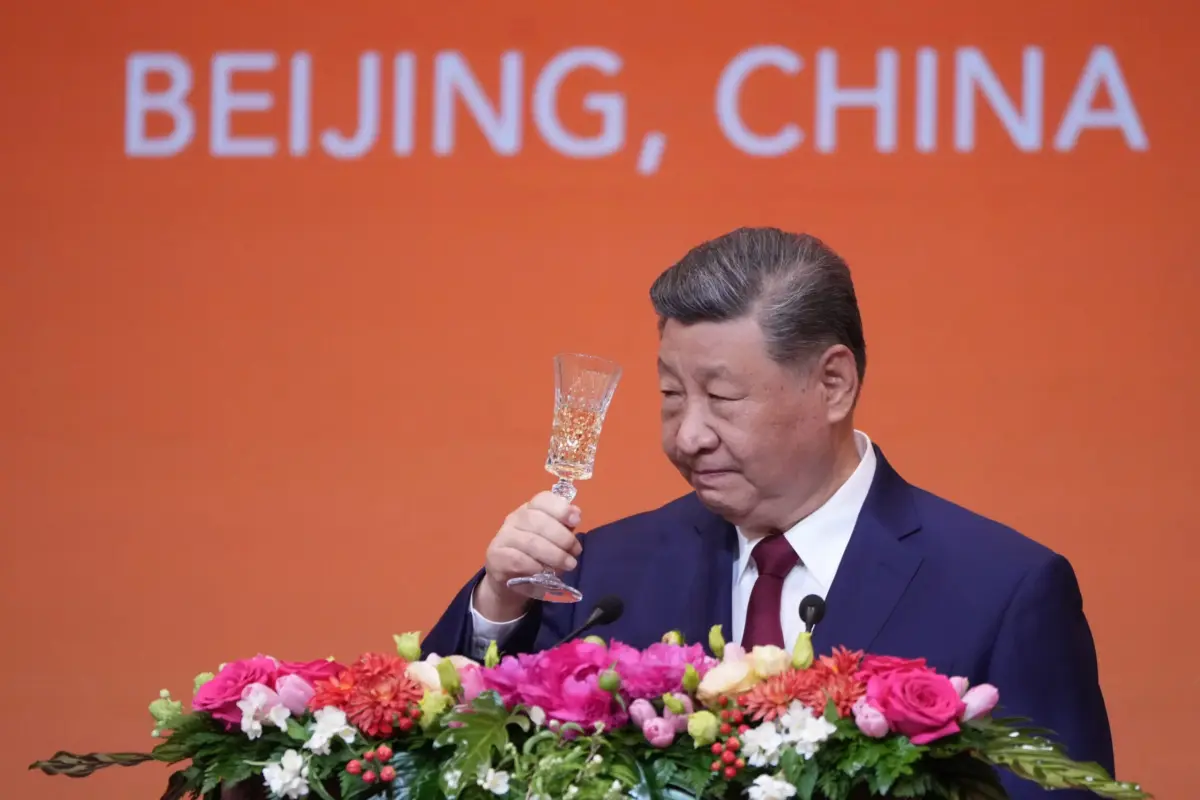

WASHINGTON — When Donald Trump first ascended to the American political stage a decade ago, his foundational economic grievance was built upon an uncompromising, populist critique of the People’s Republic of China. Campaigning across the industrial heartland of the United States, Trump routinely labeled Beijing an existential economic menace. He argued that aggressive Chinese trade practices, predatory currency manipulation, and systematic intellectual property theft had hollowed out America’s manufacturing core, shuttered its factories, and steadily eroded the economic security of the domestic middle class.
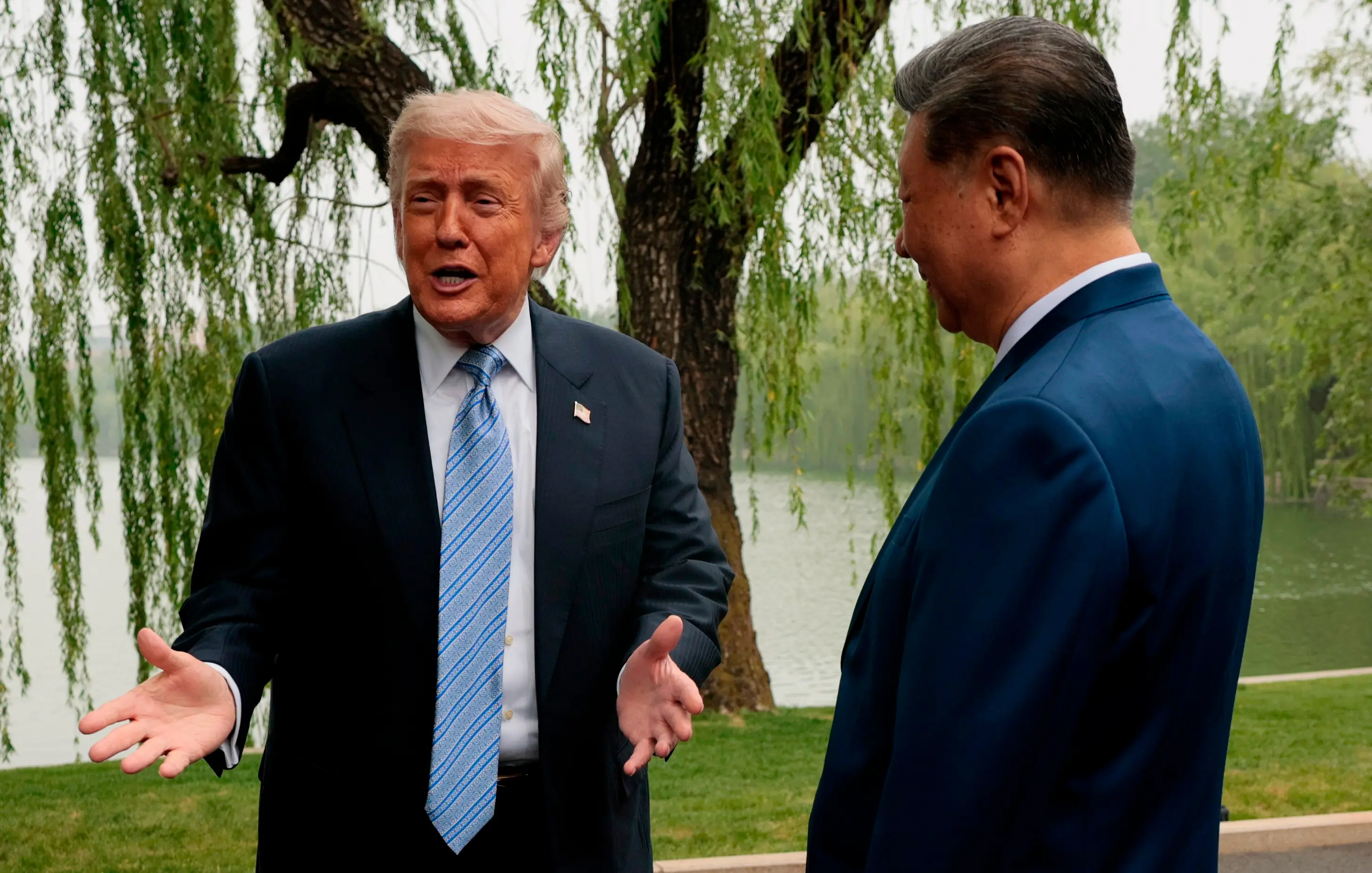
That signature brand of economic nationalism and confrontational rhetoric provided the political catalyst that propelled Trump to the White House. Yet, a decade later, the tenor of his administration’s foreign policy has undergone a striking metamorphosis. Rather than escalating the bitter trade confrontations of his first term, Trump has increasingly adopted a conciliatory, praise-laden lexicon when discussing Chinese President Xi Jinping—the geopolitical rival whom the U.S. president welcomed to Washington for a high-profile state dinner.
"He’s a great gentleman; we get along great," Trump remarked in a recent interview, striking a tone vastly different from his earlier campaigns. "We have a very good trading relationship and, you know, they’re a competitor and all of that, but we have a very good relationship with President Xi."
This shift from adversarial rhetoric to diplomatic accommodation has raised profound questions among foreign policy analysts, international economists, and traditional Western allies. As Washington and Beijing remain locked in a generational contest for global leadership—spanning advanced technologies, supply chain dominance, and geopolitical influence—Trump’s personalized diplomacy has introduced a new, highly unpredictable dynamic into international relations.
Executive Overview
The transformation of Donald Trump’s policy toward China represents one of the most consequential strategic pivots in modern American foreign policy. Once characterized by sweeping tariffs, technological decoupling, and fiery diplomatic standoffs, the relationship has shifted toward a framework governed heavily by personal rapport, temporary trade truces, and transactional diplomacy.
This article examines the multifaceted drivers behind this evolution. Key takeaways include:
- The Limits of Economic Coercion: Trump’s initial strategy of deploying aggressive, broad-based tariffs against China encountered severe structural roadblocks, notably Beijing’s near-monopoly on critical rare earth minerals and strategic supply chains.
- Fractured Western Alliances: While pursuing a personalized rapport with Xi Jinping, Trump has simultaneously strained relations with traditional Western allies in Europe and North America through unilateral trade actions and pointed rhetoric.
- The Technological Frontier: Despite mounting geopolitical competition in artificial intelligence (AI) and green technology, the Trump administration has occasionally softened its posture, framing bilateral stability and high-level engagement as preferable to chaotic escalation.
- Symbolism Over Policy Deliverables: The state visit and accompanying high-level summits prioritize diplomatic optics and personal chemistry over binding, measurable policy breakthroughs, leaving critical long-term structural issues unresolved.
Detailed Chronology: From Trade War to Diplomatic Accommodation
The trajectory of U.S.-China relations under Trump’s tenure has oscillated wildly, marked by escalating retaliatory measures followed by strategic recalibrations.
Phase One: The Tariff Confrontation (2018–2025)
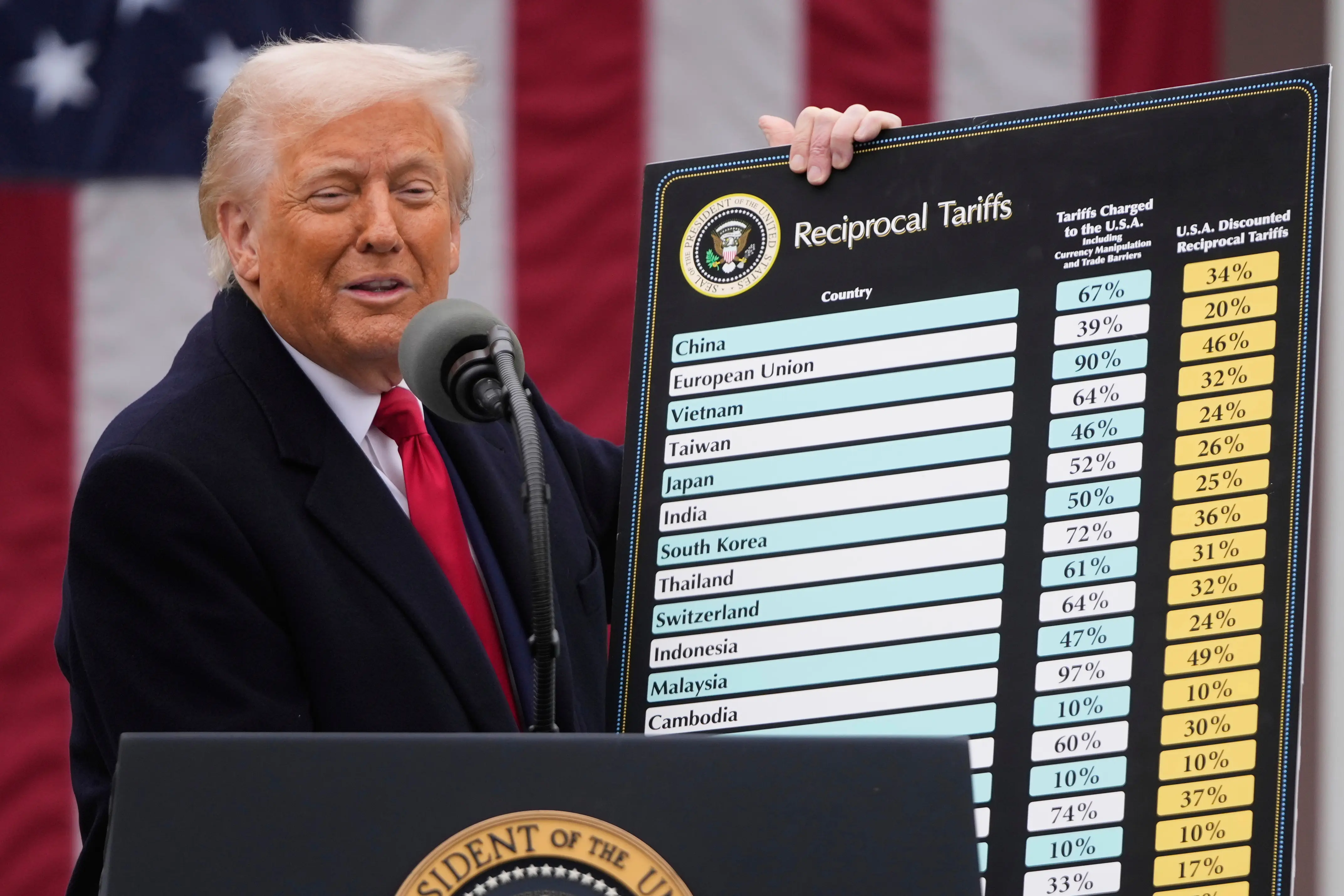
During his initial years in office and continuing into subsequent policy rollouts, Trump sought to force structural economic reforms in Beijing through an aggressive barrage of tariffs and export controls. The administration imposed levies on hundreds of billions of dollars worth of Chinese imports, aiming to force American supply chains to decouple from China and relocate back to domestic soil or allied nations.
However, this strategy triggered fierce retaliatory tariffs from Beijing, creating severe headwinds for American agricultural exporters and industrial manufacturers. More critically, the conflict exposed profound structural vulnerabilities within Western supply chains. China leveraged its dominant control over critical rare earth elements—essential for advanced electronics, defense systems, and green energy infrastructure—effectively neutralizing American pressure and forcing a tactical retreat into a trade armistice.
Phase Two: Strategic Recalibration and Personal Diplomacy (2025–2026)
Recognizing the limitations of unyielding economic warfare, Trump shifted toward a strategy prioritizing direct, high-level engagement with President Xi Jinping.
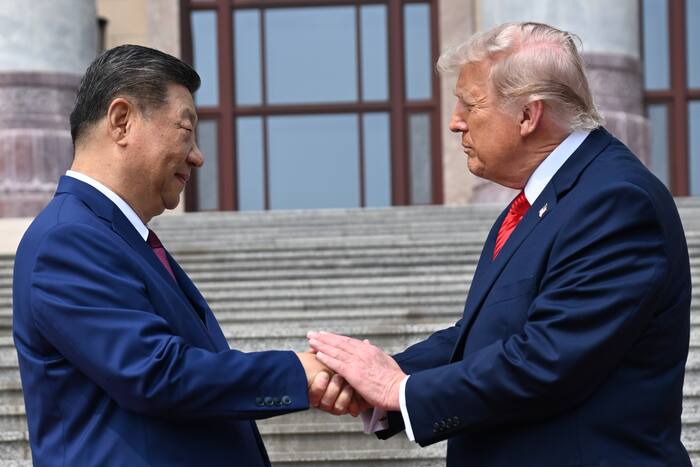
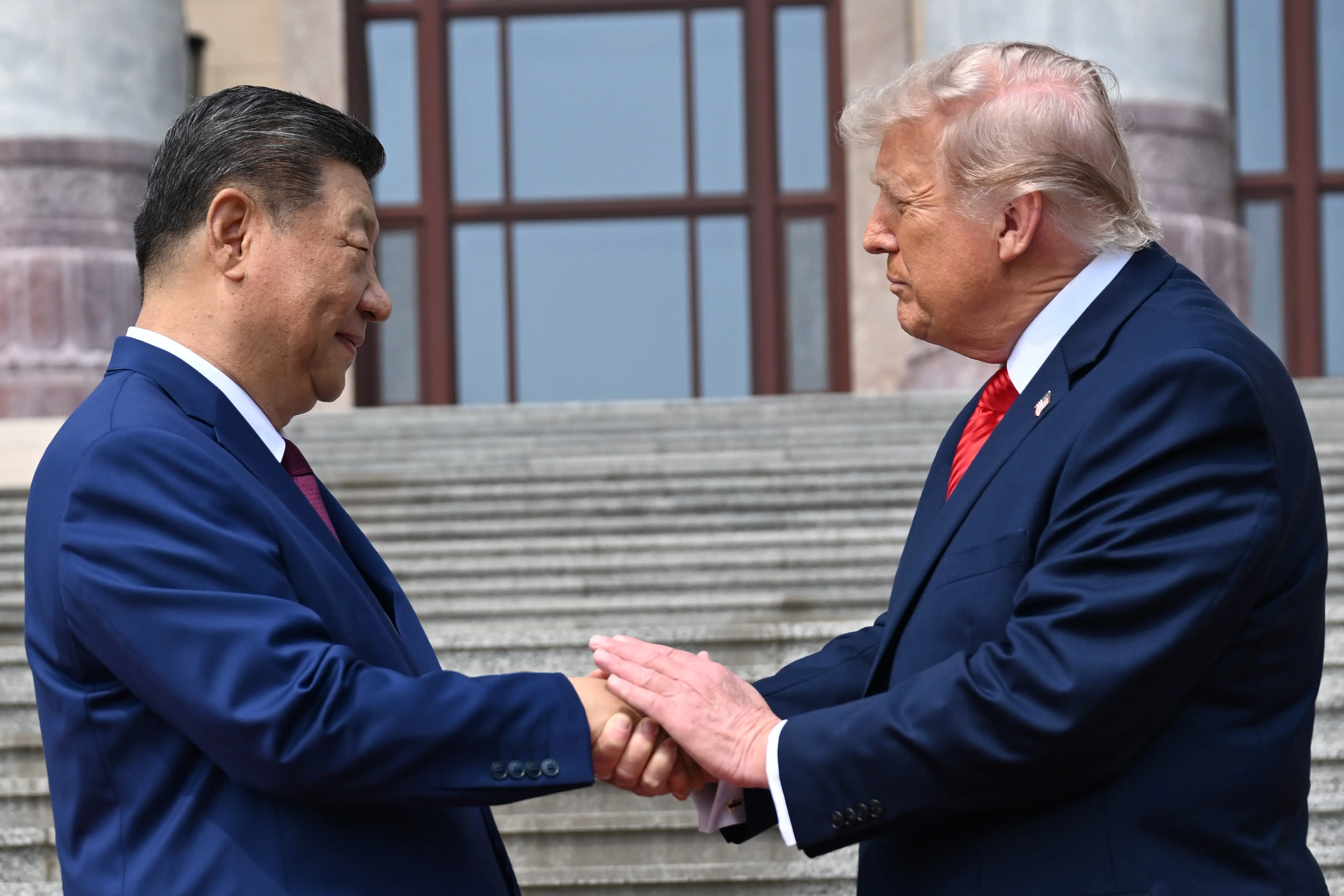
- May 2026: President Trump traveled to Beijing for a high-stakes diplomatic visit, engaging in extensive discussions with Xi at the Great Hall of the People and the Zhongnanhai Garden. This trip laid the groundwork for reciprocal state visits, signaling a normalization of high-level communication channels despite lingering systemic tensions.
- Mid-2026: Preparations accelerated at the White House for Xi’s reciprocal visit to Washington. Infrastructure modifications, including the readiness of a dedicated helipad on the South Lawn, underscored the administration’s focus on rolling out the red carpet for the Chinese leader.
- The Current State Visit: The arrival of President Xi in Washington and the hosting of a formal state dinner mark a high watermark in the two leaders’ personal engagement, contrasting sharply with the multilateral, institutional approaches favored by previous administrations.
Supporting Context & Metrics: The Economic and Geopolitical Landscape
To fully understand the shift in U.S. strategy, one must examine the broader economic data and geopolitical currents shaping the bilateral relationship.
Trade Imbalances and Supply Chain Routing
According to recent figures from the U.S. Census Bureau, the direct bilateral trade deficit in goods with China has seen a relative decline compared to baseline periods in 2025. However, trade economists note that this metric may be misleading. Much of the apparent reduction is attributed to "transshipment"—a process where Chinese manufacturers reroute goods through intermediary nations, such as Vietnam and Mexico, to bypass direct U.S. tariffs.
Meanwhile, China’s broader manufacturing sector has continued to expand aggressively, fueled by state-directed industrial policies. Last year, China recorded a staggering $1.2 trillion global trade surplus. Low-priced Chinese electric vehicles (EVs), solar panels, and consumer goods have flooded international markets, undercutting domestic manufacturing sectors in Germany, France, Italy, South Korea, and Japan, and challenging the economic stability of key U.S. allies.
The Geopolitical Wedge and Western Alliances
Michael Kovrig, a senior adviser at the International Crisis Group and former Canadian diplomat, points out that Trump’s approach to traditional alliances has inadvertently benefited Beijing’s grand strategy.
"Trump has dramatically shifted his approach to China because his initial attempt to use super-high tariffs and export restrictions was unsuccessful," Kovrig explained. "Xi and Trump got into a contest of leverage, and Xi came out on top."
Kovrig notes that Trump’s frequent rhetorical clashes with traditional Western partners—such as mocking French President Emmanuel Macron, displaying ambivalence toward NATO following European hesitance regarding U.S. military actions in Iran, and launching severe trade disputes with Canada—have played directly into Beijing’s hands. By alienating democratic allies, Washington has inadvertently facilitated China’s diplomatic outreach, leading a wave of Western leaders to visit Beijing to stabilize their own relations independently of American leadership.
Official Statements and Divergent Perspectives
The divergence between the administration’s optimistic rhetoric and the concerns of national security analysts was on full display in the weeks leading up to the state visit.
The Administration’s Defense of Personal Diplomacy
Defenders of the president’s approach argue that maintaining an open, amicable dialogue with Beijing is essential for global stability and economic pragmatism. Trump has consistently minimized aggressive actions by China, shrugging off reports of Chinese satellite imagery assistance to Iran by declaring, "I think he’s behaved reasonably well." Regarding past cyber incursions and voter-file access issues, Trump suggested a pragmatic evolution: "I think China is maybe a little bit different today than it was then."
Administration officials have echoed this pragmatic, de-escalatory stance. Speaking to reporters at the White House, Attorney General Todd Blanche cautioned against sweeping generalizations regarding Beijing’s behavior, particularly concerning emerging technologies.
"It’s unfair to just label China as a country" as being a blanket bad actor, Blanche stated. When pressed on whether President Trump would confront Xi on sensitive technological security matters, Blanche emphasized the underlying strength of the personal dynamic: "Those two presidents have a great relationship… They get along, they make deals together."
Warnings from Policy Experts
Conversely, academic and national security experts warn that prioritizing personal optics over hard-nosed policy confrontation leaves the United States strategically disadvantaged.
Evan Medeiros, a professor at Georgetown University and former National Security Council director for Asian affairs under the Obama administration, cautioned that the current diplomatic trajectory lacks substantive policy achievements.
"We have this idiosyncratic president who believes in personal relationships and just wants to get along with Xi Jinping for the optics of getting along with him," Medeiros observed. "The problem is that this idiosyncratic approach is coming at precisely the time when we really need to be amping up all dimensions of our competition."
Future Outlook: The Artificial Intelligence Race and Strategic Retrenchment
As both superpowers utilize the current diplomatic truce to retrench, the next frontier of global competition has shifted decisively toward artificial intelligence (AI), advanced semiconductors, and critical infrastructure.
The AI Imperative
President Trump has framed AI development as an absolute national security and economic imperative, asserting that the technology will serve as "the Greatest Economic Development Engine in History — Bigger than Oil, Gold, Diamonds, or even the Internet."
Trump has argued vigorously against implementing restrictive domestic guardrails or slowing down technological development, warning that any self-imposed limitations would effectively hand a strategic victory to Beijing. This position persists despite domestic voter resistance to the massive energy demands of data centers and urgent safety warnings issued by leading AI research firms.
However, significant challenges remain. U.S. intelligence and technology sectors have repeatedly raised alarms over Chinese AI firms reportedly training advanced models on U.S.-developed architectures, highlighting the difficulty of maintaining technological supremacy in an interconnected digital economy.
Looking Ahead to Future Summits
With President Xi’s visit to Washington underway, political observers remain divided on whether the summit will yield concrete policy deliverables or remain purely symbolic. While the two leaders are expected to discuss economic stabilization, rare earth supply chains, and technological cooperation, the enduring reality is that the trajectory of U.S.-China relations is increasingly tethered to the personal rapport between Donald Trump and Xi Jinping.
Whether this personalized approach will succeed in securing long-term American strategic interests—or whether it will allow Beijing to quietly consolidate its global dominance—remains the defining geopolitical question of the decade.

0 Comments