

The Florida real estate market continues to be one of the most dynamic, highly competitive, and economically influential sectors in the United States. As population influxes, shifting economic policies, and evolving consumer demands reshape the landscape of the Sunshine State, the role of seasoned real estate professionals has never been more critical. At the forefront of this bustling market is Jay Quigley, an established practitioner with Florida Executive Realty operating within the vibrant Tampa Bay region.
This comprehensive report examines the structural framework of Florida’s real estate ecosystem, the micro-market conditions defining the Greater Tampa area, and the professional standards upheld by agents affiliated with major local boards such as the Suncoast Tampa Association of Realtors. By analyzing the intersection of brokerage operations, regional housing inventory, and professional brokerage profiles like Quigley’s, industry stakeholders can gain a clearer perspective on what drives success in today’s complex property market.
Detailed Chronology: The Evolution of Modern Real Estate Practice in Tampa Bay
To understand the current standing of brokerage professionals like Jay Quigley within Florida Executive Realty, it is essential to trace the historical progression of real estate services in the Tampa metropolitan area over the past two decades.
Phase I: The Foundation and Expansion (Early 2000s – 2010)
The early 2000s marked a period of unprecedented expansion across Central and Southwest Florida. Driven by low interest rates, speculative investing, and rapid suburban development, the Tampa housing market experienced explosive growth. During this era, agencies like Florida Executive Realty established themselves by offering specialized, client-centric brokerage services designed to navigate complex transactions.
However, the subsequent market correction of 2008–2010 fundamentally altered the industry. Regulatory frameworks tightened, state licensing requirements became more rigorous, and the emphasis shifted away from speculative flipping toward sustainable, long-term property valuation and advisory services. Professionals who survived and thrived during this era—such as those operating under established independent and regional brokerages—had to adapt quickly to short sales, foreclosures, and distressed asset management.
Phase II: The Recovery and Technological Integration (2011 – 2019)
As the market recovered through the 2010s, technology revolutionized how real estate was bought and sold. Multiple Listing Services (MLS) transitioned into highly sophisticated digital ecosystems, and consumer portals democratized property data.
During this phase, agents affiliated with the Suncoast Tampa Association of Realtors integrated advanced digital marketing, customer relationship management (CRM) systems, and data analytics into their daily workflows. Brokerages like Florida Executive Realty positioned themselves at the intersection of traditional relationship-based real estate and modern prop-tech innovations, ensuring that agents could service an increasingly tech-savvy clientele relocating from high-tax northeastern and midwestern states.
Phase III: The Pandemic Boom and Post-Pandemic Normalization (2020 – Present)
The COVID-19 pandemic triggered a historic migration pattern into Florida, colloquially known as the "Sunshine Exodus." Tampa emerged as a premier destination for remote workers, retirees, and corporations relocating their headquarters.
Amidst historic inventory shortages, skyrocketing home valuations, and fluctuating interest rate environments, the day-to-day responsibilities of agents expanded dramatically. Practitioners like Jay Quigley, operating out of key operational nodes in Hillsborough County (such as the Amberly Drive and Sexton Court corridors), found themselves acting not just as sales agents, but as strategic advisors helping clients navigate bidding wars, supply chain delays in new construction, and complex financing structures.
Supporting Context & Metrics: The Tampa Bay Housing Ecosystem
To contextualize the professional environment in which Florida Executive Realty operates, one must analyze the broader economic and demographic indicators driving the Tampa real estate market.
Population Growth and In-Migration Dynamics
According to recent demographic studies by the University of Florida’s Bureau of Economic and Business Research (BEBR) and the U.S. Census Bureau, Florida continues to welcome hundreds of new residents daily. The Tampa-St. Petersburg-Clearwater Metropolitan Statistical Area (MSA) consistently ranks among the top destinations for domestic migration.
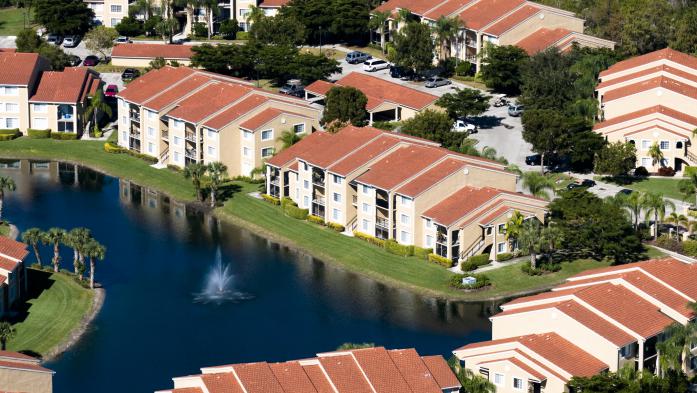
This sustained population growth places continuous upward pressure on housing demand. Single-family homes, townhomes, and multi-family units in suburban corridors (such as New Tampa, Wesley Chapel, and Lutz) remain highly sought after. Agents operating in these sub-markets must possess hyper-local expertise to identify emerging inventory and advise buyers on competitive positioning.
Inventory, Pricing, and Interest Rate Sensitivities
The post-pandemic market has been characterized by a delicate balance between buyer demand and constrained inventory. While home price appreciation has moderated compared to the unprecedented spikes of 2021–2022, values remain structurally elevated due to fundamental supply shortages.
- Days on Market (DOM): Properties correctly priced from inception continue to move swiftly, though rising mortgage rates have introduced a layer of consumer hesitation, leading to more balanced negotiation tables.
- Affordability Index: Housing affordability remains a central topic of discussion among regional policymakers and real estate boards. Agents are increasingly tasked with finding creative financing solutions, educating buyers on assumable mortgages, and identifying up-and-coming neighborhoods that offer better value propositions.
The Role of Institutional Governance: Florida Realtors and Local Boards
Professional conduct, ethical standards, and continuing education within the state are heavily regulated and supported by institutional bodies.
- Florida Realtors: As the state’s largest professional trade association, Florida Realtors provides legislative advocacy, standardized legal forms, and market research that empower local practitioners.
- Suncoast Tampa Association of Realtors: Serving thousands of professionals across the region, local boards ensure adherence to the REALTOR® Code of Ethics, facilitate networking, and provide localized MLS data access. Agents registered under these bodies—identified by unique credentials such as Realtor ID 2351034—are bound by strict ethical guidelines designed to protect consumers in every transaction.
Official Statements and Industry Insights
Leadership figures within Florida’s real estate sector frequently emphasize the importance of adaptability, integrity, and community integration. While individual brokerages maintain distinct corporate cultures, common philosophies unite top-performing agencies across the state.

"The modern Florida real estate market demands a higher caliber of professionalism than ever before. Consumers are better informed, transactions are more complex, and economic variables shift rapidly. Success belongs to those who combine deep local roots with unwavering ethical standards."
— Industry Association Spokesperson
Brokerages like Florida Executive Realty have built their reputations on fostering environments where agents can leverage collective institutional knowledge while maintaining independent, client-first business models. Leadership often underscores that a successful real estate transaction is built on three foundational pillars:
- Market Intelligence: Accurate, real-time data interpretation regarding neighborhood trends, zoning laws, and pricing metrics.
- Negotiation Mastery: Navigating multi-offer scenarios, inspection contingencies, and appraisal gaps with poise and strategic foresight.
- Client Advocacy: Prioritizing the long-term financial and personal well-being of buyers and sellers above short-term transactional gains.
Practitioners embedded within these networks—such as Jay Quigley—exemplify these operational standards by maintaining active engagement with regional boards and utilizing localized office infrastructures (spanning administrative hubs like Amberly Drive and residential service zones) to maintain proximity to their client base.
Future Outlook: Navigating the Road Ahead for Florida Real Estate
As the real estate landscape looks toward the remainder of the decade, several key trends are poised to shape the trajectory of the market in Tampa and across Florida.
Technological Integration and AI in Brokerage Operations
Artificial intelligence, automated valuation models (AVMs), and virtual reality walkthroughs are rapidly transitioning from novelties to standard operational tools. Future-facing brokerages are investing heavily in tech stacks that allow agents to streamline administrative tasks, thereby dedicating more time to high-value client advisory services. However, industry experts agree that technology will augment, rather than replace, the human element in real estate. The nuanced emotional and strategic guidance provided by an experienced agent remains irreplaceable.

Sustainability, Climate Resilience, and Insurance Dynamics
Florida’s unique geographic positioning brings distinct challenges regarding climate resilience, building codes, and property insurance costs.
- Insurance Market Reforms: Recent legislative sessions in Tallahassee have focused on stabilizing the state’s property insurance market, a critical factor influencing buyer confidence and monthly housing costs.
- Resilient Construction: Newer developments and master-planned communities are increasingly incorporating advanced storm-resistant construction materials, elevated foundations, and sustainable energy solutions. Real estate professionals must be well-versed in these technical specifications to properly advise environmentally and financially conscious consumers.
Conclusion
The strength of Florida’s real estate market lies in its resilience, adaptability, and the high standard of professionalism maintained by its practitioners. From regional brokerage networks to local association members, industry participants continue to steer the market through economic shifts and demographic transitions. As Tampa cements its status as a premier economic and cultural hub in the American Southeast, the expertise of seasoned professionals operating within organizations like Florida Executive Realty will remain vital to the continued growth and stability of the region’s housing market.

0 Comments