

Executive Overview
As the state of Florida braced for what meteorologists projected would be a catastrophic and rapidly intensifying weather event, the machinery of state government began taking proactive measures to safeguard personnel and maintain operational resilience. On September 24, 2024, Florida Senate President Kathleen Passidomo issued a formal memorandum to all senators and senate staff announcing the immediate closure of all Tallahassee-based Senate offices. The mandated shutdown, spanning Wednesday, September 25 through Friday, September 27, was enacted out of an abundance of caution as the atmospheric disturbance churning in the Caribbean and southern Gulf of Mexico gathered unprecedented energy on a direct trajectory toward Florida’s Gulf Coast.
The decision to shutter the legislative headquarters in the state capital highlighted the gravity of the impending crisis. Hurricane Helene, fueled by unusually warm Gulf of Mexico surface temperatures and favorable upper-level atmospheric conditions, threatened to evolve into a major hurricane capable of delivering catastrophic storm surge, destructive winds, and widespread inland flooding. By clearing non-essential personnel from Tallahassee ahead of the storm’s landfall, leadership aimed to achieve a dual objective: ensuring the personal safety of legislative employees and their families while simultaneously mitigating traffic congestion and strain on local infrastructure as millions of residents along the vulnerable coastline initiated evacuations.
While the Tallahassee headquarters ordered a complete operational pause for the latter half of the workweek, the directive afforded individual senators discretionary authority over the operation of their local district offices, which were spread across regions anticipated to experience the brunt of the storm’s fury. The memorandum also anticipated the inevitable collapse of critical communications infrastructure, establishing clear, albeit flexible, protocols for post-storm damage reporting and accountability among staff. This comprehensive institutional response underscored the profound disruption that major tropical systems inflict upon state governance, even as lawmakers and administrators pivot rapidly from policymaking to disaster management and public safety coordination.
Detailed Chronology
The Genesis of a Threat: September 21–23, 2024
The meteorological narrative that led to the September 24 closure order began days prior, as forecasters at the National Hurricane Center (NHC) and the National Oceanic and Atmospheric Administration (NOAA) began monitoring a broad area of low pressure lingering over the western Caribbean Sea. Initially classified as a potential tropical cyclone, environmental conditions—including exceptionally high ocean heat content in the Loop Current region of the Gulf of Mexico—signaled a high probability of rapid intensification.
By Monday, September 23, computer models began coalescing around a concerning consensus: the system would enter the Gulf, organize rapidly, and strike the Florida Big Bend or the adjacent panhandle and peninsula regions as a powerful major hurricane. As local emergency management agencies across dozens of Florida counties began convening emergency briefings, state officials in Tallahassee monitoring the projections realized that the cone of uncertainty encompassed a vast swathe of the state, placing the capital city directly in the path of severe squalls, tropical storm-force winds, and potential power grid failures.
The Official Directive: September 24, 2024
Recognizing the accelerating timeline of the storm and the urgent need for staff to execute personal emergency preparations—such as securing property, boarding windows, and gathering emergency supplies—Senate President Kathleen Passidomo formally released her memorandum. Issued under the official letterhead of the President’s Office, the communication was direct, pragmatic, and heavily focused on human welfare.
The memorandum established the parameters for the Tallahassee office closures:
- Target Audience: All Senators and Senate Staff.
- Effective Closure Window: Wednesday, September 25 through Friday, September 27, 2024.
- Core Justifications: Anticipated storm preparations, expected widespread school closures affecting working parents, and an overarching abundance of caution regarding the safety of personnel during transit and throughout the storm’s duration.
Furthermore, the document addressed the logistical realities of decentralized governance during a natural disaster. Recognizing that district offices situated along the Gulf Coast would face vastly different local conditions compared to the capital, President Passidomo granted individual senators absolute discretion regarding whether to close or keep open their constituent-facing local offices.
Addressing the predictable breakdown of digital networks, the memorandum instructed staff that cellular and internet communications would likely be compromised in impacted zones. Consequently, traditional reporting structures were relaxed, with employees advised simply to notify their immediate supervisors of any severe personal or property impacts only "to the extent possible" once communications could be re-established.
The Gathering Storm and Landfall Preparations: September 25–26, 2024
With the Tallahassee Senate offices officially dark, executive and legislative branches entered full emergency response mode. Governor Ron DeSantis declared a state of emergency for a vast majority of Florida’s 67 counties, mobilizing the Florida National Guard and positioning swift-water rescue teams, urban search and rescue (USAR) task forces, and utility repair staging areas across safe zones in the northern and central portions of the state.
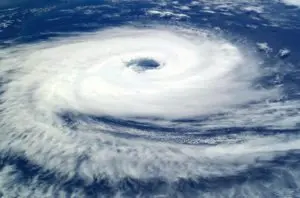
As Helene crossed the warm waters of the Gulf, it fulfilled forecasters’ worst fears, undergoing explosive deepening. Sustained wind speeds surged, and the storm’s physical footprint expanded exponentially, transforming it into a sprawling meteorological monster. Evacuation orders—some mandatory, some voluntary—were issued for low-lying coastal communities from the Tampa Bay region northward through the Nature Coast and into the Big Bend.
In Tallahassee, residents rushed to hardware stores, gas stations, and grocery stores to secure remaining supplies. The closure of the Senate offices proved prescient, as schools across Leon County and surrounding districts shuttered their doors, forcing parents to remain home to manage childcare and home fortification efforts. By the evening of September 26, outer rainbands were lashing the Florida coastline, signaling that the window for safe preparation had slammed shut.
Supporting Context & Metrics
The Meteorological Profile of Hurricane Helene
To fully understand the institutional caution demonstrated by Senate leadership, one must examine the staggering scale and intensity of Hurricane Helene. Meteorological data compiled post-storm and during its approach revealed several critical metrics that defined its destructive potential:
- Central Pressure: Helene’s central pressure dropped precipitously as it moved through the eastern Gulf of Mexico, falling to levels indicative of a catastrophic Category 4 storm. A plunging central pressure creates a powerful vacuum effect, which, when combined with high-velocity onshore winds, generates historically high storm surges.
- Wind Field Extent: Unlike compact storms that pack high winds in a narrow core, Helene was exceptionally large. Tropical storm-force winds extended outward hundreds of miles from the center, ensuring that inland areas—including the Tallahassee metropolitan statistical area—would experience prolonged periods of damaging gusts capable of bringing down mature oak and pine trees onto power lines and structures.
- Rainfall Totals: Forecast models anticipated rainfall accumulations of 10 to 15 inches, with localized maximums exceeding 20 inches in some areas. This torrential downpour posed an extreme risk of both flash flooding and riverine flooding, compounding the hazards faced by emergency responders.
Institutional Resilience and Continuity of Operations (COOP)
State legislatures in disaster-prone states like Florida maintain sophisticated Continuity of Operations Plans (COOP), yet navigating a major hurricane presents unique administrative and logistical challenges. The Florida Senate’s decision to close its physical infrastructure in Tallahassee reflects a modern evolution in emergency management philosophy: prioritizing human capital and family safety over rigid adherence to institutional schedules.
Historically, legislative bodies often maintained a "business as usual" posture until the eleventh hour, frequently placing staff at unnecessary risk during commutes or forcing difficult choices between civic duty and family preservation. Passidomo’s memorandum marked a decisive shift toward proactive, risk-averse administration. By officially sanctioning a three-day closure before the worst of the weather arrived, leadership provided employees with the necessary time window to execute mandatory or voluntary evacuations, secure residential properties, and assist vulnerable family members.
Moreover, the decentralization of authority regarding district offices recognized the localized nature of hurricane impacts. While Tallahassee might experience high winds and power outages, a district office in St. Petersburg, Fort Myers, or Crystal River could face life-threatening storm surge inundation. Empowering individual senators to make localized security determinations ensured that regional realities dictated operational posture rather than a rigid statewide mandate.
Official Statements and Institutional Communication
The internal memorandum issued by Senate President Kathleen Passidomo served as the primary instrument of communication, but its sentiments were mirrored across various state agencies and public communications channels during the lead-up to Helene.
In her address to senators and staff, Passidomo emphasized the unpredictability and velocity of the unfolding crisis:
"The storm that is anticipated to become Hurricane Helene is strengthening as she approaches Florida, and the exact path remains uncertain. It is important that everyone take the time to make preparations for your home and family."
This emphasis on personal preparation struck a chord among legislative employees, many of whom reside in flood zones or vulnerable residential structures across Leon, Wakulla, and Gadsden counties. The acknowledgment that "wireless service can be limited in storm-impacted areas" demonstrated a pragmatic understanding of modern infrastructure fragility. In an era where government operations are heavily reliant on cloud computing, instant messaging, and constant connectivity, the directive offered a realistic, compassionate framework for accountability:
"To the extent possible, please notify your immediate supervisor of any severe impacts following the storm. Please stay safe and cautious during this uncertain time."
Public affairs officers within the Florida Senate utilized these guidelines to coordinate with state emergency management officials, ensuring that legislative staff—many of whom possess specialized skills in constituent casework, resource allocation, and public administration—were not encumbered by administrative reporting requirements while their own homes and families were in peril. This human-centric approach preserved institutional morale and reinforced the state government’s commitment to community welfare from the top down.
Future Outlook
As Hurricane Helene made its historic and devastating landfall and subsequently pushed northward into Georgia and the Carolinas, leaving a massive swath of destruction in its wake, the immediate aftermath initiated a new and complex phase for the Florida Senate and state governance as a whole.
Transition from Preparation to Recovery
With physical offices closed through Friday, September 27, the initial post-storm phase centered on assessing damage to state property, verifying the safety and well-being of Senate personnel, and evaluating the integrity of communications networks across Florida. As power was slowly restored and cellular towers came back online via emergency generators and satellite links, legislative leadership began the painstaking process of accounting for staff members stranded in severely impacted coastal and rural zones.
Legislative and Fiscal Implications
Beyond immediate human relief, the storm’s aftermath signaled profound long-term implications for the Florida Legislature:
- Special Legislative Sessions and Emergency Funding: Major hurricanes invariably require legislative intervention to appropriate emergency relief funds, replenish the state’s Emergency Preparedness Trust Fund, and provide tax relief or economic assistance to devastated agricultural and commercial sectors. Senate leadership, having navigated the storm safely, would soon be tasked with convening to pass vital recovery legislation.
- Infrastructure Resilience and Policy Reform: The unprecedented intensity of Helene, following a string of destructive storms in prior years, intensified ongoing policy debates within the Florida Capitol regarding coastal hardening, building codes, stormwater management infrastructure, and the ongoing crisis within the state’s property insurance market. Lawmakers anticipated rigorous committee hearings and legislative proposals aimed at bolstering community resilience against increasingly severe meteorological events driven by warming global sea temperatures.
- Refining Continuity of Operations Protocols: The successful execution of the September 24 memorandum provided a valuable case study for future emergency management within the legislative branch. The balance struck between centralized caution (for the Tallahassee headquarters) and decentralized discretion (for regional district offices) established a scalable model for handling future climate-induced disruptions.
In conclusion, the pre-emptive closure of Florida Senate offices ahead of Hurricane Helene was more than a routine administrative precaution; it was a necessary and humane response to an escalating natural catastrophe. By prioritizing the safety of senators and staff, leadership not only protected its workforce but also ensured that the legislative branch could emerge from the crisis resilient, unified, and prepared to undertake the monumental task of rebuilding the state.

0 Comments