

Executive Overview
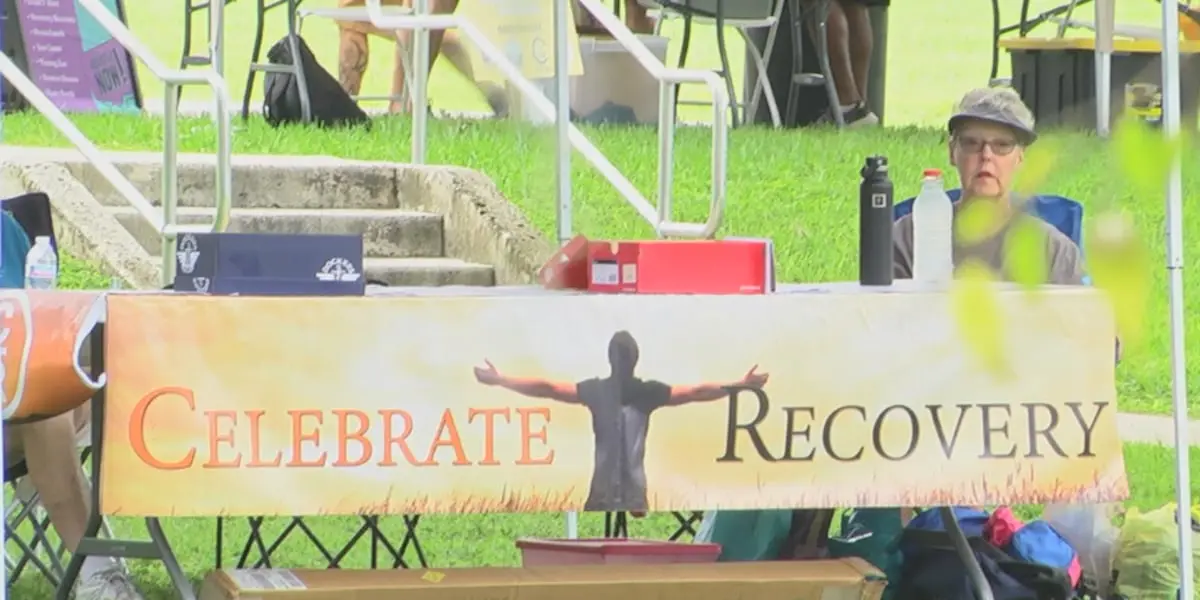
OCALA, Fla. — Against the backdrop of an ongoing nationwide public health crisis involving substance use disorders, the heart of Ocala beat to a rhythm of resilience and communal solidarity. More than 30 local, regional, and state-level recovery organizations converged upon Tuscawilla Park for the city’s ninth annual Recovery Festival. Designed as both an informational nexus and a celebration of sobriety, the event successfully bridged the often-stark divide between individuals struggling with addiction and the vast network of clinical, therapeutic, and peer-led resources available to them.
The festival, which has grown steadily in scope and attendance over nearly a decade, drew hundreds of community members, families, civic leaders, and emergency responders. Among the notable attendees was Ocala Mayor Ben Marciano, alongside dedicated personnel from Ocala Fire Rescue who volunteered their off-duty hours to support the initiative. Far from a somber gathering, the festival utilized a family-centric approach—complete with live musical performances, culinary vendors, interactive games, bounce houses, and a mobile petting zoo—to dismantle the societal stigma that frequently isolates those battling addiction.
By embedding vital health resources within a festive, non-threatening environment, organizers achieved a dual objective: they rendered the arduous recovery process approachable to the layperson while broadcasting an unyielding, unified message across Marion County: recovery is entirely possible, and no individual is ever forced to navigate the journey alone. This comprehensive report explores the anatomy of the event, the broader socioeconomic context of substance use in Central Florida, institutional perspectives, and the future trajectory of community-based recovery initiatives in Ocala.
Detailed Chronology: A Day of Connection at Tuscawilla Park
Morning Awakening: Mobilization and Setup
The morning sun broke over Tuscawilla Park’s picturesque lake, illuminating rows of white vendor tents meticulously arranged along the paved walkways. By 8:00 AM, representatives from more than 30 distinct organizations—ranging from clinical rehabilitation centers and medication-assisted treatment (MAT) providers to faith-based counseling ministries and 12-step peer support groups—were actively setting up their stations. Banners bearing slogans of hope, pamphlets detailing local crisis hotlines, and informational packets on harm reduction strategies were laid out across tables.
Organizers from the Marion County recovery community coordinated closely with city logistics teams to ensure seamless access for attendees. The early morning hours underscored the meticulous planning required to orchestrate a multi-agency health fair of this magnitude, setting the stage for what would become one of the region’s most impactful community outreach efforts of the year.
Midday Engagement: Breaking Down Barriers
As the clock struck 10:00 AM, the park transitioned from a staging ground into a vibrant hub of human connection. Families, individuals in active recovery, people currently struggling with substance use, and curious onlookers streamed into the park grounds.
Unlike clinical settings, which can often induce anxiety or clinical fatigue in vulnerable populations, the atmosphere at Tuscawilla Park was deliberately disarming. Children squealed with delight inside inflatable bounce houses, while others queued up for snow cones under the Florida sun. Nearby, a mobile petting zoo featuring goats, rabbits, and miniature farm animals provided wholesome entertainment, neutralizing the tension typically associated with mental health and addiction events.
Interspersed seamlessly among these recreational attractions were the outreach tents. This spatial arrangement was intentional; it allowed attendees to transition naturally from lighthearted family fun to serious, life-altering conversations with professionals. Under these tents, licensed counselors, peer recovery specialists, and social workers engaged visitors in candid dialogues. Community members could freely inquire about inpatient versus outpatient care, insurance coverage options, sober living environments, and family support systems without fear of judgment or administrative red tape.
Afternoon Highlights: Civic Leadership and Community Solidarity
By early afternoon, the event reached peak attendance. Mayor Ben Marciano arrived to tour the grounds, spending considerable time speaking with booth organizers, recovering addicts, and volunteers. His presence underscored the municipal government’s commitment to addressing the addiction crisis head-on, moving past punitive measures toward a model of community care and rehabilitation.
Members of Ocala Fire Rescue also maintained a prominent, compassionate presence throughout the afternoon. Firefighters, who are frequently the first responders on the front lines of opioid overdoses and substance-related medical emergencies, volunteered their time to interact with the public. Their involvement served a powerful symbolic and practical purpose: it bridged the gap between emergency medical services and long-term recovery, framing first responders not merely as emergency interventionists, but as enduring partners in community health.
As the afternoon wound down, the collective energy of the festival crystallized around a shared understanding. Through live music echoing across the park and shared meals, the rigid boundaries separating those affected by addiction from the rest of society dissolved, fostering an environment of radical acceptance and mutual aid.
Supporting Context & Metrics: The Landscape of Recovery in Marion County
The National and Local Imperative
To fully comprehend the significance of Ocala’s Ninth Annual Recovery Festival, one must examine the macro-level public health data framing the event. For over a decade, the United States has grappled with an unprecedented epidemic of substance use disorders, driven primarily by synthetic opioids such as illicitly manufactured fentanyl, alongside rising rates of methamphetamine use and alcohol dependency.
In Central Florida, Marion County has not been immune to these pressures. Local public health reports and emergency medical services data indicate fluctuating yet persistently high rates of overdose calls, straining municipal resources and devastating families across socioeconomic lines. In response to these pressures, public health experts have increasingly advocated for a "harm reduction and community integration" model. Traditional approaches that rely exclusively on criminal justice deterrence have proven insufficient in curbing the cyclical nature of addiction. Instead, public health frameworks emphasize low-barrier access to treatment, community education, and the widespread distribution of life-saving interventions like naloxone.
The Power of Decentralized Resource Fairs
Events like the Recovery Festival at Tuscawilla Park serve as critical nodes in this public health framework. Academic literature on substance use intervention consistently highlights the "help-seeking barrier"—the psychological, financial, and logistical obstacles that prevent individuals from initiating contact with treatment providers.
By bringing more than 30 specialized organizations into a single, open-air public venue, the festival effectively dismantled several of these barriers:
- Stigma Reduction: By collocating recovery resources with family recreation, the event normalized conversations around mental health and substance use, framing them as health issues rather than moral failings.
- Geographic Consolidation: Navigating the labyrinth of health insurance, Medicaid eligibility, and specialized treatment facilities can overwhelm a person in crisis. The festival provided a centralized marketplace of care, allowing attendees to compare services and establish direct human connections within minutes.
- Peer-Led Validation: Many of the individuals staffing the booths were themselves in long-term recovery. This shared lived experience instills a profound sense of trust that traditional clinical marketing often fails to achieve.
Official Statements and Perspectives
The success of the ninth annual Recovery Festival was underscored by the passionate commentary of local leaders and organizers who view community-based interventions as the bedrock of civic health.
Mayor Ben Marciano, reflecting on his time at the event, emphasized the vital role of grassroots community support in healing the city.
"Addiction is a disease that tries to convince people they are entirely alone in the world," Mayor Marciano observed while walking the grounds of Tuscawilla Park. "Events like our annual Recovery Festival prove precisely the opposite. When you look around this park today, you see a community that refuses to give up on its neighbors. Ocala is strong, compassionate, and fully committed to walking beside anyone who is willing to take that first step toward healing."
Organizers of the event echoed these sentiments, stressing that the structural design of the festival was purposefully engineered to change the cultural narrative surrounding addiction.
"For too long, recovery has been whispered about behind closed doors, shrouded in shame and secrecy," noted one of the primary festival coordinators. "Our mission with this festival is to drag those conversations out into the sunlight. We want to show families that asking for help is an act of profound courage, and we want every person struggling with substance use to know unequivocally that robust, compassionate, professional help is right here in Marion County, waiting for them."
Representatives from Ocala Fire Rescue similarly emphasized the paradigm shift in how emergency services view substance use disorders. Speaking on behalf of the volunteering firefighters, a department spokesperson highlighted the emotional toll of responding to repeated overdoses and the profound relief of seeing community members on the other side of healing.
"Our crews respond to the worst moments of people’s lives on a daily basis," a department representative stated. "Being out here today, interacting with people who have clawed their way back from the brink of despair and are now thriving, is deeply moving. It reminds our team why we do what we do. We aren’t just here to revive people in an emergency; we want to see them live full, vibrant lives long after the ambulance leaves."
Future Outlook: Sustaining Momentum Beyond the Park
As the vendor tents were dismantled and the bounce houses deflated at Tuscawilla Park, the critical question facing Ocala’s public health advocates is how to sustain the momentum generated by the ninth annual festival.
Expanding Year-Round Access
While a single-day festival provides an invaluable psychological boost and initial point of contact, experts agree that long-term recovery requires continuous, year-round infrastructure. Local recovery organizations report that post-festival inquiries typically surge in the weeks following the event, placing an immediate demand on intake coordinators, counselors, and bed availability in local treatment facilities.
To meet this projected surge, municipal leaders and non-profit directors are actively exploring ways to streamline inter-agency communication. Plans are underway to enhance digital resource directories for Marion County, ensuring that individuals who missed the festival can easily access the same comprehensive database of services online.
Strengthening Municipal-Clinical Partnerships
The active participation of Ocala Fire Rescue and Mayor Marciano signals a maturing partnership between city government and public health advocates. Moving forward, municipal planners are looking to institutionalize these collaborations, potentially integrating peer support specialists directly into emergency response workflows or establishing dedicated deflection programs that divert non-violent offenders suffering from substance use disorders away from the criminal justice system and into specialized care facilities.
Furthermore, educational campaigns targeted at local schools and youth organizations are slated for expansion. By addressing the root vulnerabilities of addiction—such as adverse childhood experiences, mental health struggles, and socioeconomic stress—before they manifest as severe substance use disorders, Ocala aims to build a preventative shield for the next generation.
Conclusion: A Beacon of Hope in Central Florida
The Ninth Annual Recovery Festival at Tuscawilla Park demonstrated that addressing the addiction crisis requires more than clinical prescriptions and policy papers; it demands human warmth, collective empathy, and relentless community engagement. By bringing together over 30 organizations, dedicated civic leadership, compassionate first responders, and hundreds of families, Ocala has reaffirmed its status as a compassionate city dedicated to restoration and renewal. As the region looks toward the future, the resounding echo of the festival remains a guiding light: recovery is possible, and no one in Ocala ever has to walk the path alone.

0 Comments