

Executive Overview
GAINESVILLE, Fla. — As demographic shifts reshape communities across the United States, local municipalities increasingly face the challenge of ensuring that older adults remain visible, supported, and actively engaged in civic life. In the heart of North-Central Florida, the City of Gainesville is once again taking a proactive stance on elder advocacy. The highly anticipated 2026 Gainesville Senior Spotlight is officially underway, promising a comprehensive showcase of resources, health services, and community engagement tailored specifically for the region’s aging population.
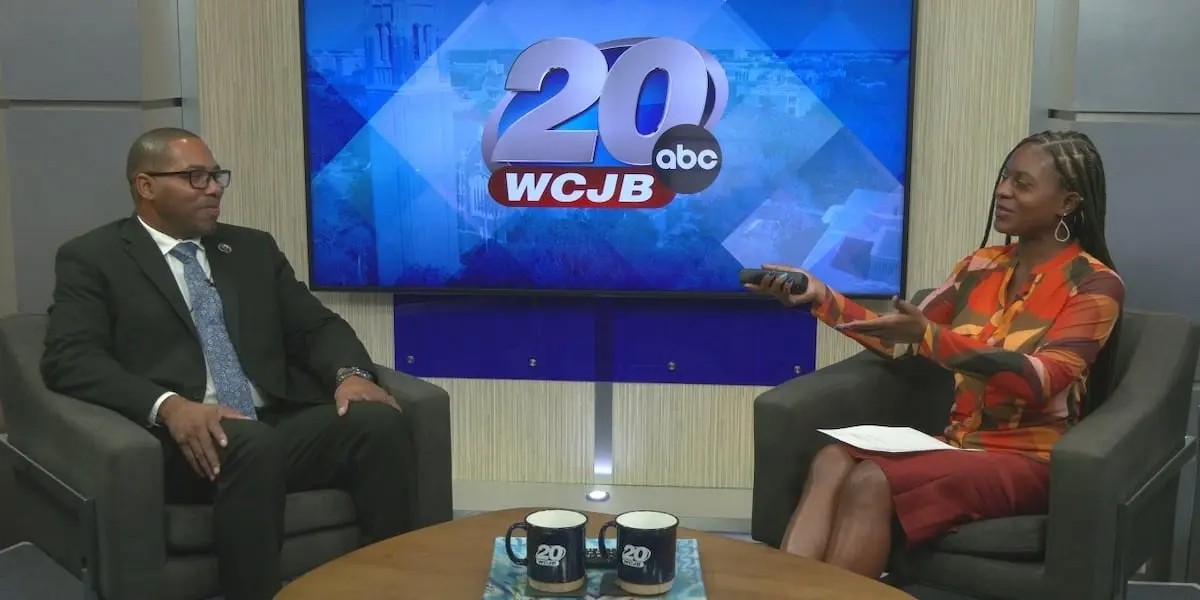
Ahead of the main event, TV20’s Hawah Ezell sat down for an exclusive interview with John Alexander, the Director of Government Affairs and Community Relations for the City of Gainesville. Their discussion dove deep into the core philosophy driving the annual initiative, illuminating why this celebration of senior life is far more than just a local gathering—it is a critical infrastructure of support for Gainesville’s elderly residents.
Scheduled for this coming Saturday from 11:00 a.m. to 2:00 p.m. at the Senior Recreation Center, located at 5701 NW 34th Blvd., the fair brings together healthcare providers, non-profit organizations, financial advisors, and municipal leaders. According to city organizers, the event serves as a vital bridge connecting older adults to essential services that mitigate isolation, promote preventative health, and safeguard financial well-being. This comprehensive report explores the significance of the 2026 Senior Spotlight, analyzing the event’s schedule, the broader socio-economic contexts of aging in Florida, official perspectives, and the future outlook for senior care in Alachua County.
Detailed Chronology of the 2026 Senior Spotlight
Planning and executing an event of this magnitude requires months of inter-agency coordination, stakeholder alignment, and logistical preparation. The roadmap leading up to the 2026 Gainesville Senior Spotlight highlights the city’s deep commitment to its senior constituency.
Phase 1: Conceptualization and Inter-Agency Collaboration (Late 2025)
Planning for the 2026 iteration began in the final quarter of 2025, spearheaded by the City of Gainesville’s Department of Government Affairs and Community Relations alongside local community partners. Recognizing the post-pandemic challenges faced by older adults—particularly issues relating to social isolation and rising healthcare costs—organizers expanded the scope of the event to feature a wider array of mental health resources and digital literacy programs.
Phase 2: Vendor Acquisition and Outreach (January – February 2026)
By the start of the new year, outreach coordinators began extending invitations to regional healthcare networks, mobility equipment suppliers, legal aid societies, and recreational groups. The goal was to curate a diverse ecosystem of exhibitors capable of addressing the multifaceted needs of seniors aging in place. Public service announcements and digital campaigns were deployed across municipal channels to ensure broad awareness among residents and caregivers.
Phase 3: The Media Campaign and Leadership Briefings (Early March 2026)
As the event date approached, municipal leaders engaged with regional media outlets to amplify the message. The pivotal media moment arrived when John Alexander sat down with TV20’s Hawah Ezell. During this broadcast interview, Alexander articulated the underlying mission of the Senior Spotlight, breaking down complex municipal strategies into accessible, community-focused narratives.
Phase 4: Event Day Execution (Saturday, 11:00 AM – 2:00 PM)
The apex of this multi-month campaign unfolds this Saturday at the Senior Recreation Center (5701 NW 34th Blvd.).
- 11:00 AM: Doors open to the public, welcoming hundreds of seniors, family members, and caregivers. Attendees receive resource packets detailing local transit options, emergency preparedness guides, and healthcare directories.
- 11:30 AM – 1:30 PM: Interactive workshops, wellness screenings (including blood pressure and glucose checks), and demonstrations take place across multiple halls. Representatives from city departments are stationed at dedicated booths to field inquiries regarding property tax exemptions, utility assistance programs, and neighborhood infrastructure improvements.
- 2:00 PM: The formal exhibition concludes, but the digital resource portal remains active year-round via the City of Gainesville’s official website, ensuring continuous access to the networks established during the event.
Supporting Context & Metrics: Aging in Alachua County
To fully grasp the gravity of the 2026 Gainesville Senior Spotlight, one must examine the demographic data and systemic challenges defining the modern aging experience in Florida.
Demographic Pressures in North-Central Florida
While Florida has long been recognized as a premier retirement destination, the demographic realities of Alachua County possess unique characteristics. Beyond the statewide influx of retirees, Gainesville is home to a substantial population of long-term residents who have aged in place, alongside retirees associated with the University of Florida and affiliated medical centers.
According to recent U.S. Census Bureau estimates, individuals aged 65 and older comprise nearly 15% of Alachua County’s total population—a figure that has steadily climbed over the past decade. This demographic shift places new demands on municipal planning, public transit, healthcare infrastructure, and affordable housing markets.
The Economic Landscape of Senior Life
Economic vulnerability remains a pressing concern for a significant portion of older adults. Rising property valuations, inflation, and the fixed-income nature of pensions or Social Security create financial strain.
- Housing Affordability: A considerable percentage of Gainesville seniors live on fixed incomes, making them highly susceptible to fluctuations in property taxes and rental rates.
- Healthcare Access: Navigating Medicare, supplemental insurance, and specialized geriatric care can be overwhelmingly complex. Events like the Senior Spotlight serve as centralized clearinghouses where seniors can receive direct, one-on-one guidance without navigating bureaucratic red tape.
- Social Isolation: Public health studies consistently highlight loneliness as a major public health hazard for older adults, carrying physiological risks comparable to smoking. Community-centric events foster vital social connections, reducing feelings of isolation and depression.
Official Statements and Perspectives
During his interview with TV20’s Hawah Ezell, John Alexander emphasized that the city’s investment in the Senior Spotlight is a reflection of Gainesville’s core values: dignity, inclusivity, and community resilience.
"Our senior population is the bedrock of Gainesville’s history and cultural fabric," Alexander stated during the broadcast. "Events like the Senior Spotlight are not merely routine community gatherings; they are essential interventions. They bridge the gap between municipal resources and the citizens who need them most, ensuring that our older adults remain empowered, informed, and deeply connected to the community they helped build."
Alexander further elaborated on the collaborative nature of the event, praising the various non-profit agencies, healthcare workers, and city staff who dedicate their time to making the fair a success. He noted that local government functions best when it actively listens to the needs of its constituents, and the Senior Spotlight provides an invaluable feedback loop between seniors and city administrators.
Local community advocates have echoed Alexander’s sentiments, pointing out that proactive municipal engagement prevents vulnerable seniors from falling through the cracks of social safety nets. By bringing services directly to the neighborhoods where seniors live and recreate, the city removes logistical barriers such as transportation constraints and digital divides.
Future Outlook: Building a More Age-Inclusive Gainesville
As the City of Gainesville looks beyond the 2026 Senior Spotlight, municipal planners are already laying the groundwork for long-term initiatives aimed at enhancing the quality of life for older generations.
Expanding Age-Friendly Infrastructure
Urban planning in Gainesville is increasingly pivoting toward "Age-Friendly Community" principles. Future infrastructure projects prioritize:
- Enhanced Walkability: Upgrading sidewalks, installing pedestrian-activated crosswalks near senior housing complexes, and improving lighting in residential zones.
- Accessible Public Transit: Refining RTS (Regional Transit Service) routes to ensure seamless connectivity between residential areas, medical hubs, and recreational facilities.
- Sustainable Housing Solutions: Exploring zoning incentives for the construction of accessible, universal-design housing units that accommodate changing mobility needs.
Digital Literacy and Lifelong Learning
Recognizing that modern administrative and medical services heavily rely on digital interfaces, the city and its partners are expanding digital literacy workshops for seniors. These programs aim to bridge the digital divide, empowering older adults to independently manage telehealth appointments, access online municipal services, and maintain virtual connections with distant family members.
A Continuous Commitment
The 2026 Gainesville Senior Spotlight at the Senior Recreation Center on NW 34th Blvd. is a powerful reminder of what can be achieved when local government and community members unite with a shared purpose. As John Alexander and city leadership continue to champion these initiatives, Gainesville solidifies its reputation as a compassionate, forward-thinking community—one that honors its past while actively building a secure, inclusive future for all generations.

0 Comments