

Executive Overview
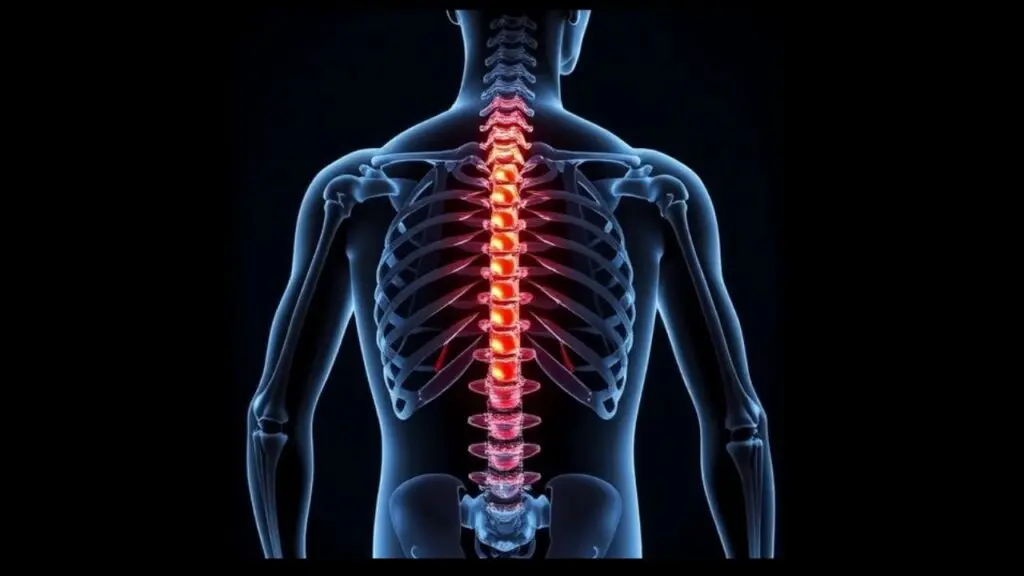
For individuals grappling with chronic, debilitating pain, daily existence is an endurance test. Many turn to advanced medical interventions in search of a restored quality of life, hoping to avoid further physical and emotional hardship. Among these interventions, spinal cord stimulators (SCS) have long been marketed as a breakthrough solution. These surgically implanted devices emit electrical currents to the spinal cord, masking pain signals before they reach the brain.
However, beneath the promise of modern neurostimulation lies a sobering clinical reality. Recent studies reveal that the failure rates of these devices are remarkably high, frequently accompanied by severe physical complications that turn a patient’s pursuit of relief into an ongoing medical nightmare. When spinal cord stimulators malfunction, migrate, or cause unexpected tissue damage, the fallout extends far beyond physical suffering. Patients often find themselves trapped in a cycle of repeat surgeries, mounting medical debt, and profound uncertainty.
Navigating the aftermath of a failed spinal cord stimulator requires immediate medical vigilance and a rigorous understanding of legal rights. Whether a complication stems from a systemic product defect, a surgical error, or a failure of informed consent, victims are often left to piece together what went wrong. Understanding when to seek specialized legal counsel, how to preserve critical evidence, and how to manage the complex landscape of medical malpractice and product liability can mean the difference between prolonged hardship and financial recovery.
Detailed Chronology of an SCS Injury: From Implantation to Complication
The trajectory of a spinal cord stimulator injury typically follows a specific, recognizable chronology. Understanding this timeline is vital for patients, medical professionals, and legal advocates alike, as it helps establish causation and clarifies when preventative care or legal intervention should have occurred.
Phase 1: The Implantation and Initial Recovery
The journey usually begins with high hopes. A patient suffering from failed back surgery syndrome, complex regional pain syndrome (CRPS), or chronic nerve pain undergoes a multi-stage evaluation, culminating in a surgical trial. If the trial is deemed successful, a permanent neurostimulator is surgically implanted. During this phase, surgeons place electrodes (leads) into the epidural space and anchor a pulse generator beneath the skin, usually in the abdomen or upper buttocks.
From the outset, precision is paramount. The surgical team must adhere strictly to anatomical standards, ensuring that leads are anchored securely and programmed correctly. If a surgeon misjudges the placement, rushes the procedure, or fails to recognize underlying anatomical anomalies, the foundation for future failure is established immediately.
Phase 2: The Emergence of Warning Signs
Months or even weeks after the procedure, the promised pain relief may begin to fade, replaced by entirely new and unexpected symptoms. This is often the critical turning point in the patient’s timeline. Warning signs of device failure or complication do not always manifest dramatically; they can begin as subtle anomalies that are easily dismissed by both the patient and overworked medical staff.
Common early indicators of a failing or compromised spinal cord stimulator include:

- New or Unexplained Pain: A shift from the original chronic pain to a sharp, burning, or electric-shock-like sensation, often caused by the stimulator over-delivering current or misfiring.
- Neurological Changes: The onset of new weakness, numbness, or tingling in the extremities, signaling potential pressure on the spinal cord itself.
- Physical Defect Indicators: Localized swelling, chronic redness, warmth around the incision site, or clear drainage, which frequently point toward a localized or systemic infection.
- Mechanical Shifts: A physical sensation that the device components are moving beneath the skin, often described as a "twiddler’s syndrome" effect where leads migrate due to poor anchoring or patient movement.
Phase 3: The Dismissal of Symptoms and Delay in Care
Unfortunately, a recurring theme in many SCS injury cases is the dismissal of patient complaints by the implanting physician or follow-up care team. Patients who report diminishing relief or unusual shocks are frequently told that they simply need their device reprogrammed, or that their body is adjusting to the stimulation.
When persistent warning signs—such as worsening neurological deficits, low-grade fevers, or severe localized pain—are minimized or ignored, the window for preventative intervention closes. Infections are allowed to fester, migrating leads can permanently damage delicate spinal tissue, and hardware failures can progress into catastrophic spinal compression.
Phase 4: Emergency Intervention and Revision Surgeries
In severe cases, the timeline culminates in a medical emergency. When infections spread, spinal compression occurs, or neurological injury sets in, patients require immediate emergency stabilization. Revision surgeries, hardware removal, and lengthy courses of intravenous antibiotics become mandatory.
It is at this juncture that the intersection of clinical care and legal accountability becomes stark. The medical records generated during these emergency revisions—detailing scar tissue entrapment, fractured leads, overheated components, or bacterial colonization—form the bedrock of potential product liability or medical malpractice claims.
Supporting Context & Metrics: The Scale of the Crisis
To fully grasp the gravity of spinal cord stimulator complications, one must examine the broader statistical and scientific landscape. The narrative surrounding these devices is increasingly defined by empirical data that contradicts the polished marketing materials of medical device manufacturers.
The Saint Louis University Study and Beyond
A landmark 2025 retrospective cohort study conducted by researchers at Saint Louis University and published in Neurology International cast a harsh light on the long-term efficacy and safety of neurostimulators. The study revealed that failure rates among implant recipients can reach an alarming 44%. This means nearly half of all patients who undergo invasive surgery expecting lasting pain relief ultimately experience a clinical failure of the device.
When looking at the wider body of medical literature, the statistics remain grim. Broader research places overall complication rates for spinal cord stimulators anywhere between 21% and 63%. These figures encompass a wide spectrum of adverse events, including:
- Lead Migration: The most common mechanical complication, occurring when the electrical leads shift from their targeted spinal location, rendering the device ineffective or painful.
- Hardware Malfunction and Breakage: Internal fractures of the wiring, battery failures, or electrical shorts that cause unpredictable surges or total loss of function.
- Infection: Surgical site infections that can track along the leads directly into the central nervous system, posing life-threatening risks such as meningitis or epidural abscesses.
- Fibrosis and Scar Tissue Formation: The body’s natural inflammatory response to foreign objects, which can encapsulate the leads and compress the spinal cord.
The Economic and Personal Toll
For patients, these statistics transcend abstract academic data. They translate into tangible, life-altering burdens:

- Financial Strain: The cost of revision surgeries, extended hospital stays, ongoing pharmacological management, and specialized physical therapy can quickly deplete a household’s financial resources.
- Lost Productivity: Chronic pain and repeated surgeries often force individuals out of the workforce, resulting in lost wages, diminished career trajectories, and long-term dependency on disability support.
- Erosion of Quality of Life: The psychological toll of living with a malfunctioning medical device—coupled with the betrayal of trust placed in the medical system—frequently leads to severe anxiety, depression, and social isolation.
Official Statements, Industry Oversight, and Legal Perspectives
The proliferation of SCS complications has not gone unnoticed by regulatory bodies, the legal community, and patient advocacy groups. A multi-faceted examination of the industry reveals growing friction between corporate manufacturers, healthcare providers, and the patients caught in the middle.
Regulatory Scrutiny and Device Recalls
The U.S. Food and Drug Administration (FDA) routinely issues safety communications and coordinates recalls regarding implantable pain management devices. These actions often center on design flaws, software glitches that cause unexpected high-voltage output, or biocompatibility issues with lead insulation materials.
For a patient or legal advocate, a manufacturer recall serves as a critical piece of evidence. It establishes that the manufacturer was aware of—or should have been aware of—inherent risks associated with a specific model number. Legal experts emphasize that patients must never discard explanted device components. The physical hardware, paired with original packaging, instruction manuals, and serial numbers, serves as undeniable physical proof in product liability litigation.
Potential Liable Parties
Determining liability in a spinal cord stimulator case requires a comprehensive forensic review of the entire medical and manufacturing chain. Depending on the specific facts uncovered during investigation, potentially responsible parties can include:
- Device Manufacturers: For designing defective hardware, utilizing substandard materials, failing to adequately test products, or providing insufficient warnings regarding known failure rates.
- Distributors and Sales Representatives: Who often act as technical advisors in the operating room during implantation, potentially exceeding their scope of practice or providing improper guidance to surgeons.
- Hospitals and Healthcare Institutions: For negligent credentialing, maintaining substandard surgical environments, or failing to enforce proper post-operative monitoring protocols.
- Surgeons and Pain Management Physicians: For surgical negligence (e.g., improper lead placement), failure to obtain informed consent regarding realistic failure rates, or dismissing post-operative warning signs of infection and neurological compromise.
The Imperative of Specialized Legal Counsel
Because spinal cord stimulator litigation sits at the complex crossroads of medical malpractice, product liability, and federal device regulations, navigating a claim independently is virtually impossible. A specialized spinal cord stimulator lawyer brings the necessary resources to evaluate complex medical charts, retain credible expert witnesses, and challenge aggressive corporate legal teams.
Legal counsel undertakes several critical functions during an injury review:
- Medical-Legal Chronology Construction: Comparing the patient’s baseline health and functional capacity prior to implantation with their post-operative decline to establish a clear, undeniable chain of causation.
- Evidence Preservation: Securing complete hospital charts, intraoperative imaging studies, billing records, and explanted device components before they can be lost, altered, or destroyed.
- Statute of Limitations Management: Calculating precise legal deadlines. Filing periods vary dramatically by state, the classification of the defendant (e.g., public versus private hospital), and the exact date the patient discovered—or reasonably should have discovered—the connection between their injuries and the device.
- Navigating Insurance Adjusters: Shielding vulnerable patients from predatory insurance tactics. Insurers often move quickly after an injury to secure recorded statements, medical authorizations, or low-ball settlement offers designed to minimize corporate liability. Experienced counsel manages all communications to protect the client’s long-term interests.
Future Outlook: Accountability, Innovation, and Patient Advocacy
As the medical device industry continues to push toward more advanced neuromodulation technologies—including closed-loop systems, high-frequency stimulation, and Bluetooth-enabled controllers—the landscape of pain management is evolving rapidly. However, technological innovation must be matched by a parallel commitment to patient safety, transparent risk disclosure, and rigorous post-market surveillance.
Raising the Bar for Informed Consent
The high failure rates documented by institutions like Saint Louis University underscore an urgent need for reform in how medical risks are communicated to patients. Informed consent cannot remain a mere administrative checkbox signed in a waiting room. Physicians must engage in transparent, realistic dialogues with patients, clearly articulating that spinal cord stimulation is an experimental or semi-permanent trial with a significant statistical probability of failure or severe complication.

Patients must be fully equipped to weigh the promise of pain relief against the very real possibility of repeat surgeries, hardware erosion, and chronic infection.
Empowering Patients and Families
Empowerment begins with proactive documentation. Patients and their families are increasingly recognizing the value of maintaining meticulous personal records. Keeping a detailed symptom diary—capturing pain intensity ratings, mobility restrictions, sleep disruptions, and photographic evidence of swelling or incision changes—empowers individuals to advocate effectively for themselves during clinical appointments.
Furthermore, when a patient is physically incapacitated by neurological injury or severe infection, family members and authorized legal representatives play an indispensable role. By stepping in to organize medical appointments, preserve device documentation, track mounting expenses, and communicate with providers, families ensure that accountability is maintained even in the face of overwhelming personal crisis.
The Role of Litigation in Systemic Change
While individual lawsuits seek financial compensation for medical costs, lost wages, and pain and suffering, they also serve a broader societal purpose. High-profile product liability verdicts and settlements compel multi-billion-dollar medical device manufacturers to refine their engineering standards, improve quality control, and issue timely, transparent safety warnings. In this sense, legal accountability acts as a vital check and balance within an industry where corporate interests can sometimes overshadow patient welfare.
Conclusion
The decision to undergo spinal cord stimulation is deeply personal, undertaken by individuals seeking a way out of chronic, unrelenting pain. When that trust is broken by device failure, mechanical migration, or medical negligence, the consequences are devastating.
However, patients do not have to navigate the fallout alone. By prioritizing emergency medical care when dangerous neurological symptoms arise, carefully preserving device components and medical records, and securing the guidance of a qualified spinal cord stimulator lawyer, victims can reclaim control over their lives. Timely, strategic action protects legal rights, identifies responsible parties, and paves the path toward true recovery and comprehensive justice.

0 Comments