

Executive Overview
Outdoor living is not merely a lifestyle choice in South Florida—it is a defining pillar of the regional identity. From sprawling, sun-drenched driveways and intricate pool decks to bespoke backyard patios, brick and stone pavers lend an unmistakable charm, architectural definition, and substantial curb appeal to residential and commercial properties alike. However, the very environmental paradox that makes the Sunshine State so alluring also creates a hostile theater for porous masonry.
The relentless Florida sun, torrential tropical downpours, persistent salt air, and oppressive humidity conspire to break down unsealed concrete, brick, and natural stone at an accelerated rate. Without proactive intervention, property owners face fading colors, weed infestation, structural shifting, and costly premature replacements.
This comprehensive report explores the unique environmental vulnerabilities plaguing South Florida hardscapes—with a particular focus on coastal hubs like Boca Raton—and examines the rigorous, multi-step engineering required to safeguard these valuable outdoor investments. Through professional paver sealing, specialized surface preparation, and consistent maintenance regimens, property owners can defend their hardscapes against the elements, securing both aesthetic brilliance and long-term structural integrity.
Detailed Chronology: The Lifecycle of a South Florida Hardscape
To understand the absolute necessity of professional paver sealing, one must trace the chronological lifecycle of an exterior hardscape from the moment of installation to its eventual degradation or preservation.
Phase 1: Installation and Initial Vulnerability (Months 0–6)
When new pavers are installed, they present a pristine appearance. Brick, concrete, and natural stone are inherently porous materials, featuring microscopic capillary networks that readily absorb liquids, gases, and microscopic particulate matter. During the first few months, newly laid joint sand settles, and the raw masonry begins its exposure to the elements. Without a protective hydrophobic barrier, UV radiation immediately begins bleaching surface pigments, while early rainstorms wash away loose joint sand.
Phase 2: Environmental Infiltration and Micro-Degradation (Months 6–18)
As time progresses, unsealed pavers endure cyclical thermal expansion and contraction caused by intense heat and sudden cooling rainstorms. Micro-cracks develop within the matrix of the stone. Simultaneously, organic matter such as pollen, mold spores, and grass seeds find fertile ground in the unsealed joints. Moisture retention becomes a chronic issue, allowing algae and mildew to take deep root. This is the critical window where unsealed surfaces begin to lose their structural cohesion and visual vibrancy.
Phase 3: Accelerated Structural Decay (Years 2–3)
Without intervention, years two and three mark the onset of visible, systemic failure. Saturated joint sand washes away entirely, leading to paver rocking, sinking, and shifting under vehicular and heavy foot traffic. Deep-seated stains from automotive fluids, tannin-rich leaf litter, and rust become permanent fixtures. Efflorescence—a white, chalky mineral deposit driven to the surface by trapped moisture—blights the visual presentation of the hardscape.
Phase 4: The Preservation Pivot vs. Premature Replacement (Year 3 and Beyond)
By year three, unsealed hardscapes typically require extensive restorative work or total relaying. Conversely, properties that received professional paver sealing during the initial phase or early lifecycle bypass this decay cycle entirely. When maintained with high-grade sealants and routine care, sealed hardscapes maintain their structural integrity and visual brilliance for three to five years before requiring a simple, inexpensive maintenance coat.

Supporting Context & Metrics: The Environmental Battleground
Operating a pristine hardscape in coastal Florida means battling a relentless matrix of environmental stressors. Understanding the specific forces at play highlights why standard, do-it-yourself approaches routinely fail.
The Porosity Factor
Concrete, clay brick, and natural travertine or flagstone are sponge-like in their molecular structure. A single square foot of unsealed concrete paver can absorb significant quantities of water during a standard South Florida afternoon storm. When intense sunlight immediately follows, this trapped moisture turns to vapor, creating internal hydrostatic pressure that spalls, cracks, and flakes the surface material from the inside out.
UV Radiation and Photochemical Degradation
South Florida experiences some of the highest ultraviolet (UV) radiation levels in the continental United States. UV rays break down the chemical bonds of surface pigments in colored concrete and stone. Without a UV-inhibiting industrial sealant acting as a sacrificial barrier, hardscapes rapidly fade, transforming rich terracotta reds, charcoal grays, and sandytans into washed-out, chalky pastels.
Salinity and Coastal Corrosion
Properties situated within proximity of the Atlantic Intracoastal Waterway or the ocean contend with airborne saline particles. Salt deposition accelerates efflorescence and corrodes low-grade sealers, breaking them down into sticky, dirt-trapping residues.
The Cost of Inaction vs. Proactive Sealing
Industry metrics indicate that replacing a failed, deteriorated driveway or pool deck can cost upwards of ten to fifteen times more than maintaining it through regular professional cleaning, sanding, and sealing. Proactive maintenance is not merely an aesthetic choice; it is an essential financial safeguard for property equity.
Official Industry Standards: The Multi-Step Sealing Process
Achieving a durable, high-performance finish on exterior masonry requires strict adherence to industry protocols. Leading surface preservation specialists emphasize that pouring or rolling sealant onto a dirty or unprepared surface is counterproductive, often trapping contaminants and creating permanent hazing.
[Deep Pressure Cleaning] ──> [Surface Drying] ──> [Joint Sanding] ──> [Industrial Sealer Application]Step 1: Deep Surface Cleaning and Preparation
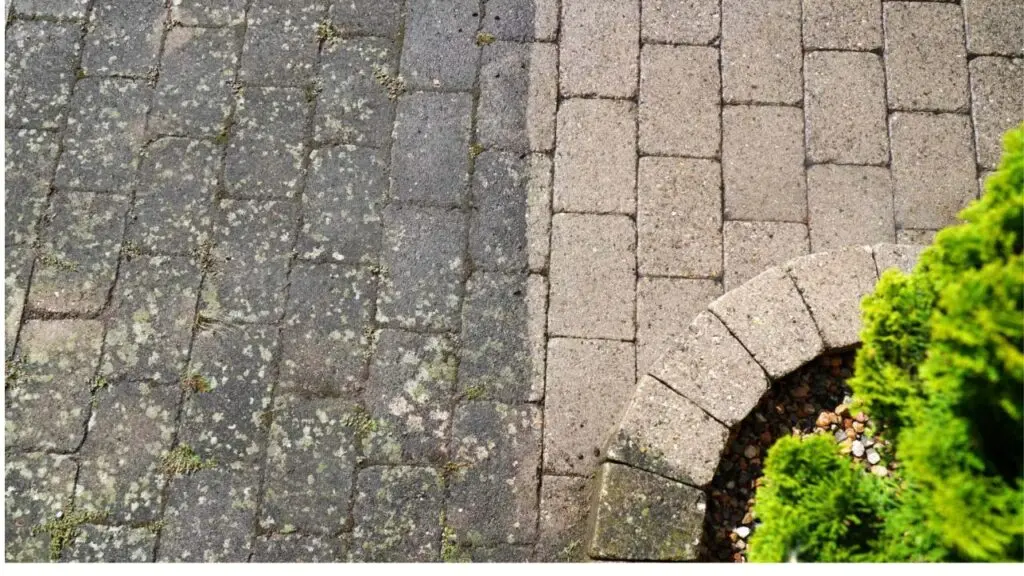
The foundation of any successful sealing project is rigorous surface decontamination. Technicians utilize commercial-grade pressure washing equipment paired with specialized, eco-friendly surface cleaners. This process lifts embedded oils, rust, organic staining, and failing legacy sealers out of the masonry pores without etching or damaging the stone substrate.
Step 2: Joint Sanding Stabilization
Once the hardscape is completely dry, fine-grained silica sand or polymeric sand is mechanically swept across the surface, filling the gaps between individual pavers. This joint sand is critical: it locks the pavers in place, prevents lateral shifting under heavy vehicular traffic, and ensures proper weight distribution and water drainage across the hardscape layout.

Step 3: Application of Commercial-Grade Sealers
Using low-pressure sprayers and foam rollers, technicians apply an even, saturated layer of high-grade sealant. Modern industrial sealers perform a dual function:
- Penetrating Impregnators: Sink deep into the capillaries of the stone to block moisture and chemical absorption from within.
- Film-Forming Binders: Lock the joint sand solid and provide a protective topcoat.
Depending on the aesthetic goals of the property owner, finishes can range from a natural, low-gloss matte that preserves the raw look of the stone to a high-gloss "wet-look" finish that deepens colors and provides a striking, high-end sheen.
Post-Sealing Maintenance Protocols
While professional sealing provides a robust, resilient shield against the South Florida climate, maximizing the lifespan of a hardscape requires a commitment to light, consistent upkeep.
Routine Cleaning Regimens
- Debris Removal: Regularly sweep or blow away leaves, organic matter, and lawn clippings. Tannins from decaying organic material can stain even sealed surfaces if left wet for extended periods.
- Low-Pressure Rinsing: Periodically rinse driveways and pool decks with plain water using a standard garden hose to remove accumulated dust, pollen, and salt residue.
- Prompt Spill Mitigation: Clean up automotive fluids, grease, or food spills immediately using mild dish soap and water rather than harsh chemical strippers that can degrade the sealer prematurely.
By adopting these straightforward habits, property owners can easily extend the window between major maintenance cycles to a reliable three to five years before a routine touch-up coat is warranted.
Future Outlook: The Evolution of Hardscape Preservation
As climate patterns shift and urban development continues to densify across South Florida, the demands placed on residential and commercial infrastructure will only intensify. The future of hardscape management points firmly toward advanced material science and sustainable chemistry.
Next-Generation Breathable Sealers
Traditional film-forming sealers historically faced criticism for trapping sub-surface moisture if applied incorrectly. The next generation of breathable, nano-technology sealers allows interior water vapor to escape freely while maintaining an impenetrable barrier against external liquid water, oils, and UV rays. These advancements are minimizing application failures and extending protection windows even further.
Eco-Friendly Preservatives
Environmental consciousness is reshaping the maintenance industry. Modern property owners increasingly demand biodegradable cleaning agents, zero-VOC (volatile organic compound) sealers, and water-based formulations that protect hardscapes without harming surrounding landscaping, local waterways, or regional wildlife ecosystems.
Conclusion
Your home’s outdoor living spaces—from the grand entryway driveway to the secluded backyard patio—represent a significant investment in property value, daily functionality, and aesthetic pride. In the unforgiving climate of South Florida, passive neglect is a fast track to costly structural degradation. By embracing a proactive, professional approach to paver preservation, deep cleaning, joint stabilization, and high-performance sealing, property owners can ensure their outdoor environments remain stunning, resilient, and enduring highlights of coastal living for years to come.

0 Comments