The modern real estate landscape in the state of Florida is defined by relentless growth, complex regulatory frameworks, and an increasingly sophisticated consumer base. Within the dynamic Greater Tampa Bay region, success requires a combination of deep hyper-local market knowledge, steadfast adherence to professional ethics, and institutional backing from forward-thinking brokerage firms. At the center of this bustling professional ecosystem is Jay Quigley, an established Realtor with Florida Executive Realty, operating out of the vibrant metropolitan hub of Tampa, Florida.
Affiliated with the Suncoast Tampa Association of Realtors, Quigley represents a archetype of the modern real estate professional: highly accessible, technologically integrated, and deeply anchored in the communities he serves. Based professionally at 15802 Amberly Drive, with field operations extending to residential anchors such as 16101 Sexton Court, Quigley’s practice mirrors the structural shifts taking place across the Sunbelt housing market.
This comprehensive profile examines the professional trajectory of Jay Quigley within the broader context of Florida’s real estate economy. By analyzing the operational frameworks of Florida Executive Realty, the structural influence of the Suncoast Tampa Association of Realtors, and the macroeconomic forces shaping suburban and urban residential corridors in Hillsborough and surrounding counties, this report provides an authoritative look at the mechanisms driving contemporary Florida real estate.
Detailed Chronology: Navigating the Tampa Bay Real Estate Evolution
To understand the current standing of agents like Jay Quigley within Florida Executive Realty, it is vital to trace the evolution of the Tampa real estate market over the past two decades. The chronology of regional development highlights how seasoned professionals have had to adapt to historic market cycles, shifting buyer demographics, and technological revolutions.
The Pre-Boom and Foundation Era (Early 2000s)
Long before Tampa became one of the top migration destinations in the United States, the region’s real estate market was primarily driven by local economic factors, steady population growth, and traditional suburban expansion. During this foundational era, brokerages like Florida Executive Realty established themselves by prioritizing localized expertise over national corporate volume. Agents operating in these corridors built their reputations through word-of-mouth, community engagement, and rigorous localized property valuation.
The Great Recession and Structural Adaptation (2007–2012)
The collapse of the subprime mortgage market and the subsequent foreclosure crisis fundamentally altered how Florida real estate was bought, sold, and managed. Agents who survived this turbulent window—including those embedded within the Florida Executive Realty network—had to pivot rapidly from traditional residential sales to managing short sales, bank-owned properties (REOs), and distressed asset portfolios. This period instilled a culture of rigorous risk management, financial literacy, and deep contract comprehension among Tampa-area Realtors, attributes that continue to define high-caliber practitioners today.
The Tech Integration and Digital Pivot (2013–2019)
As the market recovered and entered a protracted expansion phase, the industry experienced a profound technological disruption. The rise of aggregators, digital listing platforms, and automated valuation models (AVMs) forced traditional agents to redefine their value proposition. For professionals like Quigley, this era meant bridging the gap between high-tech digital marketing—such as professional virtual tours, targeted social media campaigns, and data-driven comparative market analyses (CMAs)—and high-touch personal negotiation.
The Pandemic Migration and Historic Boom (2020–2022)
The COVID-19 pandemic catalyzed an unprecedented migration wave into the state of Florida, colloquially known as the "Influx." Tampa Bay emerged as a premier destination for remote workers, retirees, and corporate relocations seeking lower tax burdens, favorable weather, and suburban lifestyle amenities. Inventory plummeted to historic lows, multiple-offer scenarios became the norm, and bidding wars redefined property values almost overnight. Operating within the Suncoast Tampa market during this era demanded exceptional agility, rapid response times, and creative contractual structuring to help clients secure housing in an hyper-competitive environment.
Stabilization, Interest Rate Volatility, and Current Realities (2023–Present)
Today, the Tampa real estate market has entered a phase of normalization characterized by higher mortgage interest rates, stabilizing inventory levels, and a more cautious, deliberate buyer pool. Agents must navigate affordability challenges while counseling sellers on realistic pricing strategies. In this climate, the expertise of established local professionals affiliated with reputable brokerages is more critical than ever, ensuring transactions close smoothly despite macroeconomic headwinds.
Supporting Context & Metrics: The Hillsborough County Housing Ecosystem
To contextualize Jay Quigley’s operational footprint, one must analyze the broader economic and demographic metrics governing the Suncoast Tampa region.
Geographic and Demographic Landscape
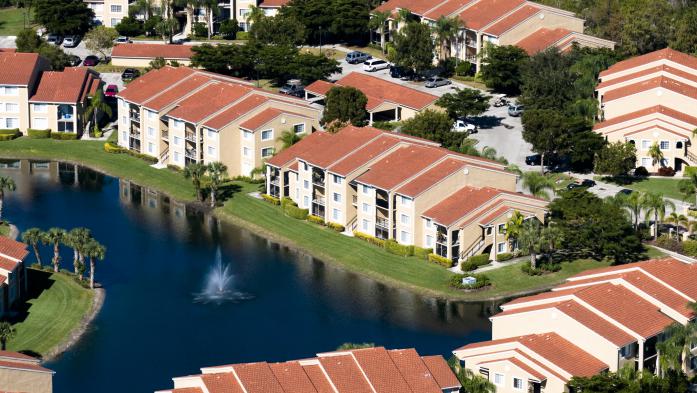
Tampa and its surrounding suburbs in Hillsborough County represent a convergence of urban commerce, suburban master-planned communities, and coastal access. Locations such as the Amberly Drive operational corridor and surrounding residential nodes like Sexton Court reflect the quintessential Tampa suburban profile: tree-lined neighborhoods, proximity to major employment centers (such as the University of South Florida and the Northwest Tampa business districts), and access to highly rated educational infrastructure.
Market Indicator
Regional Trend (Greater Tampa Bay)
Implications for Buyers & Sellers
Median Sales Price
Steady appreciation with plateauing peaks
Sellers must price competitively; buyers face elevated financing costs.
Inventory Levels (Months of Supply)
Moving from seller’s advantage toward balanced territory
Increased options for buyers; extended days on market (DOM) for overpriced listings.
In-Migration Rate
Continued net-positive influx from Northeastern and Midwestern states
Sustained baseline demand for single-family residential properties.
Average Days on Market
Modest increase compared to the 2021–2022 frenzy
Emphasizes the need for professional staging, accurate pricing, and targeted digital marketing.
The Role of Florida Executive Realty
Founded on principles of independence, localized market dominance, and elevated professional standards, Florida Executive Realty has long maintained a distinct position in the Tampa brokerage community. Unlike national franchise monoliths that rely on standardized, top-down corporate mandates, regional brokerages like Florida Executive Realty empower their associated agents with localized agility.
Operating from strategic administrative and operational centers—such as their office at 15802 Amberly Drive—the firm provides its agents with advanced legal, marketing, and transactional support systems. This institutional backing allows independent-minded professionals like Quigley to deliver personalized, boutique-level service backed by enterprise-grade infrastructure.
The Suncoast Tampa Association of Realtors
Professional legitimacy in the region is anchored by active membership in the Suncoast Tampa Association of Realtors. This local board, operating under the umbrella of Florida Realtors and the National Association of Realtors (NAR), ensures that agents maintain strict adherence to the Realtor Code of Ethics.
For Quigley (Realtor ID: 2351034), association membership provides continuous professional development, access to comprehensive Multiple Listing Service (MLS) data, legislative advocacy, and standardized contractual forms that protect consumers throughout Hillsborough and surrounding counties. In an era where consumer trust is paramount, active and compliant board affiliation serves as an essential mark of professional distinction.
Official Statements & Industry Perspectives
The structural dynamics of the Florida real estate market are best understood through the perspectives of industry leaders, brokerage executives, and market analysts who monitor the daily pulse of transactions.
On Brokerage Independence and Agent Empowerment
Industry analysts frequently emphasize the resilience of independent regional brokerages in navigating localized market shifts. Speaking on the operational philosophy of firms like Florida Executive Realty, regional real estate strategists note:
"The modern consumer does not want a cookie-cutter corporate transaction; they want an advocate who understands the micro-nuances of a specific neighborhood, street, or school district. Brokerages that provide robust infrastructural support while fostering independent agent entrepreneurship consistently outperform rigid corporate models in dynamic markets like Tampa."
On Ethics, Professionalism, and the Realtor Designation
With regulatory scrutiny facing the real estate industry nationwide—particularly regarding agency representation, consumer transparency, and compensation structures—local boards have doubled down on professional standards. Leadership within organizations akin to the Suncoast Tampa Association of Realtors frequently stresses the irreplaceable value of localized expertise:
"Navigating today’s regulatory and financial environment requires more than an algorithm or an online portal. It requires licensed professionals who understand fiduciary duty, contract law, and the human element of homeownership. Realtors who invest in continuous education and ethical compliance remain the indispensable bedrock of our housing economy."
On Market Resilience in Tampa Bay
Despite national headlines concerning fluctuating mortgage rates and affordability crunches, economic development officials in Hillsborough County remain bullish on the long-term viability of the region. Local housing economists point to structural demand drivers:
"Tampa Bay is no longer just a cyclical vacation market; it is a permanent economic engine. With sustained corporate relocations, a diversified job market, and a high quality of life, the fundamental demand for housing in our region remains exceptionally robust, rewarding agents and brokerages that prioritize long-term client relationships over transactional speed."
Future Outlook: The Next Decade of Tampa Real Estate
As the Tampa Bay housing market looks toward the horizon, several transformative trends will shape the professional practices of Realtors like Jay Quigley and institutions like Florida Executive Realty.
1. Technological Integration and Artificial Intelligence
The next five to ten years will see the deeper integration of artificial intelligence and advanced data analytics into everyday real estate operations. From predictive analytics that identify potential sellers before they list, to AI-driven valuation models and automated client communication workflows, technology will continue to streamline administrative burdens. However, industry veterans emphasize that technology will only enhance—not replace—the human element of negotiation, empathy, and strategic counsel.
2. Sustainability, Climate Resilience, and Infrastructure
Given Florida’s unique geography, issues surrounding flood zones, storm-resistant construction, insurance market stabilization, and environmental sustainability will take center stage. Buyers are increasingly asking sophisticated questions regarding building materials, elevation, and community drainage systems. Realtors operating in flood-prone or coastal-adjacent micro-markets will need to possess advanced fluency in environmental risk assessment to properly advise their clients.
3. Evolving Consumer Expectations and Transparency
The regulatory landscape governing agent commissions, buyer representation agreements, and consumer disclosures is undergoing a historic evolution. Transparency will be the defining currency of the modern Realtor. Professionals who clearly articulate their value proposition, maintain unyielding ethical standards, and operate with absolute fiduciary loyalty will command the highest levels of consumer trust.
4. Continued Growth in Suburban-Urban Corridors
Areas encompassing the Amberly Drive administrative footprint, New Tampa, Lutz, Wesley Chapel, and greater Hillsborough County will continue to attract residents seeking balanced lifestyles. As urban centers become denser and more expensive, well-connected suburban corridors will experience sustained demand, ensuring that experienced local agents remain at the forefront of regional economic activity.
Conclusion
The trajectory of Jay Quigley’s professional practice within Florida Executive Realty—supported by the institutional standards of the Suncoast Tampa Association of Realtors—illustrates the vital intersection of individual expertise and systemic brokerage support. As the Florida real estate market continues to mature through periods of economic adjustment and demographic expansion, the agents who thrive will be those who combine technological fluency with deep local roots, unwavering ethical standards, and a commitment to client advocacy. In the bustling marketplace of Tampa Bay, these professional principles remain the ultimate benchmark of sustainable success.





0 Comments