

Executive Overview
The Florida real estate landscape is dynamic, hyper-competitive, and continuously shaped by the professionals who navigate its regional markets daily. Among the dedicated practitioners operating within the Greater Tampa Bay area is Jay Quigley, an established real estate professional affiliated with Florida Executive Realty and the Suncoast Tampa Association of Realtors. Operating out of Hillsborough County, Quigley represents a traditional breed of local housing specialists whose careers intersect with broader macroeconomic shifts, evolving consumer preferences, and the shifting regulatory frameworks governing the Florida property market.
This profile examines the professional footprint of Jay Quigley against the backdrop of Florida’s broader real estate ecosystem. By analyzing organizational affiliations, regional market dynamics, and the operational realities of brokerage structures like Florida Executive Realty, this report provides a comprehensive overview of how individual agents contribute to the multi-billion-dollar Florida housing economy. Furthermore, it explores the critical role played by local boards—specifically the Suncoast Tampa Association of Realtors—in maintaining professional standards, consumer trust, and ethical compliance within an increasingly complex marketplace.
Detailed Chronology: Navigating the Florida Real Estate Ecosystem
To fully understand the current professional standing of practitioners like Jay Quigley, it is necessary to trace the developmental timeline of the modern Florida real estate market, the evolution of independent brokerages, and the structural changes within local realtor boards over the past two decades.
Phase I: The Foundation of Independent Brokerage Models (Pre-2010s)
The rise of boutique and independent brokerages in Florida during the late 1990s and early 2000s marked a distinct shift away from massive, depersonalized corporate franchises. Florida Executive Realty, established as a prominent independent player in the Tampa Bay region, was built on a philosophy of localized expertise, agent empowerment, and rigorous training standards. During this foundational period, agents joining firms on Amberly Drive and similar strategic hubs were required to master hyper-local inventory, mortgage mechanics, and title nuances that standard national training programs often overlooked.
Phase II: Post-Crash Adaptation and Regulatory Realignment (2010–2019)
The aftermath of the 2008 financial crisis fundamentally transformed the daily operations of Florida Realtors. Agents operating in the Suncoast region faced unprecedented levels of distressed properties, short sales, and foreclosures. Practitioners affiliated with established boards had to rapidly adapt to new lending guidelines, federal regulations (such as TRID), and shifting consumer expectations. During this era of recovery, professionals who survived the market contraction—such as those anchored within stable independent brokerages—built resilient business models centered on transparent communication, accurate comparative market analysis (CMAs), and deep community roots.
Phase III: The Pandemic Boom and Modern Market Realities (2020–Present)
The historic migration influx into Florida beginning in 2020 brought unprecedented demand, skyrocketing valuations, and severe inventory shortages to Tampa and its surrounding suburbs. Agents like Jay Quigley found themselves navigating bidding wars, remote-buying transactions, and unprecedented pricing velocity. As the market transitioned from a hyper-competitive seller’s market toward a more stabilized, high-interest-rate environment, the value proposition shifted back to traditional advisory services: strategic pricing, negotiation mastery, and guidance through complex financing structures. Today, managing client expectations in a fluctuating interest-rate environment remains the defining challenge for local real estate professionals.
Supporting Context & Metrics: The Tampa Bay Real Estate Landscape
To appreciate the daily environment in which agents operate, one must examine the empirical data driving the Greater Tampa Bay housing market. Hillsborough County and the broader Suncoast region represent one of the most economically resilient and population-dense corridors in the Southeastern United States.
Demographic Shifts and In-Migration Metrics
According to data from the U.S. Census Bureau and Florida Office of Economic and Demographic Research, Florida continues to attract thousands of new residents weekly. Hillsborough County alone has experienced sustained net migration driven by:
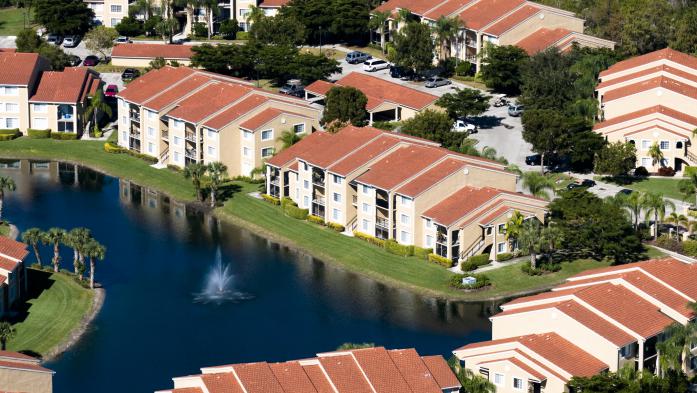
- Corporate relocations and job growth: Expansion in the Westshore business district, downtown Tampa, and the Channel District.
- Tax advantages: The absence of a state personal income tax continues to attract retirees and remote workers from high-tax states like New York, New Jersey, Illinois, and California.
- Lifestyle factors: Proximity to coastal amenities, cultural attractions, and a favorable climate.
Housing Inventory and Valuation Trends
Over the past five years, median home prices in the Tampa-St. Petersburg-Clearwater Metropolitan Statistical Area (MSA) have experienced significant appreciation, followed by a period of price stabilization. Key metrics typically tracked by the Suncoast Tampa Association of Realtors include:
- Days on Market (DOM): While inventory levels have gradually increased from historic lows, well-priced properties in desirable suburban and urban pockets still experience relatively rapid absorption rates.
- Inventory Levels: Months of supply have hovered between 2.5 and 4 months, indicating a market that remains tilted toward balance or mild seller advantage depending on the specific neighborhood and price tier.
- Interest Rate Sensitivity: With mortgage rates fluctuating between 6% and 8% over recent cycles, affordability challenges have reshaped buyer behavior, increasing the demand for alternative financing strategies, rate buydowns, and realistic seller pricing.
Organizational Infrastructure: Brokerages and Local Boards
The professional integrity and operational capacity of any real estate agent are heavily influenced by their institutional affiliations. For Jay Quigley, affiliation with Florida Executive Realty and membership in the Suncoast Tampa Association of Realtors provide a robust framework for professional conduct and business growth.
The Role of Florida Executive Realty
Independent brokerages occupy a vital space in the real estate ecosystem. Unlike national franchise conglomerates bound by rigid corporate mandates, independent firms can pivot quickly to adopt new marketing technologies, tailor commission structures, and foster a tight-knit corporate culture.
- Strategic Location: Operating out of offices situated along key commercial arteries like Amberly Drive places agents in close proximity to major residential growth corridors such as New Tampa, Wesley Chapel, and Carrollwood.
- Agent Support Systems: Independent firms often emphasize continuing education, proprietary market analytics, and administrative backing, allowing agents to focus primarily on client advocacy and transaction management.
The Suncoast Tampa Association of Realtors (STAR)
Membership in a local board is not merely a formality; it is an operational necessity and an ethical anchor. The Suncoast Tampa Association of Realtors provides essential services to its members:

- Multiple Listing Service (MLS) Access: Ensuring accurate, real-time syndication of property data across national and international portals.
- Code of Ethics Enforcement: Upholding the strict standards mandated by the National Association of Realtors (NAR), protecting consumers against fraudulent practices, dual-agency violations, and discriminatory housing practices.
- Legislative Advocacy: Lobbying at local and state levels to protect private property rights, manage impact fees, and advocate for balanced housing policies that address affordability without stifling development.
Official Statements & Industry Perspectives
Industry leaders, brokerage executives, and trade association officials frequently weigh in on the structural changes affecting the Florida housing market. While individual practitioners focus on day-to-day transactions, leadership within organizations like the Suncoast Tampa Association of Realtors and independent brokerages emphasize broader themes of professionalism, adaptability, and consumer protection.
"The modern Florida real estate market demands a higher caliber of professionalism than ever before. Consumers are bombarded with data from third-party aggregators, but they rely on local experts to interpret that data accurately, negotiate effectively, and protect their financial interests through every phase of a transaction." — Industry Association Spokesperson
Brokerage executives also point to the changing technological landscape as a defining feature of modern practice. The integration of artificial intelligence in property valuation, automated transaction management software, and digital closing platforms has streamlined operations. However, industry veterans consistently emphasize that technology cannot replace human judgment, emotional intelligence during negotiations, and deep local market intuition.
Future Outlook: Challenges and Opportunities in the Florida Housing Market
As the Florida real estate market looks toward the remainder of the decade, several key trends will shape the trajectories of independent brokerages and individual agents alike.

1. Navigating Affordability and Insurance Pressures
One of the most pressing challenges facing Florida homeowners and prospective buyers is the escalating cost of property insurance. Legislative reforms enacted by the Florida Legislature have begun to address excessive litigation in the property insurance sector, but premium stabilization will take time. Agents who can guide clients through insurance underwriting requirements, wind mitigation inspections, and flood zone designations will provide indispensable value.
2. Technological Integration vs. Personal Touch
While proptech innovations will continue to automate routine tasks—such as scheduling showings, generating comparative market analyses, and managing digital signatures—the core of the real estate business remains deeply relational. Successful agents will leverage technology to enhance efficiency while doubling down on personalized client communication and trusted advisory services.
3. Sustainable and Resilient Development
With environmental concerns and climate resilience increasingly influencing buyer decisions, understanding infrastructure developments, zoning laws, and flood mitigation measures will become standard requirements for Tampa Bay real estate professionals. Properties equipped with modern drainage systems, impact-resistant windows, and energy-efficient building materials will command a permanent premium.
Conclusion
The professional profile of practitioners like Jay Quigley, operating under the banner of established firms like Florida Executive Realty and governed by the ethical standards of the Suncoast Tampa Association of Realtors, reflects the enduring importance of local expertise in a complex global economy. As the Florida property market continues to evolve through economic cycles, regulatory shifts, and demographic expansion, the bedrock of successful real estate practice remains unchanged: rigorous market knowledge, unwavering ethical standards, and a steadfast commitment to client advocacy.

0 Comments