

Executive Overview
Across Central Florida, local governments are increasingly finding themselves at the epicenter of a broader cultural and municipal reckoning over the rapid, largely unchecked expansion of modern technology. From the sprawling rural expanses of Volusia County to the suburban neighborhoods of Oviedo, residents and municipal leaders are engaging in high-stakes debates regarding how emerging technologies intersect with local infrastructure, environmental preservation, and personal privacy.
While the two controversies involve fundamentally different applications—massive, energy-hungry digital infrastructure versus ubiquitous optical surveillance networks—they share a common root. Both reflect a growing skepticism among citizens who are demanding greater accountability from lawmakers regarding how fast-paced technological advancements alter their physical communities and daily lives.
In Volusia County, mounting anxieties over staggering energy consumption, water depletion, and land-use strains prompted county commissioners to bypass a recommended temporary study period in favor of pursuing an outright ban on large-scale data centers in unincorporated areas. Meanwhile, roughly 35 miles away in Oviedo, city officials are re-evaluating their contract with Flock Safety for automated license plate reader (ALPR) cameras. Fueled by concerns over government overreach, third-party data sharing, and high-profile local abuses of restricted law-enforcement databases, residents have successfully pushed the municipal government to reconsider the surveillance apparatus deployed along its borders.
These parallel disputes underscore a pivotal tension in modern local governance: balancing the economic and security promises of cutting-edge technology against the tangible risks posed to natural resources, infrastructure stability, and civil liberties.
Detailed Chronology of Events
Volusia County: The Path to a Data Center Prohibition
The legislative maneuvering in Volusia County unfolded rapidly following months of quiet concern among residents regarding the rapid development of heavy technological infrastructure across the state.
- August 17: Volusia County hosted a pivotal public meeting characterized by extensive debate and widespread public comment. Residents voiced acute concerns over the potential strain that massive industrial computing facilities would place on local electrical grids, water supplies, and rural landscapes.
- Monday (Following the August 17 meeting): Following hours of public testimony, Volusia County commissioners voted unanimously to reject a staff-recommended temporary moratorium. Instead, they opted to move forward directly with drafting an outright ban on large-scale data centers within unincorporated regions of the county.
- State Legislative Context (2024–Present): Florida lawmakers previously addressed the booming data center industry by passing Senate Bill 484. This legislation explicitly preserved the authority of local governments to manage comprehensive planning and land-development regulations concerning large-load utility customers.
- State-Commissioned Study Timeline: County attorneys initially advised commissioners to await the findings of a comprehensive, state-commissioned study tasked with examining the multifaceted impacts of data centers on economic development, tax revenue, land use, water reserves, and energy grids. That official report is not scheduled for submission to state leaders until July 1, 2027. Rejecting the county attorney’s counsel for a prolonged waiting period, commissioners directed staff to draft the permanent prohibition ordinance.
- Municipal Action Across the County: While the proposed Volusia County ban applies strictly to unincorporated areas, surrounding municipalities have moved independently. Ormond Beach previously enacted an 18-month moratorium on data centers, and voters in Edgewater are slated to consider a localized data-center ordinance via a November referendum. County officials confirmed that, as of the current policy shift, no specific large-scale data center projects have been formally proposed within Volusia County.
Oviedo: Re-Examining the Flock Safety Agreement
Approximately 35 miles southwest of Volusia County, the technological debate in Oviedo centers on optical data collection rather than heavy industrial energy loads.

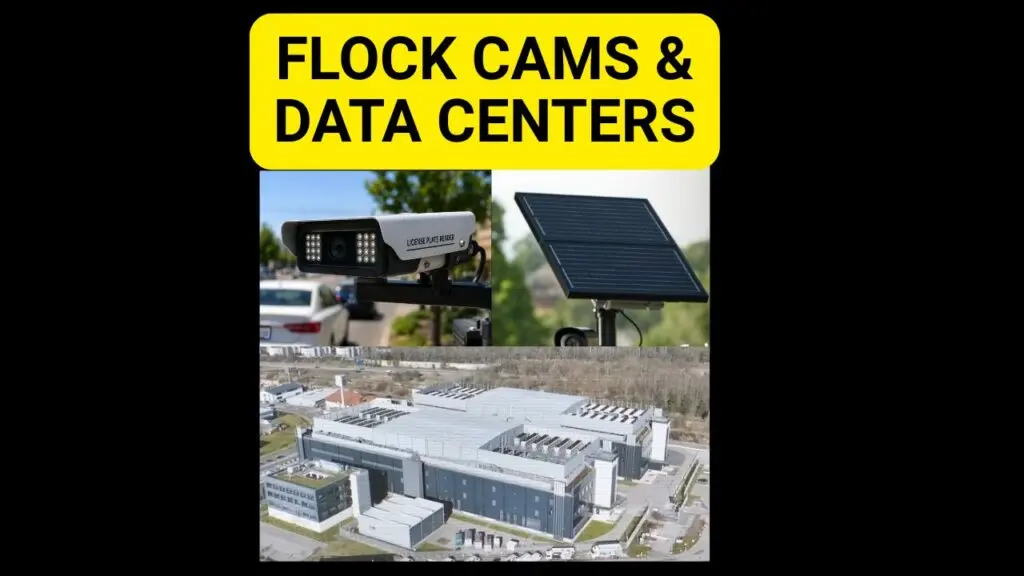
- September (Prior Year): The Oviedo City Council originally approved an agreement with Flock Safety to install eight Automated License Plate Recognition cameras near the city’s outer municipal boundaries. These cameras capture high-resolution images of license plates and vehicle characteristics as motorists enter and exit the community.
- Initial Resistance: Mayor Megan Sladek opposed the implementation during the initial council vote, persistently raising questions regarding data governance, retention policies, and the potential for collected information to be accessed or shared by unvetted third parties.
- July (The Sumter County Incident): Public scrutiny intensified following the arrest and termination of former Sumter County Sheriff’s Office Detective Brandy Almany. Investigators alleged that Almany utilized restricted law-enforcement databases—specifically including Flock’s ALPR network—to illegally track her husband’s ex-wife for personal reasons, utilizing fabricated case numbers and false investigative justifications to bypass security checks. In response, Sumter County Sheriff Patrick Breeden temporarily suspended his agency’s use of Flock cameras pending a thorough internal audit.
- Recent Council Re-evaluations: Driven by resident activists such as Gabi Mengel, who publicly characterized the camera network as a dangerous "slippery slope," Oviedo city leaders placed the Flock contract back onto the official agenda for review. While the discussion did not result in an immediate termination of the contract or a formal vote to remove the devices, it signaled a significant shift in the political viability of municipal surveillance programs.
Supporting Context and Metrics
To fully understand the urgency driving these municipal policy battles, it is necessary to examine the physical scale of the technologies in question and the regulatory frameworks governing them.
Defining Large-Scale Data Centers
Under Florida state law, a facility is officially classified as a "large-scale data center" if it occupies a single location and possesses an anticipated monthly peak electrical load of at least 50 megawatts (MW).
To put that figure into perspective, a single 50-megawatt data facility consumes enough electricity to power tens of thousands of average American homes continuously. Beyond power demands, these facilities require immense volumes of water for cooling systems—often millions of gallons daily—leading to profound environmental worries in regions sensitive to aquifer depletion and energy grid reliability.
The Evolution of Automated License Plate Reader Networks
Flock Safety operates a nationwide network of fixed cameras that capture vehicle metadata, including make, model, color, license plate number, and timestamps. This data is aggregated into searchable databases utilized by hundreds of law enforcement agencies across the United States.
In response to widespread civil liberties lawsuits, legislative pushback, and public outcry, Flock Safety recently implemented sweeping policy adjustments:
- Data Retention Reduction: The company shortened its default data-retention period from 30 days down to seven days, after which unflagged data is automatically purged.
- Audit Technology Enhancements: Flock introduced mandatory auditing tools designed to flag suspicious or out-of-jurisdiction database queries by law enforcement personnel.
- National Pushback: According to data compiled by the Associated Press, more than 50 local jurisdictions nationwide have completely severed their contractual relationships with Flock Safety over mounting privacy and oversight apprehensions.
Official Statements and Stakeholder Perspectives
The ideological divide between technological proponents and municipal skeptics was clearly articulated through public comments, police briefings, and mayoral statements during recent proceedings.

Pro-Technology and Law Enforcement Arguments
Proponents of automated surveillance networks emphasize their utility in combating property crime, locating missing persons, and recovering stolen vehicles.
- Chief Dale Coleman, Oviedo Police Department: Defending the utility of the Flock camera network, Chief Coleman noted that the system provides local investigators with an invaluable, real-time investigative asset. Coleman emphasized that department policy strictly mandates that officers tie all database searches to legitimate, active criminal cases, and he pointed to regular internal audits designed to catch and penalize improper access.
- Industry Advocates (Data Centers): Proponents of large-scale digital infrastructure argue that data centers are the fundamental building blocks of the modern digital economy, generating substantial tax revenues, creating high-paying tech jobs, and supporting regional economic diversification. They contend that blanket bans hinder technological progress and economic competitiveness.
Skeptics, Residents, and Municipal Leaders
Critics counter that the convenience and security offered by these technologies come at an unacceptable cost to civil liberties and environmental sustainability.
- Mayor Megan Sladek, Oviedo: Mayor Sladek has consistently challenged the normalization of constant government tracking, questioning the long-term implications of private corporations managing vast repositories of citizen movement data and the potential for mission creep.
- Gabi Mengel, Oviedo Resident: Voicing a sentiment echoed by numerous community members during council meetings, Mengel warned that deploying passive tracking infrastructure across suburban boundaries represents a dangerous "slippery slope" toward a pervasive surveillance state.
- Volusia County Commissioners: Speaking through their unanimous vote, commissioners signaled that protecting local natural resources, preventing grid instability, and preserving rural tranquility outweigh speculative economic returns from heavy industrial computing facilities.
Future Outlook
The simultaneous policy battles in Volusia County and Oviedo serve as a bellwether for the future of municipal governance across Florida. As artificial intelligence, cloud computing, and predictive policing technologies continue to evolve at a blistering pace, local governments are increasingly forced onto the front lines of defense.
In Volusia County, the impending formal ordinance will likely establish a legal precedent for other Florida counties seeking to insulate their rural lands and municipal utilities from the heavy resource footprint of the tech sector. Meanwhile, municipalities utilizing automated surveillance face a narrowing margin for error. Incidents of database misuse—such as the high-profile scandal in Sumter County—have eroded public trust, ensuring that every software renewal and camera contract will be subjected to rigorous public scrutiny and debate.
Ultimately, these Central Florida flashpoints demonstrate that residents are no longer willing to accept technological expansion as an inevitable, unquestioned good. As communities draw firm lines regarding energy consumption, environmental impact, and personal privacy, local officials must navigate an increasingly complex landscape where the desires of the tech industry collide directly with the fundamental right of citizens to govern their own neighborhoods.

0 Comments