

Executive Overview
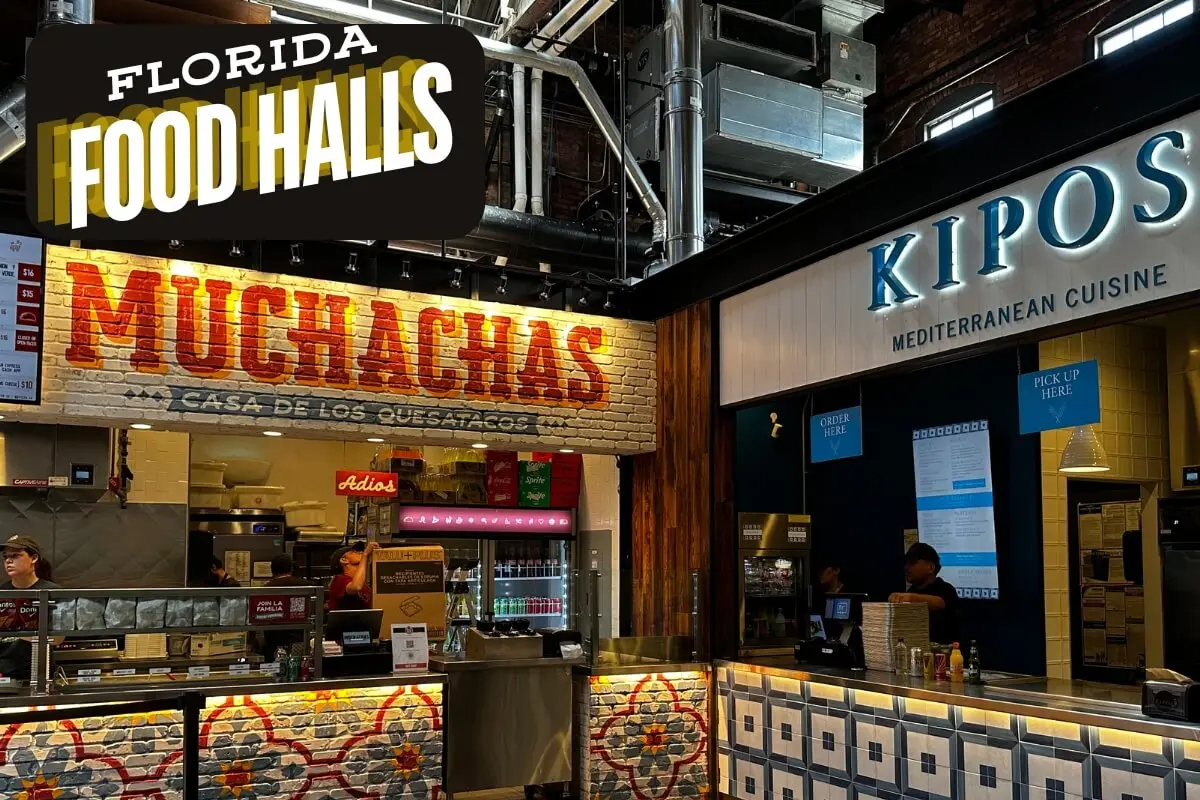
Over the past decade, the culinary landscape of Florida has undergone a radical transformation. While the state has long been celebrated for its coastal seafood shacks, Cuban coffee windows, and fine dining establishments, a new paradigm in communal dining has taken root: the artisanal food hall. Moving far beyond the sterile, chain-driven food courts of traditional American shopping malls, modern Florida food halls represent a celebration of local entrepreneurship, architectural preservation, and culinary innovation.
These dynamic marketplaces curate a diverse collection of independent chefs, bakers, mixologists, and micro-brewers under a single roof, offering patrons an immersive, democratic gastronomic experience. From the historic brick-and-mortar revitalizations along Tampa’s riverfront to the vibrant, design-forward cultural hubs of Miami and Orlando, food halls have evolved into vital community anchors. They serve as incubators for culinary talent, social gathering spaces, and cultural touchstones that reflect the multifaceted identity of the Sunshine State. This report explores Florida’s premier food halls, detailing their distinct operational concepts, signature culinary offerings, and broader impact on the state’s urban and economic development.

Detailed Chronology & Spotlight on Premier Destinations
The proliferation of food halls in Florida is not merely a passing real estate trend; it is a structural shift in how communities consume food and culture. Below is a detailed examination of the state’s most influential culinary markets, tracing their development and highlighting their core offerings.

MIA Market – Miami
Situated just a few miles north of Downtown Miami within the prestigious Miami Design District, MIA Market represents a sophisticated evolution of the counter-service model. Opened to pioneer chef-to-table concepts in the region, the market houses ten distinct culinary vendors alongside a central, high-concept cocktail bar.
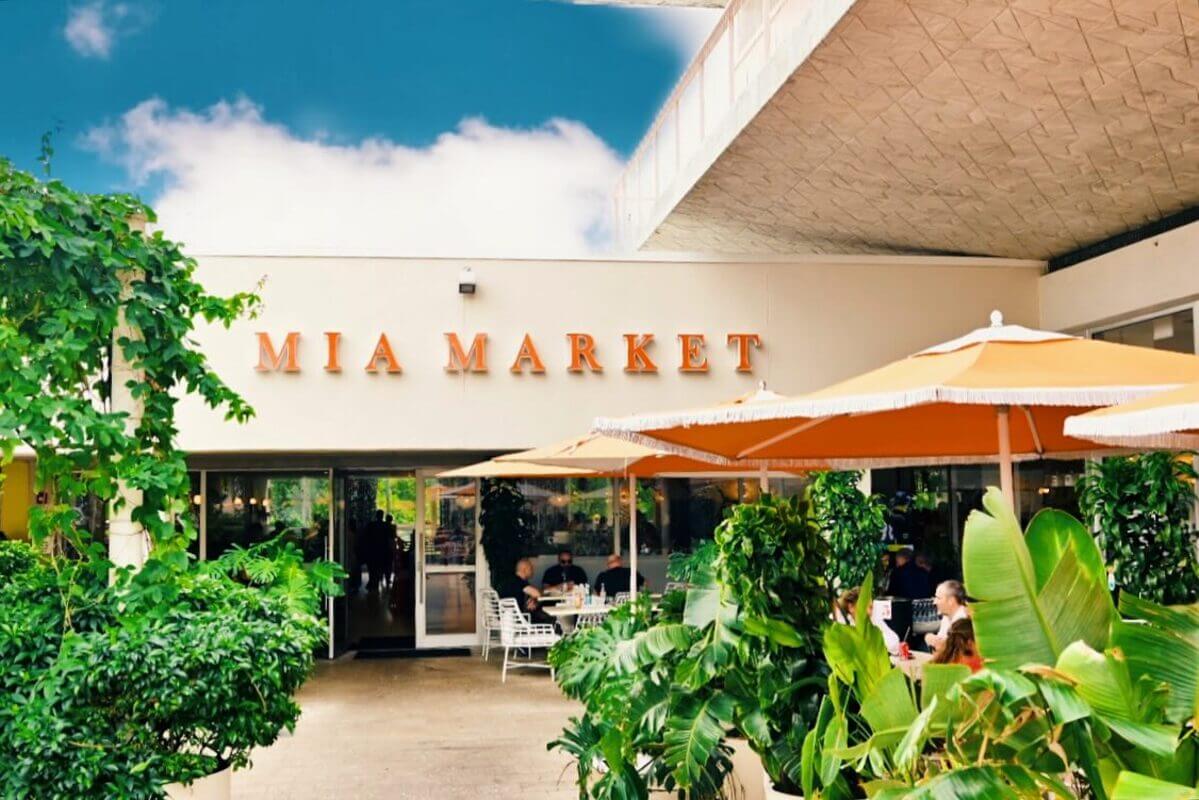
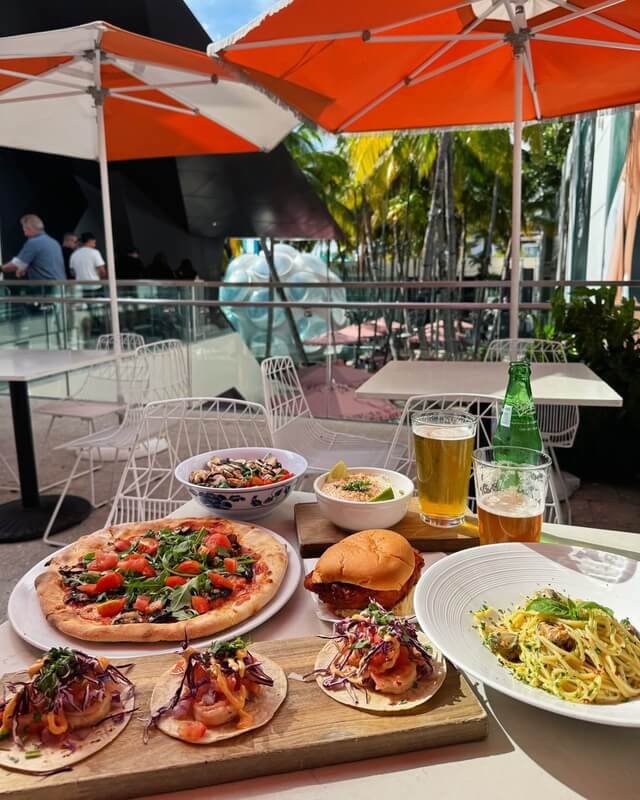
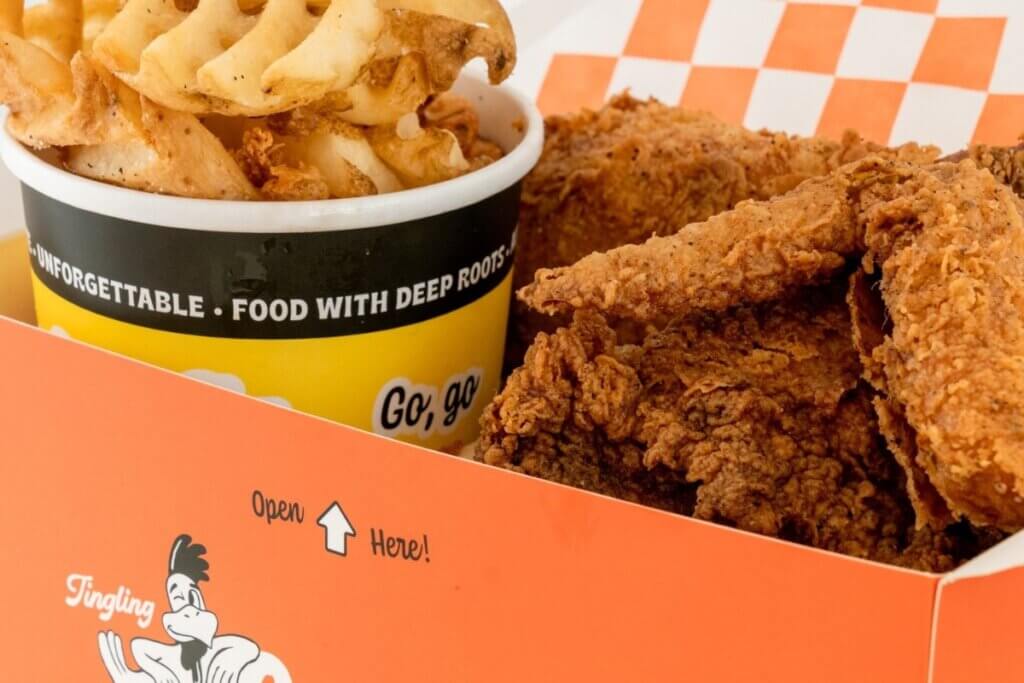
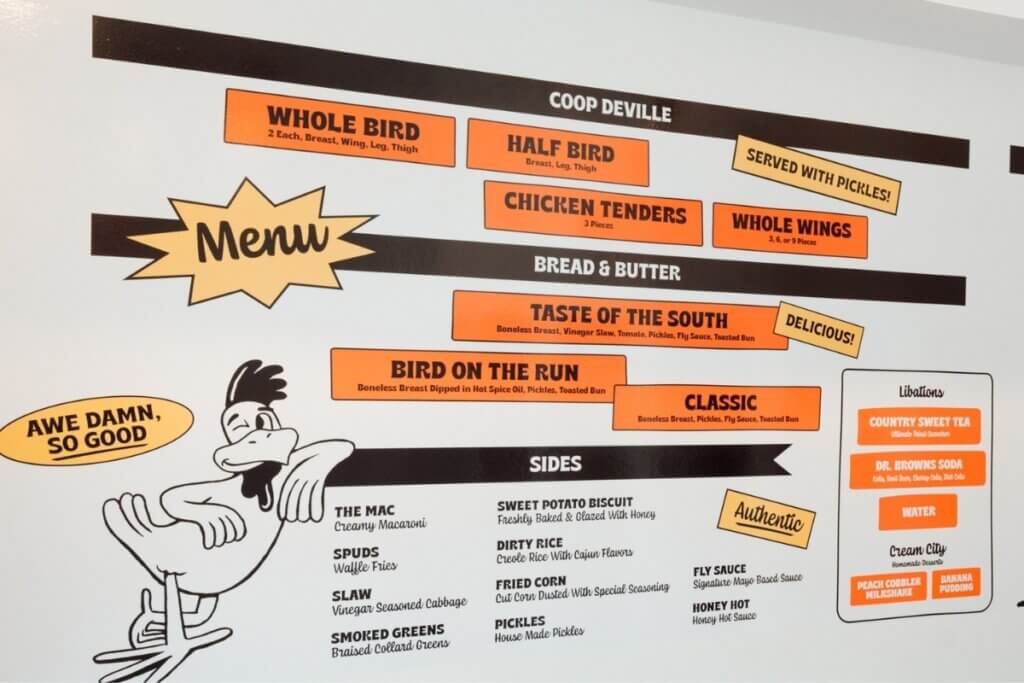
MIA Market distinguishes itself through an uncompromising commitment to culinary pedigree. Among its standout tenants is Soulfly Chicken, an acclaimed vendor recognized by regional media critics for serving exceptional, Southern-inspired comfort food. Beyond its celebrated fried chicken, Soulfly offers classic accompaniments including artisanal waffles, hand-cut fries, savory macaroni and cheese, and scratch-made banana pudding. The vendor roster rotates to showcase emerging culinary voices, bridging international street food traditions—ranging from authentic Italian pasta to Japanese delicacies—with upscale execution.
- Location: 140 NE 39th St., Miami, FL 33137
- Operating Hours: Sunday through Thursday, 10:00 AM – 8:00 PM; Friday and Saturday, 10:00 AM – 9:00 PM (Individual vendor hours may vary).
Plant Street Market – Winter Garden
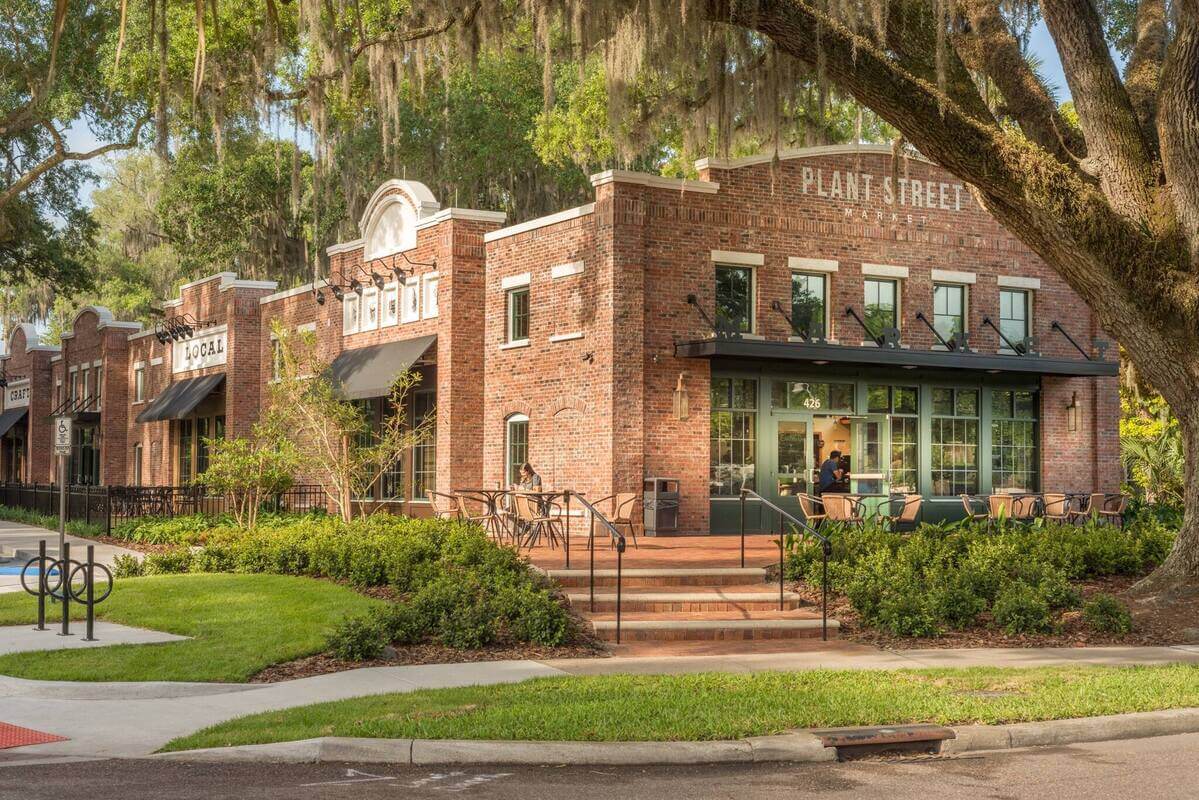
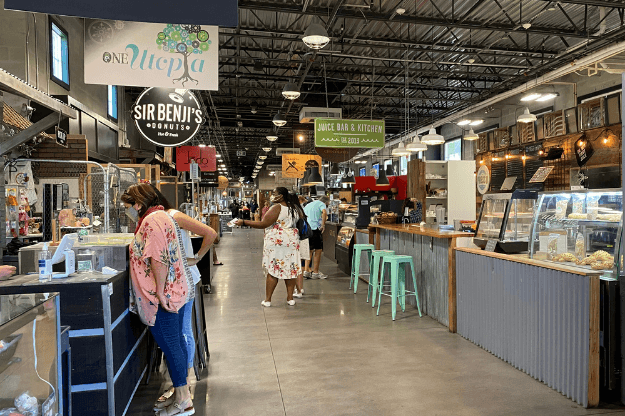
Located in the heart of historic downtown Winter Garden, Plant Street Market integrates artisanal commerce with community-centric placemaking. Home to approximately 20 independent vendors, the market emphasizes hand-crafted, locally sourced goods ranging from fresh oysters and artisanal empanadas to wood-fired pizza and barbecue.
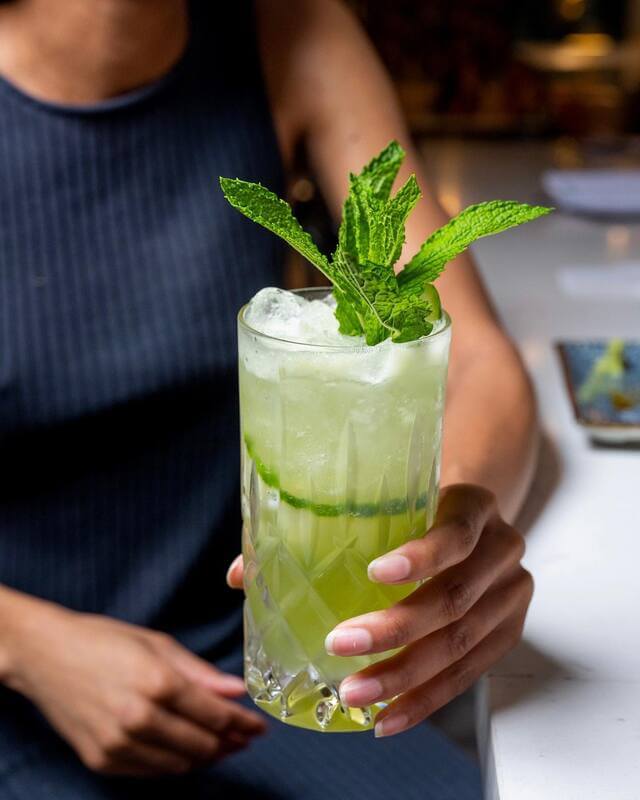
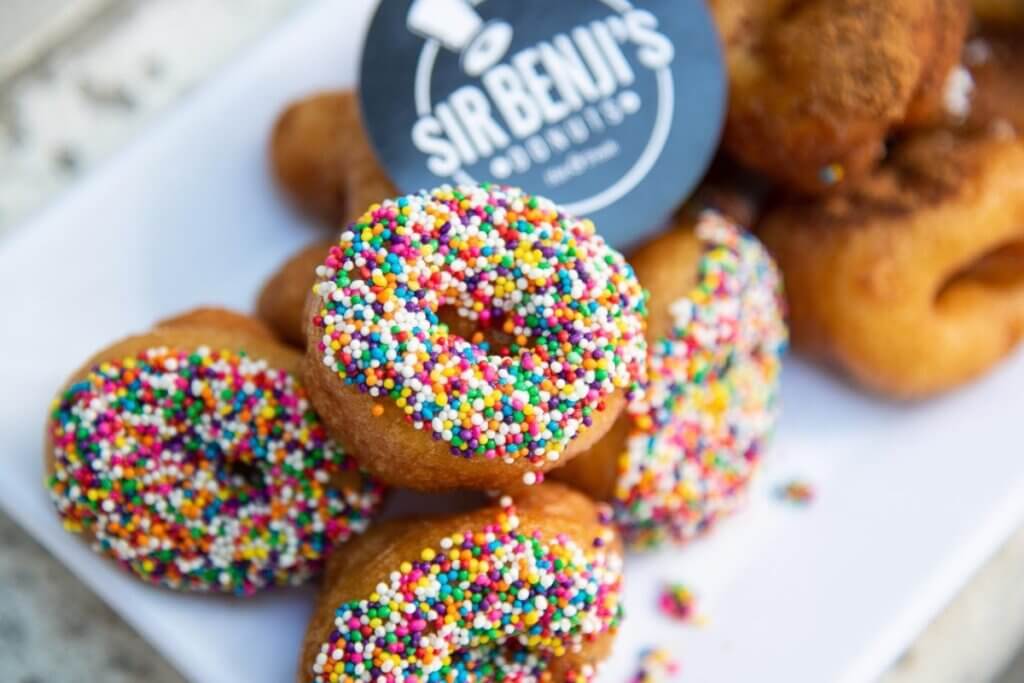
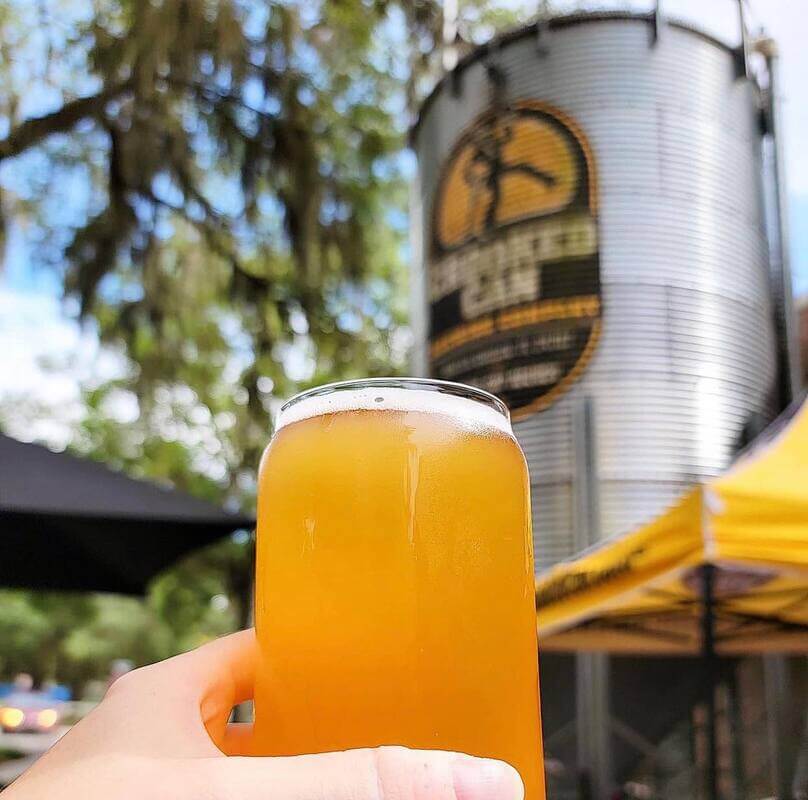
The undisputed anchor of Plant Street Market is the Crooked Can Brewing Company, a destination microbrewery featuring an expansive taproom and production facility. Patrons can enjoy award-winning craft beers while exploring adjacent vendors such as Sir Benji’s Donuts and Paleteria Handcrafted Popsicles. Designed with a pet-friendly, open-air patio that frequently hosts live musical performances, Plant Street Market functions as a vibrant social living room for Central Florida residents and visitors alike.
- Location: 426 W Plant St., Winter Garden, FL 34787
- Operating Hours: Sunday through Thursday, 11:00 AM – 11:00 PM; Friday and Saturday, 11:00 AM – 12:00 AM (Individual vendor hours may vary).
East End Market – Orlando
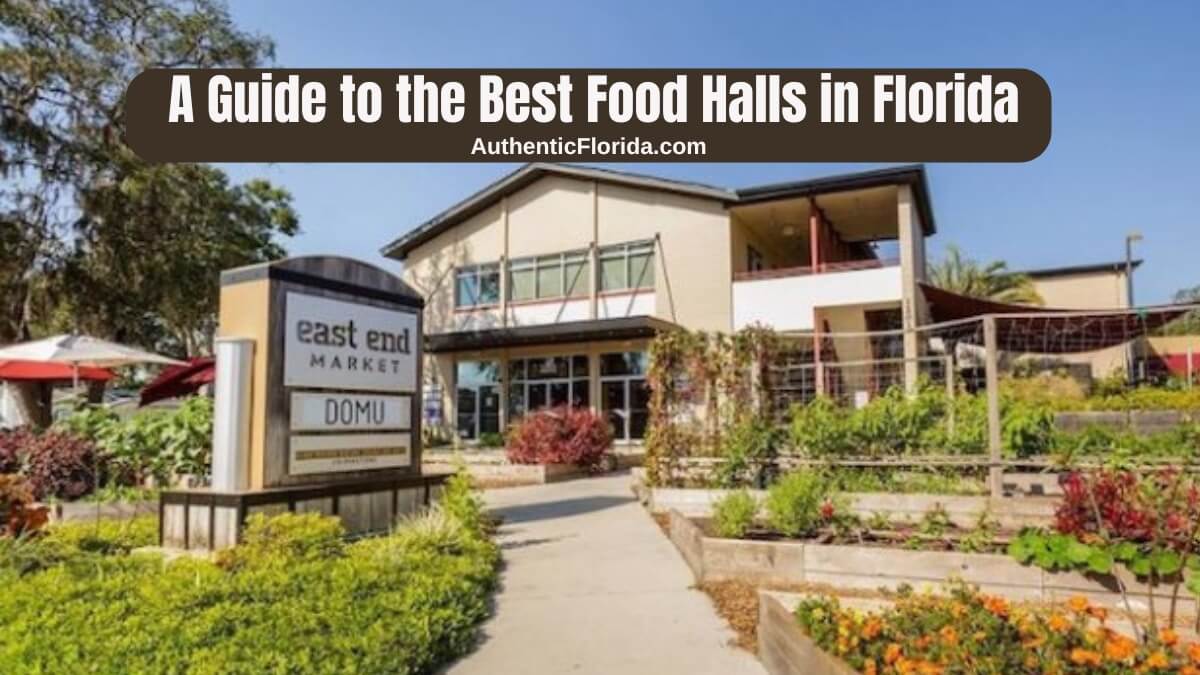
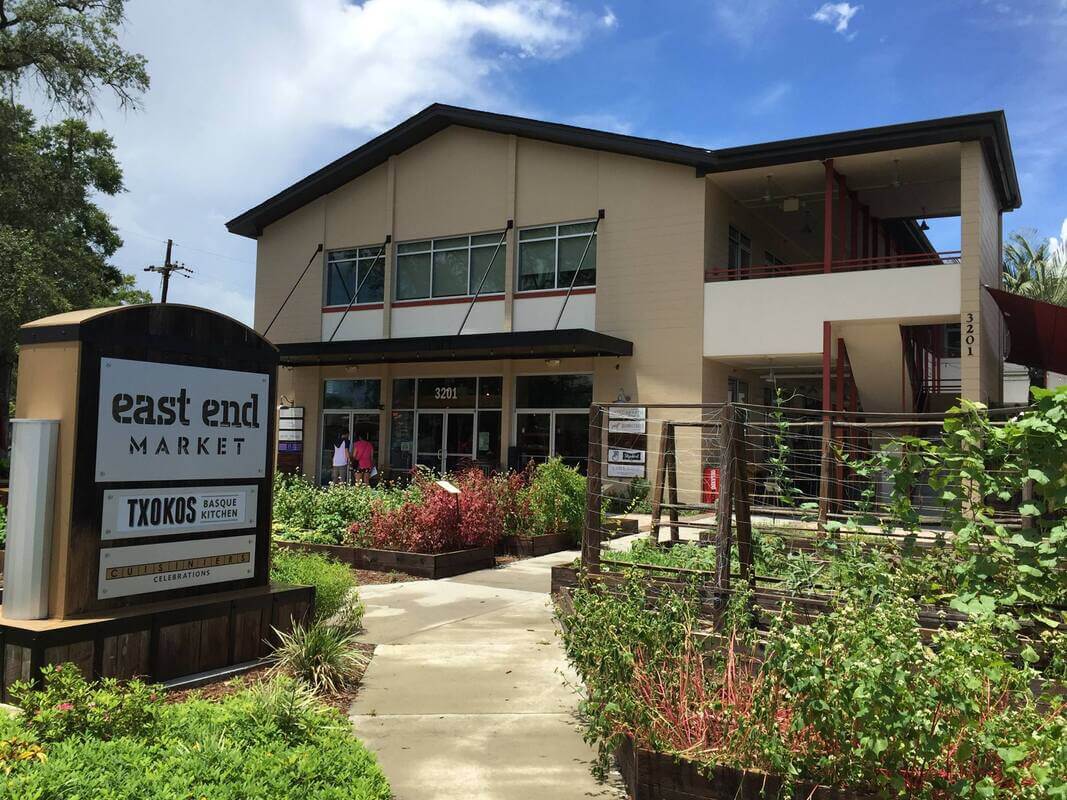
Operating within the eclectic Audubon Park neighborhood, East End Market is a two-story neighborhood market and culinary incubator dedicated to regional food entrepreneurship. Housed in a former tractor showroom, the market champions sustainable agriculture, artisanal crafts, and scratch-made fare.
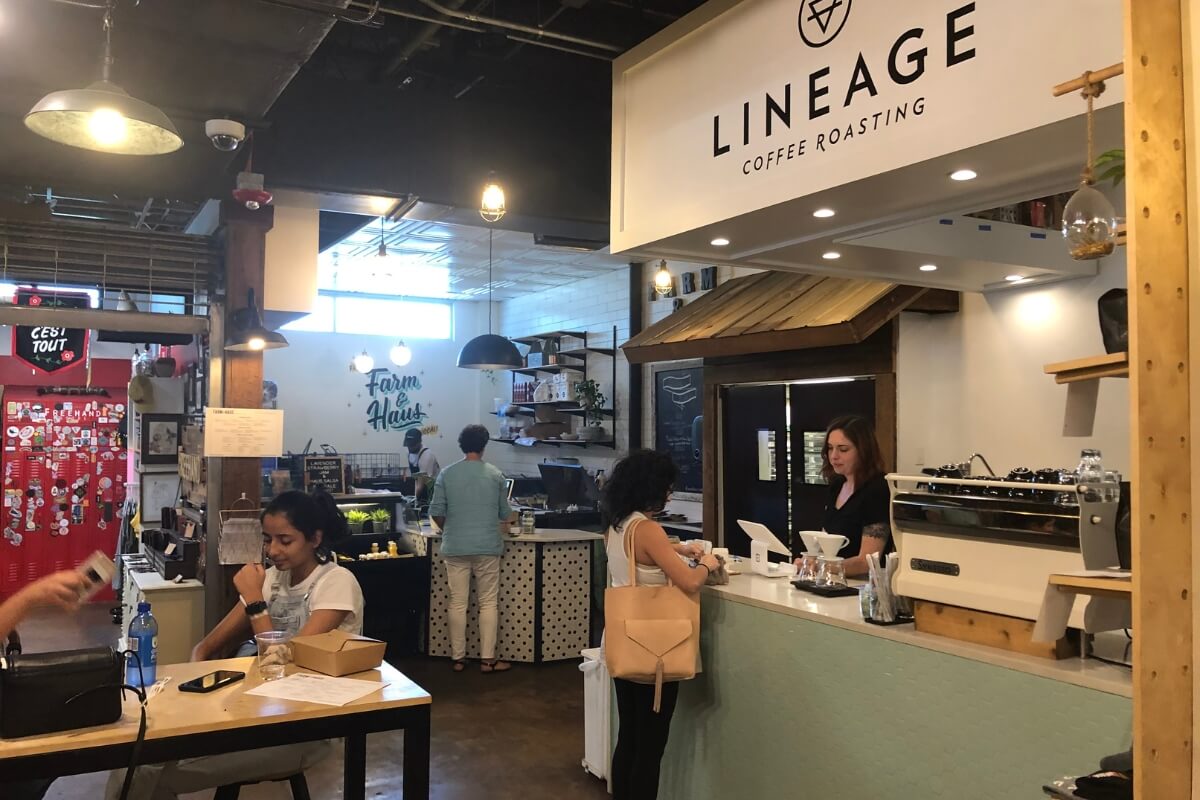
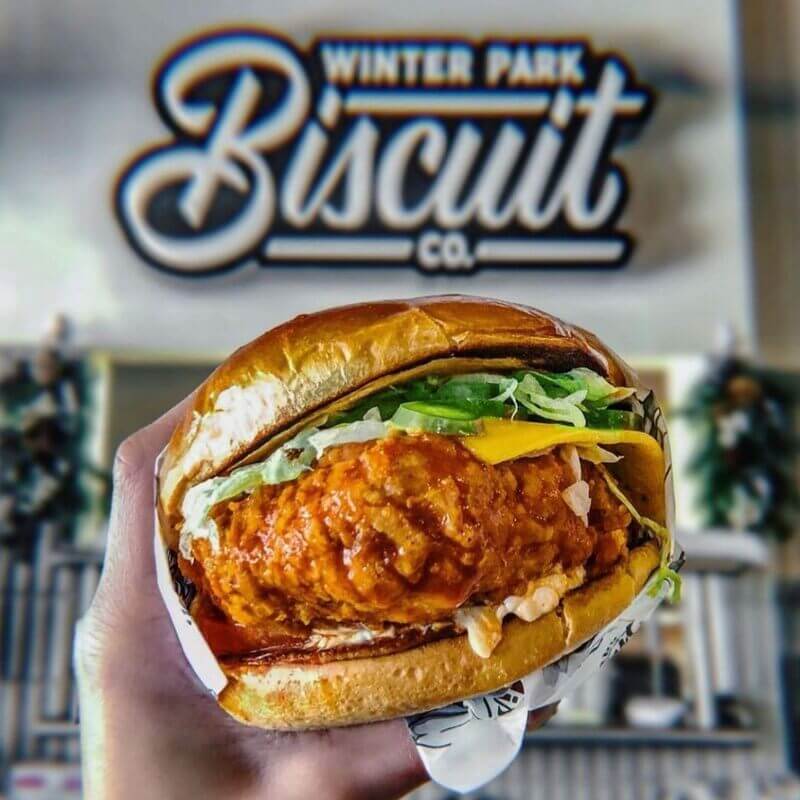
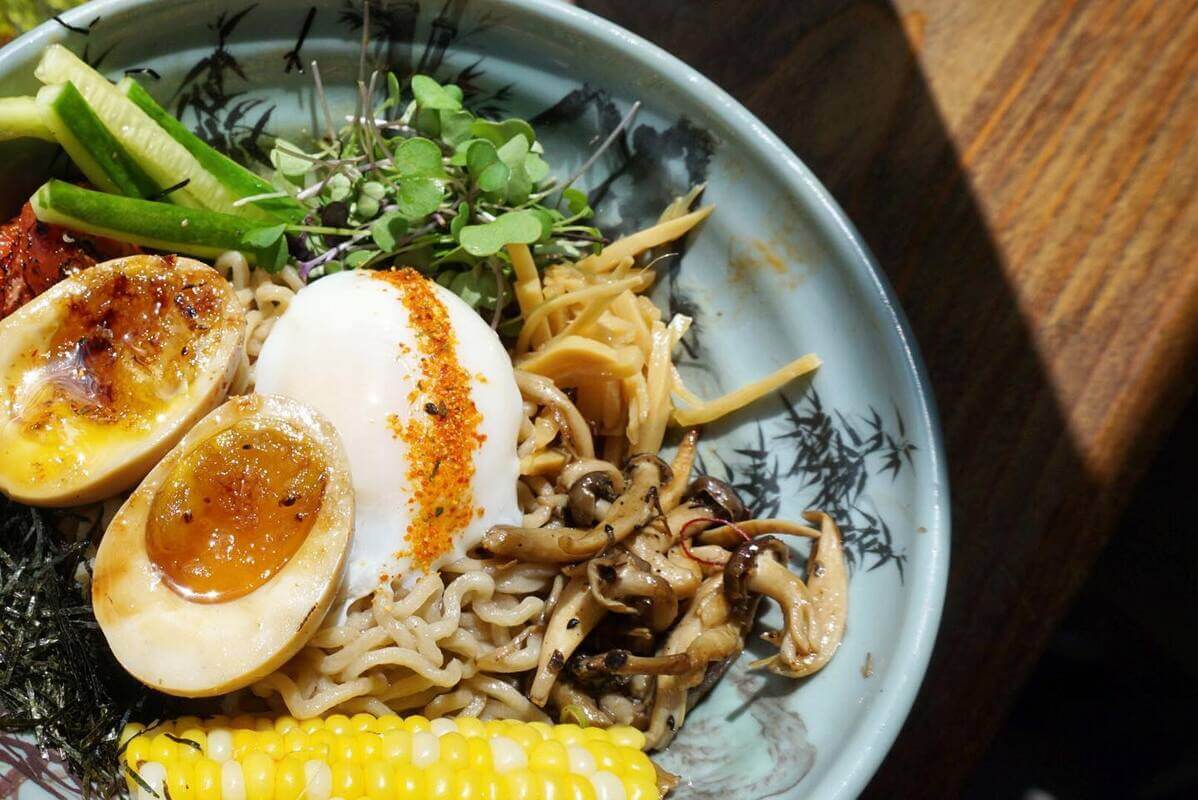
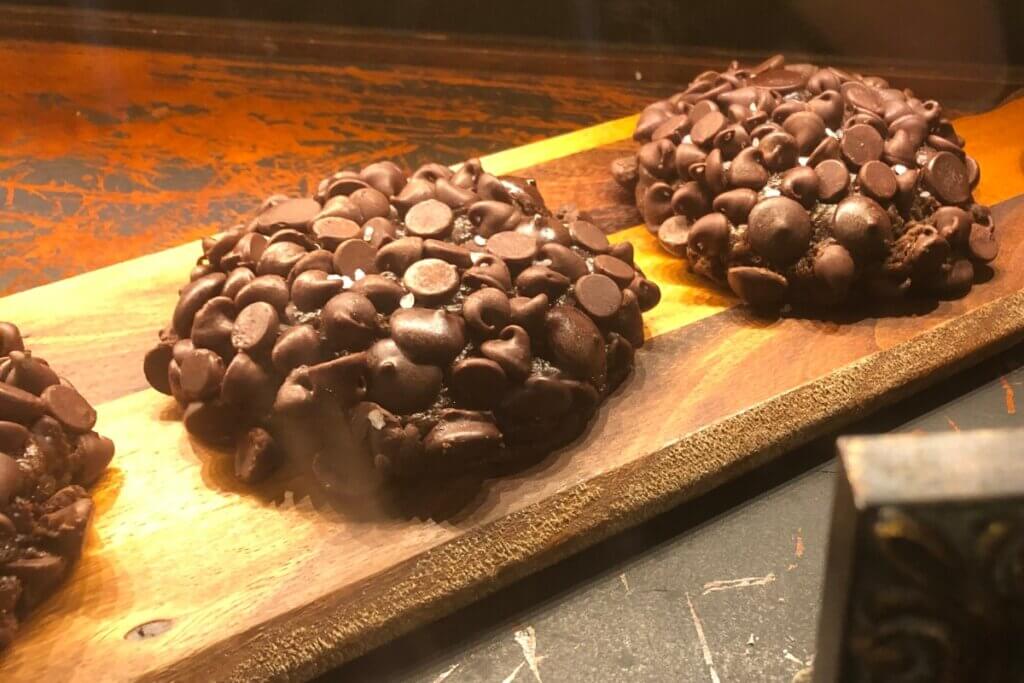
East End Market is renowned for housing some of Central Florida’s most celebrated culinary concepts. These include the Winter Park Biscuit Company, a trailblazing plant-based vendor serving innovative vegan comfort food, and Domu, an award-winning ramen shop celebrated for its meticulous broths and house-made noodles. Additionally, the market serves as a retail hub for specialty merchants, urban farmers, and bakers, most notably Gideon’s Bakehouse, nationally famous for its multi-layered, oversized artisan cookies.
- Location: 3201 Corrine Dr., Orlando, FL 32803
- Operating Hours: Monday through Thursday, 8:00 AM – 7:00 PM; Friday and Saturday, 8:00 AM – 9:00 PM; Sunday, 8:00 AM – 6:00 PM (Individual vendor hours may vary).
Armature Works – Tampa
Occupying a meticulously restored, historic streetcar barn along the banks of the Hillsborough River in Tampa Heights, Armature Works is a monumental multi-use facility. At its core is the Heights Public Market, a soaring open-plan food hall surrounded by full-service restaurants, private event spaces, and multiple indoor-outdoor bars.
Armature Works bridges Tampa’s industrial past with its contemporary urban renaissance. The market features an eclectic mix of quick-service stalls and artisanal purveyors serving everything from fresh-pressed pasta and Caribbean-fusion empanadas (via local favorite Empamamas) to artisanal ice cream and gourmet coffee. The surrounding grounds and indoor halls also act as major cultural catalysts, hosting large-scale community events such as the annual Heights District Fall Fest and the Brews & Blues Beer & Music Festival.
- Location: 1910 N Ola Ave, Tampa, FL 33602
- Operating Hours: Monday through Thursday, 7:30 AM – 10:00 PM; Friday, 7:30 AM – 12:00 AM; Saturday, 8:00 AM – 12:00 AM; Sunday, 9:00 AM – 9:00 PM (Individual vendor hours may vary).
Sistrunk Marketplace – Fort Lauderdale
Sistrunk Marketplace redefines the traditional food hall by operating simultaneously as a culinary market, craft microbrewery, independent distillery, and interactive art space. Situated in Fort Lauderdale’s historic Sistrunk corridor, the venue was designed to catalyze local economic development while offering a cutting-edge hospitality experience.
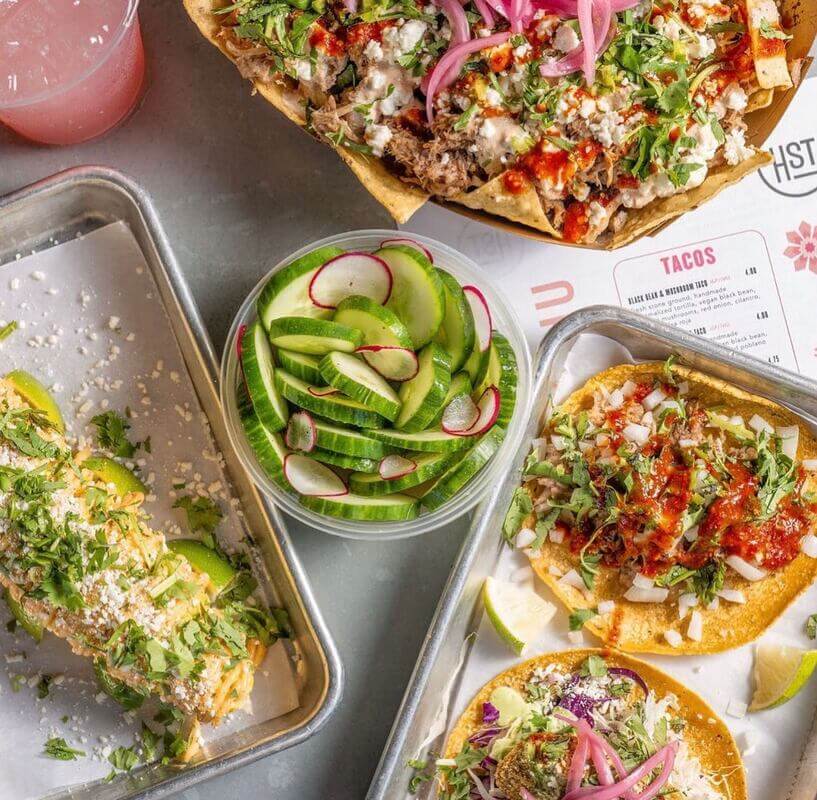
In addition to housing diverse food stalls serving global cuisines—such as Osom Crepes, known for its sweet and savory preparations—the marketplace features Dream State Brewing, an innovative craft brewery. Patrons visiting Sistrunk Marketplace can participate in immersive mixology classes, tour the on-site distillery, and view rotating art installations by regional creatives.
- Location: 115 Northwest 6th St., Fort Lauderdale, FL 33311
- Operating Hours: Wednesday and Thursday, 4:00 AM – 10:00 PM; Friday and Saturday, 11:30 AM – 11:00 PM; Sunday, 11:30 AM – 9:00 PM (Individual vendor hours may vary).
Supporting Context & Metrics
The rapid expansion of Florida’s food hall sector is underpinned by shifting consumer demographics, commercial real estate strategies, and tourism trends.
Economic and Urban Impact
Unlike traditional restaurants that require substantial capital investment in standalone real estate, food halls offer a lower barrier to entry for culinary entrepreneurs. By sharing operational overhead, utilities, and common seating areas, independent vendors can test concepts, scale operations, and build a dedicated following with reduced financial risk. Real estate developers, meanwhile, utilize food halls as catalytic anchors to revitalize historic industrial zones (such as Armature Works in Tampa) or to drive foot traffic into burgeoning retail districts (such as MIA Market in Miami).
Consumer Preferences
Market research indicates that modern diners—particularly Millennials and Generation Z—prioritize variety, experiential dining, and local authenticity over standardized chain dining. Food halls cater directly to these preferences by allowing groups with disparate dietary restrictions (e.g., vegans, gluten-free diners, and traditional meat-lovers) to dine together without compromising on quality. The integration of craft beverage programs, visual art, and live entertainment transforms a routine meal into an all-encompassing leisure activity.
Official Statements and Industry Insights
Urban planners and hospitality executives have increasingly recognized the transformative power of communal markets within Florida’s metropolitan centers.
Industry analysts note that the success of properties like Plant Street Market and East End Market lies in their ability to function as "third places"—social environments separate from home and the workplace where community bonds are forged. According to commercial real estate developers specializing in adaptive reuse projects, the integration of artisanal food vendors preserves the architectural heritage of historic structures while injecting modern economic vitality into urban neighborhoods. Furthermore, culinary directors emphasize that food halls act as vital proving grounds for the state’s burgeoning gastronomic talent, allowing independent chefs to experiment with avant-garde culinary concepts without the prohibitive costs of traditional restaurant ownership.
Future Outlook
As Florida’s population continues to grow through domestic migration and international tourism, the demand for dynamic, experience-driven dining spaces is projected to accelerate. Future iterations of Florida food halls are expected to incorporate advanced technological infrastructure—such as unified mobile ordering platforms, automated inventory systems, and ghost kitchen integrations—to streamline operations for vendors and enhance convenience for consumers.
Moreover, sustainability and local sourcing will likely take center stage. As consumers demand greater transparency regarding their food supply chains, food halls are uniquely positioned to partner with regional Florida agricultural producers, urban farms, and coastal fisheries. By maintaining their core mission of championing local artisans, community engagement, and architectural preservation, Florida’s food halls will undoubtedly remain at the vanguard of the state’s culinary identity for decades to come.

0 Comments