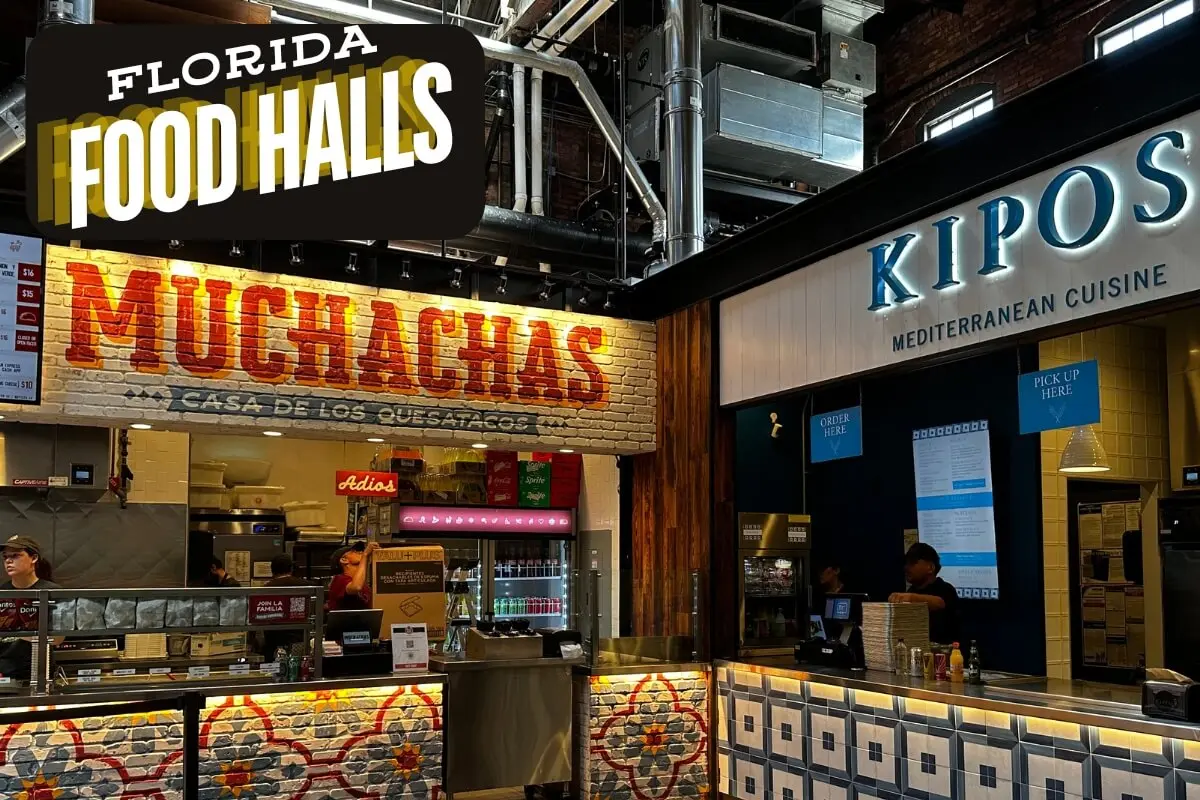
The contemporary American dining landscape has undergone a profound structural shift over the past decade, moving away from monolithic suburban food courts and sterile corporate chains toward curated, highly localized culinary destinations known as food halls. Nowhere is this transformation more vibrant or economically impactful than in the Sunshine State. Florida, long celebrated for its pristine coastlines and diverse cultural tapestry, has rapidly emerged as a national epicurean capital.
Food halls in Florida represent a unique intersection of urban revitalization, architectural preservation, and artisanal entrepreneurship. Unlike traditional food courts—which typically rely on mass-produced fast-food franchises—modern Florida food halls function as incubators for independent chefs, craft brewers, and local bakers. By gathering a diverse portfolio of culinary concepts under a single roof, these spaces foster a dynamic ecosystem where Jamaican patties share real estate with authentic Japanese ramen, and plant-based soul food sits comfortably alongside multi-award-winning pastry concepts.
This comprehensive guide investigates the state’s most celebrated food halls, examining their historical significance, economic footprints, and the distinct gastronomic identities that define them. From the historic industrial riverbanks of Tampa to the neon-lit avenues of Miami, these communal dining destinations offer an authoritative snapshot of Florida’s evolving palate.
Detailed Chronology and Destination Profiles
1. MIA Market – Miami (Design District)
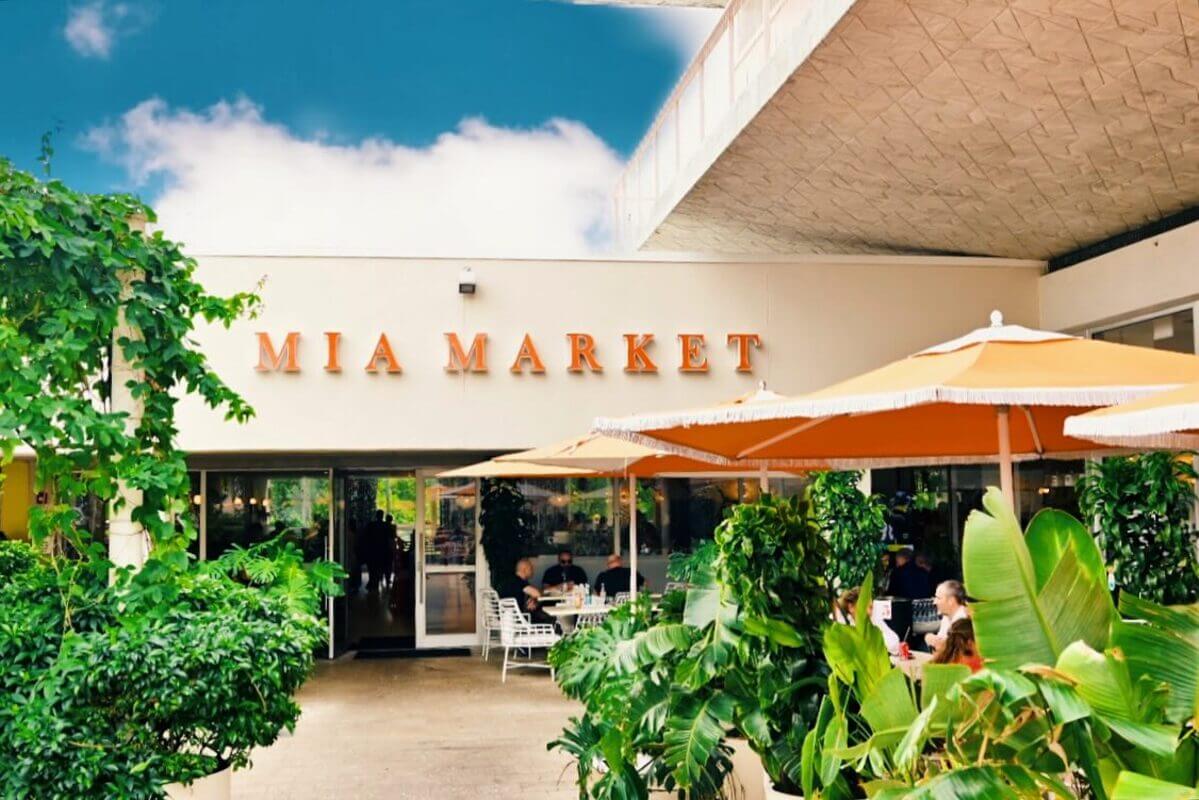
Situated just a few miles north of Downtown Miami within the globally renowned Design District, MIA Market represents the epitome of high-design dining. Originally established to bring chef-driven, incubator-style concepts to a high-end retail environment, MIA Market functions as a micro-cosm of South Florida’s international culinary influence.
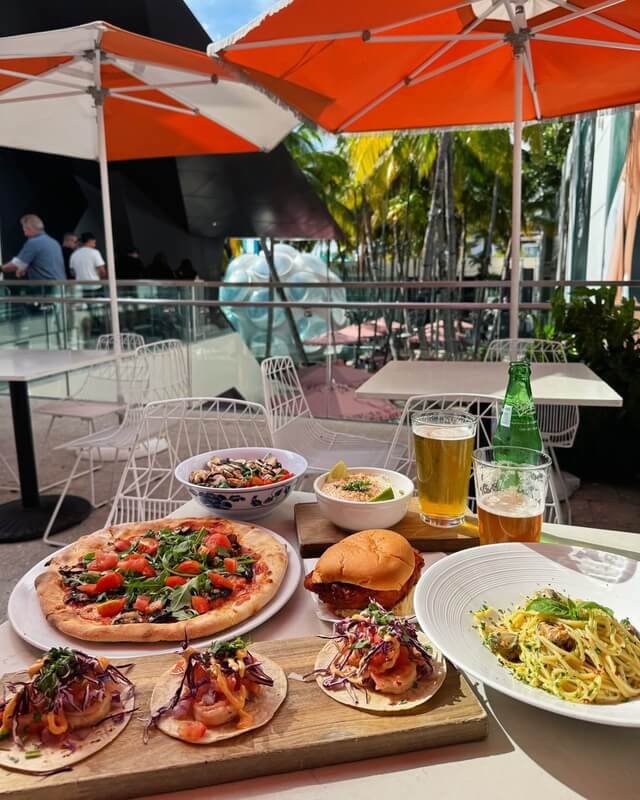
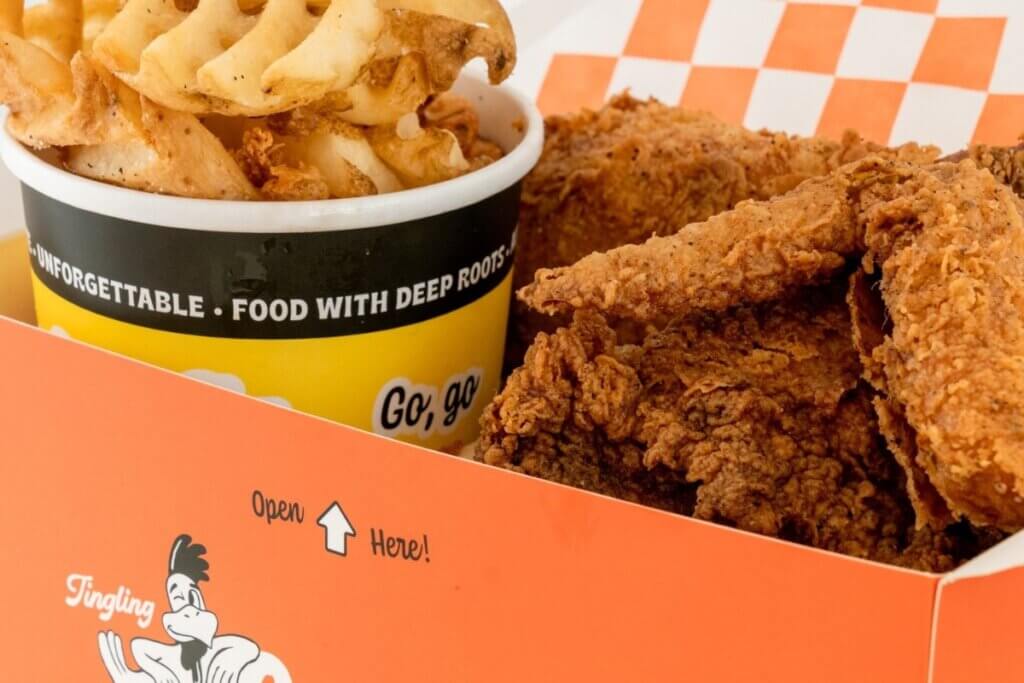
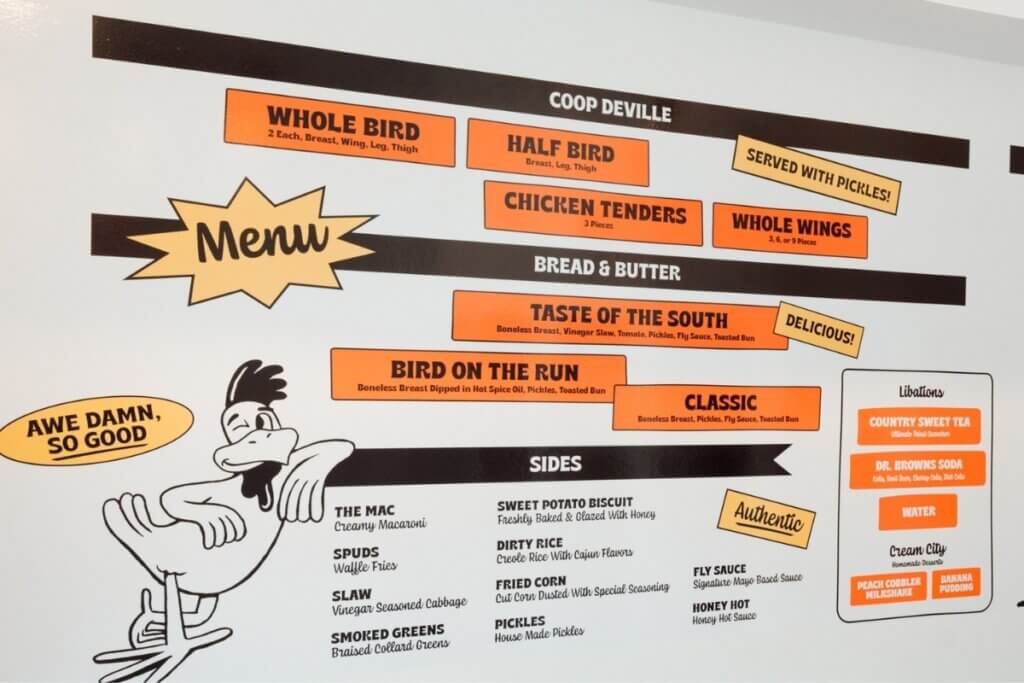
The venue features a curated collection of approximately ten chef-to-table concepts paired with an inventive central cocktail bar. The architectural ethos relies on sleek, minimalist lines and contemporary art installations that mirror the surrounding luxury boutiques. Among its standout vendors is Soulfly Chicken, a celebrated culinary concept that earned critical acclaim, including a prestigious "Best Chicken Wings" designation from the Miami Herald. Helmed by visionary chefs, Soulfly delivers a sophisticated take on Southern comfort food, pairing its legendary fried chicken with elevated sides such as truffle mac-and-cheese, artisan waffles, and rich banana pudding.
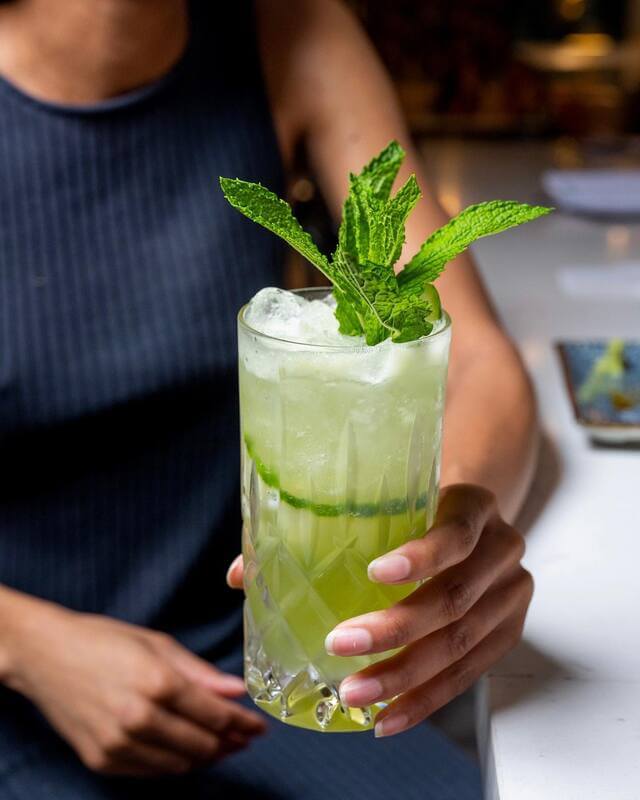
Beyond comfort food, visitors can traverse culinary borders by sampling authentic Italian scratch-pasta, Japanese street food, and contemporary Latin-fusion dishes. The centralized cocktail program utilizes tropical local ingredients, making MIA Market an essential stop for culinary tourists navigating Miami’s design and art epicenters.
Address: 140 NE 39th St., Miami, FL 33137
Standard Hours: Sunday–Thursday: 10:00 AM – 8:00 PM; Friday–Saturday: 10:00 AM – 9:00 PM (Individual vendor hours may vary)
2. Plant Street Market – Winter Garden (Central Florida)
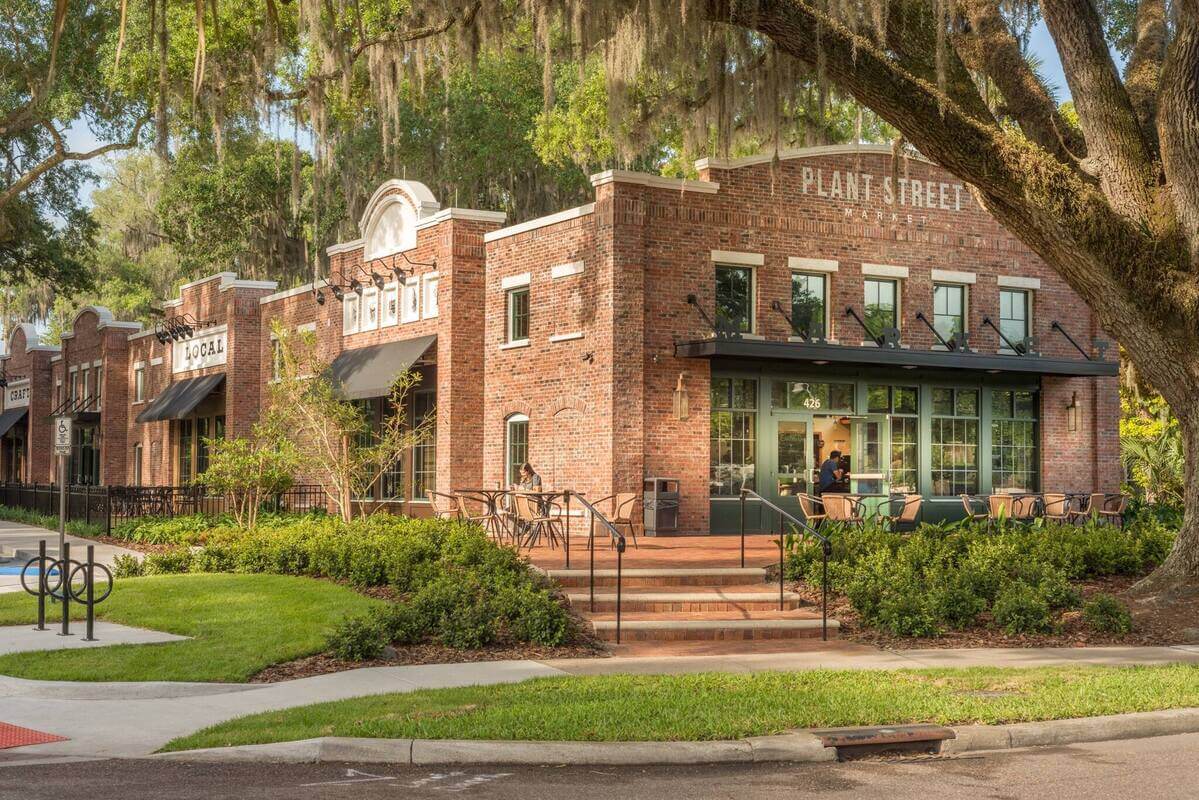
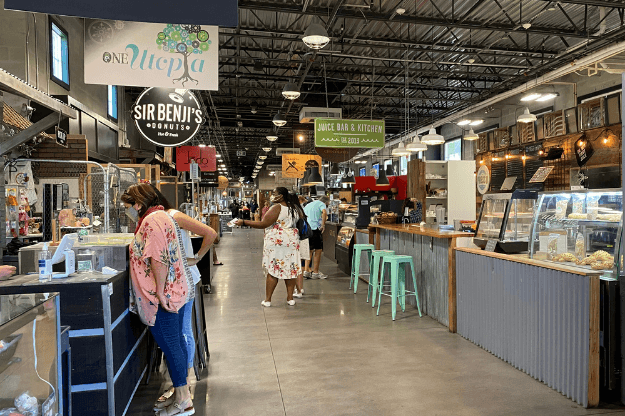
Moving inland to Central Florida, Plant Street Market in historic downtown Winter Garden offers a starkly different yet equally compelling atmosphere. Opened to revitalize the historic commercial corridor, this artisanal marketplace houses roughly 20 independent vendors within a rustic, community-centric environment.
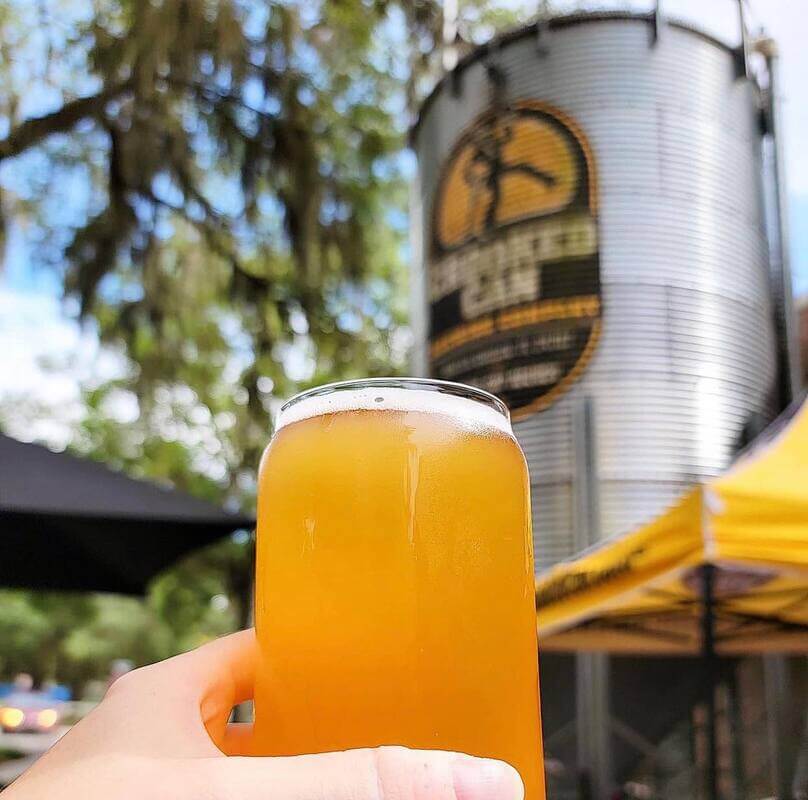
Plant Street Market is perhaps best recognized as the home of the Crooked Can Brewing Company, a pioneering microbrewery whose massive open-concept taproom anchors the northern end of the building. Patrons can observe the brewing process firsthand while enjoying seasonal ales and lagers.
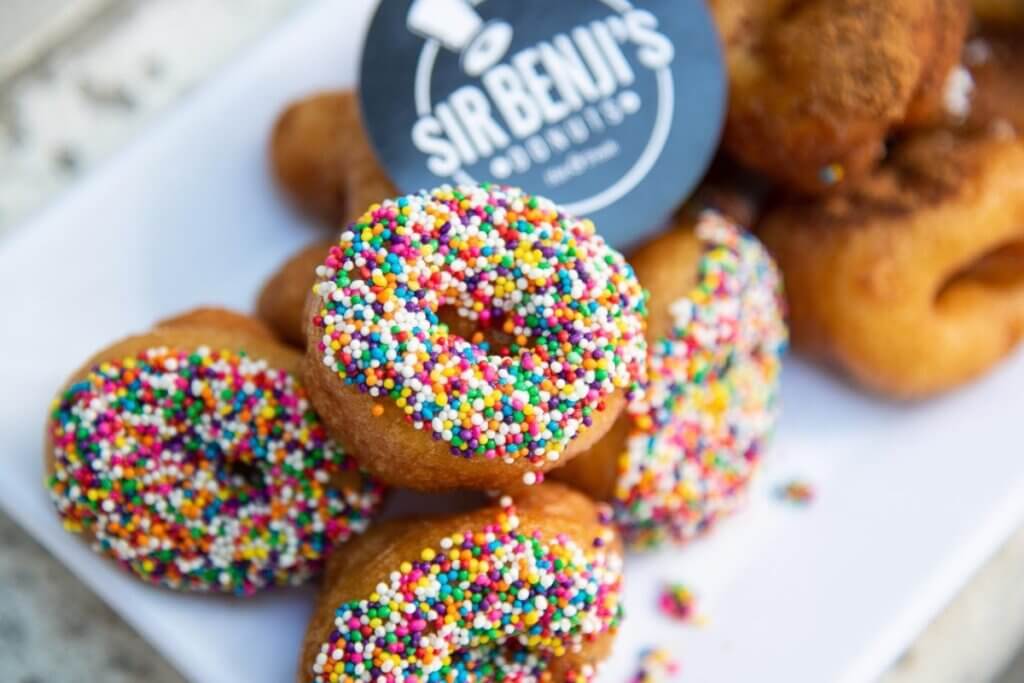
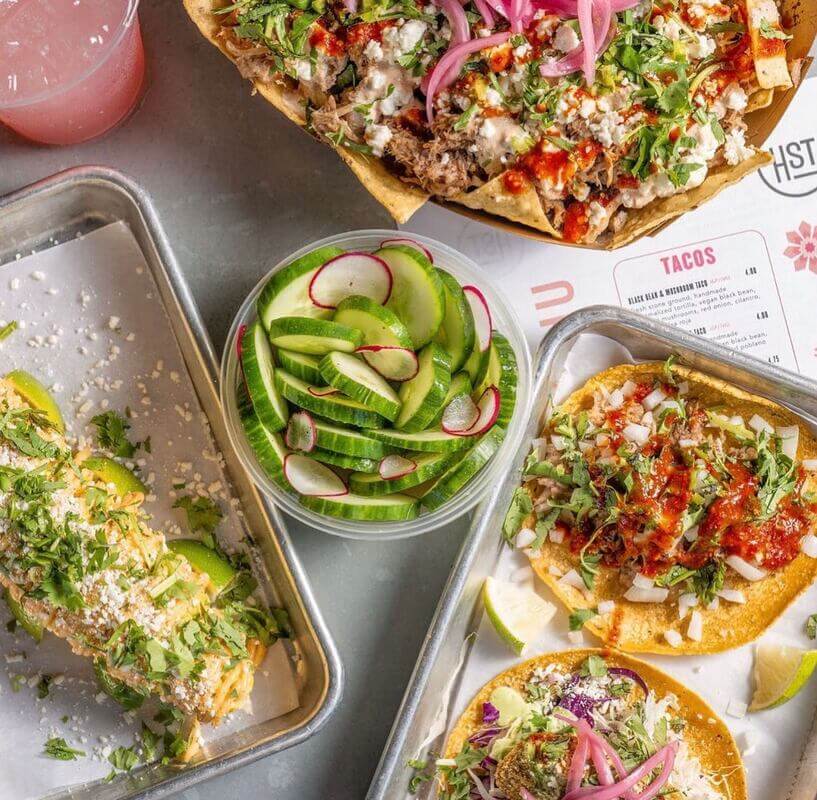
The culinary options span a wide geographic spectrum, featuring fresh local oysters, authentic Mexican tacos and empanadas, wood-fired artisan pizza, and slow-smoked barbecue. For dessert enthusiasts, destinations like Sir Benji’s Donuts and artisanal popsicle purveyors offer handcrafted sweets. The market spills out onto a sprawling, pet-friendly wooden patio that frequently plays host to live musical acts, cementing Plant Street Market’s role as the social beating heart of Winter Garden.
Address: 426 W Plant St., Winter Garden, FL 34787
Standard Hours: Sunday–Thursday: 11:00 AM – 11:00 PM; Friday–Saturday: 11:00 AM – 12:00 AM (Individual vendor hours may vary)
3. East End Market – Orlando (Audubon Park)
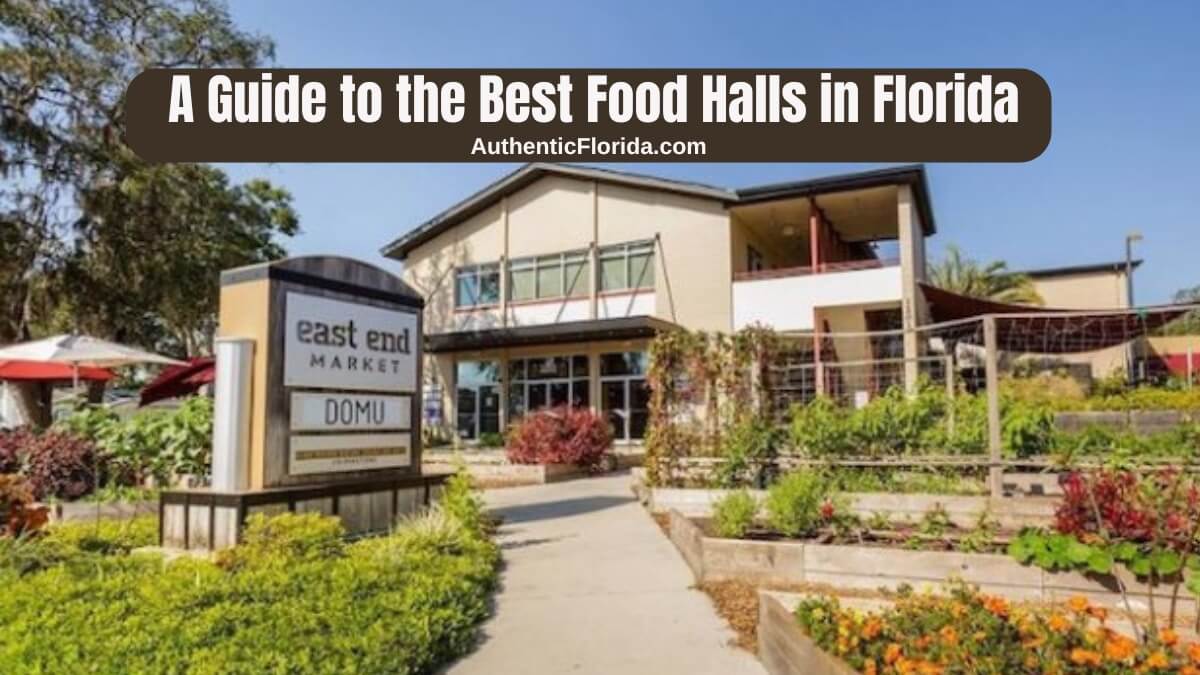
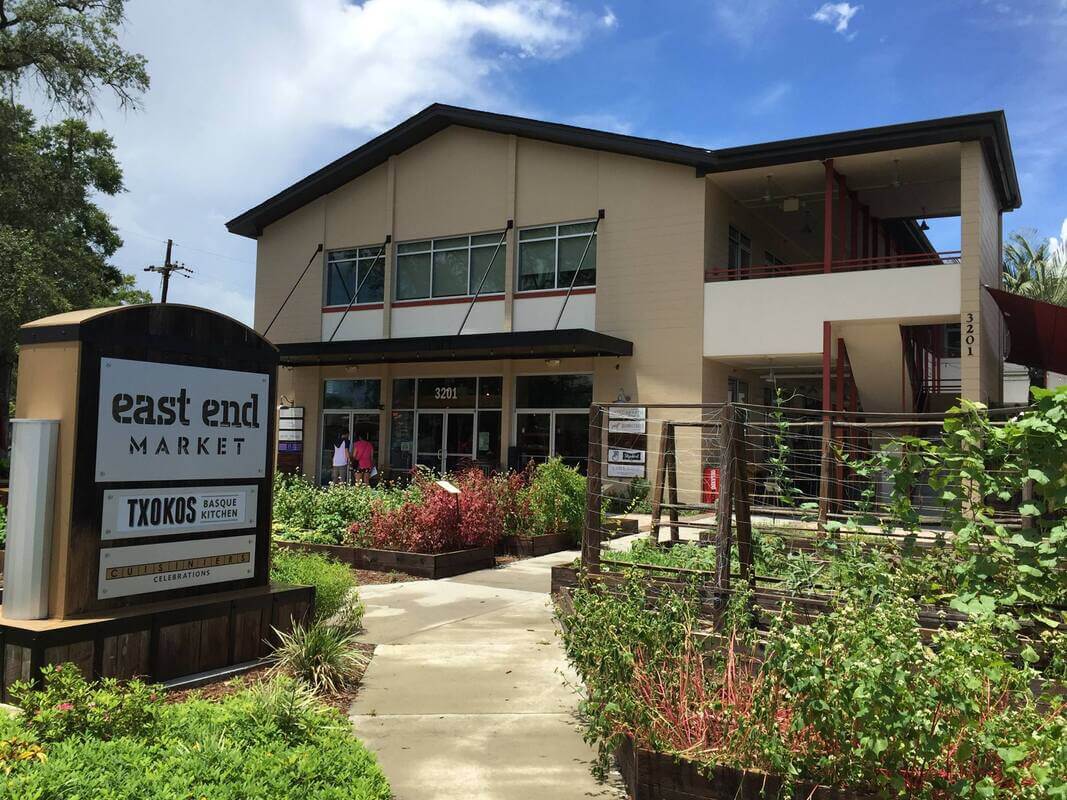
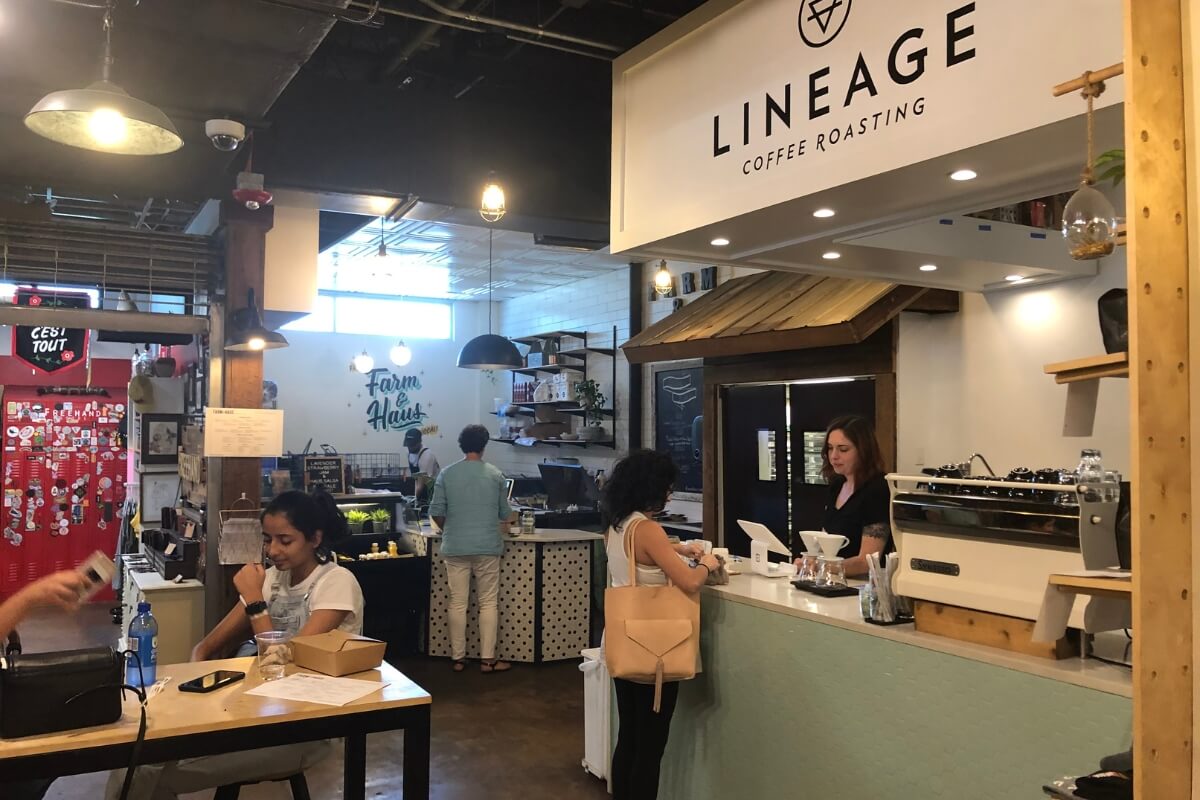
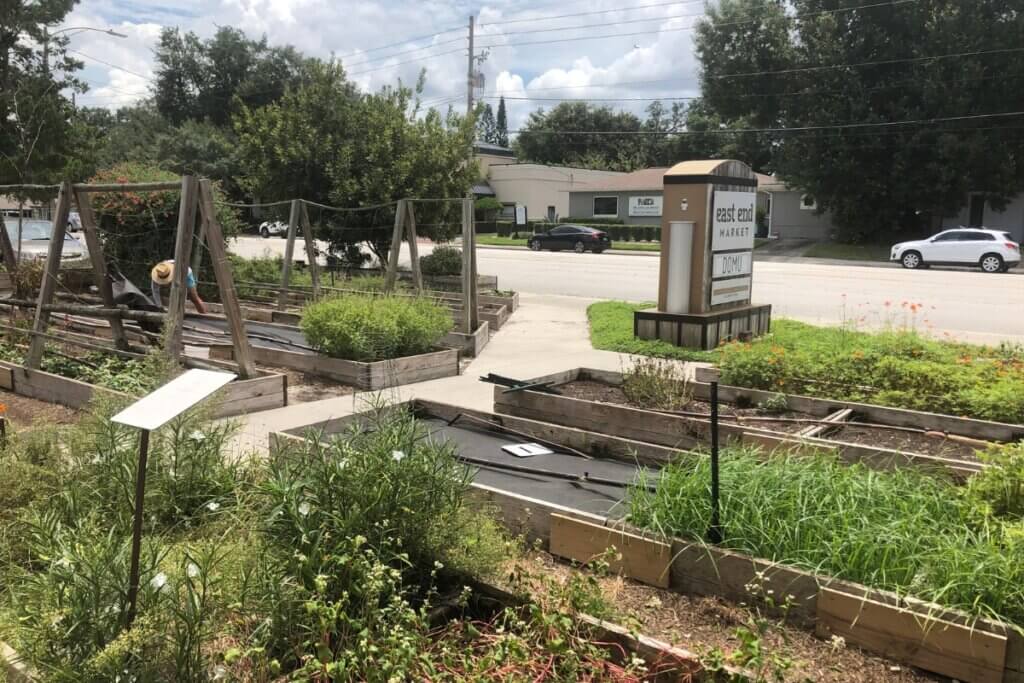
Nestled in Orlando’s eclectic Audubon Park Garden District, East End Market is a neighborhood-driven, two-story culinary incubator that champions sustainability, local agriculture, and artisanal craftsmanship. Housed in a repurposed commercial building, East End functions as a community hub complete with a commercial kitchen incubator, a hydroponic urban farm, and curated retail spaces.
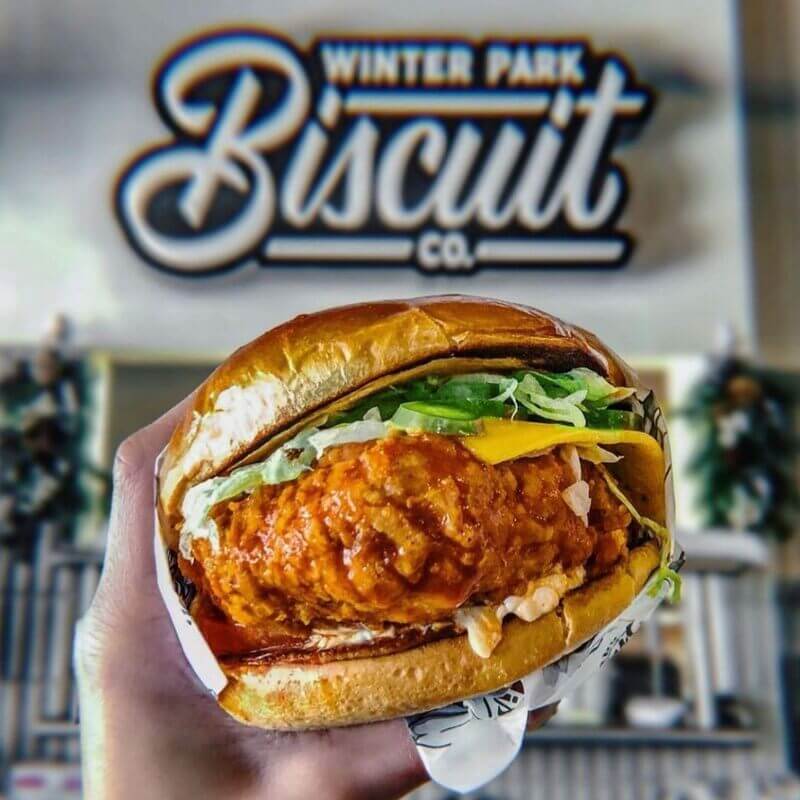
East End is particularly notable for its progressive dietary offerings. It houses the Winter Park Biscuit Company, one of Central Florida’s most celebrated plant-based eateries, renowned for vegan fried "chik" sandwiches, scratch-made biscuits, and wholesome plant-based comfort fare.
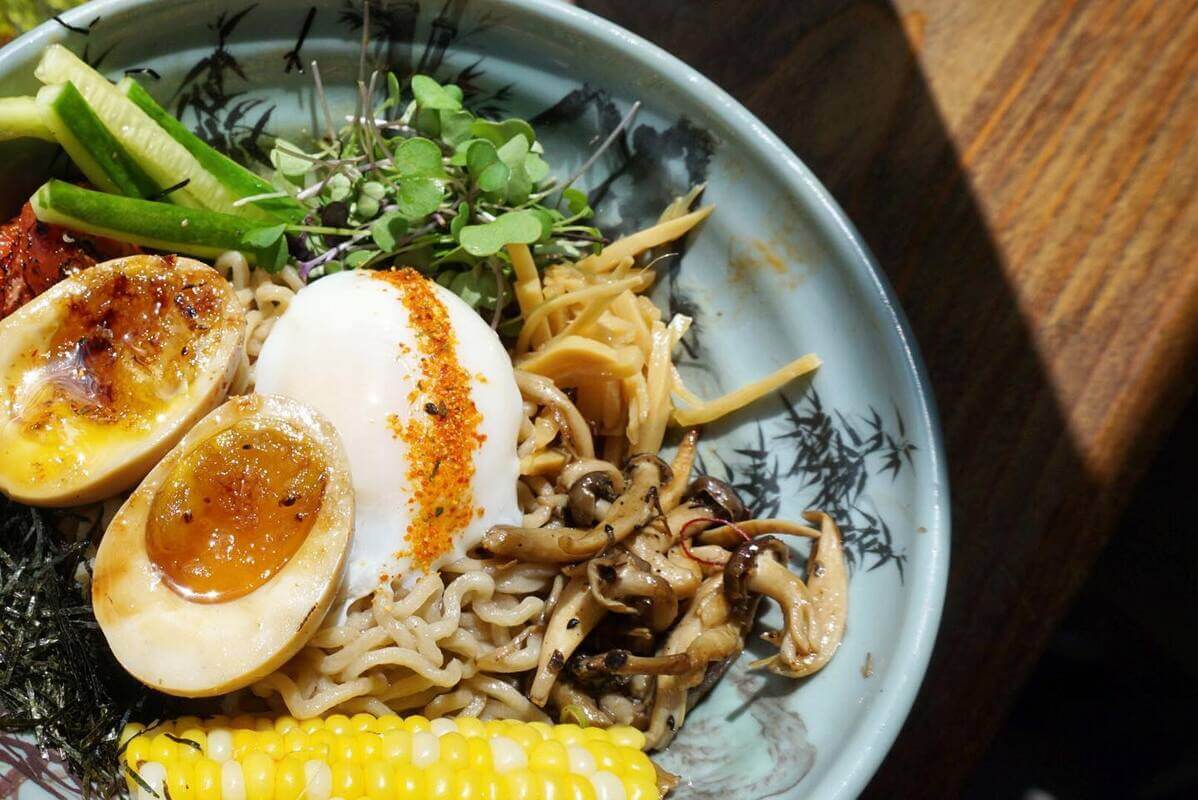
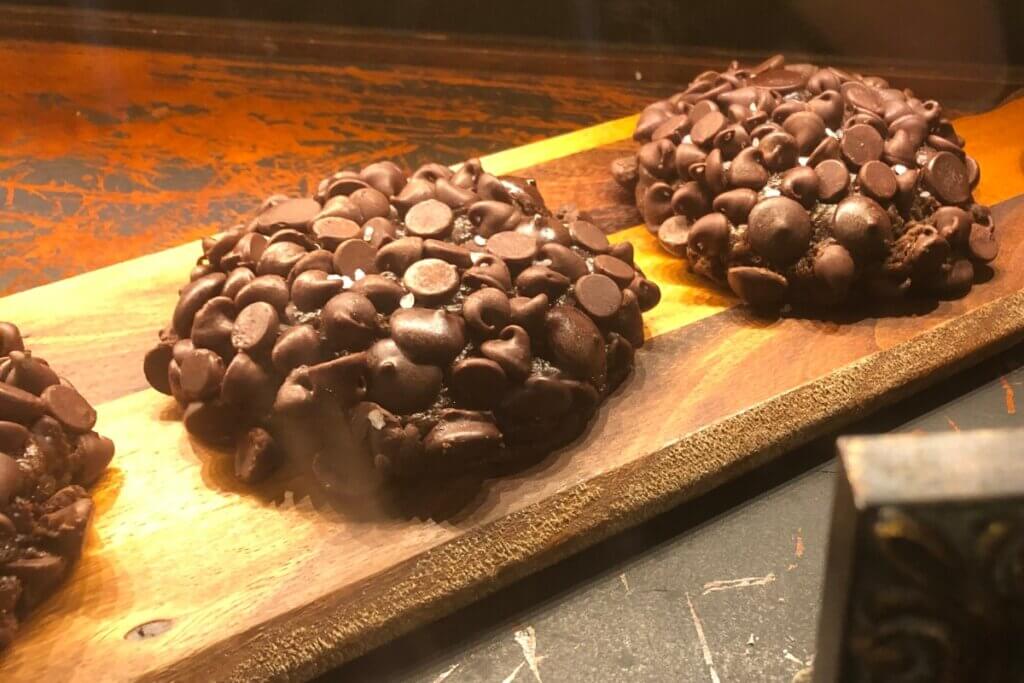
Simultaneously, the market hosts heavy hitters such as Domu, an internationally acclaimed ramen shop famous for its rich tonkotsu broths and inventive Asian-fusion small plates, and the legendary Gideon’s Bakehouse, where lines wrap around the building for their famously massive, half-pound chocolate chip cookies infused with dark magic and theatrical gothic branding.
Address: 3201 Corrine Dr., Orlando, FL 32803
Standard Hours: Monday–Thursday: 8:00 AM – 7:00 PM; Friday–Saturday: 8:00 AM – 9:00 PM; Sunday: 8:00 AM – 6:00 PM (Individual vendor hours may vary)
4. Armature Works – Tampa (Heights District)
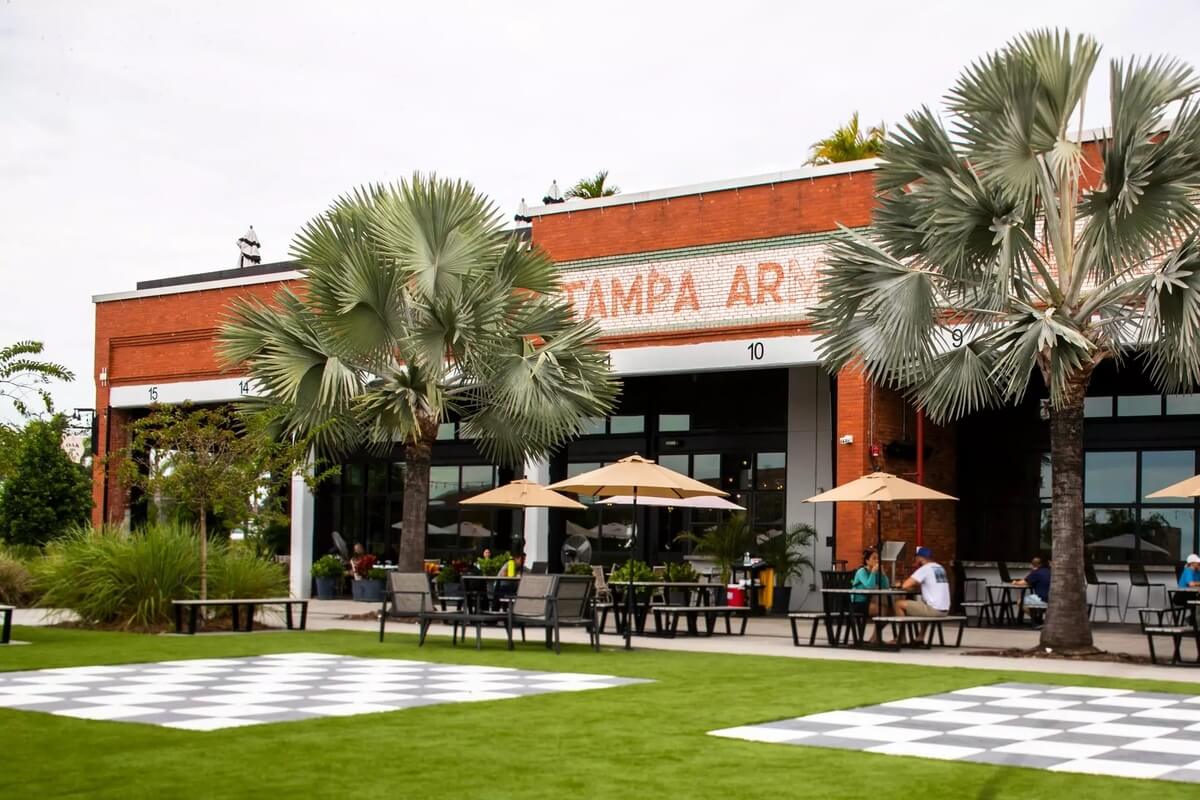
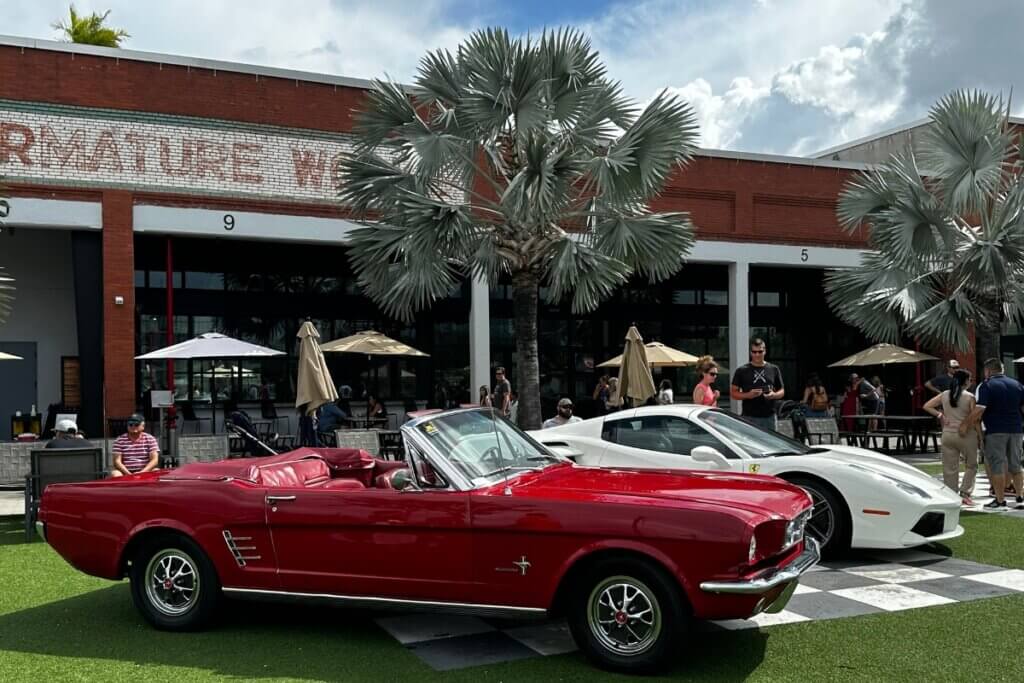
Standing majestically on the banks of the Hillsborough River, Armature Works is a masterclass in historic adaptive reuse. Originally constructed in 1910 as a storage and maintenance facility for the Tampa Electric Company (TECO), this sprawling brick structure has been meticulously transformed into a premier mixed-use destination.
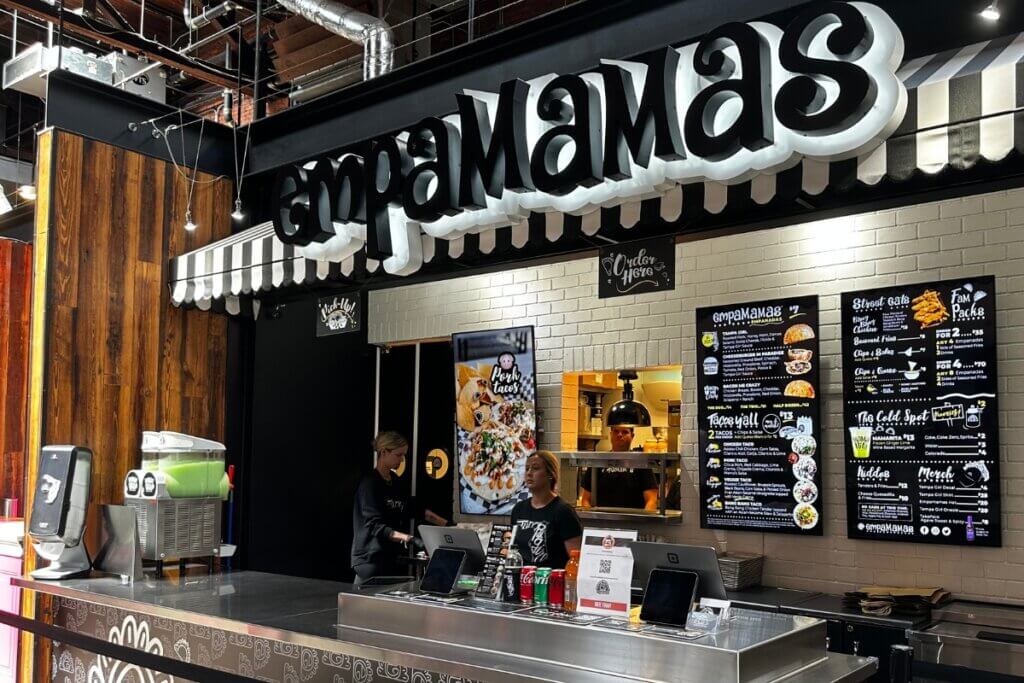
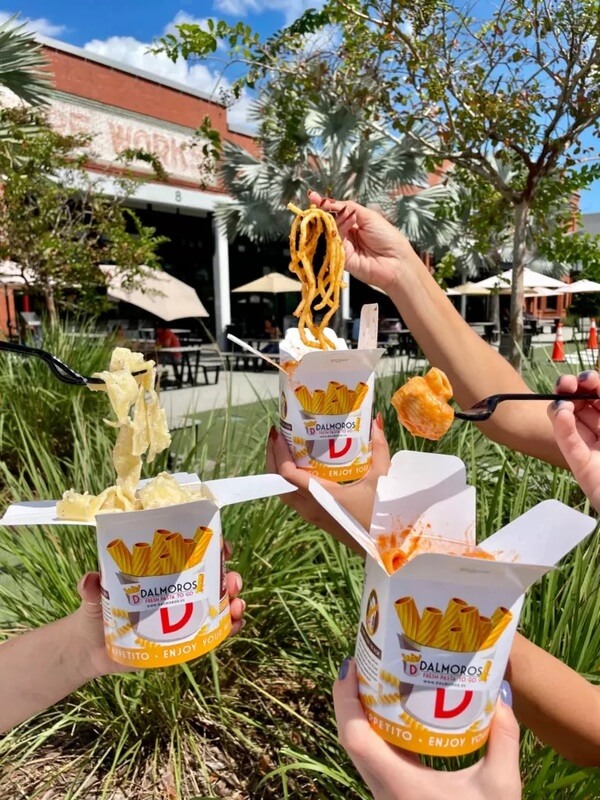
At the core of Armature Works is the Heights Public Market, an open-plan industrial food hall featuring an extensive array of quick-service stalls, full-service destination restaurants, and multiple social bars. Culinary concepts range from contemporary hand-rolled pasta and authentic Mediterranean meze to artisanal ice cream and gourmet empanadas from local favorites like Empamamas.
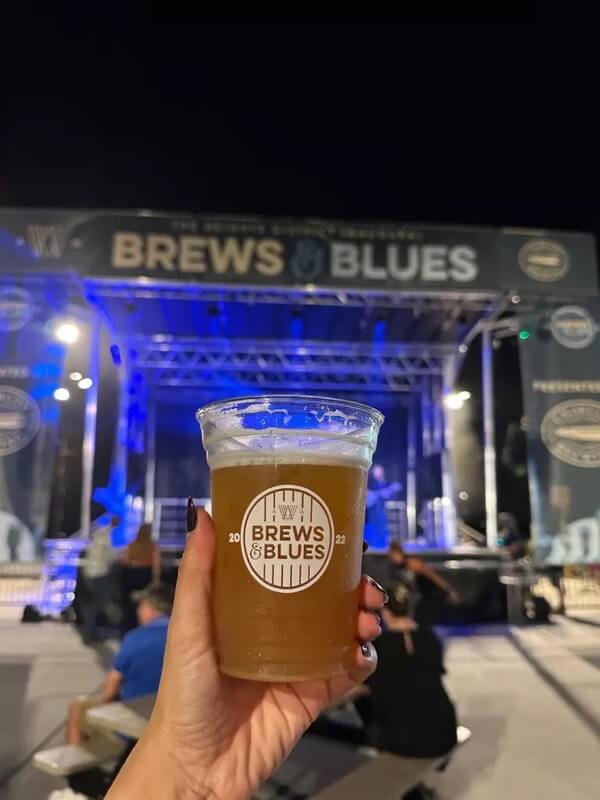
Beyond daily dining, Armature Works functions as a major cultural venue for the Tampa Bay region. The property regularly hosts high-profile community events, including the Heights District’s Annual Fall Fest and the Annual Brews & Blues Beer & Music Festival, drawing tens of thousands of visitors to the revitalized Tampa Heights waterfront.
Address: 1910 N Ola Ave, Tampa, FL 33602
Standard Hours: Monday–Thursday: 7:30 AM – 10:00 PM; Friday: 7:30 AM – 12:00 AM; Saturday: 8:00 AM – 12:00 AM; Sunday: 9:00 AM – 9:00 PM (Individual vendor hours may vary)
5. Sistrunk Marketplace – Fort Lauderdale
Representing South Florida’s Broward County, Sistrunk Marketplace is an ambitious, multi-disciplinary venue that transcends the traditional definition of a food hall. Spanning thousands of square feet in a historically significant Fort Lauderdale corridor, Sistrunk combines a diverse culinary market with an operational microbrewery, a craft distillery, and a sprawling visual arts showcase.
Patrons can explore an expansive roster of international food vendors serving everything from fresh seafood and hand-tossed Italian pizzas to delicate sweet and savory creations at Osom Crepes. Concurrently, beverage enthusiasts can sample innovative brews at Dream State Brewing or take guided tours and mixology workshops hosted by the marketplace’s in-house distillery. Sistrunk is designed not merely as a place to eat, but as an immersive cultural center that hosts cooking classes, live painting exhibitions, and private corporate events.
Address: 115 Northwest 6th St., Fort Lauderdale, FL 33311
Standard Hours: Wednesday–Thursday: 4:00 PM – 10:00 PM; Friday–Saturday: 11:30 AM – 11:00 PM; Sunday: 11:30 AM – 9:00 PM (Individual vendor hours may vary)
Supporting Context & Metrics: The Rise of the Food Hall Economy
To understand the proliferation of food halls across Florida, one must analyze the broader socioeconomic and commercial real estate trends driving the movement. According to commercial real estate data, food halls have consistently outperformed traditional shopping mall food courts in foot traffic retention and tenant longevity.
Several key factors explain this phenomenon:
Lower Barrier to Entry: For independent chefs and culinary entrepreneurs, opening a standalone brick-and-mortar restaurant requires significant capital investment in real estate, front-of-house staff, and marketing. Food halls provide turnkey stalls equipped with shared infrastructure, allowing culinary talents to test new concepts with minimized financial risk.
The "Experiential" Consumer Shift: Modern consumers—particularly Millennials and Generation Z—prioritize experiences over material accumulation. Food halls offer a communal, highly social dining environment where members of a dining party do not need to compromise on cuisine type; one person can enjoy vegan ramen while another orders wood-fired pizza and craft beer.
Urban Revitalization Catalysts: Projects like Armature Works in Tampa and Sistrunk Marketplace in Fort Lauderdale serve as anchors for broader urban renewal. By breathing new life into abandoned industrial warehouses and historical depots, these developments stimulate surrounding property values, encourage pedestrian traffic, and foster civic pride.
Official Statements and Industry Insights
Real estate developers, urban planners, and culinary pioneers alike have praised the food hall model for its resilience and community-building capacity.
Urban development analysts note that food halls function as "social anchors" in modern city planning. An executive spokesperson for a major Florida marketplace development group remarked during a recent regional planning symposium:
"A successful food hall is never just about the food. It is about architectural storytelling and community integration. When you take a structurally historic building—whether it’s a 1910 streetcar barn or a neglected urban warehouse—and populate it with local bakers, brewers, and artists, you create a living room for the city. People don’t just come here to eat lunch; they come to experience the cultural heartbeat of their community."
Culinary directors within these spaces frequently emphasize the collaborative nature of the ecosystem. Unlike cutthroat restaurant districts, food hall vendors share a symbiotic relationship. Cross-pollination of customer bases allows a craft brewery to drive traffic to an adjacent empanada stall, creating an economic rising tide that lifts all participating small businesses.
Future Outlook
As Florida’s population continues to swell through sustained domestic migration and international investment, the demand for dynamic, high-quality dining options will only intensify. Industry projections indicate that future iterations of Florida food halls will likely incorporate advanced technological integration—such as unified mobile ordering apps across multiple vendors—alongside an increased emphasis on hyper-local sourcing, sustainable zero-waste kitchens, and integrated co-working spaces.
Furthermore, secondary and tertiary markets across the state—ranging from Sanford and St. Petersburg to West Palm Beach—are actively planning and breaking ground on new multi-vendor marketplaces. These projects ensure that the food hall phenomenon is not merely an urban transient trend, but a permanent structural evolution in how Floridians gather, dine, and celebrate their state’s rich culinary diversity.
Whether you are seeking a giant, decadent cookie in Orlando, a craft beer by the Hillsborough River, or gourmet soul food in the heart of Miami, Florida’s food halls stand ready to deliver an unforgettable taste of the Sunshine State.





0 Comments