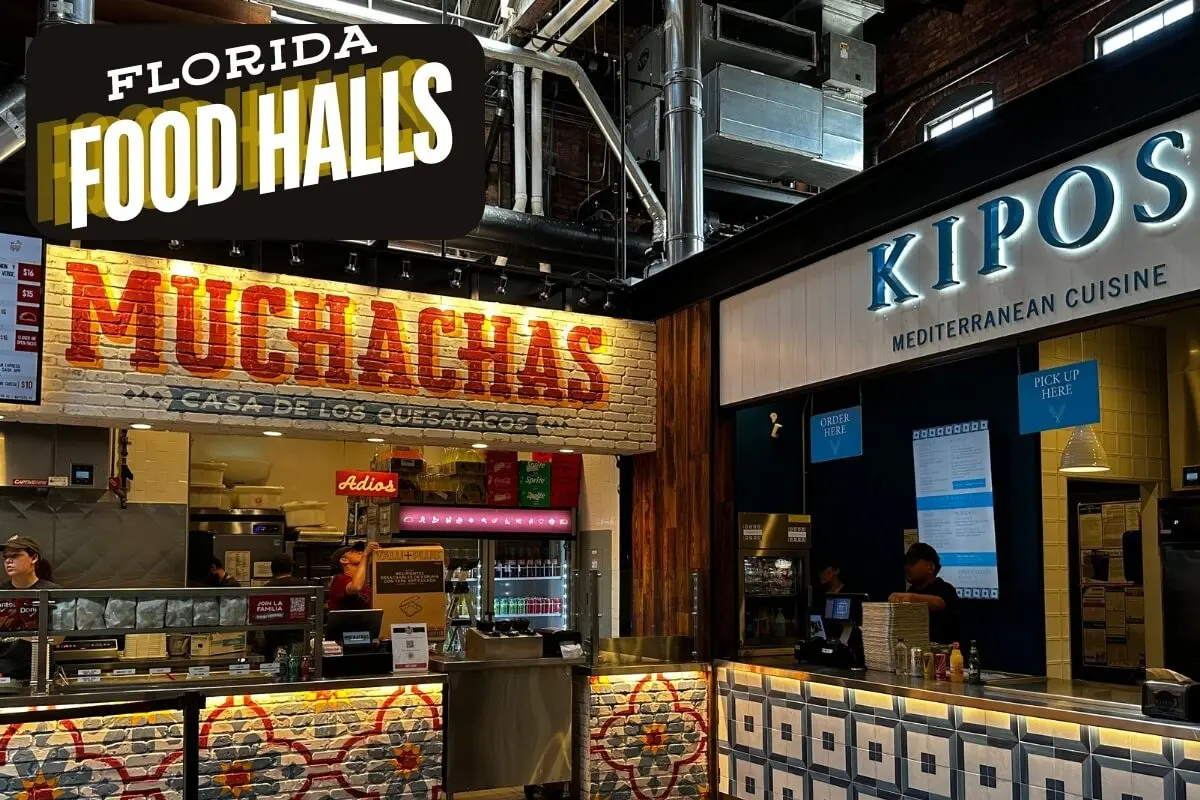
In recent years, the culinary landscape of the Sunshine State has undergone a profound transformation. While traditional food courts—staples of mid-century suburban malls characterized by standardized fast-food chains and neon-lit franchise boards—continue to fade into obsolescence, a dynamic counter-movement has taken their place. Food halls have emerged as the vanguard of modern urban dining in Florida, offering a curated, localized, and artisanal alternative to mass-market consumption.
Unlike their predecessors, contemporary Florida food halls function as cultural incubators, architectural showcases, and community gathering spaces. They serve as launchpads for independent restaurateurs, James Beard-nominated chefs, and micro-brewmasters who leverage these shared spaces to push the boundaries of gastronomy. From the historic industrial brickwork lining the Hillsborough River in Tampa to the vibrant, art-infused streetscapes of Miami and Fort Lauderdale, these multi-vendor marketplaces reflect the diverse demographic tapestry, agricultural wealth, and coastal geography of Florida.
This comprehensive investigative guide explores the state’s premier food halls, detailing their origins, standout vendors, architectural significance, and the broader socioeconomic impact they are having on Florida’s urban cores.
Detailed Chronology: The Evolution of Florida’s Communal Dining Spaces
The meteoric rise of the modern food hall in Florida did not happen overnight; it is the result of a gradual evolution in urban real estate development, changing consumer demographics, and shifting dining preferences.
The Genesis of Artisanal Markets (2010–2015)
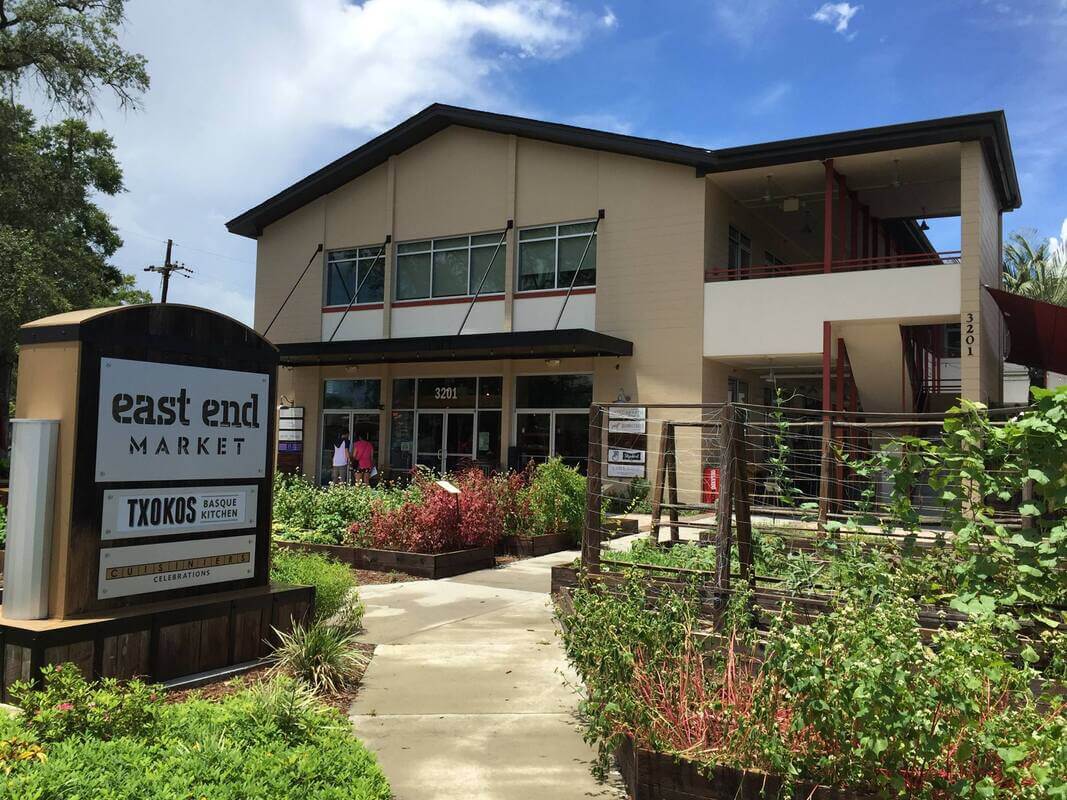
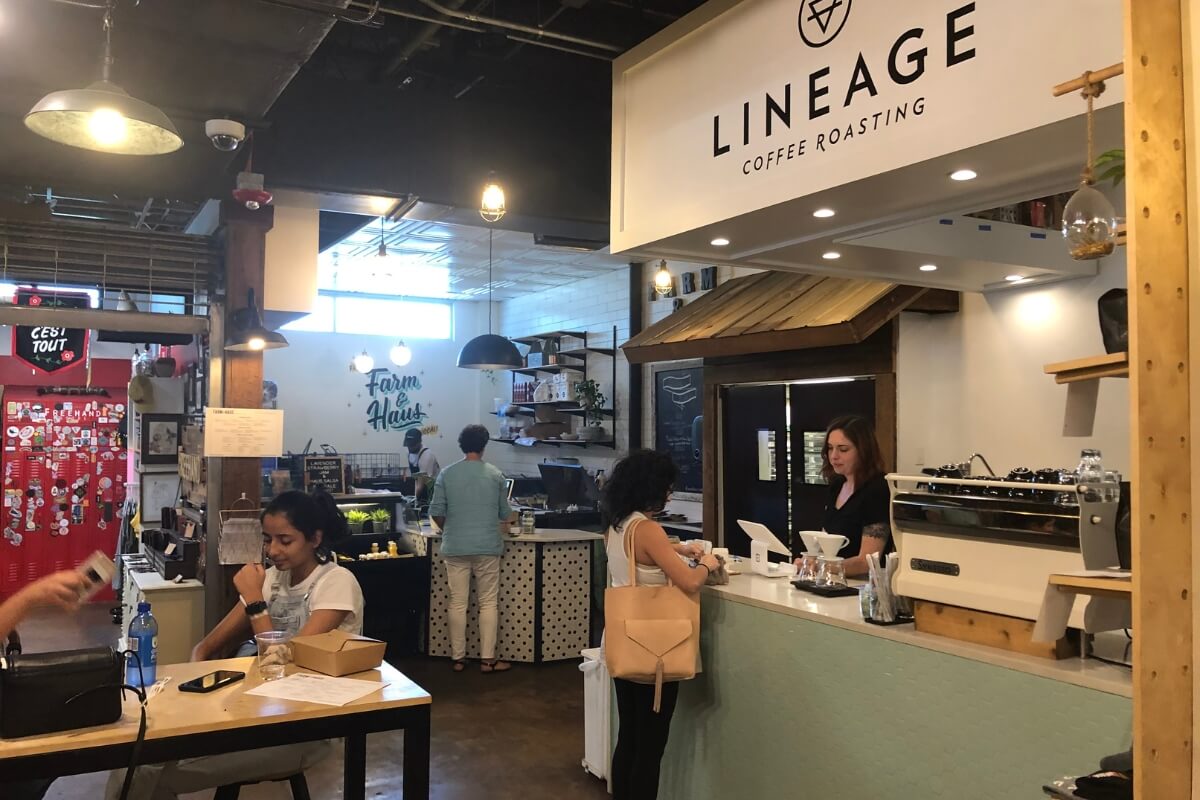
The blueprint for Florida’s modern food hall movement was laid out in the early 2010s with the opening of pioneering community markets. Urban planners and developers began recognizing the potential of adaptive reuse—taking abandoned warehouses, train stations, and citrus packing facilities and converting them into vibrant, multi-purpose hubs. During this period, consumers shifted away from anonymous corporate dining toward authentic, hyper-local food sourcing. Establishments like Orlando’s East End Market, which opened its doors in 2013, demonstrated that communities hungered for spaces housing local bakers, coffee roasters, and florists under one roof.
The Institutional Expansion (2016–2020)
Buoyed by the success of early hybrid markets, real estate developers across Miami, Tampa, and Orlando began conceptualizing much larger, heavily curated culinary destinations. The opening of Tampa’s Armature Works in 2018 marked a watershed moment for the Gulf Coast, proving that historic industrial restoration could serve as a high-volume, multi-concept dining powerhouse. Concurrently, South Florida saw the arrival of concepts like MIA Market in the Miami Design District and 1-800-Lucky in Wynwood, which injected high-design aesthetics and late-night social energy into the food hall model.
The Post-Pandemic Resilience and Diversification (2021–Present)
The global health crisis of 2020 posed unprecedented challenges to the hospitality sector, yet food halls proved remarkably resilient. Their decentralized operating models, expansive outdoor seating configurations, and takeout-friendly layouts allowed them to weather economic instability better than traditional sit-down restaurants. In recent years, the movement has expanded beyond the major metropolitan centers into historic secondary markets and upscale suburbs—evidenced by the launches of Plant Street Market in Winter Garden, Henry’s Depot in Sanford, and Baoshi Food Hall + Bar in Pembroke Pines. Today, Florida’s food halls are no longer just places to grab a quick bite; they are fully integrated entertainment districts featuring craft breweries, boutique cocktail bars, art galleries, and live performance venues.
Spotlight on Florida’s Premier Food Halls
1. Armature Works — Tampa
Nestled directly on the banks of the Hillsborough River in the historic Tampa Heights neighborhood, Armature Works represents the gold standard of adaptive reuse architecture in Florida. Originally constructed in 1910 as a storage and maintenance facility for the Tampa Electric Company (TECO) streetcars, the sprawling brick building has been meticulously restored into a multi-faceted community gathering space.
At the heart of the complex is the Heights Public Market, a cavernous, industrial-chic hall packed with quick-service culinary stalls, full-service restaurants, and curated bars.
Standout Vendors: Visitors can sample gourmet empanadas from The Empamamas, indulge in scratch-made artisan pasta, or secure a table at upscale concepts overlooking the riverfront.
Beyond Dining: Armature Works serves as a major cultural anchor for Tampa, hosting massive community events such as the annual Heights District Fall Fest and the Brews & Blues Beer & Music Festival. With its expansive pet-friendly lawn and proximity to the Tampa Riverwalk, it bridges the gap between historic preservation and contemporary urban lifestyle design.
Address: 1910 N Ola Ave, Tampa, FL 33602
2. MIA Market — Miami
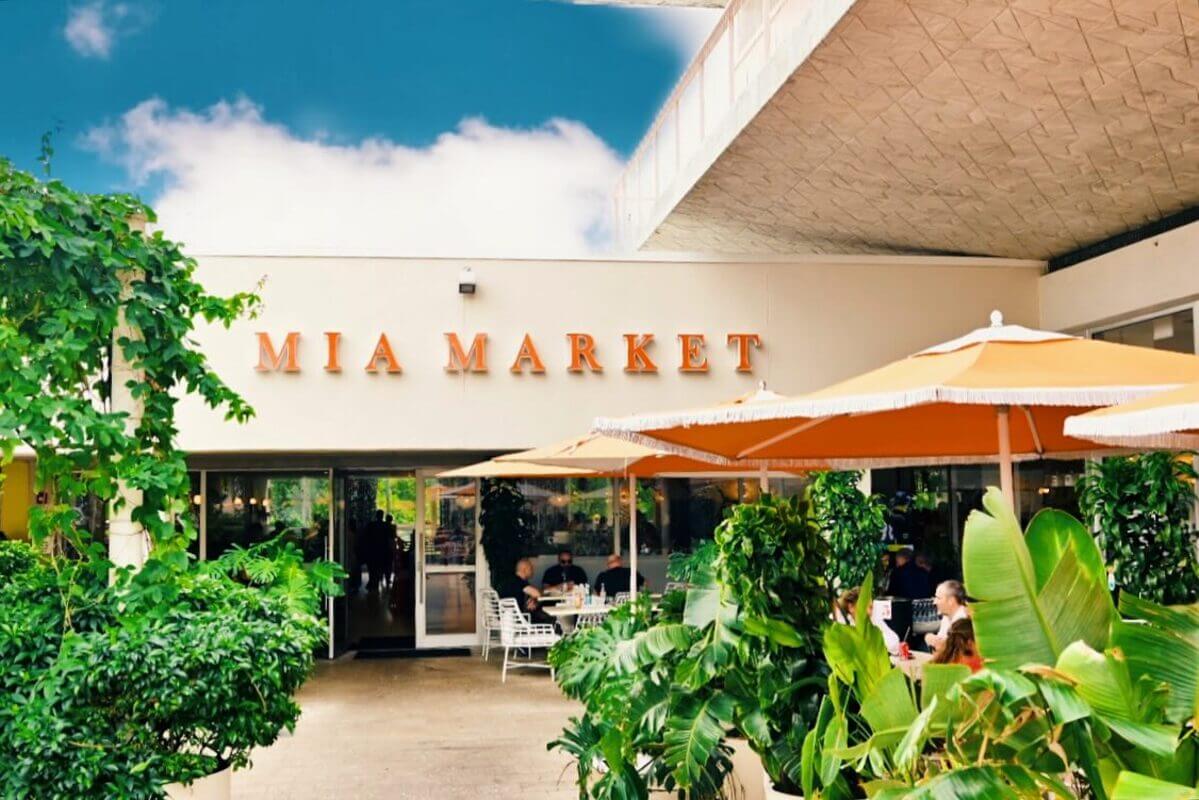
Located just north of Downtown Miami within the globally renowned Miami Design District, MIA Market redefines the food hall experience through an upscale, chef-to-table lens. Housing 10 distinct, highly curated culinary concepts alongside an inventive cocktail bar, MIA Market caters to a discerning, design-conscious clientele.
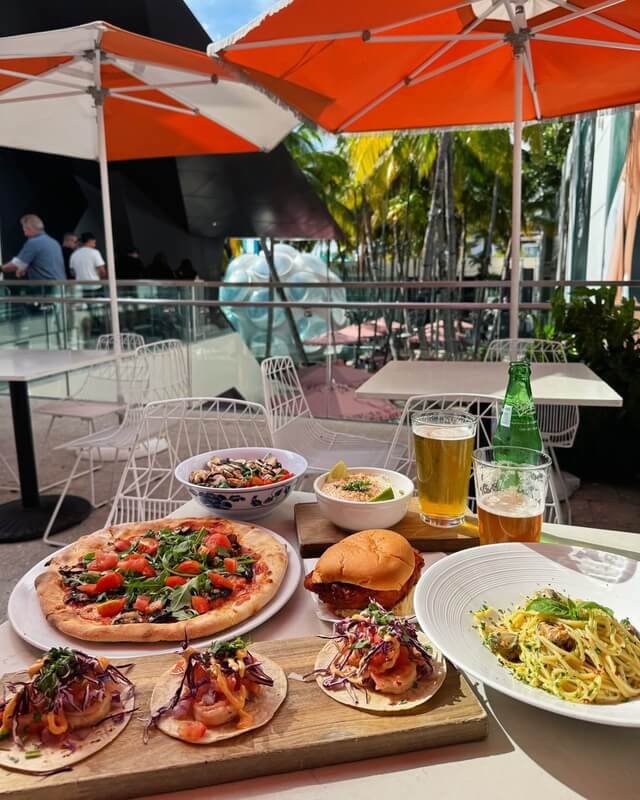
Standout Vendors: Among its celebrated roster is Soulfly Chicken, a culinary creation that has garnered critical acclaim—including a "Best Chicken Wings" designation from the Miami Herald. Beyond legendary fried chicken, waffles, and decadent banana pudding, the market features authentic Italian pasta bars and innovative Japanese street food vendors.
Architecture & Vibe: The interior is sleek, minimalist, and adorned with contemporary art installations, making it an ideal destination for sophisticated diners looking to experience Miami’s evolving gastronomic identity without committing to a formal, multi-course restaurant reservation.
Address: 140 NE 39th St., Miami, FL 33137
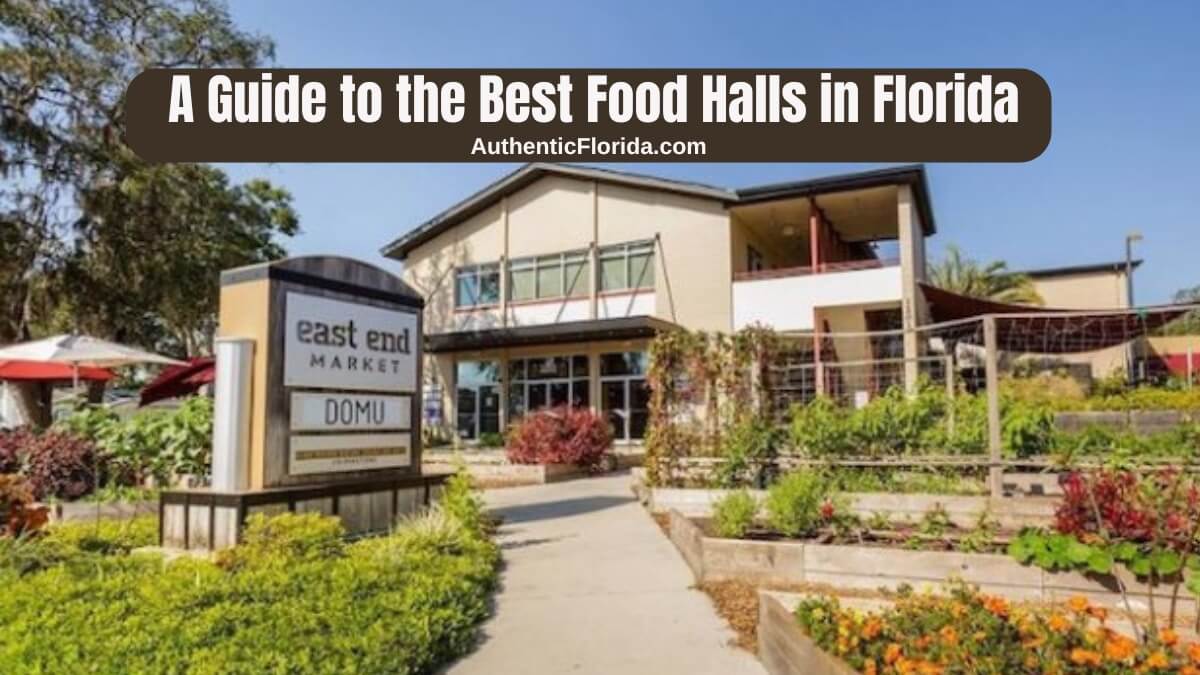
3. East End Market — Orlando
Situated in the artistic and historic Audubon Park Garden District of Orlando, East End Market is a neighborhood incubator that emphasizes sustainability, local agriculture, and artisan craftsmanship. Housed in a charming two-story building, it functions as a vibrant community hub rather than a high-volume tourist trap.
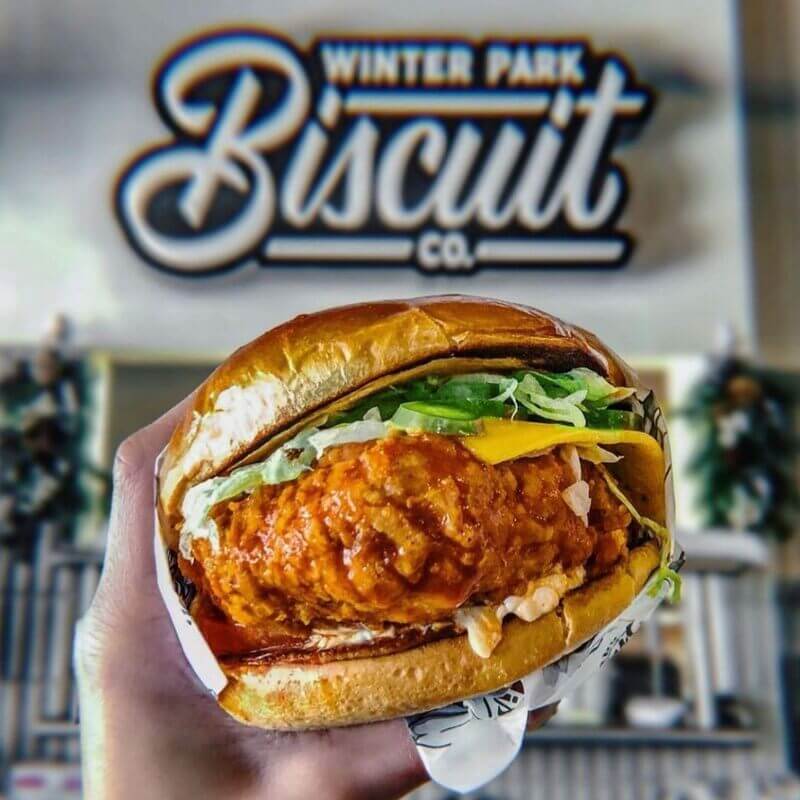
Standout Vendors: East End is famous for housing some of Central Florida’s most sought-after culinary brands. These include Winter Park Biscuit Company, a pioneering plant-based kitchen serving vegan comfort classics, alongside Domu, an award-winning ramen shop renowned for its inventive broths and noodles. No visit is complete without securing a legendary, giant-sized chocolate chip cookie from Gideon’s Bakehouse.
Community Focus: The market features an active urban farm garden area on its exterior grounds, regular cooking classes, and local retail boutiques selling everything from artisanal cheeses to hand-crafted jewelry.
Address: 3201 Corrine Dr., Orlando, FL 32803
4. Plant Street Market — Winter Garden
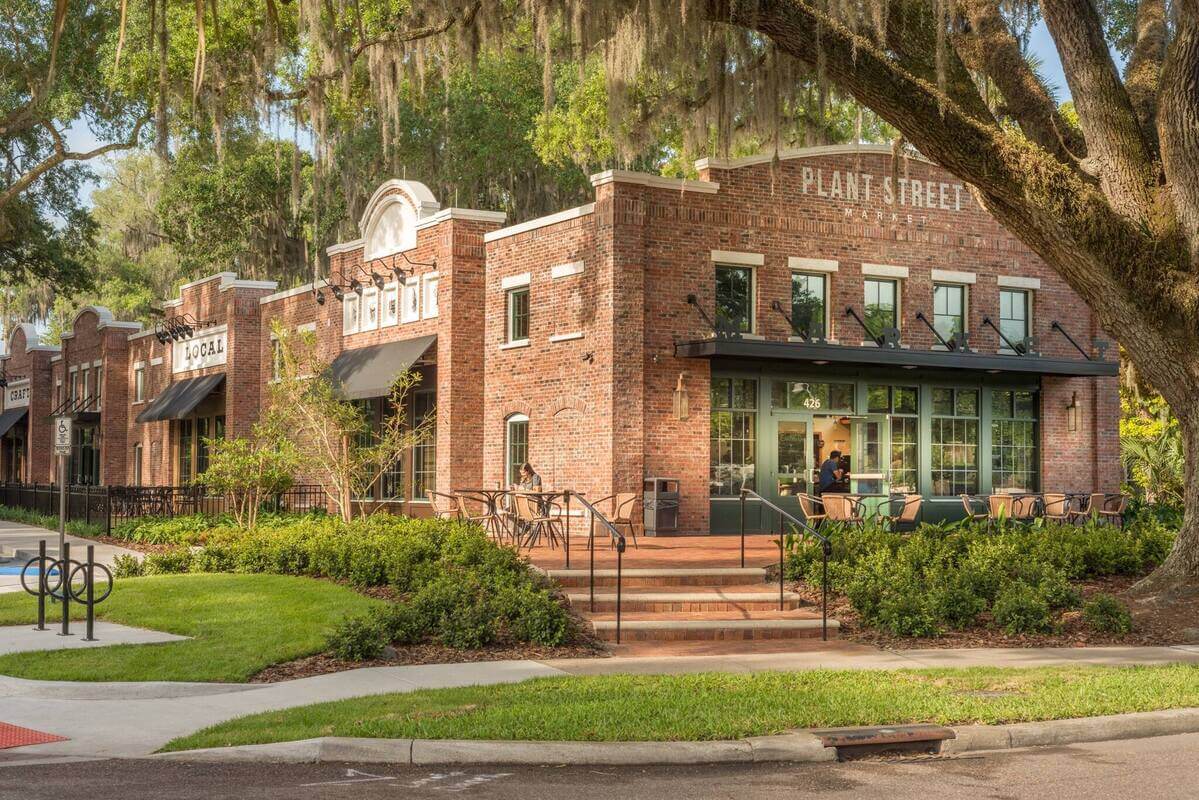
Located in the heart of historic downtown Winter Garden along the famous West Orange Trail, Plant Street Market offers a rustic, community-centric market experience that draws visitors from across Central Florida.
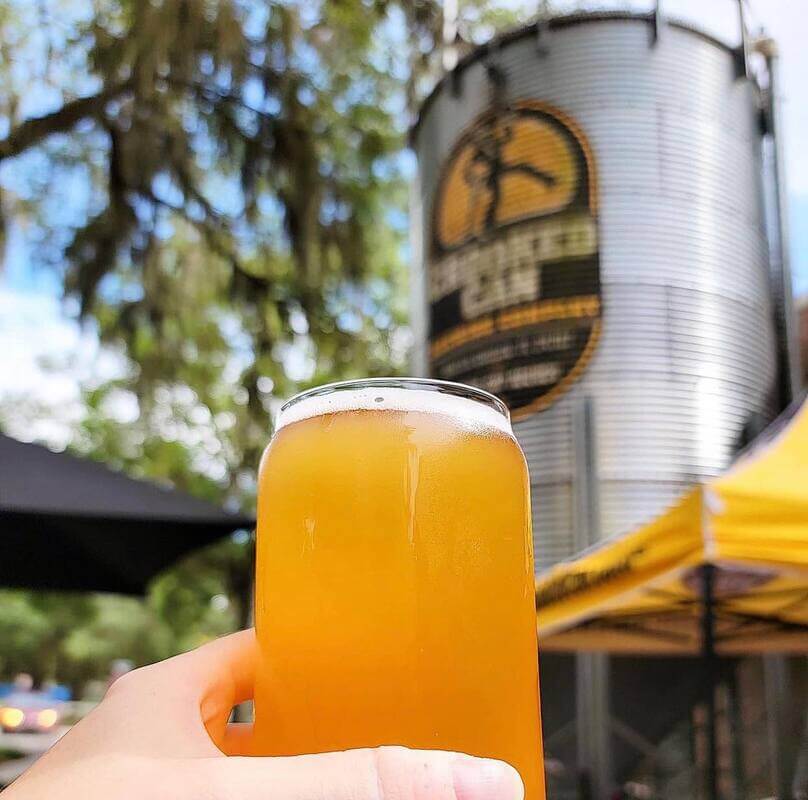
The Anchor Tenant: The undisputed heart of the market is the Crooked Can Brewing Company, a massive microbrewery boasting an open-concept taproom where patrons can watch master brewers craft their signature ales and lagers.
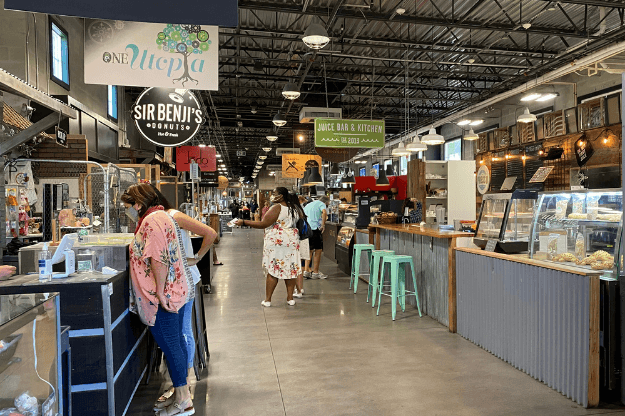
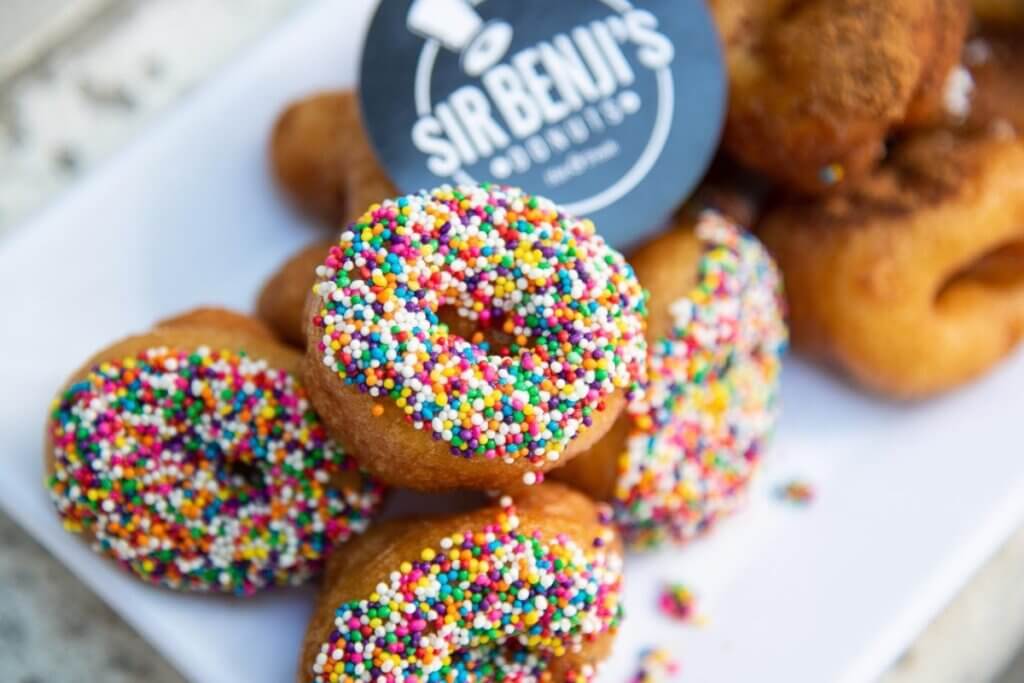
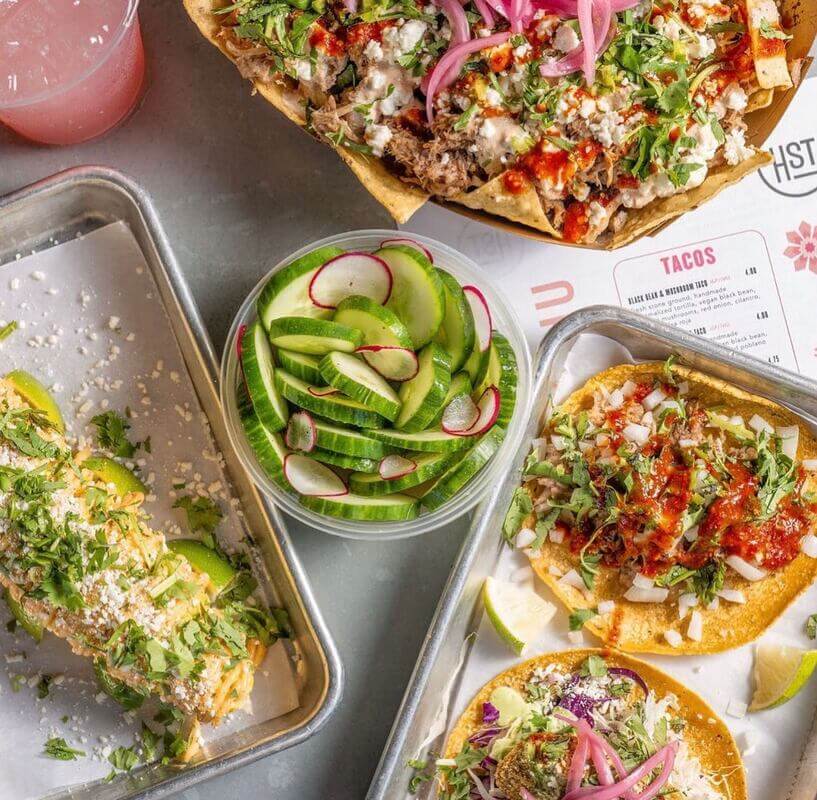
Culinary Variety: The market hosts roughly 20 independent vendors serving everything from fresh oysters and artisan tacos to authentic empanadas and wood-fired pizza. For dessert lovers, Sir Benji’s Donuts and Paleteria Handcrafted Popsicles provide sweet relief under the Florida sun.
Atmosphere: With an expansive, pet-friendly outdoor patio that frequently hosts live musical performances, Plant Street Market serves as the vibrant social living room for the City of Winter Garden.
Address: 426 W Plant St., Winter Garden, FL 34787
5. Sistrunk Marketplace — Fort Lauderdale
Pushing the boundaries of the traditional food hall, Sistrunk Marketplace in Fort Lauderdale is an expansive, multi-disciplinary innovation hub that combines a food hall with an operational microbrewery, an artisanal distillery, art installations, and flexible event spaces.
Culinary Offerings: Vendors serve a diverse array of global flavors, ranging from coastal seafood and authentic Italian dishes to artisan sweet and savory crepes from popular spots like Osom Crepes.
Beverage Innovation: Craft beer aficionados frequent Dream State Brewing, while spirits enthusiasts can take guided tours of the on-site distillery and participate in professional mixology or cooking classes. Sistrunk Marketplace stands as a testament to cultural revitalization, serving as a beacon of economic and creative growth in the historic Sistrunk neighborhood.
Address: 115 Northwest 6th St., Fort Lauderdale, FL 33311
Supporting Context & Metrics: The Economics of the Food Hall Boom
The rapid proliferation of food halls across Florida is driven by robust economic fundamentals and shifting consumer behavior patterns:
Lower Barriers to Entry for Culinary Talent: Traditional brick-and-mortar restaurant startups require immense capital investments for build-outs, HVAC systems, and independent seating areas. Food halls drastically lower these startup costs by providing shared infrastructure, communal dining spaces, and built-in foot traffic. This economic model has empowered minority chefs, women-owned culinary startups, and immigrant entrepreneurs to test innovative food concepts with significantly reduced financial risk.
Real Estate and Urban Revitalization: Developers have recognized that adaptive reuse of historic industrial structures—such as old railway stations, power plants, and warehouses—acts as a catalyst for urban renewal. By anchoring mixed-use developments with a high-design food hall, cities can successfully attract residential real estate investment, boost local property values, and create walkable urban centers.
Demographic Shifts: Florida’s population growth, fueled by an influx of domestic and international migration, has created a multicultural consumer base with sophisticated palates. Food halls inherently satisfy groups with diverse dietary preferences—allowing one diner to enjoy plant-based comfort food, another to savor authentic Japanese ramen, and a third to sample artisanal craft beer, all while sitting at the same communal table.
Official Statements and Industry Insights
Urban planners, real estate developers, and culinary directors across the state frequently emphasize the social engineering aspect of these spaces.
"A food hall is fundamentally an urban living room," notes a leading Central Florida commercial real estate developer. "When you remove the walls that separate individual restaurants and replace them with communal seating, you aren’t just selling food—you are engineering serendipity. You are creating a shared civic space where neighbors, tourists, and culinary artisans intersect."
Hospitality analysts point out that food halls serve as crucial economic barometers for urban neighborhoods. By drawing steady foot traffic seven days a week—from morning coffee seekers to late-night craft cocktail enthusiasts—they stabilize commercial real estate corridors and generate resilient employment ecosystems for local workers.
Future Outlook: What Lies Ahead for Florida’s Culinary Hubs?
As the Florida food hall phenomenon matures, the coming years will likely witness several key trends reshaping the industry:
Technological Integration: Expect to see further adoption of unified digital ordering systems, allowing patrons seated anywhere in a hall to order from multiple different vendors simultaneously via a single mobile interface, drastically reducing wait times during peak hours.
Suburban Expansion: While urban centers like Miami, Tampa, and Orlando will continue to anchor major flagships, future development is poised to scale into rapidly growing suburban corridors and transit-oriented developments across Southwest and Northeast Florida.
Sustainability and Hyper-Locality: With consumer demand for eco-conscious dining at an all-time high, upcoming food halls are placing a greater emphasis on zero-waste initiatives, rooftop hydroponic farming, and direct-to-table sourcing from regional Florida farmers and fisheries.
In conclusion, Florida’s food halls have firmly transcended their initial trend status to become permanent, essential pillars of the state’s cultural and culinary infrastructure. They celebrate community, champion independent craftsmanship, and offer an authentic taste of the Sunshine State’s boundless culinary diversity.






0 Comments