When the mind wanders to the geographical landscape of Florida, it typically conjures images of endless white-sand beaches, bioluminescent coastal waters, sprawling theme parks, and glassy freshwater springs bubbling up from the Floridan Aquifer. Yet, beneath the veneer of the state’s notoriously flat topography lies a well-kept secret: a surprisingly diverse collection of waterfalls.
While Florida cannot compete with the tectonic fault lines or alpine elevations that birth thousand-foot drops in the Pacific Northwest or Appalachia, its hydrological idiosyncrasies have nonetheless carved out remarkable cascades. These natural and man-made wonders—ranging from the dramatic, 73-foot plunge of a Panhandle sinkhole to the Zen-like tranquility of culturally curated Japanese water gardens—offer a striking contrast to the typical tourist itinerary.
For the discerning traveler, road-tripping through the Sunshine State to discover these aquatic landmarks presents an opportunity to experience a lesser-known facet of Florida’s ecology. This investigative guide explores the premier waterfalls across the state’s distinct regions, outlines crucial preparation strategies for hikers, and examines the ecological significance of these unique geographical anomalies.
Detailed Chronology: The Evolution of Florida’s Waterfall Exploration
The appreciation of Florida’s waterfalls has transitioned over centuries from indigenous utility to nineteenth-century frontier curiosity, and finally to modern eco-tourism. Understanding how these sites came to public prominence requires a look at their historical timeline:
Pre-Columbian Era: Indigenous peoples, including the Timucua, Apalachee, and Calusa tribes, utilized the waterways and sinkholes associated with many of Florida’s modern waterfall sites for fishing, ritualistic purposes, and freshwater access. Geological formations like Steinhatchee Falls served as natural river crossings and rich resource hubs.
Late 19th Century (The Pioneer Era): As homesteaders and early surveyors mapped the Florida Panhandle and the interior lake regions, geological anomalies such as the massive sinkhole at Falling Waters were documented. These sites were often viewed through the practical lens of agriculture, timber operations, and early industrial water power.
Mid-20th Century (The Birth of State Parks): Recognizing the unique ecological and recreational value of these landscapes, the State of Florida began acquiring parcels of land to establish its park system. Falling Waters State Park, for instance, was established in the 1960s, safeguarding its unique geological formations and ensuring public access to Florida’s tallest waterfall.
Late 20th Century (Cultural Integration): In 1977, the Morikami Museum and Japanese Gardens opened in Delray Beach, introducing meticulously engineered, culturally significant waterfalls designed to evoke spiritual calm and artistic harmony within a South Florida subtropical setting.
21st Century (The Eco-Tourism & Social Media Boom): Today, digital mapping, conservation initiatives by agencies like the Lake County Water Authority and the Florida Fish and Wildlife Conservation Commission, and travel journalism have transformed these once-obscure local swimming holes and trailside cascades into sought-after destinations for road-tripping hikers and nature enthusiasts.
Supporting Context & Metrics: Geography, Hydrology, and Preparation
The Myth of the Flat State
Topographically, Florida has an average elevation of just 100 feet above sea level, with its highest point—Britton Hill—standing at a modest 345 feet. Because fast-moving, gravity-driven rivers require significant elevation drops to create natural waterfalls, Florida’s cascades are generally formed by unique hydrological phenomena: karst topography, subterranean limestone dissolution, sinkhole collapses, and man-made river damming or terracing.
Key Waterfall Metrics at a Glance
Falling Waters State Park (Chipley): Tallest waterfall in Florida, dropping 73 feet into a 100-foot-deep cylindrical sinkhole.
Steinhatchee Falls (Steinhatchee River): Features a broad, gentle drop of approximately 4 feet, notable as the largest waterfall by volume in terms of a widening limestone shelf on the river.
Morikami Museum and Japanese Gardens (Delray Beach): Spans 16 acres of curated landscape featuring multi-tiered, artificial waterfalls integrated into traditional Japanese design.
Hidden Waters Preserve (Eustis): Encompasses over 80 acres of protected ecosystems featuring a spring-fed waterfall cascading into a pristine pool.
How to Prepare for a Florida Waterfall Hike
Trekking to waterfalls in the Sunshine State requires careful planning, particularly due to subtropical weather patterns, humidity, and local wildlife. Before embarking on a waterfall road trip, consider the following preparation protocols:
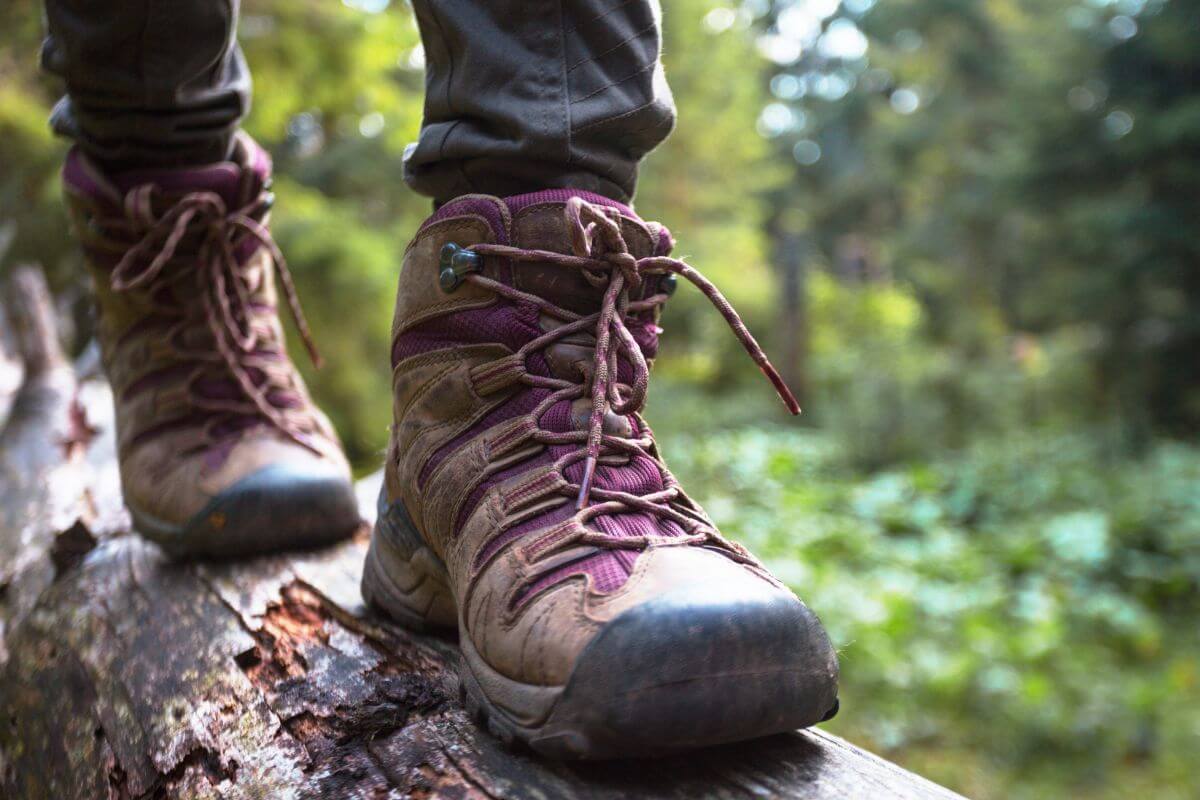
Gear Up Properly: Invest in sturdy, broken-in hiking boots. Florida trails can feature slippery limestone, exposed tree roots, and muddy terrain—especially following seasonal rains. A breathable, lightweight daypack is essential.
Climate and Environmental Protections: Pack ample drinking water, broad-spectrum sunscreen, and high-efficacy insect repellent. Mosquitoes and ticks are prevalent near bodies of fresh water and wetlands.
Check Trail Conditions: Prior to setting out, consult official state park or county water authority websites. Sudden heavy rainfall can flood low-lying trails, particularly near rivers like the Econlockhatchee or Steinhatchee.
Inform Others: Always share your intended hiking route and estimated return time with a trusted contact. Stick strictly to designated trails to protect fragile local flora and avoid unwanted encounters with native wildlife, including alligators and venomous snakes.
Regional Breakdown of Florida’s Best Waterfalls
Northwest Florida: The Panhandle’s Crown Jewel
Falling Waters State Park
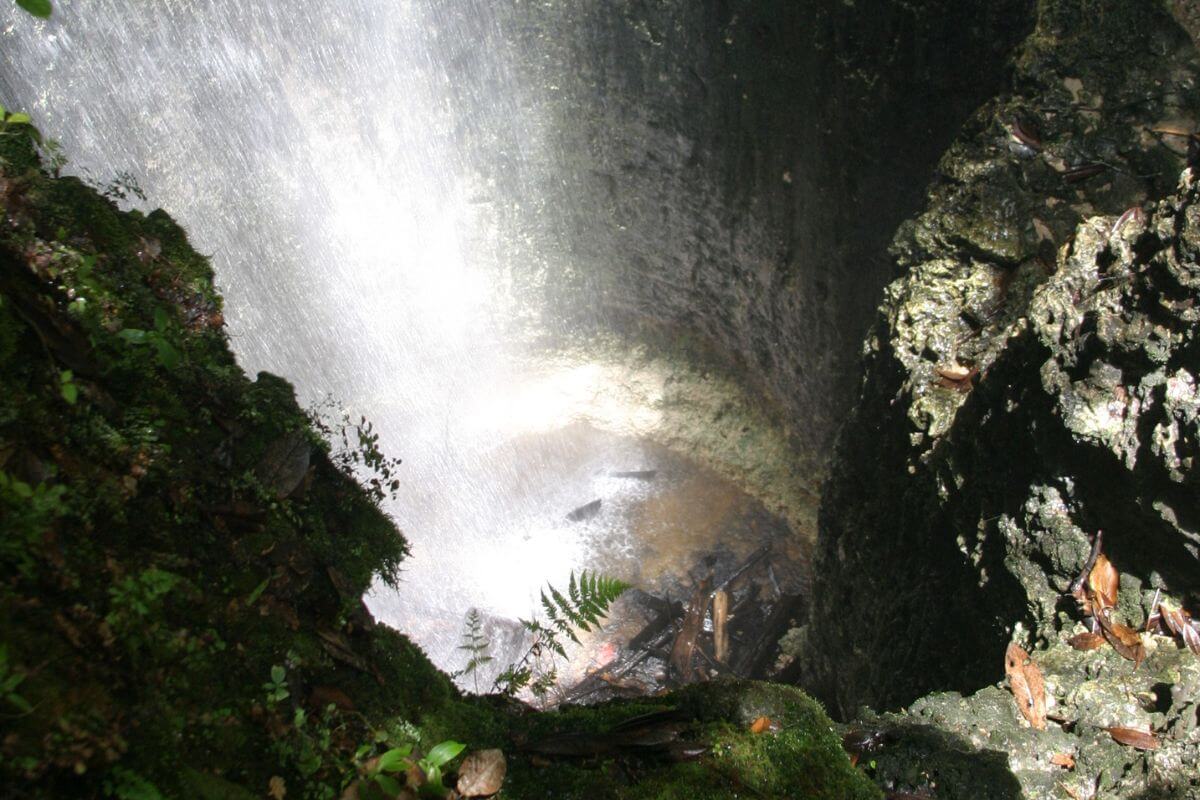
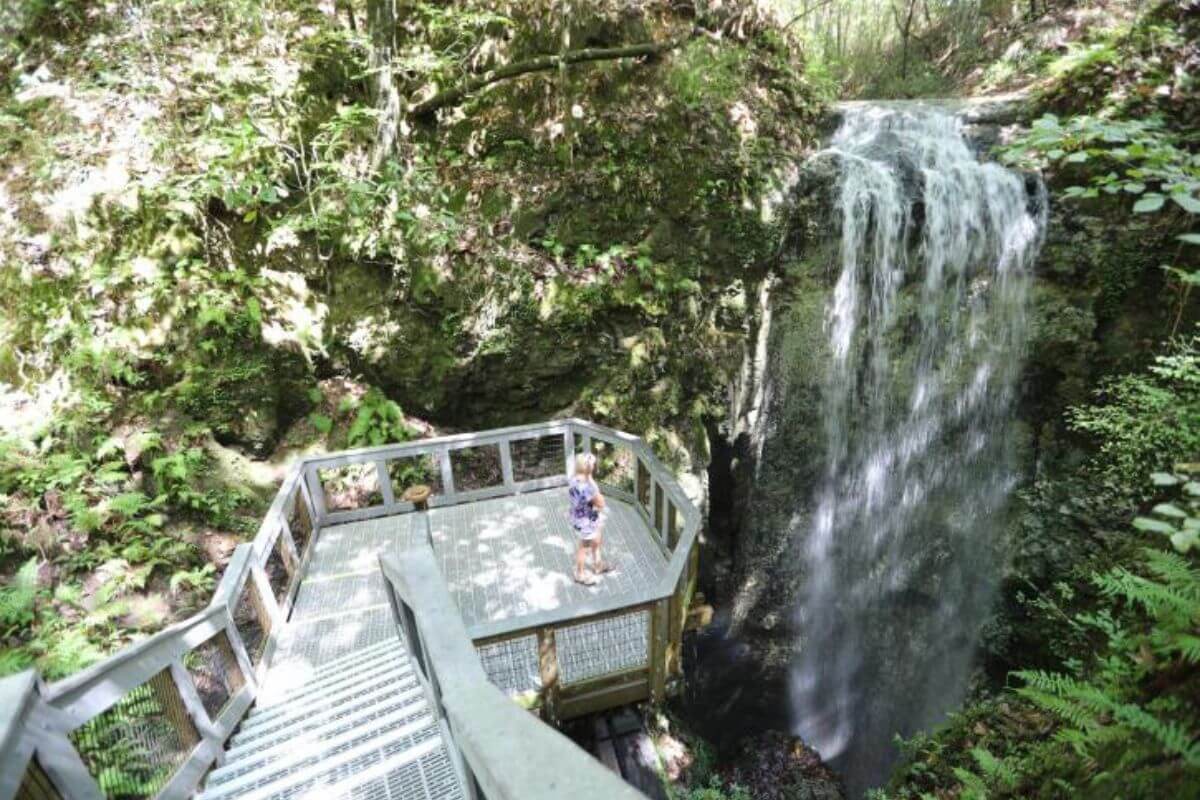
Situated in Chipley, Florida, Falling Waters State Park commands attention as the home of the state’s undisputed heavyweight champion of waterfalls. Here, a crystalline stream winds its way through a lush pine forest before dramatically plunging 73 feet down into a massive, cylindrical limestone sinkhole.
Visitors can experience this geological wonder via an accessible wooden boardwalk that terminates at a secure observation deck overlooking the yawning chasm. For a more immersive experience, a short hiking trail leads intrepid visitors down toward the base of the sinkhole, where the ambient air cools perceptibly and the mist from the cascade provides an invigorating respite from the Florida heat. Beyond the waterfall, the park offers extensive camping facilities, picnicking areas, and the scenic Sinkhole Trail, which meanders through rolling upland pinelands.
Address: 1130 State Park Rd., Chipley, FL 32428
North Central & Northeast Florida: Rivers and Preserves
Steinhatchee Falls
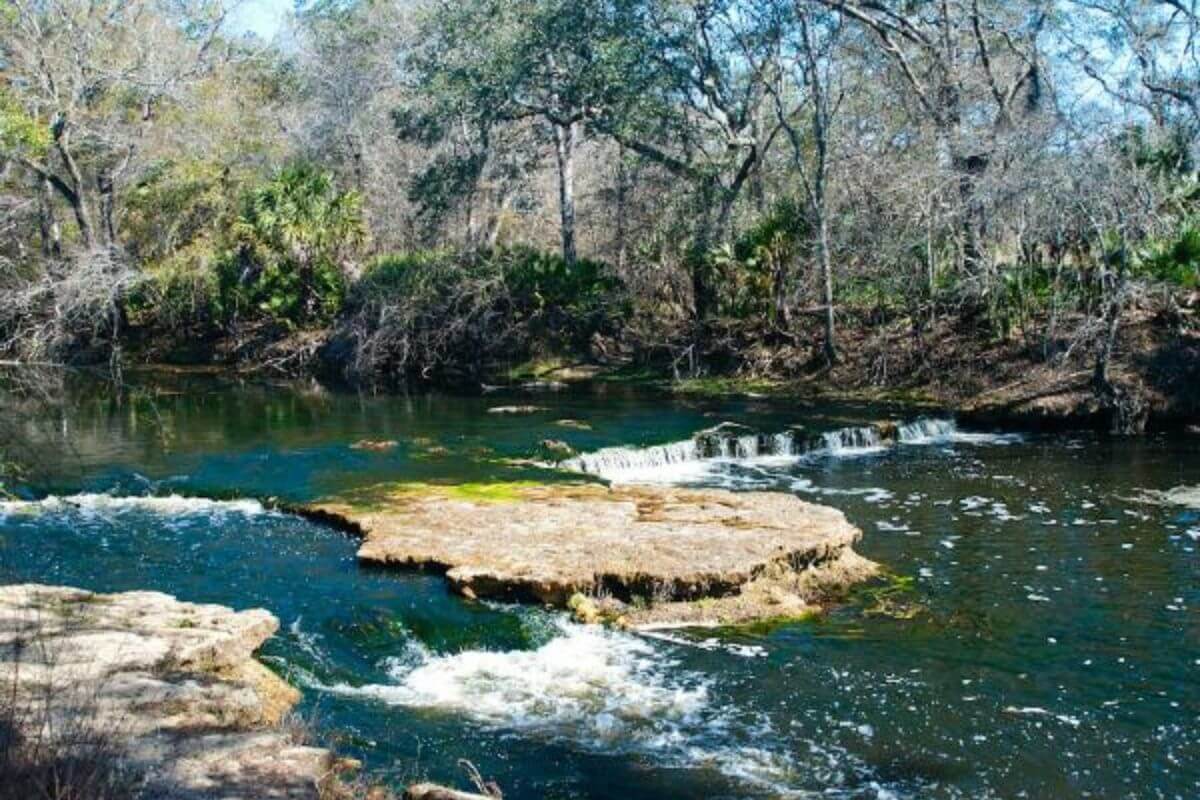
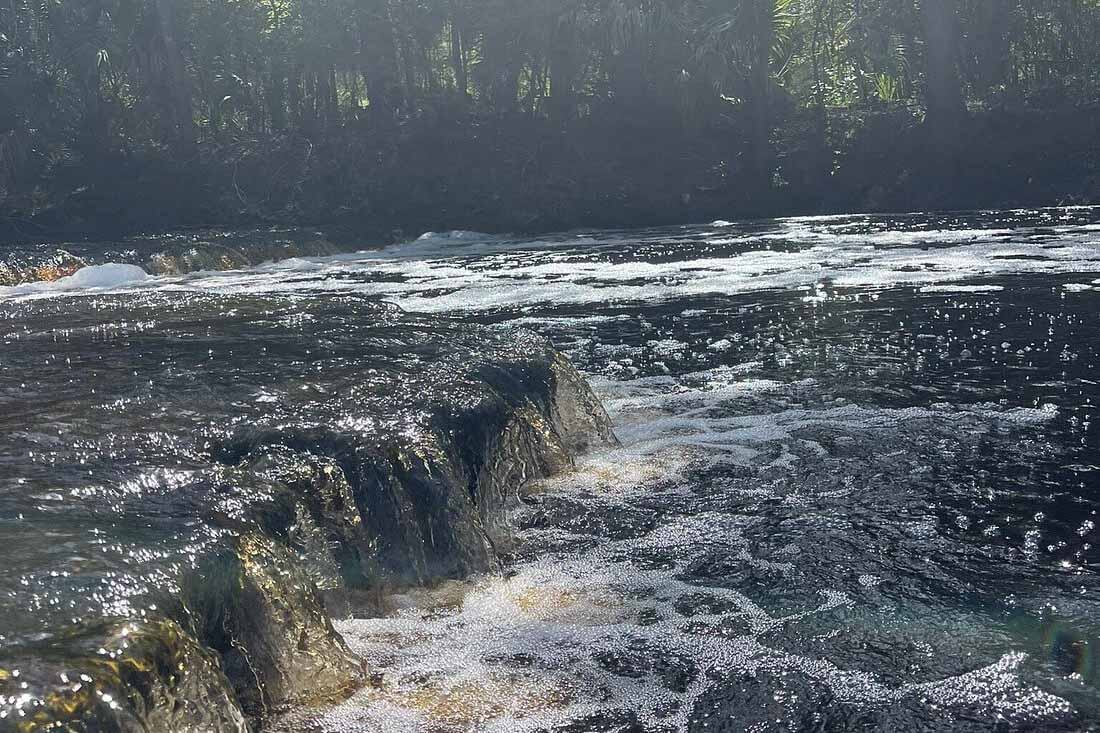
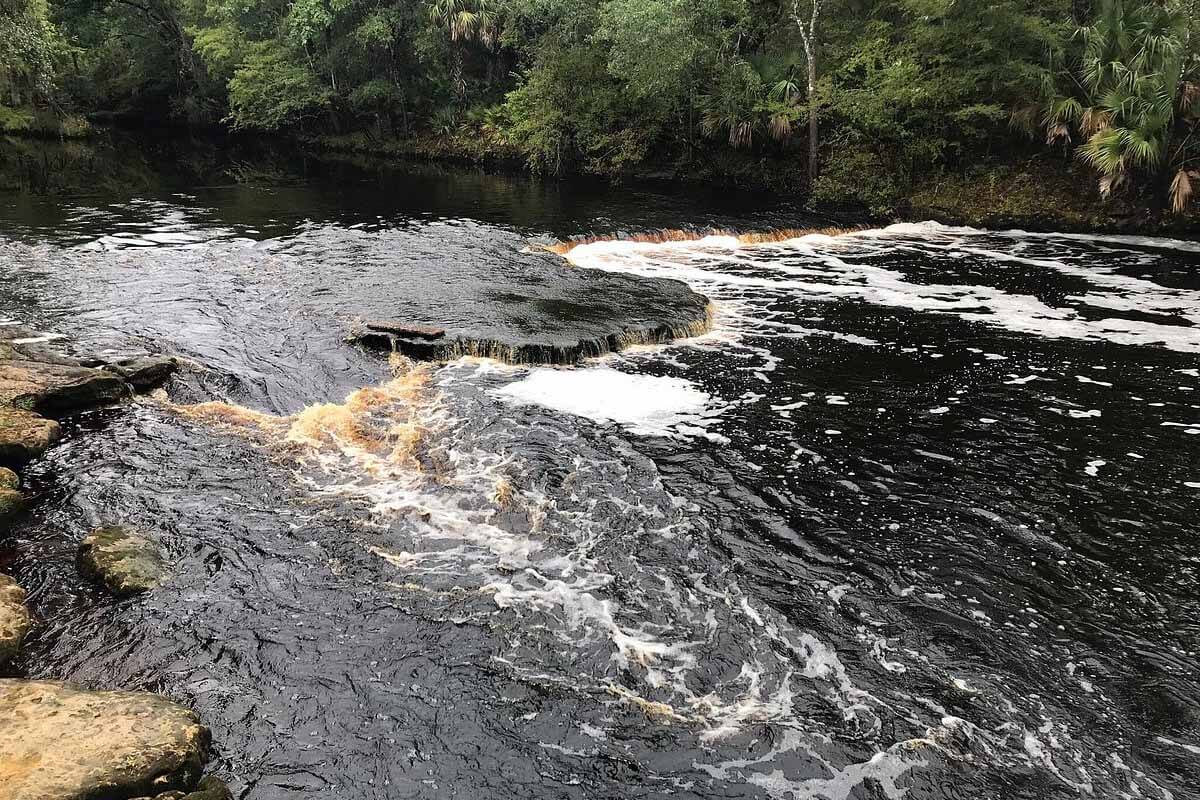
Located along the historic Steinhatchee River, Steinhatchee Falls is celebrated as one of the widest waterfalls in the state. While it drops a modest 4 feet, the sheer volume of water rushing over the exposed limestone shelf creates a picturesque and hypnotic scene framed by dense river hammock vegetation. The surrounding park serves as an ideal outdoor lunch spot, complete with picnic tables and grills, while providing direct access to kayaking, canoeing, and freshwater swimming holes.
Address: Steinhatchee, FL 32359
Bulls Bay Preserve
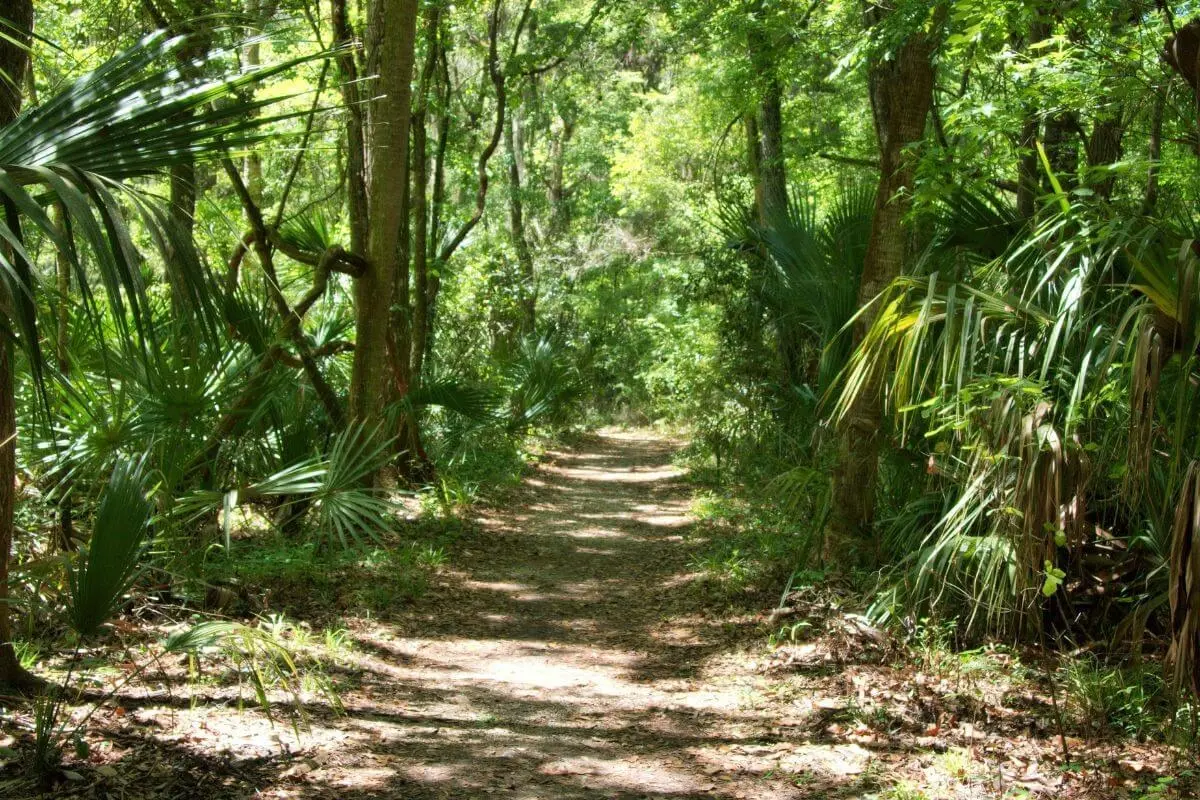
Nestled within the urban sprawl of Jacksonville, the Bulls Bay Preserve offers a peaceful sanctuary for hikers. Thanks to regional elevation changes uncommon in coastal Florida, the preserve transitions through varied wetlands, pine flatwoods, and stream ecosystems, culminating in a charming natural stream waterfall that rewards hikers exploring the looping trails.
Address: 8017 Old Plank Rd., Jacksonville, FL 32220
Central & Central-West Florida: Springs and Jungle Escapes
Rainbow Springs State Park
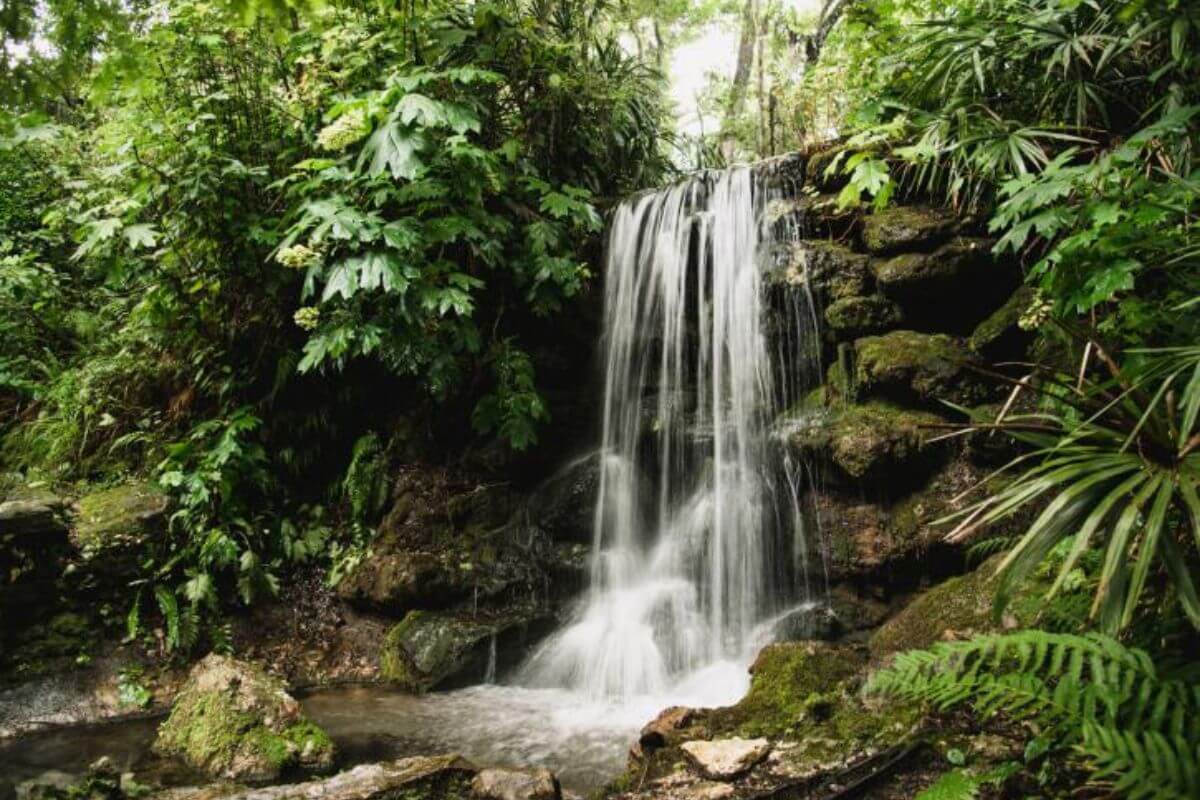
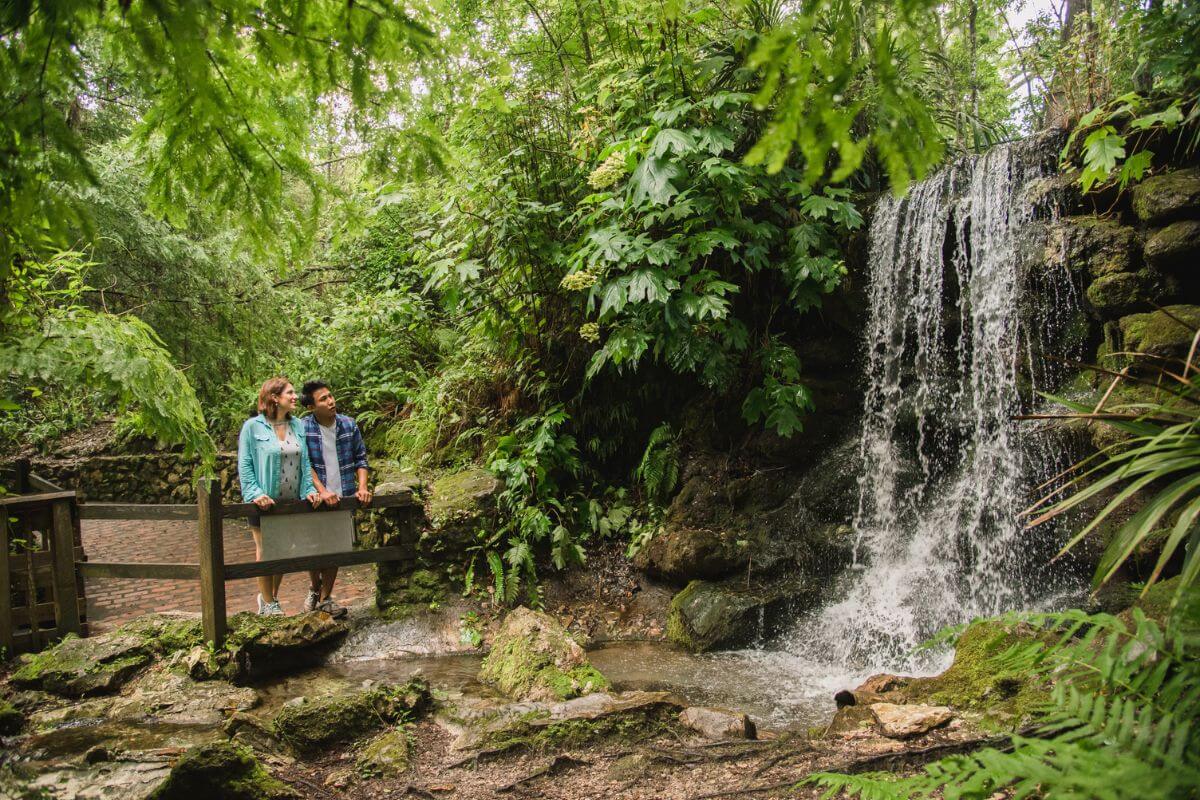
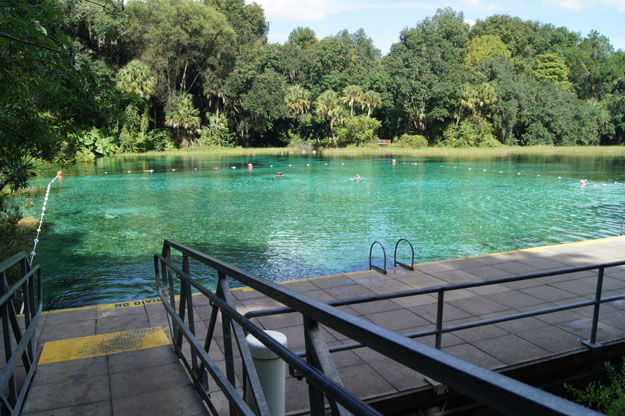
Located in Dunnellon, Rainbow Springs is universally renowned for its monumental headsprings, which pump millions of gallons of crystal-clear water daily. However, tucked away within the park are enchanting, man-made jungle waterfalls surrounded by lush, tropical landscaping. These cascades tumble over artfully placed rock formations into tranquil pools, creating a stunning visual display. Visitors frequently combine viewing the waterfalls with snorkeling, tubing down the lazy river, or exploring the historic ornamental gardens.
Address: 19158 S.W. 81st Place Rd., Dunnellon, FL 34432
Hidden Waters Preserve
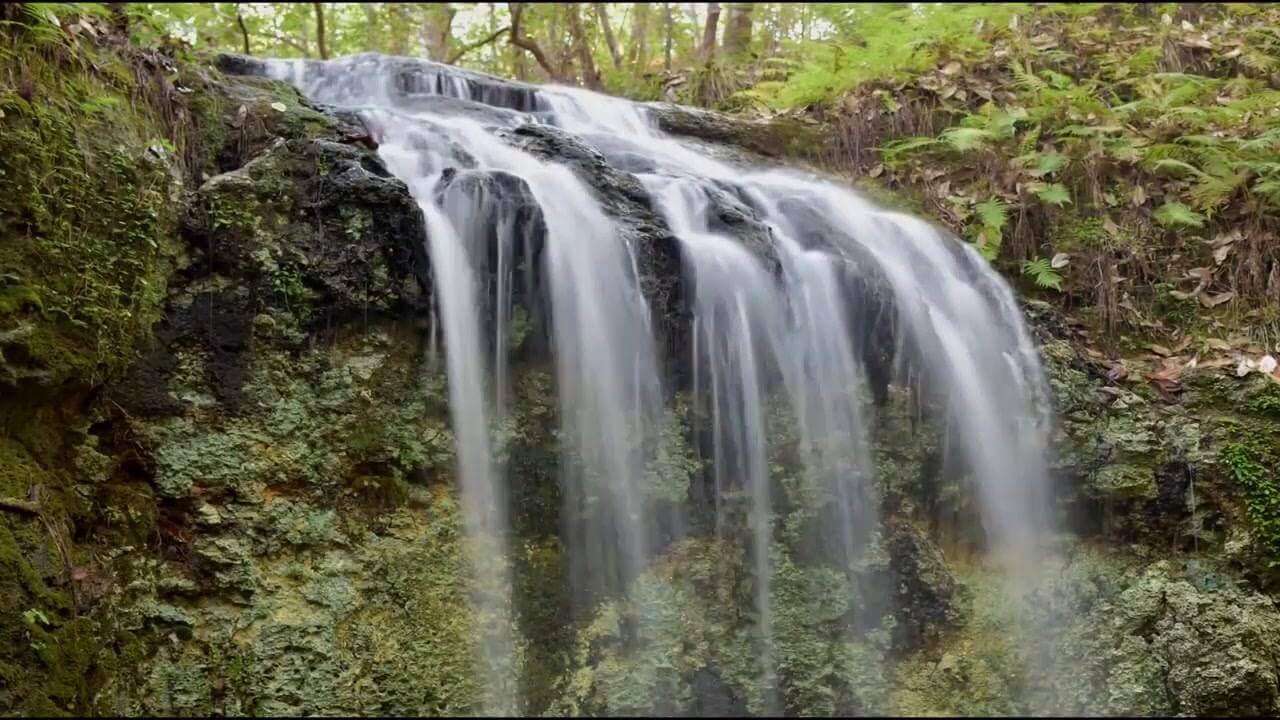
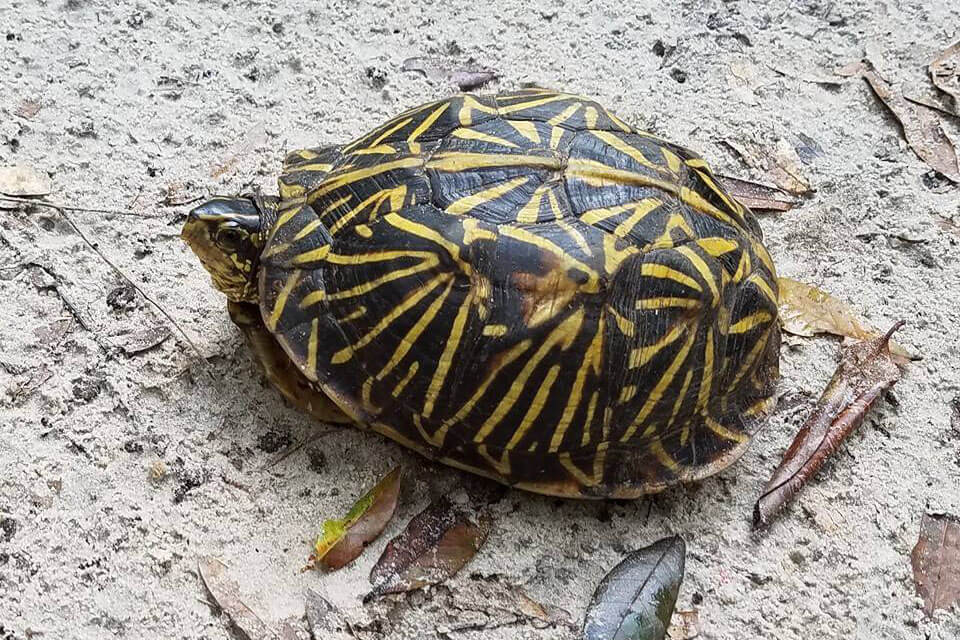
Managed by the Lake County Water Authority in Eustis, this 80-plus-acre preserve protects a fragile and hilly karst landscape. A spring-fed stream generates a scenic waterfall that empties into a quiet, shaded pool. The preserve’s network of rugged hiking trails provides wildlife observers with prime opportunities to spot native box turtles, wading birds, and soaring raptors.
Address: 2010 Abrams Rd., Eustis, FL 32726
Boonie Falls
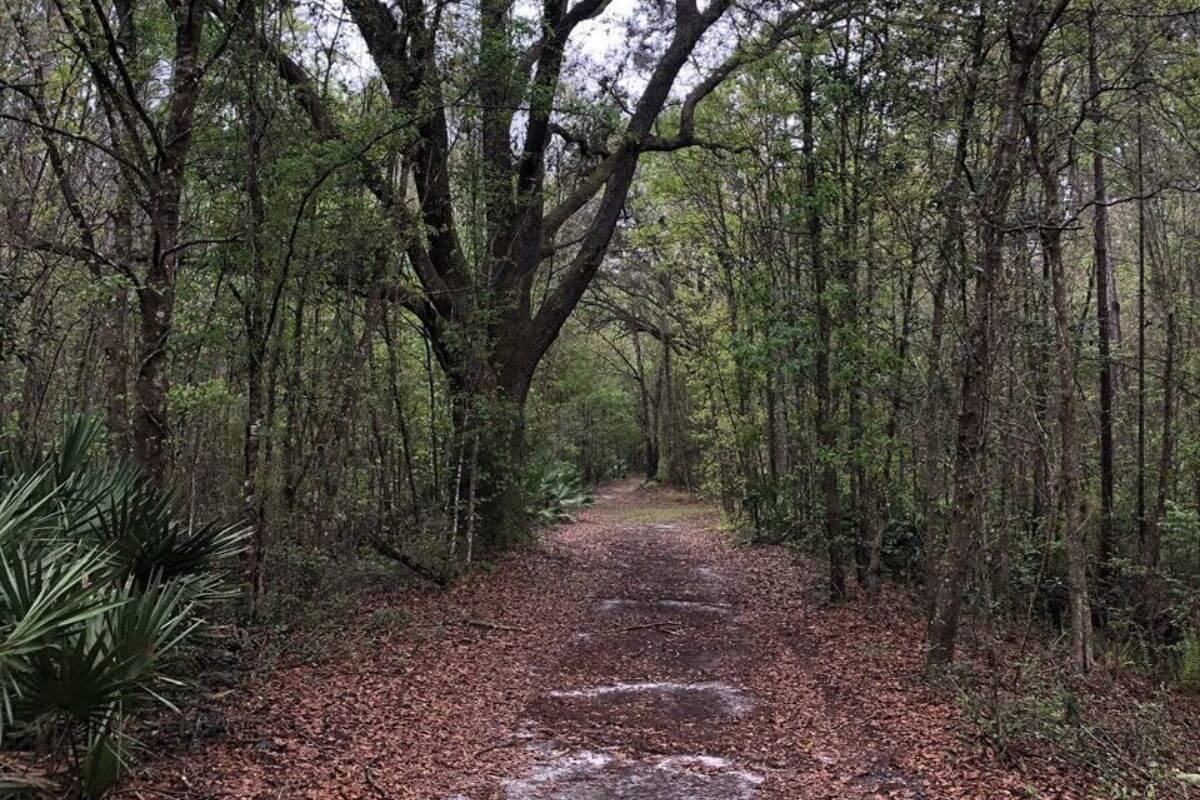
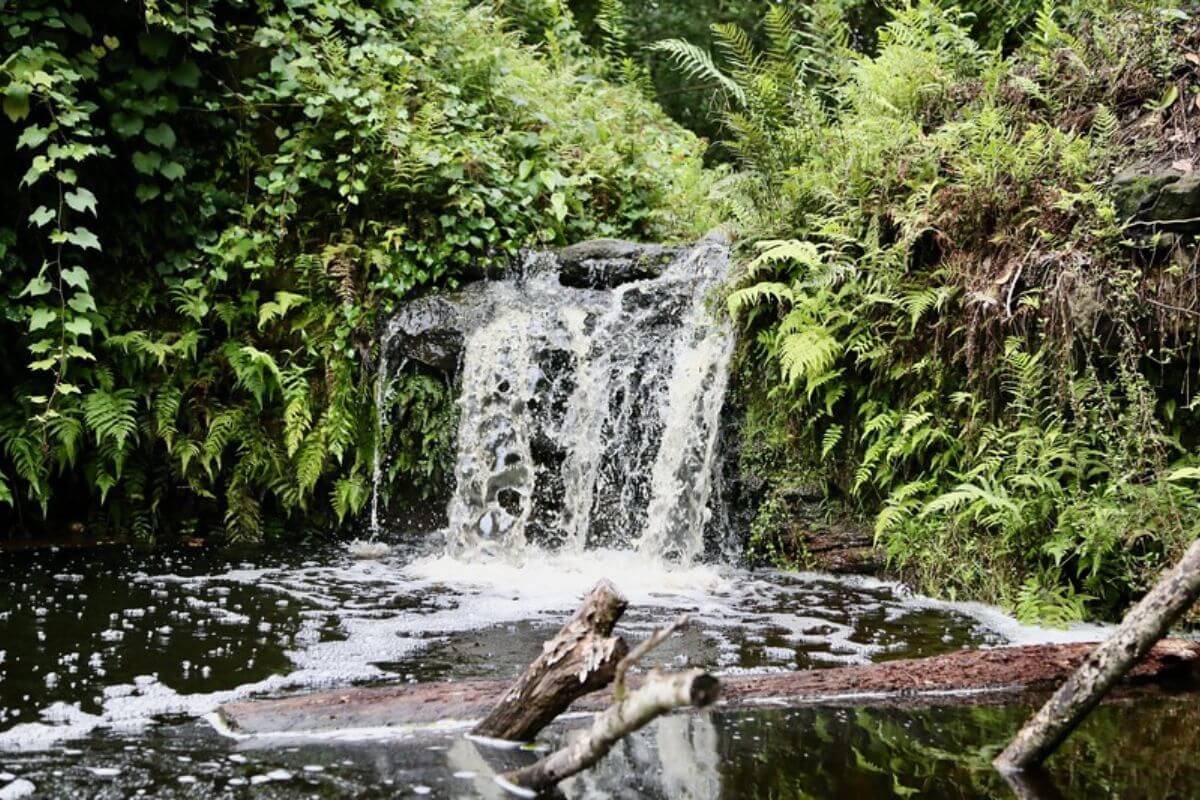
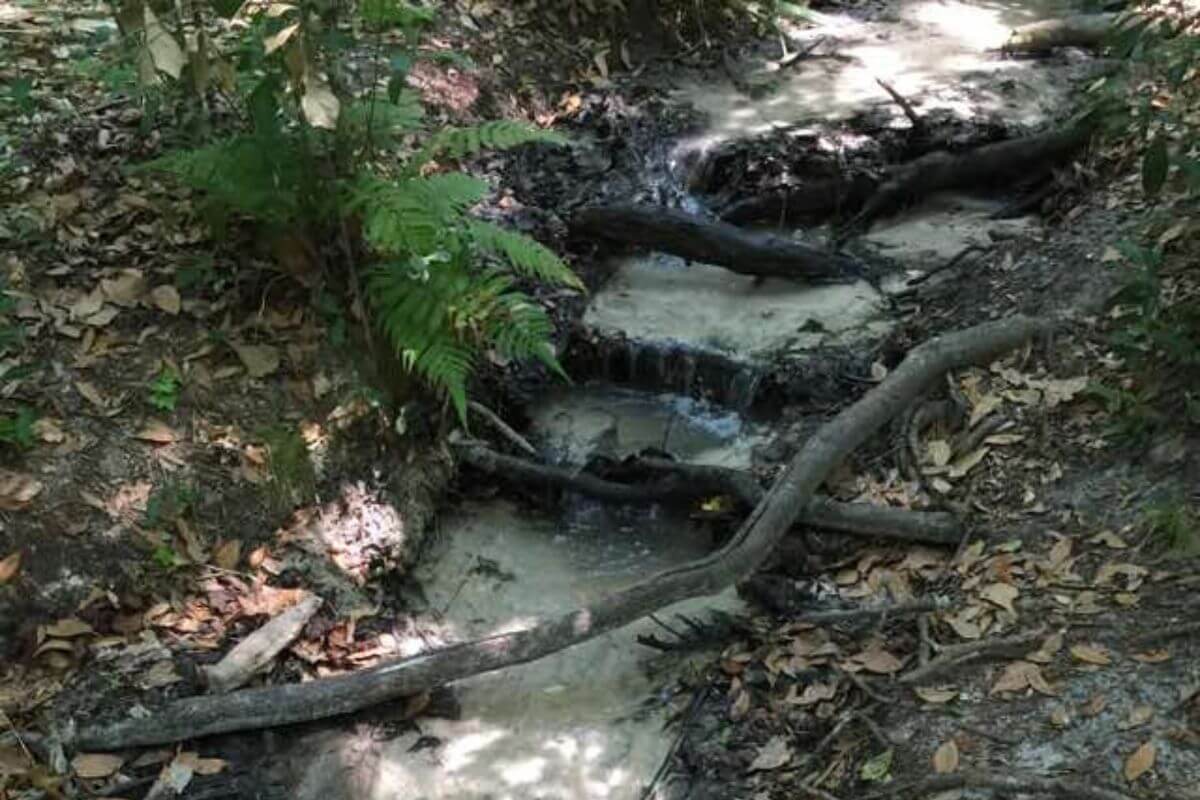
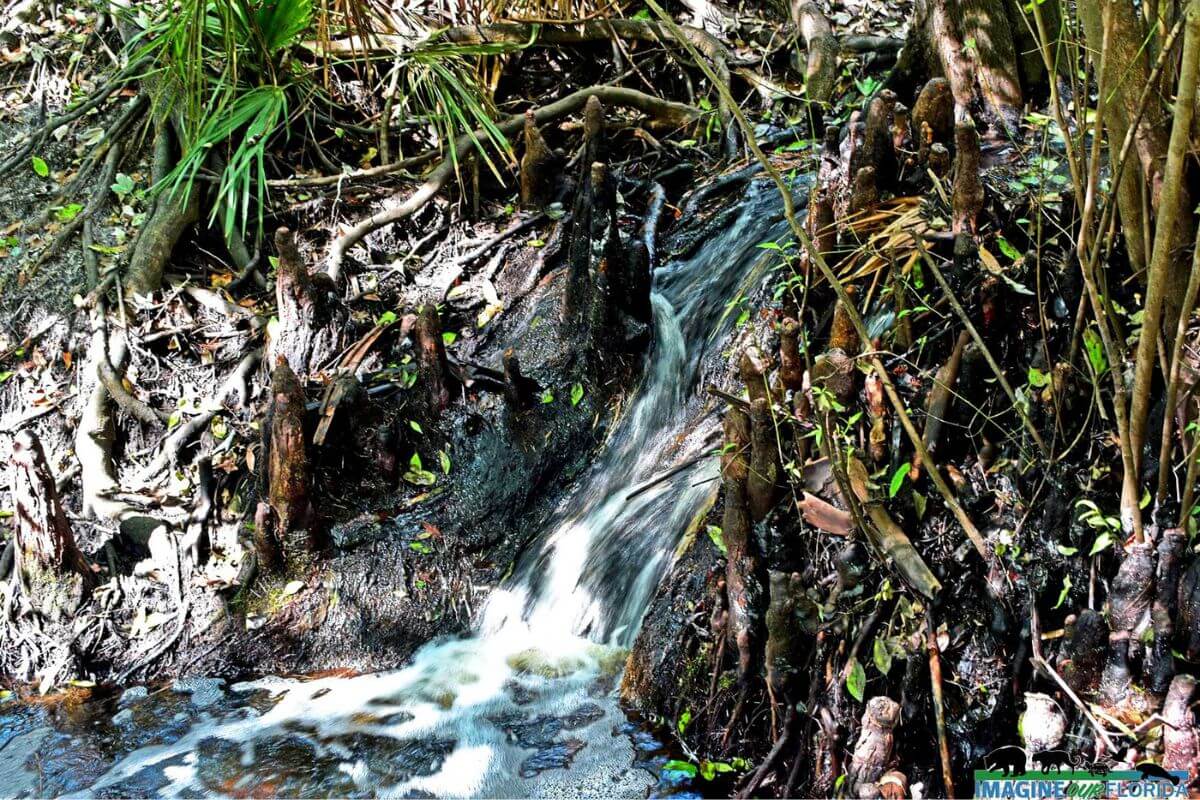
For those seeking a remote, off-the-beaten-path adventure, Boonie Falls in the Little Big Econ State Forest delivers. Accessible via a segment of the Florida National Scenic Trail originating near Lockwood Boulevard, the hike tracks alongside the scenic Econlockhatchee River before revealing a quiet, completely natural stream waterfall hidden deep within the forest canopy.
Address: Florida Trail from Lockwood Blvd., Oviedo, FL 32765
Southeast Florida: Cultural Cascades
Morikami Museum and Japanese Gardens
Demonstrating that waterfalls in Florida are not exclusively geological formations, the Morikami Museum and Japanese Gardens in Delray Beach offers a masterclass in landscape architecture. Spanning 16 acres, these six traditional Japanese gardens incorporate artfully engineered waterfalls, cascading streams, and koi ponds designed to induce profound meditation and relaxation. While entirely man-made, the stone placement and surrounding flora give these cascades an organic, timeless elegance that harmonizes perfectly with the South Florida environment.
Address: 4000 Morikami Park Rd., Delray Beach, FL 33446
Official Statements and Conservation Perspectives
Land managers and conservation authorities continually emphasize the delicate balance between public recreation and environmental stewardship regarding these fragile aquatic features.
"Florida’s interior ecosystems—particularly our karst formations, sinkholes, and spring-fed streams—are exceptionally sensitive to human foot traffic and hydrological changes," notes a representative from the Florida Department of Environmental Protection’s Florida State Parks division. "When visitors respect designated boardwalks and hiking trails, they ensure that natural landmarks like the Falling Waters sinkhole remain pristine for generations to come."
Similarly, regional conservation groups stress the importance of watershed protection. The Lake County Water Authority highlights that preserves like Hidden Waters act as vital natural filters, protecting the subterranean aquifers that supply drinking water to millions of residents while simultaneously offering sanctuary to native wildlife.
Future Outlook
As eco-tourism continues to surge across the United States, interest in alternative Florida itineraries—moving away from crowded coastal resorts toward immersive interior explorations—is expected to grow exponentially. State and local agencies are increasingly investing in trail maintenance, digital educational resources, and sustainable infrastructure to accommodate this influx of nature-seeking travelers.
The future of Florida’s waterfalls relies heavily on proactive environmental management, climate resilience planning, and public education. By fostering a deeper appreciation for the state’s hidden topographical anomalies, conservationists hope to cultivate a generation of advocates dedicated to protecting every facet of the Sunshine State’s diverse natural heritage—from the deepest coastal shelf to the most secluded forest cascade.





0 Comments