

Executive Overview
For decades, the invisible toll of contact sports has cast a long, dark shadow over America’s most beloved pastimes. While millions cheer for bone-crunching hits on autumn Sundays, a quiet crisis has persisted in the background: chronic traumatic encephalopathy (CTE), a degenerative brain disease historically trapped in mystery because it could only be diagnosed posthumously.
Now, a monumental shift is underway. Medical researchers, backed by significant federal investment and propelled by the altruism of former athletes, are closing in on one of the most elusive holy grails in modern neurology: diagnosing CTE in the living brain.
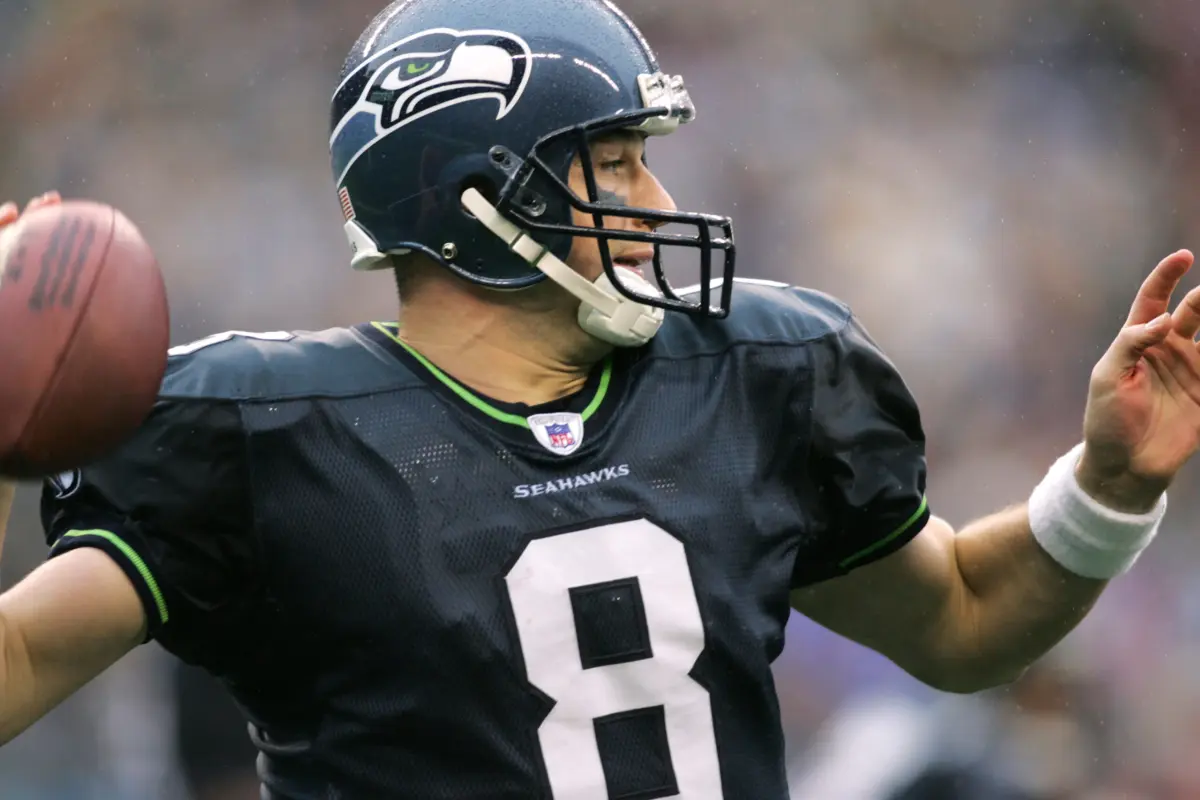
At the forefront of this scientific crusade is former three-time Pro Bowl quarterback Matt Hasselbeck. Having navigated a punishing 17-year NFL career, four years at Boston College, and a lifetime of athletic competition, Hasselbeck recently spent two grueling days at Boston University. There, he underwent an intensive battery of cognitive evaluations, advanced neuroimaging, and biomarker extraction. He did not step forward because he is suffering from cognitive decline; rather, he volunteered precisely because he feels healthy, joining a growing cohort of athletes and control subjects designed to help researchers isolate the biological signatures of CTE.
This multi-site national study—anchored by institutions in Boston, California, Arizona, Texas, and Florida, and buoyed by a $15 million grant awarded by the National Institutes of Health (NIH) in 2025—represents a paradigm shift. By drawing comparisons between former contact-sport athletes and Alzheimer’s patients with no history of head trauma, researchers are racing to map out the critical discrepancies between these overlapping neurodegenerative conditions. If successful, the medical community will unlock the door to early detection, paving the way for targeted clinical trials and therapeutic interventions that could ultimately safeguard future generations of athletes, military personnel, and everyday individuals.
Detailed Chronology: From Gridiron Glory to the Neuroimaging Lab
A Lifetime of Subconcussive and Concussive Impacts
Matt Hasselbeck’s journey toward becoming a neuro-research volunteer began decades before he ever stepped onto an NFL turf field. Growing up in an era when youth sports culture prioritized toughness over safety, Hasselbeck accumulated a baseline of head trauma early in life. By the time he enrolled at Boston College, he had already sustained three diagnosed concussions—one from football, one on the basketball court, and a third from recreational ice skating.
His professional career spanned from 1998 to 2015, during which he suited up for the Green Bay Packers, Seattle Seahawks, Tennessee Titans, and Indianapolis Colts. Across nearly two decades at the highest level of professional football, Hasselbeck endured numerous hits, though his position as a quarterback insulated him from the constant, brutal collisions experienced by linemen and linebackers. Still, the exact count of his concussions remains murky, a byproduct of an era in locker room culture where masking symptoms and pushing through pain were badges of honor.
The Evolution of Locker Room Culture
Hasselbeck’s career served as a living bridge through a transformative era in sports safety. When he entered the league in the late 1990s, the unwritten code of football demanded absolute invulnerability. The only acceptable response to a bell-ringing hit to the head was a firm assertion: "I’m good."
However, by the time he retired in the mid-2010s, a cultural revolution was sweeping through professional locker rooms. Propelled by mounting scientific evidence linking repeated head impacts to long-term cognitive deterioration, the NFL, the NFL Players Association (NFLPA), and medical staffs radically altered their approach to concussions. Players became more candid, independent neurologists were introduced to sidelines, and protocols tightened significantly. Hasselbeck transitioned naturally into this safer era, dedicating much of his post-playing days and media career to advocating for protective rule changes and enhanced player safety.
The Boston University Evaluation: July 28, 2026
On July 28, 2026, Hasselbeck’s long-standing advocacy took a deeply personal turn. Walking into the Boston University CTE Center in apparent good health, the 50-year-old former quarterback subjected himself to a rigorous, multi-faceted clinical evaluation.
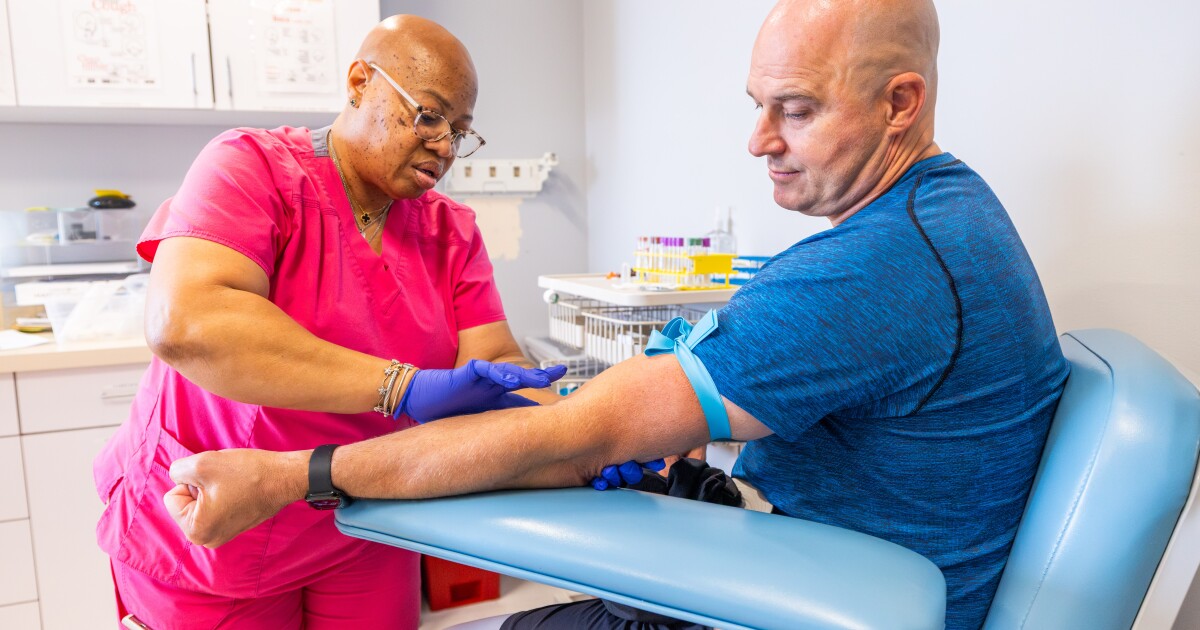
The process was both humbling and eye-opening. Hasselbeck was put through demanding neuropsychological tests—such as counting backward from 100 by sevens and reciting the alphabet in reverse—designed to probe the deepest recesses of cognitive agility, memory, and executive function. Clinicians drew blood samples to analyze circulating biomarkers, performed a high-resolution brain MRI to map structural integrity, and administered a positron emission tomography (PET) scan. The PET scan utilized a safe, specialized radioactive tracer designed to illuminate metabolic function and molecular activity within the brain tissue.
Walking out of the clinic with a clear view of his own neural architecture, Hasselbeck expressed a profound respect for individuals battling serious neurological diseases. Understanding that his participation directly aids teammates and peers who absorbed the brunt of the physical punishment on the gridiron, Hasselbeck went a step further: he formally committed to donating his brain for post-mortem research, ensuring his legacy extends far beyond his accomplishments on the scoreboard.
Supporting Context & Metrics: The Science of CTE vs. Alzheimer’s
Understanding Chronic Traumatic Encephalopathy (CTE)
Chronic traumatic encephalopathy is a progressive, degenerative brain disease triggered by repetitive head impacts (RHIs)—including both symptomatic concussions and subconcussive blows that fail to trigger immediate clinical symptoms. While historically documented in boxers (originally termed dementia pugilistica or the "punch-drunk syndrome"), CTE has been confirmed in more than 100 former NFL players, including legendary figures such as Pro Football Hall of Famers Junior Seau and Ken Stabler, as well as former New England Patriots tight end Aaron Hernandez.
The pathology of CTE is characterized by the abnormal accumulation of a protein called hyperphosphorylated tau (p-tau) inside neurons and neural pathways. As these tau protein aggregates spread throughout the brain, they gradually destroy neural networks responsible for regulating behavior, mood, and emotional control. Clinically, this manifests as:
- Progressive memory loss
- Uncharacteristic depression and anxiety
- Profound, violent mood swings and impulsivity
- Executive dysfunction and cognitive impairment
The Diagnostic Bottleneck
The single greatest obstacle in modern CTE research is the inability to definitively diagnose the disease in a living person. Currently, a definitive CTE diagnosis requires a post-mortem neuropathological examination of brain tissue.
This diagnostic dark zone forces clinicians to rely on symptom observation, which frequently overlaps with other neurodegenerative disorders—most notably Alzheimer’s disease. Because symptoms like memory loss and mood disturbances are shared across multiple pathologies, living patients presenting with cognitive decline can only be given a probabilistic diagnosis of Traumatic Encephalopathy Syndrome (TES), rather than confirmed CTE.
The NIH-Backed Multi-Site Study
To shatter this diagnostic barrier, the National Institutes of Health awarded a $15 million grant in 2025 to spearhead a nationwide, multi-institutional clinical trial. Directed by prominent researchers like Dr. Michael Alosco, co-director of clinical research at the Boston University CTE Center, the initiative has established clinical study hubs across the country, including sites in:
- Boston, Massachusetts (Boston University)
- Phoenix, Arizona
- California
- Texas
- Florida
The study’s strategic design relies on two distinct cohorts:
- Contact Sport Athletes: Former collegiate and professional football players, encompassing various positions from quarterbacks to interior linemen.
- Control Participants: Individuals diagnosed with Alzheimer’s disease who possess no history of contact sports, collision trauma, or repetitive head impacts.
By contrasting these two groups, researchers are actively mapping out the biological divergences between Alzheimer’s-driven neurodegeneration and RHI-driven tauopathies.

Official Statements & Expert Perspectives
The urgency and scientific promise of the ongoing study have drawn powerful endorsements from the medical professionals leading the charge.
Dr. Michael Alosco, Principal Investigator at Boston University:
"We’ve applied what we’ve known worked for Alzheimer’s disease, but we’ve learned it does not work for CTE. We’ve really got to push discovery efforts and find the marker that’s specific to the protein of CTE versus Alzheimer’s because they’re different. How we’re going to get there is through the research we’re doing right now."
Alosco emphasizes that Alzheimer’s research has enjoyed a decades-long head start supported by massive population pools and longitudinal data collection. To bridge the gap for CTE, researchers require real-time, living data paired with eventual brain donations.
Dr. Nicholas Ashton, Principal Investigator in Phoenix, Arizona:
Highlighting the current state of clinical diagnosis at the Arizona study site, where roughly 10 patients have already completed evaluations, Ashton noted:
"Right now, diagnosing CTE in the living is mostly guesswork because so many of the symptoms mimic Alzheimer’s. The more people involved, the more information we get and the closer we get to an answer. Treatments exploded with Alzheimer’s once we were able to accurately diagnose. We’re trying to get to the same spot with CTE."
Matt Hasselbeck, Former NFL Quarterback and Study Participant:
Reflecting on his motivation for stepping forward and why he feels a duty to protect his former colleagues—particularly those who served in high-impact trench roles—Hasselbeck shared:
"They need guys like me — they need people who are feeling good to step up to the plate and volunteer. I played quarterback, so I didn’t take some of the hits that a lot of my teammates took. But the guys who were blocking for me, or playing special teams, or trying to get the ball back for me on defense, I wanted to do something. They had my back, so in a way I’d like to have their back."
He added a candid reflection on the emotional weight of undergoing advanced neurological imaging while feeling completely healthy:
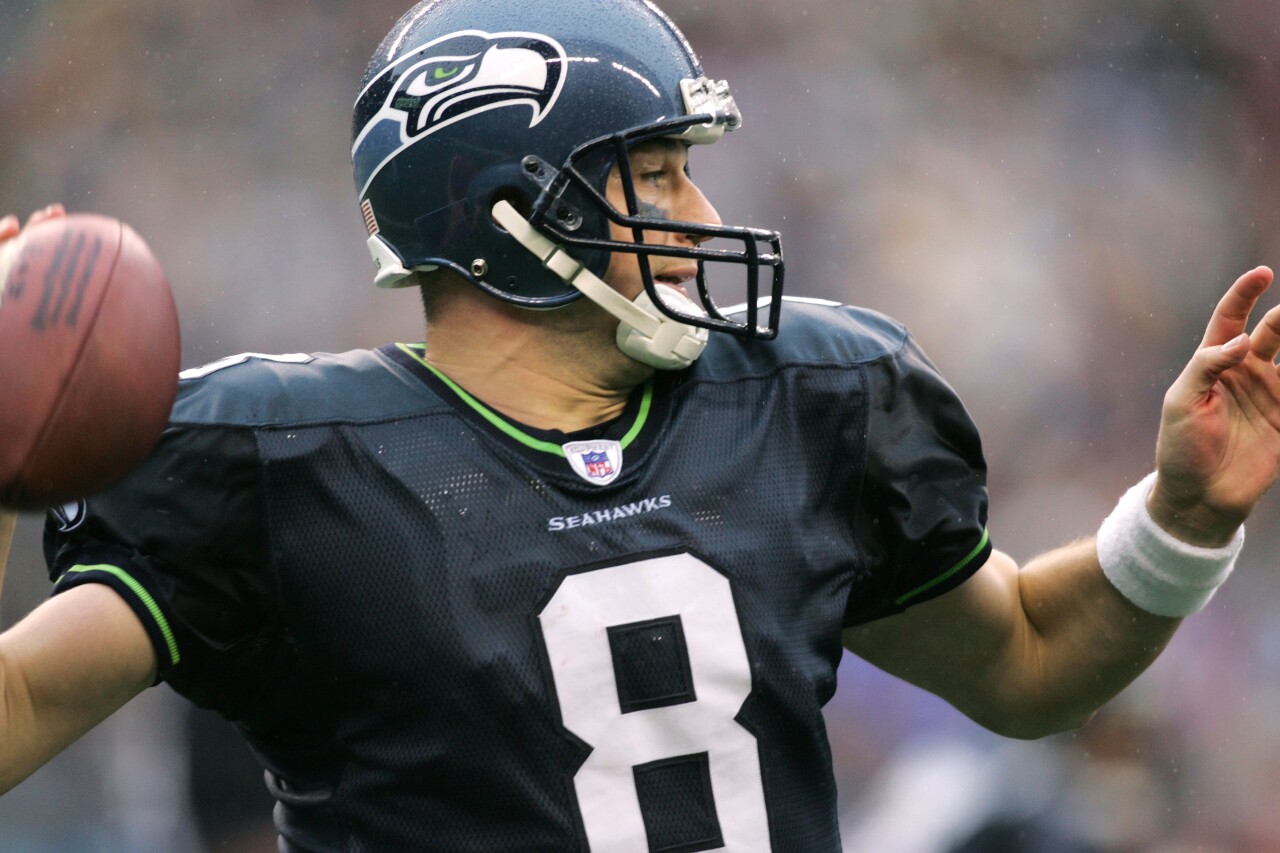
"I’ve got a healthy respect for people who are dealing with serious brain trauma, whether it’s tumors or cancer. I walked in there feeling completely healthy and you still get a little anxious when you’re doing a brain scan, an MRI. You come out and you’re looking at your brain."
Bryan Savage, 56-Year-Old Former Division III Linebacker and Study Participant:
Demonstrating that the crisis extends far beyond the bright lights and multimillion-dollar contracts of the NFL, former Union College linebacker Bryan Savage traveled from Maryland to Boston to participate in the study. Having wrestled with uncharacteristic depression and attention-deficit hyperactivity disorder (ADHD) in recent years, Savage noted the psychological relief of establishing a baseline:
"I was interested because of some of the things that I’ve gone through physically and mentally. You wonder if it’s just getting older, a midlife crisis or if it’s related to any brain trauma I might have had playing football… I’ll talk to some of my former friends and they’re going through a lot of the same things. They’ll say — ‘Why do I feel like this? I’ve never been depressed. Things that I used to be passionate about I don’t care about anymore.’"
Future Outlook: The Horizon of Diagnosis and Treatment
The intersection of federal funding, elite academic research, and athlete altruism has created a palpable sense of optimism within the neurological community. While the road to mapping tau protein variants and isolating blood-based biomarkers is complex, researchers believe the medical landscape is nearing a crucial tipping point.
Dr. Alosco and his colleagues remain highly optimistic that a reliable, clinical method for detecting CTE during life is not an insurmountable horizon. The lessons learned from the rapid acceleration of Alzheimer’s therapeutics—which broke through once clinicians mastered accurate, early-stage diagnostics—serve as a clear blueprint for the future of sports neurology.
Once scientists can definitively diagnose CTE in living patients, the medical field can immediately transition into executing robust clinical treatment trials. These trials will test pharmaceutical interventions designed to halt or reverse tau protein aggregation, mitigate neuroinflammation, and protect vulnerable neural pathways before degenerative symptoms become irreversible.
Until that breakthrough arrives, the campaign relies heavily on the courage of everyday volunteers—from former Division III standouts like Bryan Savage to high-profile ambassadors like Matt Hasselbeck. By opening their minds to science today, these athletes are ensuring that tomorrow’s generation of competitors can play the sports they love without fearing the invisible scars of tomorrow.

0 Comments