

Executive Overview
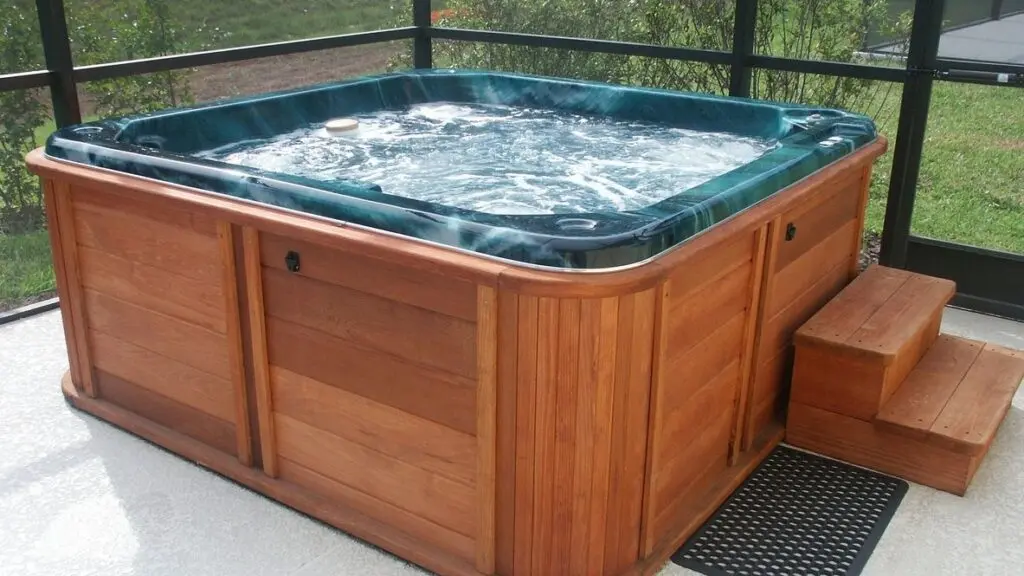
For many modern homeowners, the backyard is no longer just a patch of grass or a static patio; it is an extension of the indoor living space—a dedicated wellness sanctuary designed to alleviate the chronic stress of contemporary life. Central to this outdoor lifestyle renaissance is the modern residential hot tub. Promising hydrotherapy, muscle recovery, social connectivity, and moments of quiet solitude under the stars, the hot tub has cemented its status as one of the most sought-after home improvement investments.
However, the journey from an idyllic daydream to a bubbling, fully operational backyard retreat is fraught with logistical complexities. Selecting the ideal hot tub demands far more than merely skimming a digital catalog, falling in love with a sleek acrylic shell color, or counting the total number of molded seats. Beneath the soothing visuals lies a dense ecosystem of household routines, ergonomic body comfort profiles, hidden energy consumption metrics, stringent water chemistry requirements, and complex property infrastructure demands.
A poorly chosen spa can quickly transform from a source of relaxation into a financial drain and an aesthetic eyesore that impedes backyard navigation. Furthermore, the initial purchase price represents only a fraction of the total cost of ownership. Delivery logistics, professional electrical wiring, site preparation, ongoing water treatment supplies, and potential out-of-warranty repairs can substantially inflate the baseline investment.
This comprehensive investigative guide explores the critical dimensions of hot tub ownership. By dissecting budgetary realities, spatial engineering, energy efficiency ratings, ergonomic design, water maintenance, and regional dealer consultations—such as exploring trusted resources like the best hot tub dealers in Little Rock, Arkansas—homeowners can bypass costly pitfalls and secure a backyard retreat that delivers enduring, long-term satisfaction.
Detailed Chronology: From Showroom Floor to Backyard Sanctuary
Investing in a high-performance residential spa is a multi-stage engineering and lifestyle project. To prevent costly mistakes, project delays, and structural damage, prospective buyers must navigate a deliberate, step-by-step chronology.
Phase 1: Needs Assessment and Lifestyle Audit
Before browsing a single showroom or clicking through online product specifications, buyers must conduct an honest evaluation of their daily routines. How many individuals will genuinely use the spa on a typical weeknight? Are you an active athlete seeking targeted muscle recovery through high-pressure hydrotherapy, or a couple looking for a quiet, low-maintenance evening soak? Establishing these usage patterns prevents overspending on oversized units or under-equipping for a growing family.
Phase 2: Financial Planning and Budget Allocation
The sticker price on a hot tub is deceptive. In this phase, buyers must map out the total financial ecosystem of ownership. This includes allocating funds for:
- Site Preparation: Pouring a reinforced concrete pad or building a specialized deck.
- Electrical Infrastructure: Hiring a licensed electrician to run dedicated 240V lines, subpanels, and GFCI disconnect boxes.
- Delivery and Crane Services: Factoring in difficult yard layouts that require mechanical lifting equipment.
- Consumables: Initial stockpiles of sanitizers, test strips, filters, and thermal covers.
Phase 3: Spatial Engineering and Site Mapping
Location is paramount. During this phase, homeowners must measure the backyard with surgical precision. It is not enough to measure the footprint of the hot tub itself; buyers must account for the clearance required to open insulated covers, maneuver security steps, and allow service technicians unhindered access to the equipment access panels. Drainage must also be evaluated to ensure that routine water draining does not flood structural foundations or drown surrounding landscaping.
Phase 4: Showroom Exploration and Physical Testing
Photographs and digital configurators can be deceiving. The fourth phase involves visiting physical showrooms to test models in person. Buyers should sit in various shells to evaluate seat depth, lumbar support, footwell ergonomics, and jet placement. If possible, a "wet test"—actually sitting in a filled, operating tub—is the gold standard for verifying whether a model accommodates your specific body proportions.
Phase 5: Technical Verification and Contractor Engagement
Once a specific model is selected, the pre-installation verification takes place. A licensed contractor or electrician should inspect the proposed site to confirm that the electrical panel can handle the load and that the ground substrate can bear the immense weight of a filled spa. Clear delivery routes—clearing gates, low-hanging tree branches, and fences—must be established with the dealer.

Phase 6: Delivery, Commissioning, and Long-Term Maintenance
The final phase involves the physical drop, electrical hookup, water filling, and chemical balancing. Once the water is heated and sanitized, the routine shifts to a disciplined weekly maintenance schedule, ensuring that filters are cleaned, water chemistry is balanced, and mechanical components operate at peak efficiency.
Supporting Context & Metrics: The Hidden Realities of Spa Ownership
To truly understand the commitment of hot tub ownership, one must examine the hard metrics governing energy performance, structural weight loads, and financial breakdowns.
The Financial Matrix: First-Year vs. Ongoing Costs
Industry analysts categorize hot tubs into three distinct tiers based on price, engineering, and feature sets:
- Entry-Level Plug-and-Play Units ($3,000 – $6,000): Typically running on standard 110V/15A circuits, these rotationally molded spas are portable and require minimal electrical work. However, they feature less robust insulation, weaker pumps, and can struggle to maintain heat in freezing winter climates, leading to higher proportional energy bills.
- Mid-Range Performance Spas ($6,000 – $12,000): The sweet spot for most households. These acrylic-shell units require dedicated 240V electrical service, feature full-foam insulation, programmable filtration cycles, and sophisticated multi-jet arrays. They balance initial investment with long-term energy efficiency.
- Luxury Hydrotherapy Vessels ($12,000 – $25,000+): Premium engineering marvels equipped with advanced zone-targeted hydrotherapy, touch-screen digital controls, integrated audio-visual systems, architectural cabinet lighting, and extreme-climate insulation packages designed to minimize monthly operational overhead.
The Physics of Weight and Structural Integrity
A common misconception among first-time buyers is that a hot tub’s weight is negligible once distributed over a patio. Consider the math: A mid-sized 6-person hot tub weighs approximately 600 to 900 pounds empty. When filled with 400 gallons of water, the fluid weight alone adds roughly 3,344 pounds (at 8.34 pounds per gallon). Add the weight of four to six adult occupants (averaging 900 pounds), and the total load resting on the foundation easily eclipses 5,000 to 6,000 pounds.
Consequently, placing a hot tub on an unreinforced wooden deck or uneven soil can lead to catastrophic structural sagging, pipe ruptures, and cracked acrylic shells. A level, compacted gravel bed, a reinforced concrete slab (minimum 4 inches thick), or a professionally engineered deck is non-negotiable.
Energy Consumption Metrics
In an era of fluctuating utility costs, energy efficiency is a primary driver of long-term ownership satisfaction. Modern spas consume energy primarily through two mechanisms: heating the water and running the filtration/jet pumps.
A well-insulated spa utilizing full-foam spray insulation and a high-density, tapered marine-grade vinyl cover can maintain water temperature efficiently, drawing power primarily during filtration cycles. Conversely, poorly insulated units experience massive thermal loss, forcing the heater to run continuously and driving monthly electricity bills up significantly. On average, owners can expect a monthly operational cost increase ranging from $20 to $60 depending on local utility rates, ambient climate severity, and usage frequency.
Official Statements & Expert Insights
Industry veterans, consumer advocates, and water care specialists emphasize that education is the ultimate safeguard against buyer’s remorse.
According to leading consumer product safety advocates, the single largest preventable issue in residential spa ownership is inadequate electrical compliance. “Homeowners frequently underestimate the electrical demands of a modern 240-volt hydrotherapy system,” notes a veteran master electrician and municipal inspector. “Attempting to bypass national electrical codes or using unlicensed handymen for spa wiring introduces severe shock hazards and violates manufacturer warranties instantly. Always insist on a dedicated GFCI breaker panel located within line-of-sight of the tub.”
Ergonomic specialists and physical therapists also advocate strongly for physical testing over digital purchasing. Dr. Elena Vance, a specialist in orthopedic rehabilitation, explains the science behind body alignment in hydrotherapy:

"Buoyancy alters how the human body experiences gravity, but poor shell design can counteract those benefits. If a lounger seat is engineered without considering anatomical proportions, a user’s natural buoyancy will cause them to float upward, forcing them to constantly brace themselves with their arms. True hydrotherapy requires deep, ergonomic seating where lumbar support matches the natural curve of the spine, allowing muscles to achieve total relaxation without postural tension."
Furthermore, water care experts stress that maintaining pristine water hygiene is a chemical science, not a guessing game. Modern advancements—such as UV-C sanitizers, ozone generators, and salt-water chlorine systems—have dramatically reduced the physical workload of maintenance, but they do not eliminate the need for disciplined testing. “Neglecting weekly water chemistry is the fastest way to ruin expensive pump seals, heater elements, and acrylic finishes,” warns a regional pool and spa service director. “A consistent, written maintenance schedule protects both your financial investment and the health of every bather.”
Future Outlook: Trends Shaping the Next Generation of Backyard Spas
As we look toward the future of residential wellness, the hot tub industry is undergoing a technological and design revolution. Several key trends are redefining what consumers should expect from their backyard investments:
1. Smart Integration and IoT Connectivity
The Internet of Things (IoT) has officially arrived in the hydrotherapy sector. Modern high-end spas are increasingly equipped with Wi-Fi modules and cellular gateways that allow homeowners to monitor and control their tub remotely via smartphone applications. Users can adjust water temperatures while driving home from work, receive automated diagnostic alerts regarding filter health or heater performance, and schedule energy-saving heating modes during off-peak utility hours.
2. Eco-Friendly Engineering and Energy Recovery
Sustainability is no longer an afterthought. Manufacturers are heavily investing in green technologies, including multi-layer recycled insulation materials, variable-speed whisper-quiet circulation pumps that consume a fraction of traditional motor energy, and waste-heat recovery systems. These innovative systems capture the heat generated by the pump motors and redirect it back into the water, substantially lowering net energy consumption.
3. Advanced Antimicrobial Materials and Advanced Sanitization
Post-pandemic consumer awareness has accelerated the demand for hyper-clean sanitation technologies. The integration of advanced Advanced Oxidation Processes (AOP), combining ozone and UV-C light, neutralizes pathogens and organic contaminants far more aggressively than traditional chlorine alone. Simultaneously, manufacturers are incorporating silver-ion antimicrobial additives directly into acrylic shell formulations and plumbing lines to inhibit biofilm accumulation.
4. Architectural Integration and Minimalist Aesthetics
Gone are the days of bulky, obtrusive wooden boxes dominating a backyard landscape. Contemporary hot tub design embraces architectural minimalism. Sleek, composite cabinetry mimicking natural wood or modern metallic finishes, flush-to-deck installations, integrated multi-zone LED mood lighting, and sleek, low-profile covers ensure that the spa blends seamlessly into high-end landscape architecture.
Conclusion
Purchasing and installing a residential hot tub is a transformative home improvement project that blends luxury with rigorous logistical planning. By moving beyond superficial metrics like shell colors and jet counts, homeowners can make informed, strategic decisions that safeguard their financial resources and maximize long-term enjoyment.
True satisfaction is achieved when physical comfort, property conditions, rigorous energy efficiency, robust safety measures, and manageable maintenance routines align harmoniously. Whether you are consulting with specialized local dealers to evaluate regional installation requirements, mapping out electrical infrastructure with a licensed professional, or testing ergonomic seating profiles in a showroom, thorough preparation remains the cornerstone of success. Ultimately, a carefully planned hot tub investment transforms an ordinary backyard into a dependable, rejuvenating sanctuary for years to come.

0 Comments