

Executive Overview
In a sweeping move designed to reshape the medical landscape of the state’s interior and agricultural heartland, Florida Governor Ron DeSantis has announced the distribution of nearly $188 million in targeted healthcare funding. This substantial capital injection is aimed directly at rural hospitals, community clinics, workforce development pipelines, and advanced medical infrastructure across 31 counties. Home to approximately 1.2 million Floridians, these rural regions have historically faced compounded challenges regarding medical access, provider shortages, and aging facilities.
The comprehensive funding package comprises more than 80 distinct awards distributed to a diverse array of recipients, including critical access hospitals, Federally Qualified Health Centers (FQHCs), rural health cooperatives, and localized community organizations. Administered by the Florida Agency for Health Care Administration (AHCA) under the umbrella of the state’s federal-state Rural Health Transformation Program, this financial infusion represents a critical milestone in a multi-year strategy to bridge the healthcare disparity gap between Florida’s booming metropolitan hubs and its geographically isolated communities.
Beyond immediate facility upgrades and clinical expansions, the initiative prioritizes long-term systemic sustainability. Funds are earmarked for cutting-edge telehealth integration, mobile medical units, remote patient monitoring systems, and aggressive clinical training pipelines designed to attract and retain medical professionals in underserved zip codes. As state leaders emphasize, robust rural healthcare infrastructure is not merely a public health imperative, but a foundational pillar of economic vitality, workforce retention, and regional prosperity.
Detailed Chronology and Program Evolution
The rollout of the $188 million in funding marks the latest, most substantial phase of a carefully orchestrated public policy initiative that has been years in the making. Understanding the trajectory of Florida’s rural health modernization requires examining the sequence of legislative measures, federal allocations, and administrative milestones that brought the program to fruition.
The Legislative Foundation: Live Healthy and Rural Renaissance
The groundwork for the Rural Health Transformation Program was laid through concerted legislative efforts in Tallahassee, most notably championed by Senate President Ben Albritton and legislative partners who prioritized healthcare equity in non-metropolitan districts. Initiatives such as the broader "Live Healthy" legislative package and specialized "Rural Renaissance" measures established the statutory framework necessary to address chronic provider shortages and financial distress among rural medical providers. These laws created an environment primed for strategic investments, ensuring that when federal opportunities arose, Florida possessed the administrative machinery and legislative mandate to deploy capital effectively.
Securing Federal-State Partnership
The financial engine driving the current awards is the Rural Health Transformation Program, a cooperative federal-state initiative that yielded a total allocation of $209 million for the Sunshine State. Designed specifically to assist states in modernizing rural health systems, upgrading technological infrastructure, and expanding service delivery models, the program required rigorous state-level planning to secure.
Initial Infrastructure and Procurement Phase
Earlier this year, prior to the announcement of these major clinical awards, state officials executed a series of preliminary procurements. These initial distributions were designed to establish a robust administrative infrastructure. Their purpose was twofold: to create oversight mechanisms capable of monitoring long-term program results, and to implement precise tracking systems for expenditures across participating entities.
With the foundational monitoring architecture successfully established, the AHCA launched a competitive, merit-based application and review process. Organizations seeking funding were required to submit meticulous proposals demonstrating both clinical need and a viable execution plan for their respective communities. Following exhaustive evaluations, state officials announced that the AHCA has now officially awarded the full scope of Florida’s funding under the program to qualified, vetted organizations—culminating in the nearly $188 million investment across more than 80 projects.
Regional Breakdown, Financial Allocations, and Operational Metrics
The allocation of the $188 million was conducted via a data-driven, needs-based distribution model that accounted for geographic expanse, population density, existing provider-to-patient ratios, and regional vulnerability. Florida’s rural counties span vastly different terrains, from the timberlands of the panhandle to the agricultural expanses of south-central Florida. Consequently, the funding has been distributed across four primary administrative regions, with each area tailoring its share to unique localized challenges.

Regional Distribution Overview
| Region | Number of Awardees | Total Funding Allocated | Strategic Focus |
|---|---|---|---|
| Northwest Region | 35 | $81 Million | Hospital stabilization, trauma access, regional clinic expansion |
| Northeast Region | 14 | $51 Million | Telehealth integration, FQHC modernization, chronic disease management |
| Southwest Region | 21 | $45 Million | Mobile health units, agricultural worker healthcare, workforce housing/training |
| Southeast Region | 11 | $12 Million | Specialized care access, remote patient monitoring, community health integration |
1. Northwest Region ($81 Million / 35 Awardees)
Commanding the largest single share of the funding, the Northwest Region—encompassing wide swaths of the Florida Panhandle—faces acute challenges related to geographic isolation, severe weather vulnerabilities, and long transit times to tertiary medical centers. The 35 awardees in this region are utilizing the $81 million to stabilize critical access hospitals, expand emergency response capabilities, and establish satellite clinics that reduce travel burdens for residents managing chronic conditions.
2. Northeast Region ($51 Million / 14 Awardees)
In the Northeast Region, 14 recipients secured a combined $51 million. Funding here is heavily concentrated on upgrading Federally Qualified Health Centers, expanding behavioral health integration, and deploying robust broadband-dependent telehealth infrastructure. Given the dispersed nature of rural populations in this sector, digital health solutions are viewed as paramount to bridging gaps in primary and specialty care.
3. Southwest Region ($45 Million / 21 Awardees)
The Southwest Region, representing 21 awardees and $45 million, encompasses critical agricultural hubs where seasonal farmworker populations place unique demands on local health clinics. Investments in this region emphasize mobile health units capable of traveling directly to agricultural fields and rural packing plants, alongside targeted clinical training partnerships with regional educational institutions.
4. Southeast Region ($12 Million / 11 Awardees)
Rounding out the geographic distribution, 11 recipients in the Southeast Region were awarded $12 million. While encompassing fewer rural counties than the northern sectors, these communities face distinct hurdles regarding specialty care access. The localized grants are supporting advanced remote patient monitoring initiatives and bolstering preventative care coordination for vulnerable demographics.
Technological and Clinical Innovations
The projects financed by these awards extend far beyond traditional brick-and-mortar facility repairs. The strategic blueprint mandates the deployment of transformative medical technologies and care delivery models:
- Advanced Telehealth Networks: Expanding high-speed digital infrastructure to connect rural patients directly with urban specialists in cardiology, oncology, and endocrinology, thereby eliminating hours-long commutes for routine consultations.
- Mobile Health Units: Equipping health systems with state-of-the-art mobile medical vans outfitted for diagnostics, vaccinations, prenatal care, and basic dental services, ensuring care reaches geographically stranded populations.
- Remote Patient Monitoring (RPM): Procuring connected medical devices (such as cellular-enabled blood pressure cuffs and glucose meters) for patients with chronic illnesses, allowing clinical teams to monitor vital signs in real-time and intervene before acute emergencies arise.
- Clinical Training Pipelines: Establishing funded residency slots, nursing rotations, and financial incentives for medical students completing rotations in underserved rural clinics, directly addressing the generational brain drain plaguing rural medical workforces.
Official Statements and Leadership Perspectives
The magnitude of the Rural Health Transformation Program has elicited strong reactions from state executives, legislative leaders, and healthcare administrators, all of whom underscore the historic nature of the investment.
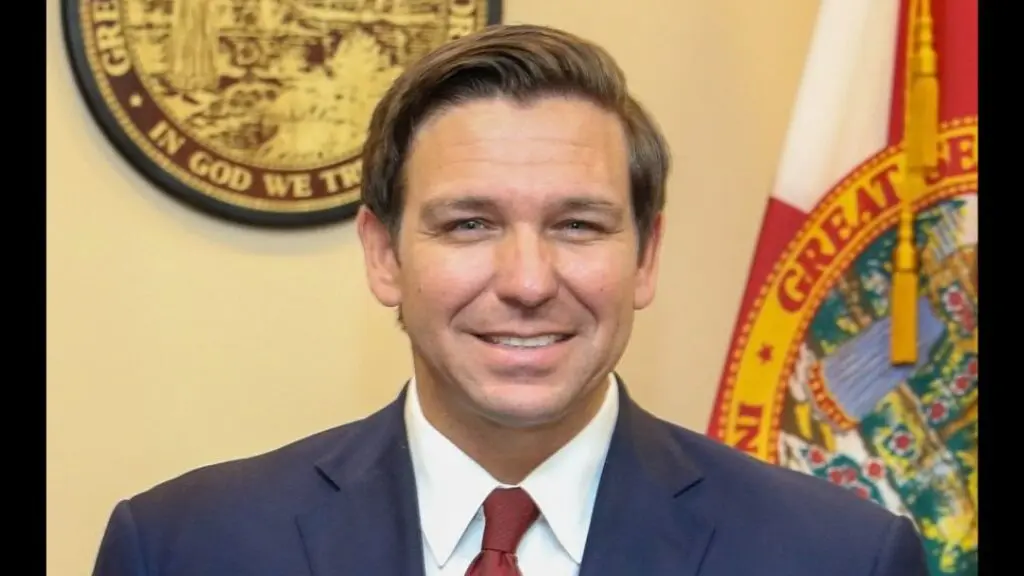
Governor Ron DeSantis framed the initiative as a direct fulfillment of the state’s commitment to supporting every corner of Florida, noting that geographical location should never dictate access to life-saving medical care.
"These investments in rural Florida will strengthen hospitals and clinics, expand the rural health care workforce, and help ensure Floridians can access high-quality care in their own communities," Governor Ron DeSantis stated during the funding announcement.
Senate President Ben Albritton, who has made rural health reform a cornerstone of his legislative agenda, emphasized that the $188 million rollout is merely the beginning of a much larger, multi-year vision for the state’s interior.

"These awards represent the first year of a five-year initiative expected to invest more than $1 billion in rural health care," Senate President Ben Albritton noted. He highlighted that the current funding seamlessly builds upon previous monumental efforts, such as the Live Healthy initiative and specialized Rural Renaissance legislation, creating a cohesive, long-term strategy for healthcare revitalization.
From an administrative execution standpoint, AHCA Secretary Shevaun Harris underscored the rigorous standards applied during the selection process, ensuring that taxpayer and federal dollars are channeled exclusively to organizations with proven operational capabilities.
"Recipients went through a competitive, merit-based review process and were required to demonstrate concrete, actionable plans for putting the funding to use in their communities," explained AHCA Secretary Shevaun Harris, emphasizing the accountability measures built into the grant disbursements.
Beyond the immediate medical benefits, economic development leaders have pointed to the profound commercial implications of stabilizing rural healthcare systems. Florida Secretary of Commerce J. Alex Kelly emphasized that health infrastructure is fundamentally tied to economic growth.
"These investments could also have a profound economic impact by strengthening rural communities and creating sustainable opportunities for local employers and workers," said Florida Secretary of Commerce J. Alex Kelly. Robust healthcare systems make rural counties more attractive to incoming businesses, manufacturing plants, and families, thereby reversing demographic decline and spurring local commerce.
Future Outlook: A Multi-Year Vision for Florida’s Heartland
As the initial wave of nearly $188 million begins to flow into the accounts of hospitals, clinics, and community organizations across Florida’s 31 rural counties, state officials are already looking toward the horizon. The rollout is structured not as a one-time financial band-aid, but as the inaugural phase of an unprecedented five-year financial commitment projected to pump upwards of $1 billion into rural health infrastructure.
Over the coming months and years, the AHCA, in coordination with legislative overseers, will utilize the newly established tracking and monitoring frameworks to evaluate the efficacy of each funded project. Key performance indicators will include reductions in preventable emergency room visits, increases in patient volume at rural clinics, growth in the rural medical workforce retention rate, and expanded utilization of telehealth services.
For the 1.2 million Floridians residing in the state’s rural heartland, these investments portend a transformative shift. By modernizing facilities, embracing technological innovations like telehealth and remote monitoring, and actively cultivating the next generation of rural physicians and nurses, Florida is constructing a resilient, future-proof healthcare safety net. As the five-year initiative unfolds, the state aims to serve as a national model for rural healthcare revitalization—proving that economic vitality and high-quality medical access belong to every resident, regardless of their zip code.
Detailed information regarding individual award recipients, specific grant amounts, and comprehensive project descriptions remains accessible to the public through the official portal of Florida’s Rural Health Transformation Program administered by the Agency for Health Care Administration.

0 Comments