

EXECUTIVE OVERVIEW
Federal health authorities have issued a nationwide urgent health advisory following a sharp, statistically significant increase in human exposures to rabies and rabid animals across the United States. The Centers for Disease Control and Prevention (CDC) formally released a Health Alert Network (HAN) Health Advisory in response to a wave of high-profile animal encounters, a surge in public health inquiries, and mounting clinical complications stemming from the administration of post-exposure prophylaxis (PEP).
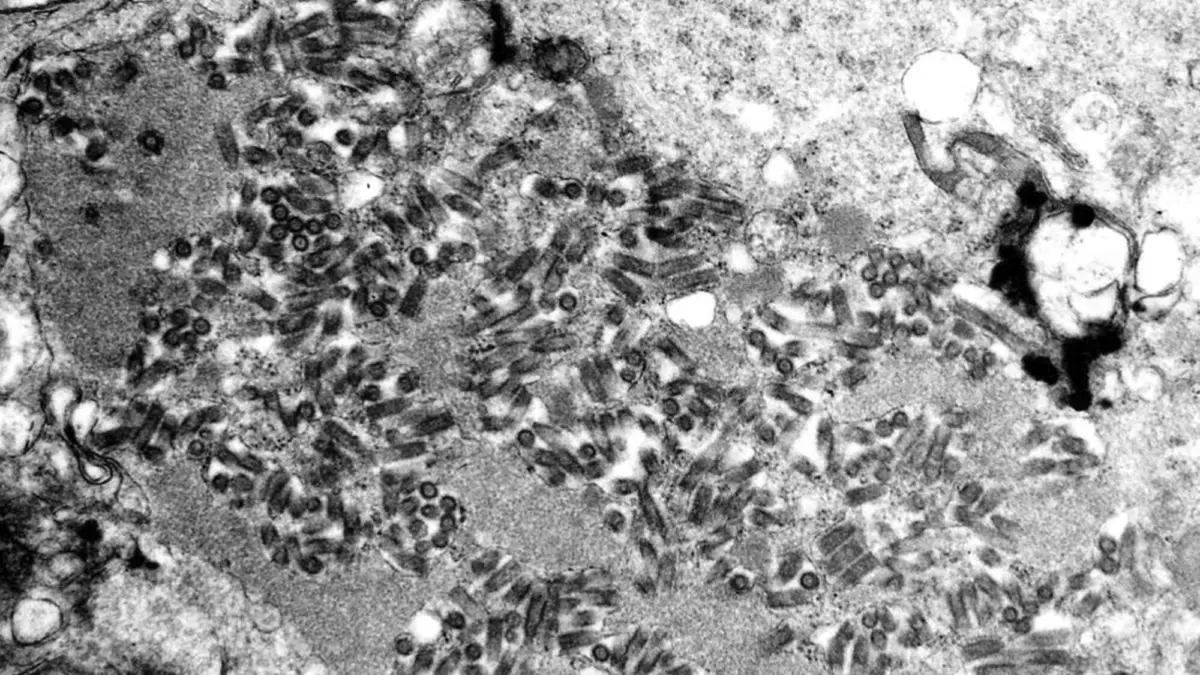
Rabies remains one of the most feared zoonotic diseases known to modern medicine. Caused by a neurotropic virus of the genus Lyssavirus, the disease attacks the central nervous system, ultimately resulting in inflammation of the brain and spinal cord. While it is virtually 100% fatal once clinical symptoms manifest, it is simultaneously 100% preventable—provided that exposed individuals receive timely, accurate, and properly administered post-exposure preventive care before symptoms begin.
However, the recent influx of cases has strained public health infrastructure. According to the CDC, rabies-related inquiries spiked by 17% during July and August compared to the same timeframe in previous years. More alarmingly, the agency has tracked a surge in "mass exposure" events, in which single vectors—ranging from domestic animals at public events to aggressive wildlife in state and national parks—have put dozens, and in some cases hundreds, of individuals at immediate risk.
Compounding the crisis is a parallel escalation in administrative and clinical errors surrounding the administration of rabies PEP. State health departments have reported a drastic rise in the usage of preventive therapies, including a 33% increase in specific rabies vaccine distributions and a staggering 76% surge in human rabies immunoglobulins. Amid this heavy clinical workload, healthcare providers have increasingly committed errors in patient evaluation, dosing, and schedule adherence. These mistakes not only expose patients to unnecessary medical procedures, avoidable adverse effects, and immense financial burdens—with a typical course of PEP treatment ranging between $11,000 and $14,000 per person—but also threaten to deplete the national supply of critical, lifesaving biologicals for those who genuinely need them.
DETAILED CHRONOLOGY: A SUMMER OF UNPRECEDENTED WILDLIFE ENCOUNTERS
The current national alarm is not born of a singular, isolated incident, but rather a chaotic summer marked by a series of extraordinary, high-risk wildlife interactions across multiple regions of the United States. These localized events highlight the unpredictable nature of wildlife-human interfaces and the profound public health challenges they present.
Late August: The North Carolina Petting Zoo Mass Exposure
One of the most extensive mass exposure events of the decade unfolded in late August at a mobile petting zoo in Iredell County, North Carolina. According to reports from the North Carolina State Laboratory of Public Health, nearly 300 individuals—including children and families—may have been exposed to the rabies virus after interacting with baby goats at the traveling exhibit.
Laboratory testing subsequently confirmed that three baby goats from the petting zoo were positive for rabies. A fourth goat, displaying compatible epidemiological links and symptoms, was presumed rabid despite not undergoing formal testing. The sheer volume of potential exposures triggered an immediate, large-scale public health mobilization, requiring local health departments to triage hundreds of panicked citizens, assess individual exposure risks, and rapidly distribute post-exposure prophylaxis to mitigate potential fatalities. The incident underscored the vulnerability of public agricultural exhibits and the critical need for rigorous veterinary oversight in interactive animal settings.
Early September: The New England Mystery Attacks
Simultaneously, communities in Lebanon, New Hampshire, were gripped by fear following a series of unprovoked and aggressive animal attacks. Over a compressed timeframe, at least three individuals were attacked by a mysterious, highly aggressive wild animal within residential and semi-rural areas.
Local witnesses and victims described the creature as exhibiting classic, frenzied neurological symptoms associated with the advanced stages of rabies, though conflicting descriptions from the scene left officials unable to definitively confirm the species. While some witnesses insisted the animal was a gray fox, others reported it to be a fisher—a large member of the mustelid family. The inability to capture or test the vector animal forced local healthcare providers to err on the side of caution, placing bite victims on rigorous, multi-dose PEP regimens while warning residents to remain vigilant against erratic wildlife.
August: State Park Beavers and National Park Bats
Water-based recreation and wilderness camping also proved hazardous over the summer months, yielding multiple confirmed rabies vectors in public recreational areas.
In Maryland, a large section of Cunningham Falls State Park was abruptly shut down in early August following a bizarre string of unprovoked beaver attacks. The closure was prompted when a 19-year-old fisherman was viciously attacked by a beaver that subsequently tested positive for the rabies virus. This marked the second such incident at the park within a span of weeks; on July 26, a 13-year-old swimmer had also been attacked by a beaver in the same park waters. That animal likewise tested positive for rabies, alarming state wildlife officials who noted that aquatic mammals rarely exhibit overt aggression toward humans unless severely compromised by central nervous system infections.
Meanwhile, federal land managers in the West faced their own scare. A dead bat discovered in a heavily trafficked campground at Curry Village within Yosemite National Park tested positive for the rabies virus. While National Park Service officials confirmed that there were no reported human contacts with the infected bat, the discovery served as a stark reminder of the ubiquity of rabies reservoirs in native bat populations, which represent the leading cause of human rabies deaths in the United States.
SUPPORTING CONTEXT AND METRICS: THE STRAIN ON PUBLIC HEALTH
The convergence of mass exposure events and localized wildlife attacks has translated directly into unprecedented demand for medical countermeasures. Data compiled by the CDC illustrates a dramatic upward trajectory in the consumption of rabies preventive treatments across the nation.
Escalating Utilization of Post-Exposure Prophylaxis (PEP)
By the end of the summer, at least eight state health departments formally notified the CDC of abnormal spikes in rabies PEP utilization. Quantitatively, the national health metrics reflect a profound acceleration in clinical demand:
- Rabies Vaccines: Utilization rates for specific rabies vaccines jumped by 33% in September compared to the same period in the previous year.
- Human Rabies Immunoglobulins (HRIG): The utilization of HRIG—a critical blood product administered alongside the initial vaccine dose to provide immediate, passive antibody protection while the patient mounts an active immune response—surged by an astounding 76%.
This sudden surge has placed immense logistical pressure on pharmaceutical supply chains and hospital emergency departments, many of which maintain limited stock of rabies biologicals due to their specialized nature and high unit costs.
The Financial and Clinical Toll of Treatment Errors
Compounding the supply strain is a troubling rise in administration errors by healthcare providers. The CDC’s Health Advisory highlights that clinicians are increasingly making mistakes during the risk-assessment phase and the subsequent execution of the PEP protocol.
Assessing whether a patient genuinely requires PEP demands meticulous epidemiological detective work. Clinicians must evaluate the species of the animal, the circumstances of the bite (provoked versus unprovoked), the availability of the animal for quarantine or laboratory testing, and the patient’s prior vaccination history. Errors in this evaluative phase frequently lead to missteps; for instance, the CDC noted instances where patients who had already received a pre-exposure rabies vaccination series were inappropriately administered costly doses of human rabies immunoglobulins, which are entirely unnecessary and potentially counterproductive for pre-vaccinated individuals.
These clinical lapses generate a cascade of negative consequences:
- Financial Burden: A complete course of rabies PEP—comprising a series of four vaccine injections administered over 14 days, paired with a weight-based dose of HRIG given on day zero—is notoriously expensive. Out-of-pocket costs and total billing charges typically range between $11,000 and $14,000 per person. Unnecessary treatments inflict severe, avoidable financial distress on patients and insurance systems alike.
- Adverse Clinical Effects: Inappropriate administration or unnecessary dosing exposes patients to avoidable side effects, ranging from localized injection-site pain, erythema, and swelling to systemic reactions such as headaches, nausea, and muscle aches.
- Supply Depletion: Every misallocated dose of vaccine or immunoglobulin depletes finite national stockpiles, risking shortages for individuals who have sustained verified, high-risk exposures to rabid animals.
OFFICIAL STATEMENTS AND CLINICAL GUIDANCE
In light of these compounding crises, the CDC has issued stern directives to both the medical community and the general public, emphasizing adherence to established clinical guidelines and rigorous wildlife avoidance protocols.
"Following rabies PEP administration guidance helps ensure that lifesaving vaccines are available for persons who need them and extraneous costs are avoided," the CDC stated in its official HAN advisory. The agency has urged emergency department physicians, primary care providers, and local public health departments to closely review national protocols—specifically those issued by the Advisory Committee on Immunization Practices (ACIP)—before initiating treatment regimens.
Public Health Recommendations for Exposure Prevention
To combat the rising tide of exposures, federal health officials have outlined clear preventative measures for individuals, pet owners, and communities:
- Avoid Wildlife: The public is strongly advised to maintain a safe distance from all wild animals, particularly raccoons, bats, skunks, foxes, and stray domestic animals.
- Never Approach Sick Animals: Any animal exhibiting unusual behavior—such as uncharacteristic tameness, nocturnal animals roaming in broad daylight, aggression, paralysis, or disorientation—should never be approached, touched, or fed. Suspected rabid wildlife should be immediately reported to local animal control or state wildlife agencies.
- Keep Pets Vaccinated: Domestic dogs, cats, and ferrets must be kept strictly up to date on their rabies vaccinations. Pet owners are encouraged to minimize their pets’ unsupervised exposure to wildlife by keeping them indoors or on leashes.
Immediate Protocol Following Potential Exposure
Should an individual or their domestic pet come into direct contact with a wild or unknown animal—particularly via a bite, scratch, or mucous membrane exposure to saliva—the CDC recommends taking immediate, decisive action:
- Immediate Wound Cleansing: Thoroughly and vigorously wash all bite wounds and scratches immediately with soap and copious amounts of water for at least 15 minutes. This simple mechanical and chemical cleansing step has been proven to drastically reduce the likelihood of rabies virus transmission.
- Seek Immediate Medical Evaluation: Consult a healthcare provider or local public health department immediately to evaluate the exposure risk and determine whether PEP is warranted.
- Capture the Animal Safely (If Feasible): If the animal can be safely captured or contained without risking further bites or destroying its head (which is required for laboratory brain tissue analysis), do so to allow for rabies testing. If the animal is a domestic dog, cat, or ferret, it may be possible to place it under a 10-day veterinary observation quarantine rather than initiating immediate treatment.
FUTURE OUTLOOK: A CALL FOR CLINCAL VIGILANCE AND PUBLIC AWARENESS
As the United States navigates the remainder of the year, the public health sector faces a critical juncture regarding rabies surveillance and management. The intersection of expanding human populations encroaching into wildlife habitats, the proliferation of interactive animal exhibits, and persistent gaps in clinical training regarding PEP administration creates a volatile environment for zoonotic disease transmission.
Moving forward, federal and state health agencies plan to ramp up educational initiatives targeting both frontline clinicians and the broader public. Emphasizing diagnostic precision in emergency rooms will be paramount to curbing unnecessary treatments and preserving the nation’s pharmaceutical reserves. Concurrently, public outreach campaigns will continue to stress the non-negotiable importance of routine veterinary vaccination for domestic animals, which serves as the primary firewall protecting human populations from sylvatic rabies reservoirs.
Ultimately, while the rabies virus remains an ancient and formidable adversary—deadly in its mechanics yet entirely manageable in its prevention—the current health advisory serves as a timely reminder that vigilance, education, and strict adherence to medical science are our most powerful defenses against a preventable tragedy.

0 Comments