For residents of the South Carolina Lowcountry, the psychological and physical journey northward along Interstate 26 is a well-worn migration path. Swapping the saltwater marshes and historic streetscapes of Charleston for the undulating, mist-shrouded summits of Western North Carolina is a seasonal ritual for many travelers seeking a dramatic topographical shift. In the late summer of 2026, Garden & Gun digital reporter Lindsey Liles traded her coastal routines for a protracted, thirty-day residency in the quirky, culturally dynamic enclave of West Asheville.
Rather than treating the region as a fleeting weekend escape, this monthlong immersion afforded a granular look at the "Land of the Sky"—a moniker earned by Asheville’s mile-high mountain air and sprawling panoramas. The resulting dispatch offers an authoritative guide to the city’s post-reconstruction hospitality landscape, its hyper-seasonal culinary vanguard, its vibrant artistic communities within the River Arts District, and the raw, biodiversity-rich topography of the Southern Appalachian range.
From sustainable fine-dining establishments operating in century-old structures to off-grid ecological cabins and historic boutique hotels, Asheville remains a living masterclass in regional identity. This report synthesizes Liles’s monthlong field notes into a comprehensive blueprint for travelers looking to navigate the region’s distinct neighborhoods, culinary flagships, and wilderness corridors.
Detailed Chronology: Establishing a Mountain Routine
Settling into West Asheville required adapting to a deliberate, neighborhood-centric rhythm. Over the course of four weeks, daily habits formed organically around the local purveyors who anchor the district’s creative economy.
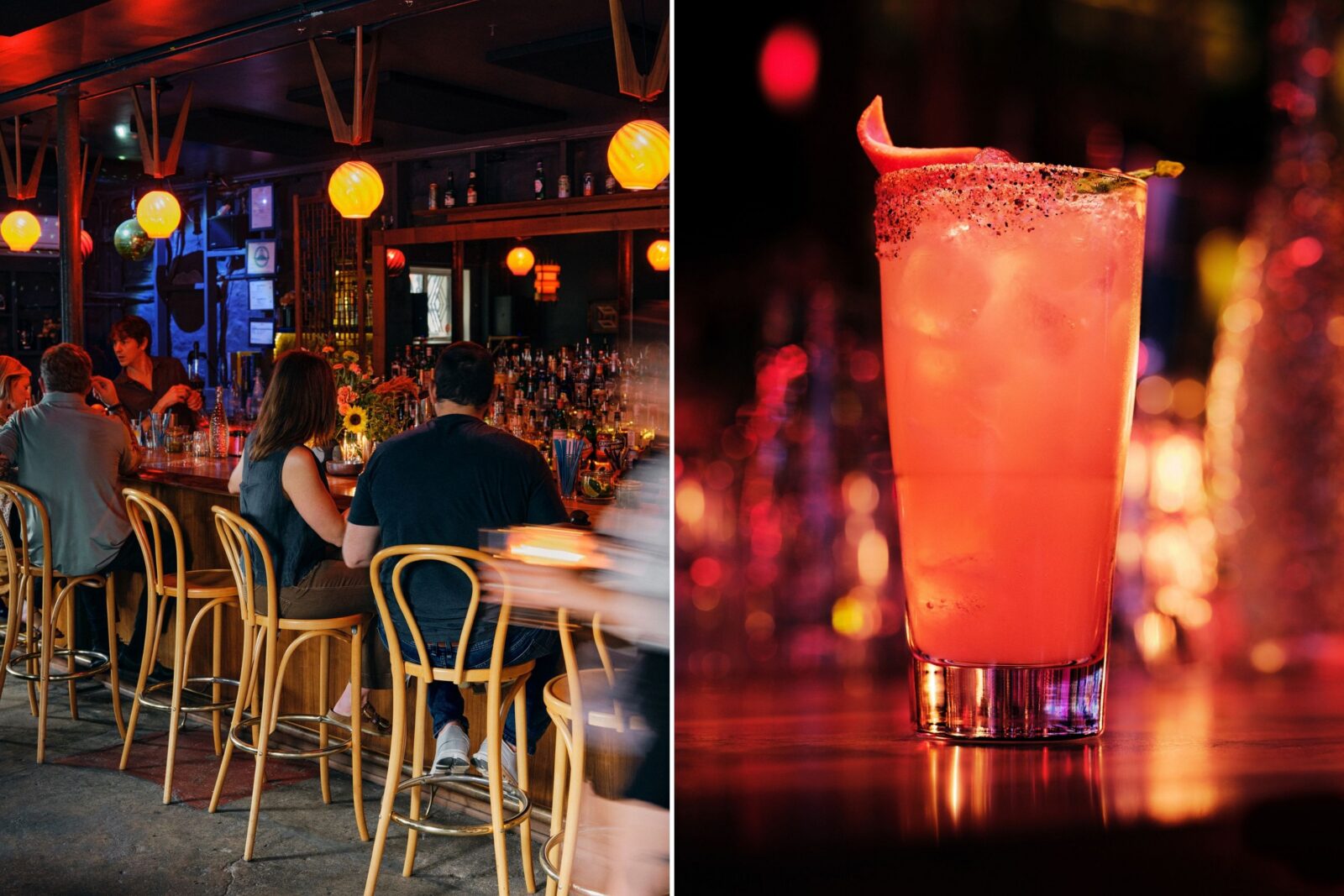
Mornings consistently began at Rowan, a spacious and airy neighborhood roastery known for its precise extraction and inventive breakfast programming, notably its loaded seasonal toasts. As the afternoon transitioned into evening, the neighborhood’s social fabric revealed itself at Pink Moon, a candlelit, largely open-air speakeasy where patrons routinely gather for a pre-dinner pour of Spanish vermouth.
Dinners throughout the month reflected Asheville’s culinary dexterity. Options ranged from the crunchy, herbaceous salad bowls at Botiwalla—the casual street-food sibling to the celebrated Chai Pani—to wood-fired artisanal pizzas from the mobile kitchen Kenny’s Pizza, complemented by house-made ranch and a charred cabbage Caesar salad.
The Evolution of a Monthlong Itinerary
Weeks 1–2 (Acclimation & Neighborhood Integration): Establishing a home base in West Asheville; mapping out local coffee roasteries, neighborhood bars, and casual dining hubs.
Week 3 (Culinary & Retail Deep Dive): Venturing downtown and into the River Arts District to explore high-end dining institutions, historic boutique properties, and independent ceramics studios.
Week 4 (Wilderness Immersion & Extended Roaming): Dedicating final days to high-elevation hiking trails, Blue Ridge Parkway overlooks, and sunset ascents along the Art Loeb Trail.
Supporting Context & Metrics: Where to Stay, Sip, and Savor
Navigating Asheville requires understanding its distinct architectural and geographical zones. The city offers lodging and dining infrastructure that spans centuries of regional history.
Settle: Accommodations for Every Traveler
Whether seeking century-old opulence or secluded off-grid cabins, Asheville’s hospitality portfolio balances heritage preservation with modern design.
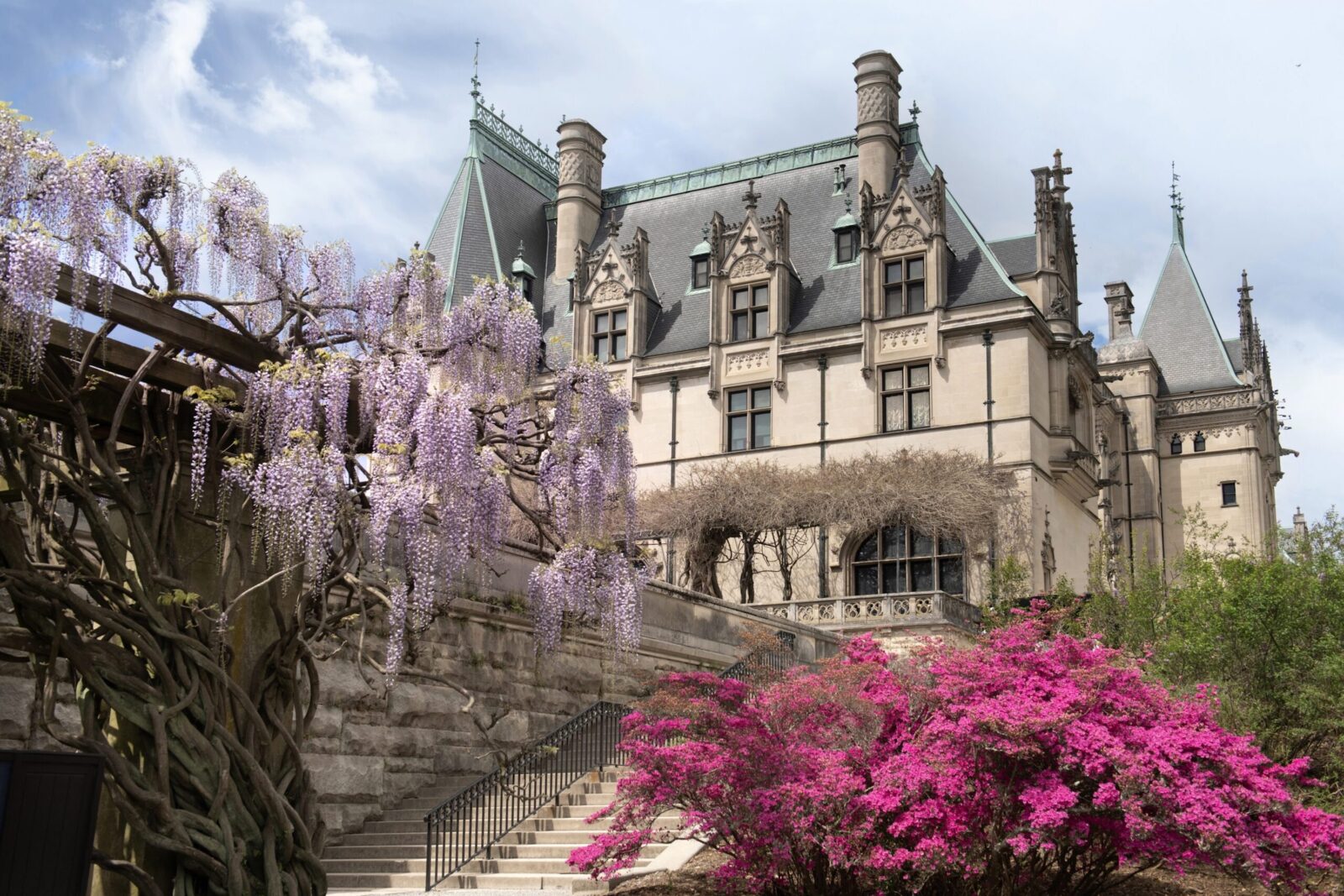
The Biltmore Estate: The gold standard for historical luxury. Beyond the 8,000-acre estate’s architectural grandeur, visitors are granted access to meticulously maintained formal gardens and sweeping valley vistas.
Omni Grove Park Inn: A historic, Arts-and-Crafts-style masterpiece built from native granite boulders. Famed for its subterranean spa and expansive Great Hall, it remains a beloved local sanctuary for fireside cocktails and massages.
The Flat Iron Hotel: Centrally located in downtown Asheville, this property offers walkability to the city’s urban core and houses the acclaimed restaurant Luminosa.
Zelda Dearest: A boutique hotel comprising four interconnected 19th-century buildings slated for demolition before being rescued and transformed into a twenty-room homage to the Roaring Twenties.
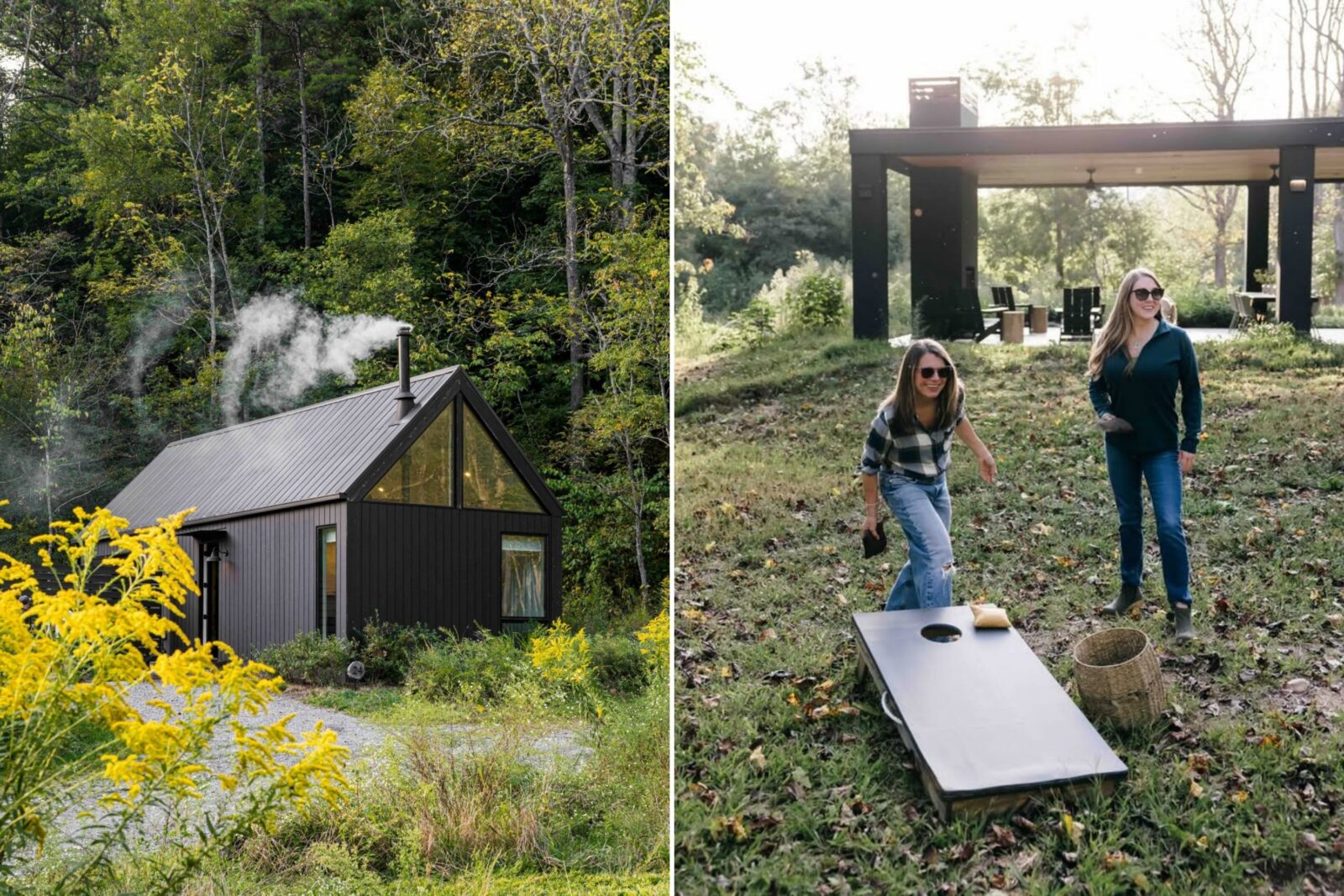
Firelight at Shope Creek: Situated twenty minutes from downtown near the Blue Ridge Parkway, this 22-acre sanctuary features eight modern cabins, private hiking trails, communal fire pits, on-site laying hens, and organic garden plots.
Snack: A Hyper-Seasonal Gastronomic Landscape
Asheville’s dining scene is defined by its deep relationships with regional farmers, utilizing the biodiverse bounty of the surrounding mountains.
The Market Place: Operated by James Beard-nominated chef William Dissen, this downtown institution delivers inventive Appalachian fare, such as mountain trout paired with beetroot, strawberry, and caviar, alongside seasonal staples like heirloom tomato pie.
Luminosa: Emphasizing hyper-local sourcing and sustainability, the menu features creative plates including smoked corn cannelloni and bone marrow Tater Tots.
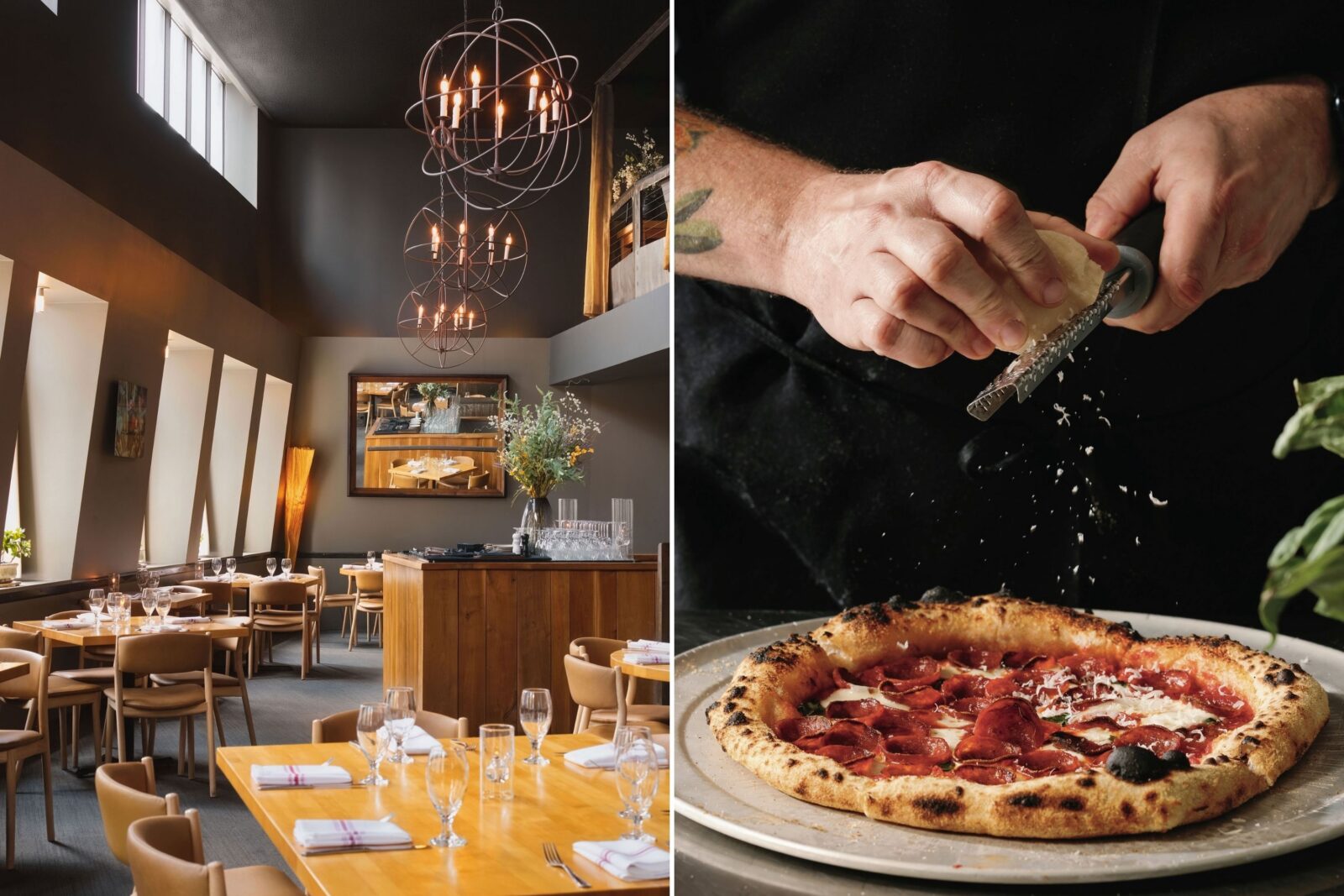
Piccolina: Located in the River Arts District, this intimate eatery has generated significant critical acclaim for its piled-high Italian sandwiches and Neapolitan-style pizzas.
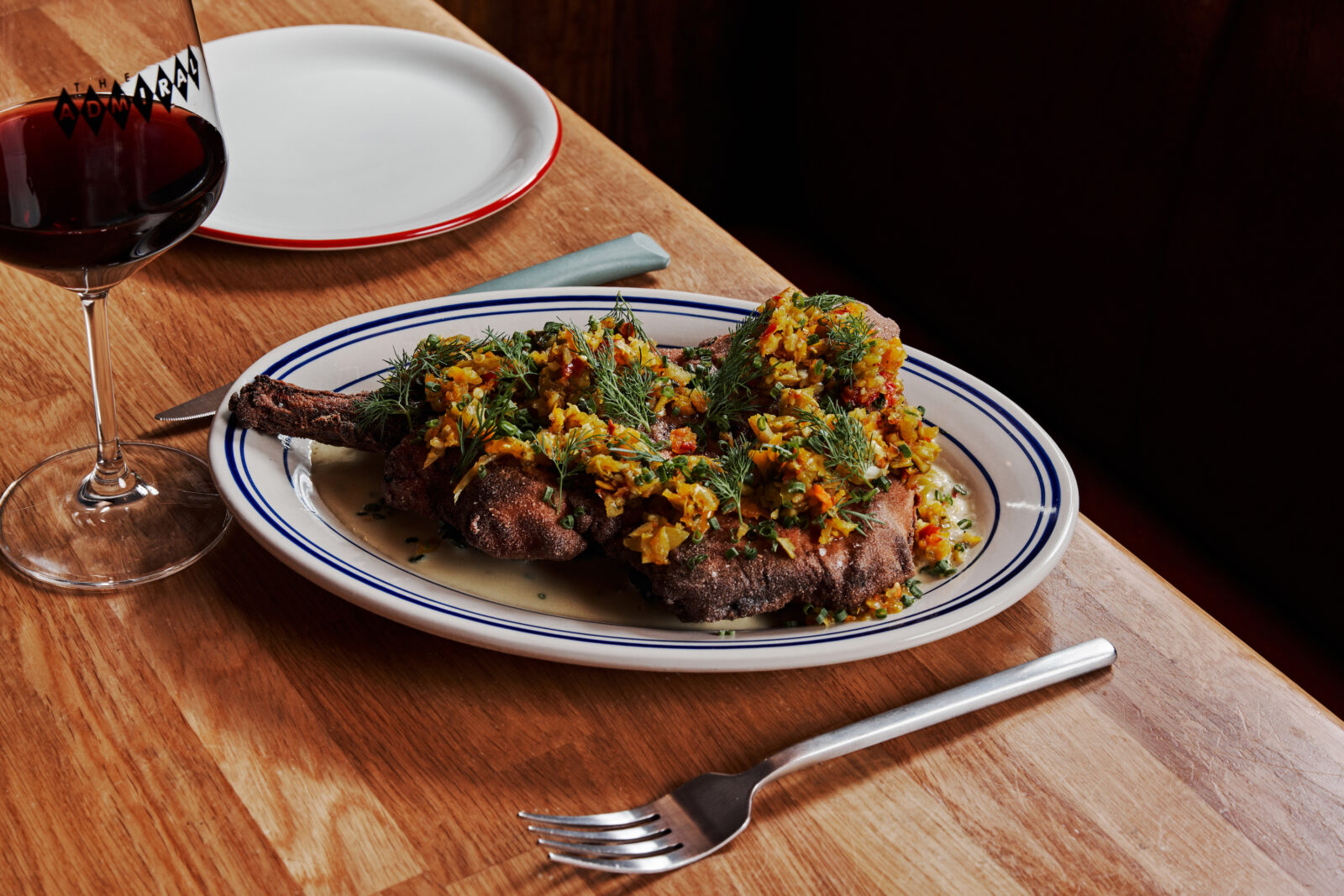
Leo’s House of Thirst & The Admiral: West Asheville mainstays operated by the same ownership team. Leo’s specializes in biodynamic wine pairings and tuna carpaccio, while The Admiral serves unforgettable butter-grilled focaccia designed to anchor a menu of bold, unpredictable proteins.
Neng Jr.’s: Chef Silver Iocovozzi marries traditional Appalachian ingredients with Filipino culinary techniques. A seat at the bar offers a front-row view of the open kitchen, where dishes like adobo-spiced oysters with tucked quail eggs showcase cross-cultural mastery.
Sip: From Speakeasies to Historic Breweries
Beverage culture in Asheville is as varied as its topography, ranging from craft cocktails in hidden dens to century-old brewing traditions.
Crucible & The Crow and Quill: Moody, atmospheric cocktail bars in the River Arts District and downtown, respectively, offering expertly crafted potables and vintage, literary-inspired interiors.
ANOCHE: A mezcal and tequila haven in the River Arts District providing curated agave flights and impeccably balanced craft cocktails.
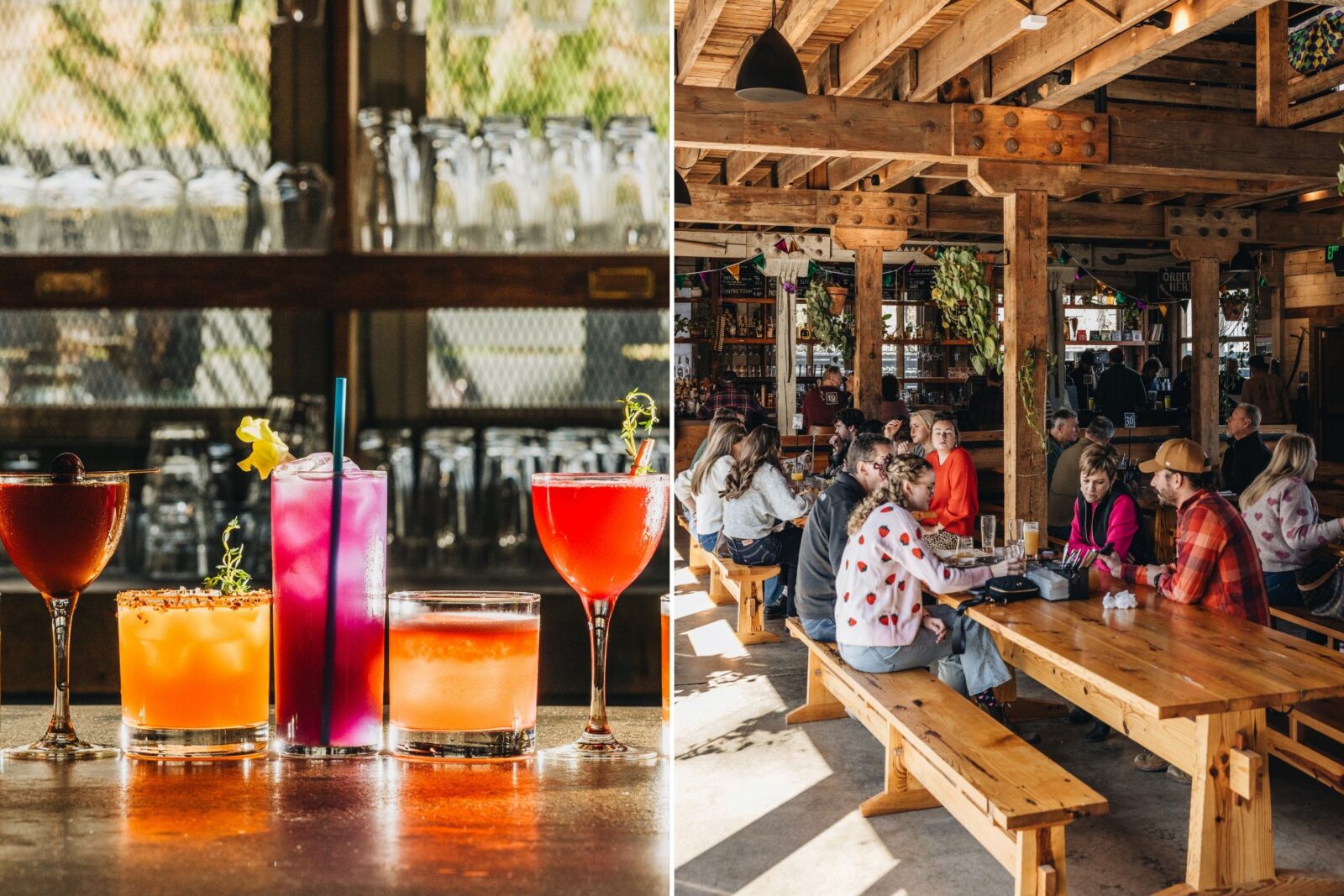
Burial Beer Co.’s Forestry Camp: Housed in a historic Civilian Conservation Corps camp, this expansive outdoor venue offers rustic seating, farm-to-table small bites, and an exceptional tap list that pays homage to Asheville’s craft beer legacy.
Ontos: A newly opened Greek-inspired natural wine bar founded by industry veterans, adding to the city’s burgeoning reputation as a destination for low-intervention wines.
Shop: Ceramics, Literature, and Artisan Collectives
The city’s retail ecosystem heavily emphasizes hand-crafted goods, local print culture, and fine art.
Battery Park Book Exchange & Champagne Bar: An expansive antiquarian bookstore where patrons can browse rare editions while sipping sparkling wine.
East Fork Pottery: A renowned ceramics brand crafting minimalist, earth-toned tableware just up the road from downtown.
The River Arts District (RAD): A mile-long stretch along the French Broad River housing hundreds of working artists. Venues like Marquee (a 50,000-square-foot antique and artisan collective) and the Odyssey Center for Ceramic Arts serve as essential anchor points for collectors and casual browsers alike.
Official Statements and Local Insights
The vitality of Asheville’s post-reconstruction and post-storm cultural landscape is sustained by the community’s resilience and collaborative spirit. Local artisans, restaurateurs, and hospitality groups emphasize the importance of regional sourcing and ecological preservation.
"When visitors come to the Blue Ridge, they aren’t just consuming food or lodging; they are participating in a localized ecosystem that honors the history of the land, the crops we pull from the soil, and the heritage crafts passed down through generations." — Regional Hospitality Coalition Statement
Culinary leaders like William Dissen of The Market Place have long championed farm-to-table integrity as a non-negotiable standard for the region. Similarly, hospitality developers behind projects like Zelda Dearest and Firelight at Shope Creek underscore a shared commitment to architectural preservation and low-impact ecotourism, ensuring that the influx of travelers safeguards the natural assets that draw them to the mountains in the first place.
Future Outlook: Protecting and Promoting the "Land of the Sky"
As Asheville continues to solidify its status as the cultural and culinary capital of the Southern Appalachian region, the imperative moving forward lies in balancing accessibility with sustainable growth. The city’s recent infrastructure adaptations—particularly within creative enclaves like the River Arts District—demonstrate a remarkable resilience in the face of environmental challenges.
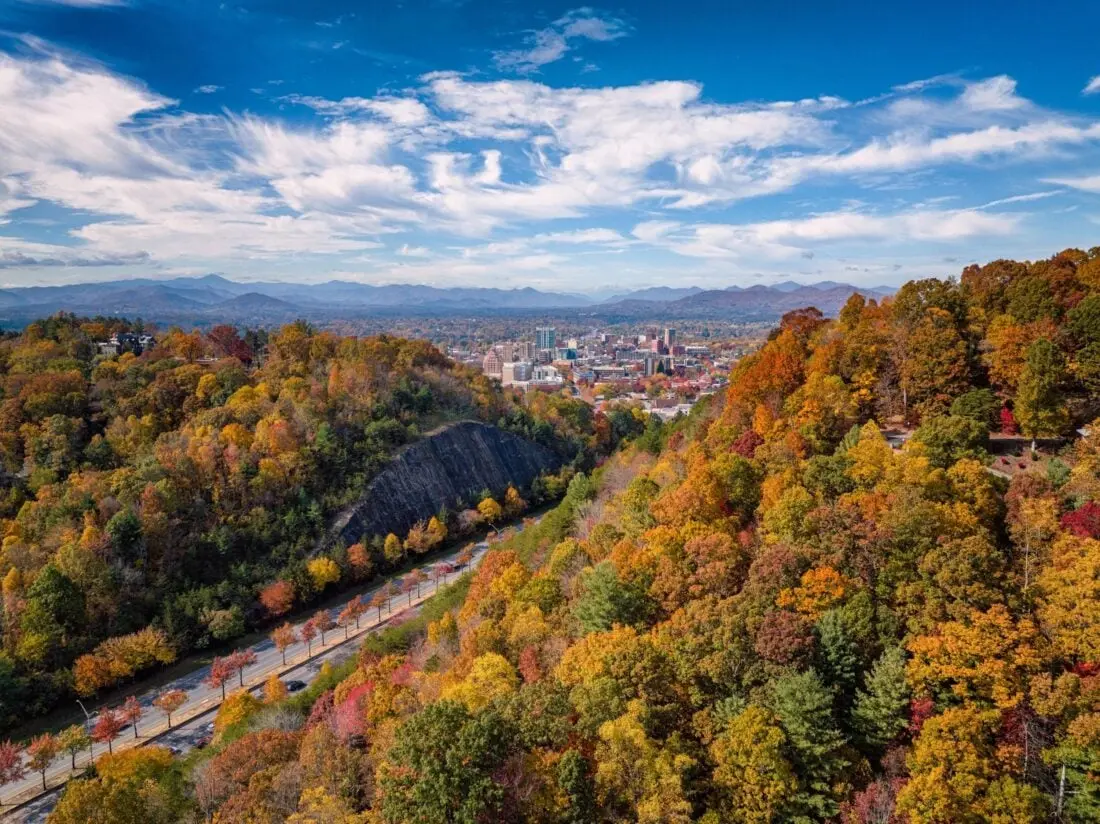
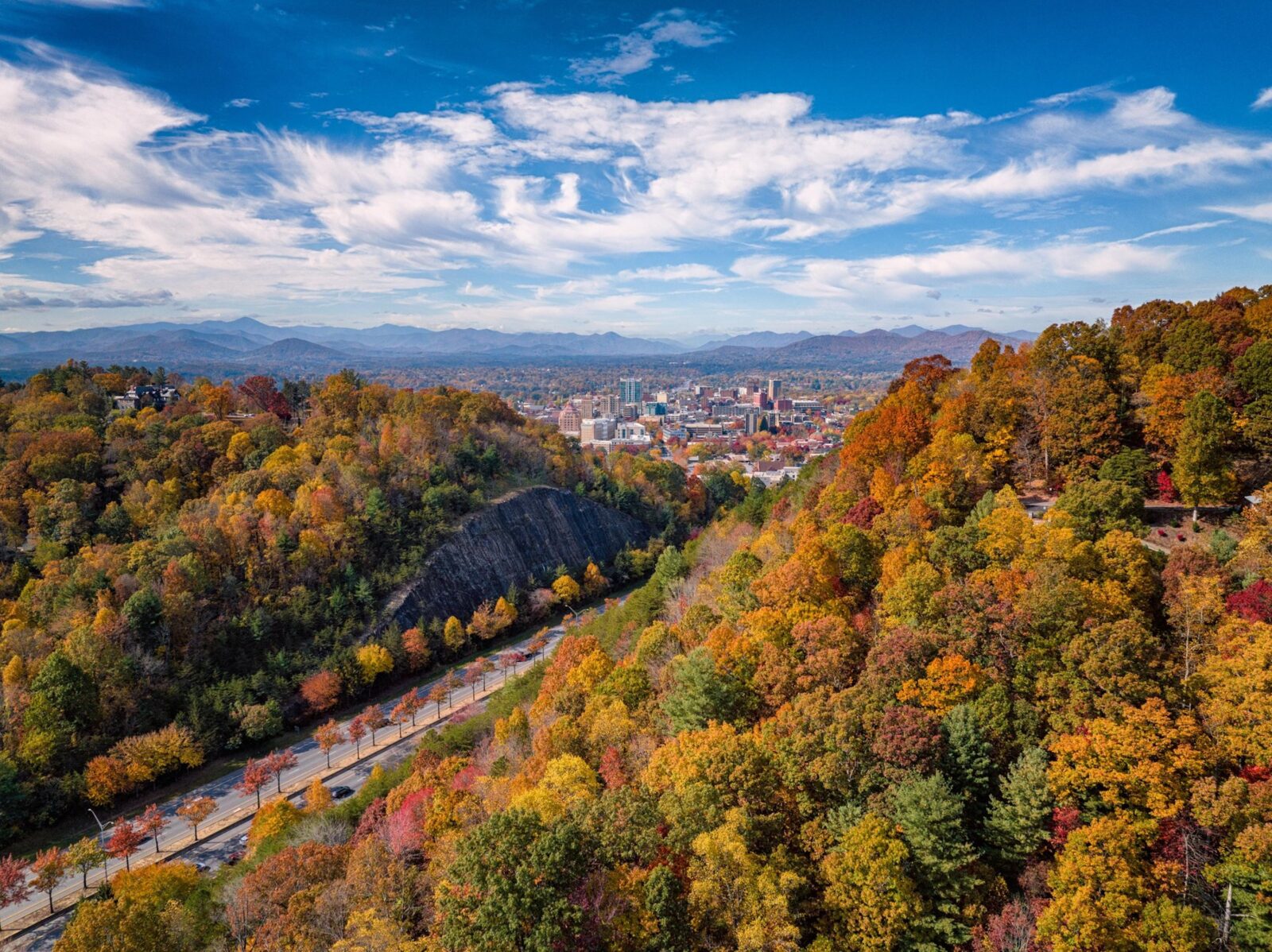
For travelers planning future excursions, the seasonal shift remains the primary catalyst. While autumn brings world-renowned foliage along the Blue Ridge Parkway, and summer offers relief from coastal humidity in high-elevation canopies, the true takeaway from a monthlong immersion is the necessity of slowing down.
Future infrastructural projects are slated to further connect downtown pedestrian corridors with the French Broad River greenways, enhancing non-motorized access to art studios and natural reserves. Ultimately, as Liles noted upon watching the sun dip below the blue-tinged ridges from Black Balsam Knob, Asheville is not a destination meant to be checked off a hurried itinerary. It is a recurring pilgrimage—one that will undoubtedly draw coastal residents back across the mountain passes for decades to come.




0 Comments