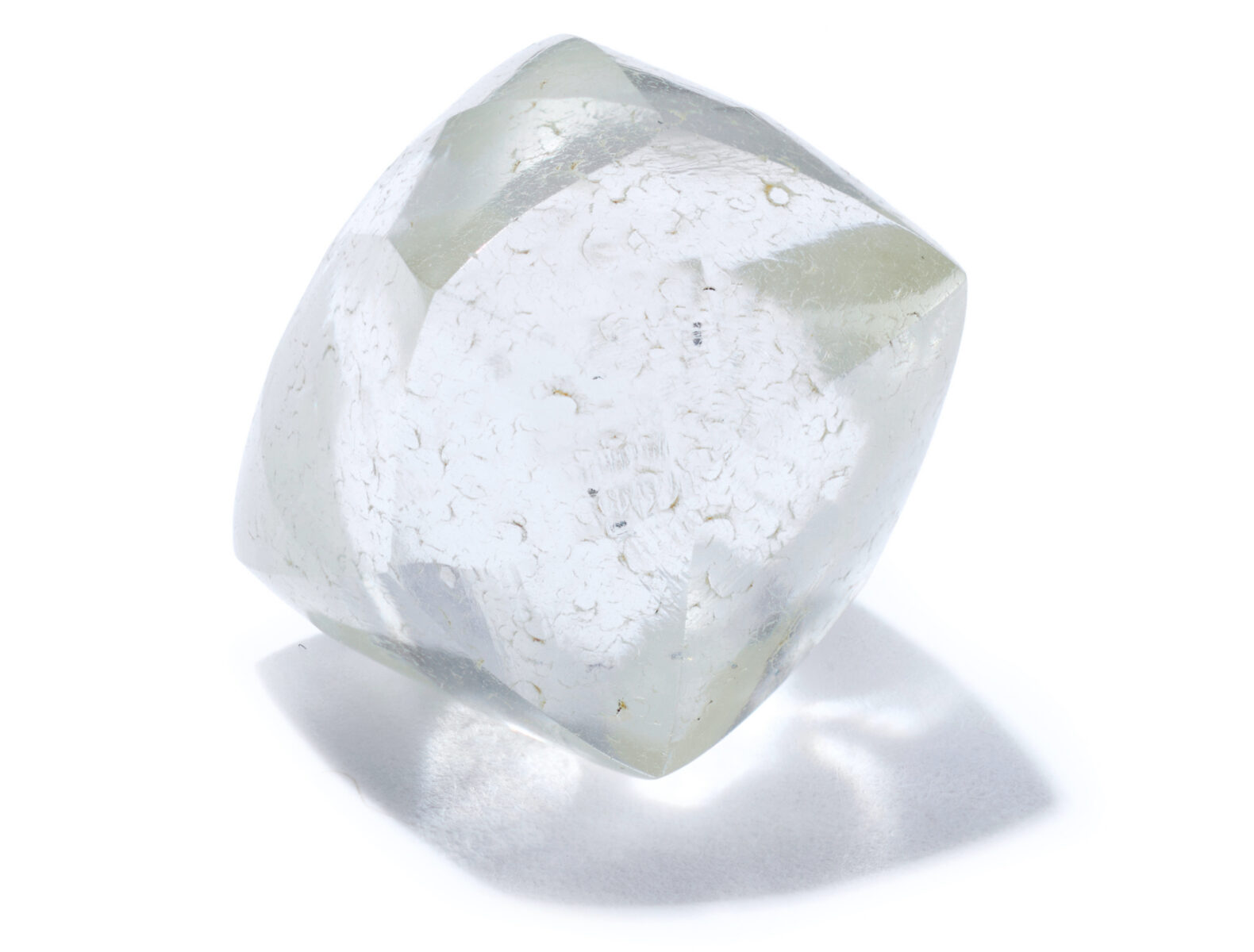
For a century, one of the most magnificent diamonds ever unearthed on American soil has rested quietly in the climate-controlled vaults of the Tiffany Archives in New York City. Discovered in 1926 by an eleven-year-old girl in Searcy, Arkansas, the colossal 27.21-carat gemstone—infamously known as the "Arkansas Diamond"—has finally returned home.
This historic homecoming anchors Nature Adorned: The Artistry of Tiffany & Co. and the American Imagination, a landmark exhibition currently on view at the Crystal Bridges Museum of American Art in Bentonville, Arkansas. Running through March 29, 2027, the exhibition brings together rare natural diamonds, legendary jewelry designs from the Tiffany Archives, and masterworks of American painting and sculpture from Crystal Bridges’ permanent collection.
By juxtaposing haute horology and jeweler’s art with fine art masterpieces, Nature Adorned interrogates how the natural world has catalyzed human ingenuity across generations. Curated by Jen Padgett, the exhibition establishes a compelling dialogue between two-dimensional canvases and three-dimensional ornamentation, revealing the shared inspirations of painters, gemologists, and visionary designers. Through this sweeping curation, Crystal Bridges not only celebrates the deep-rooted geological history of the Natural State but also repositions Arkansas at the epicenter of America’s gemological narrative.
Detailed Chronology: A Geological and Cultural Timeline
To fully understand the gravity of the exhibition, one must look back millions of years and trace the intersecting histories of Arkansas geology, American amateur prospecting, and the rise of Tiffany & Co. as an arbiter of luxury.
Prehistoric Origins (Approx. 100 Million Years Ago)
Deep beneath the surface of what would become the state of Arkansas, a volatile volcanic event—specifically, a rare type of volcanic pipe known as a lamproite pipe—pushed molten rock and mantle-borne treasures upward from the earth’s core. Among the materials forced to the surface were billions of carbon crystals forged under intense heat and pressure: diamonds. For eons, these mineral deposits lay dormant in the rolling topography of Pike County and surrounding regions.
The Spark of Discovery (1906)
Arkansas’s sparkling legacy was officially ignited when an unsuspecting farmer working his land in Pike County uncovered the first authenticated diamond in the state. This accidental find triggered an immediate rush of prospectors and geologists, transforming a quiet southern landscape into the only active diamond-producing region in North America.
The Discovery of the Titan (1926)
Twenty years after the initial discovery, the legend of Arkansas diamonds cemented itself in national lore. In Searcy, Arkansas, an eleven-year-old girl stumbled upon a rough diamond of staggering proportions. Weighing an astonishing 27.21 carats, the stone was immediately recognized as one of the largest and most pristine gem-quality diamonds ever discovered within the borders of the United States. Recognizing its historic significance, the luxury house Tiffany & Co. acquired the stone, transporting it to Manhattan where it became a cornerstone of the company’s private historical archives.
The Modern Homecoming (October 2026 – March 2027)
Nearly a century after its departure, the 27.21-carat Arkansas Diamond has traveled back to its home state. It now serves as the crown jewel of the Nature Adorned exhibition at Crystal Bridges Museum of American Art. Accompanied by two other notable diamonds discovered locally, the stone is displayed in an unprecedented context that marries regional geology with world-class fine art.
Supporting Context & Metrics: The Artistry of Nature and Design
Nature Adorned is built upon a sophisticated framework of visual pairings, connecting physical minerals and high-fashion jewelry with iconic American paintings. The exhibition challenges visitors to look past the superficial boundaries separating "fine art" and "applied decorative arts."
Botanical Precision and Organic Forms
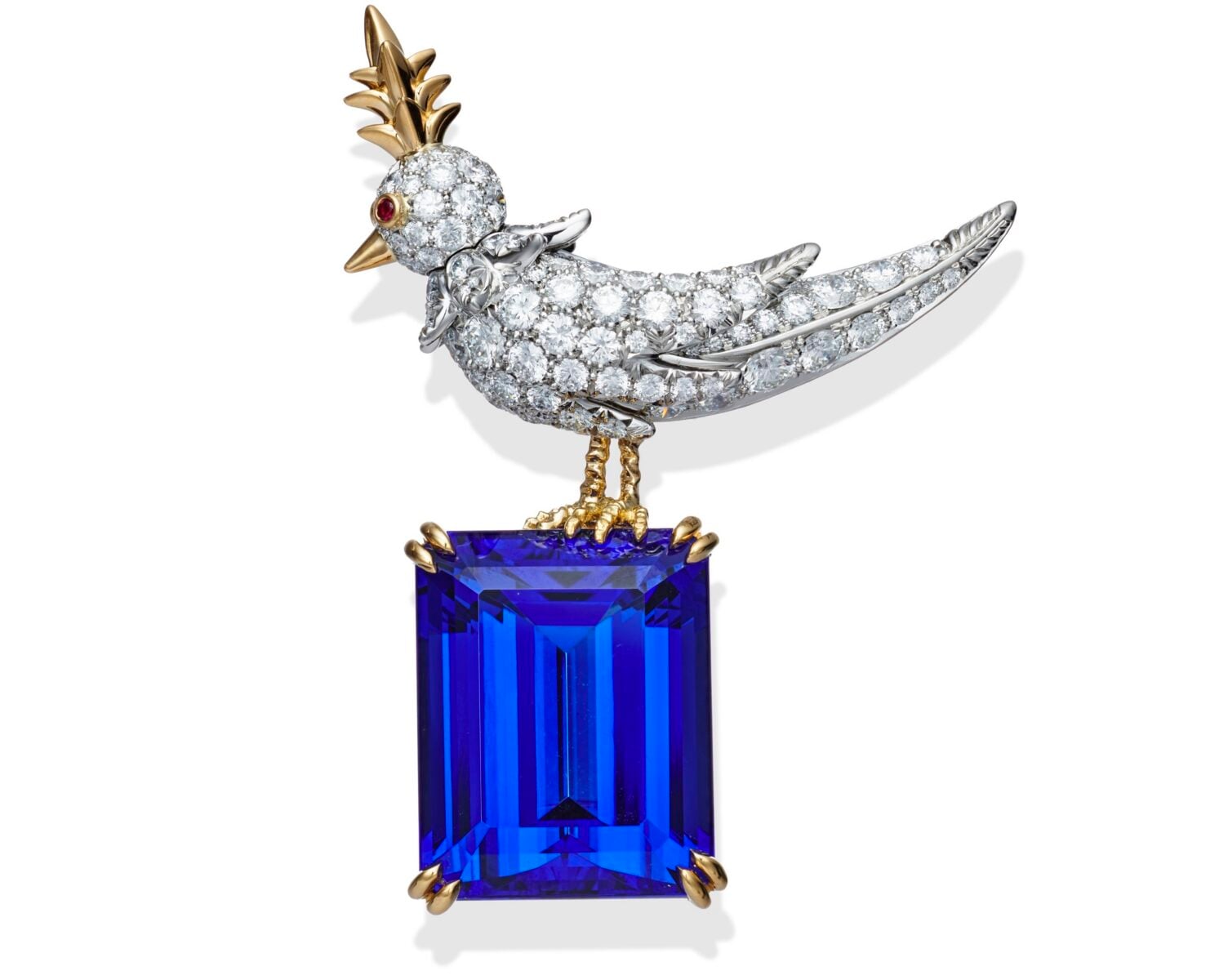
Among the standout pairings in the galleries are the creations of French designer Jean Schlumberger for Tiffany & Co., displayed alongside Hope Gangloff’s contemporary painting Queen Jane Approximately. Both works explore the fluidity and vitality of organic forms, translating the unpredictable geometry of the natural world into structured, visually arresting compositions.
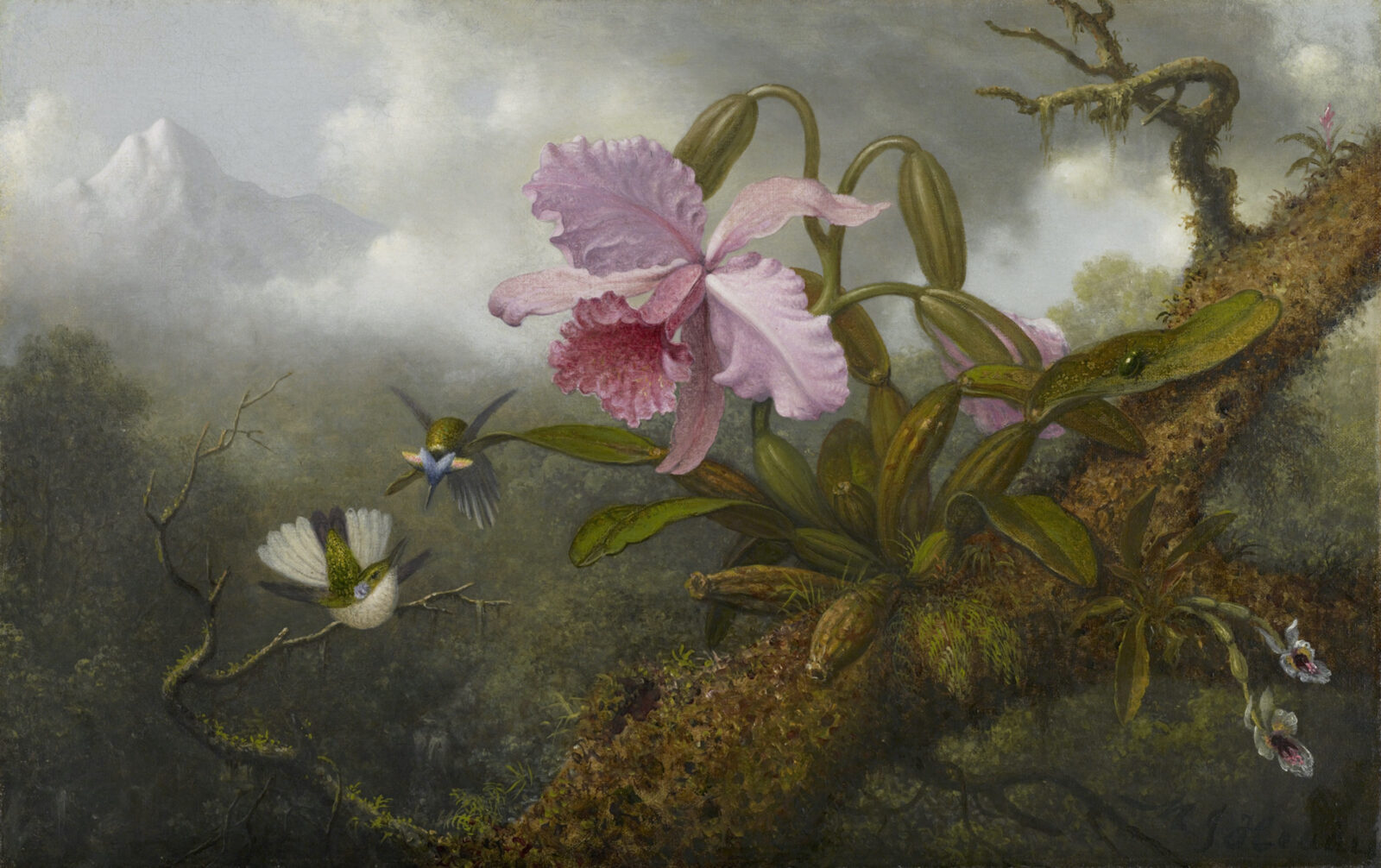
Similarly, the exhibition highlights the extraordinary Tiger Orchid Brooch, designed by George Paulding Farnham for Tiffany & Co. in the late 19th century. Crafted from sterling silver, diamonds, emeralds, pink sapphires, and intricate enamel, the brooch captures the hyper-realistic morphology of an orchid in full bloom. Nearby, Martin Johnson Heade’s late-19th-century oil painting, Cattleya Orchid, Two Hummingbirds and a Beetle, provides a breathtaking painterly counterpart. Heade, renowned for his botanical and avian studies, captures the same tropical vibrancy and light play that Farnham immortalized in precious metals and gemstones.
The Light of the "Tiffany Girls"
The exhibition also pays homage to the unsung geniuses of the American Arts and Crafts movement. Clara Driscoll, who famously led the groundbreaking "Tiffany Girls" glass-cutting department at Tiffany Studios, is represented by her masterful Wisteria Table Lamp (circa 1905–1906). The lamp’s cascading, tree-like glass canopy is presented in artistic conversation with George Inness’s 1867 luminous landscape painting, Sunset on a River. Both works serve as profound meditations on illumination, demonstrating how artists harness color and light to evoke the atmosphere of the natural environment.
Abstract Geometries and Raw Minerals
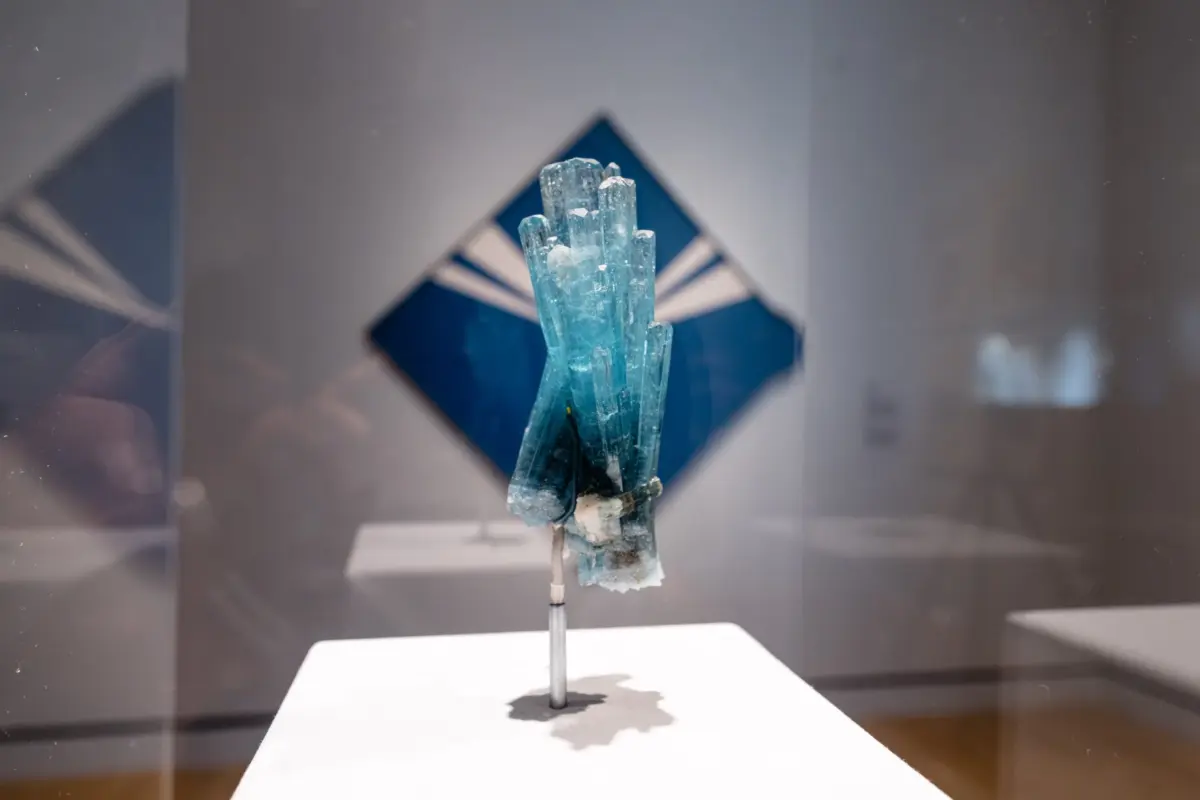
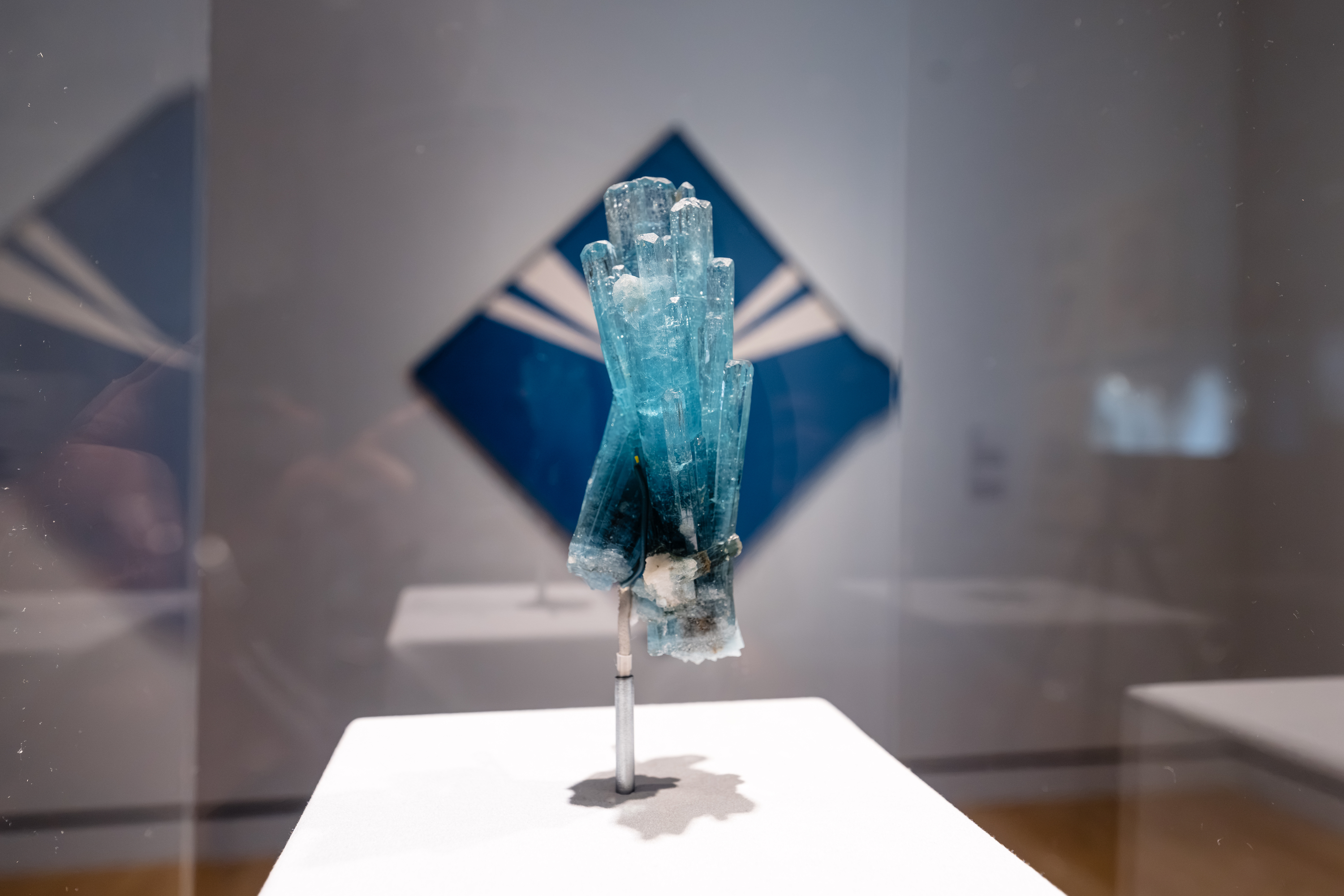
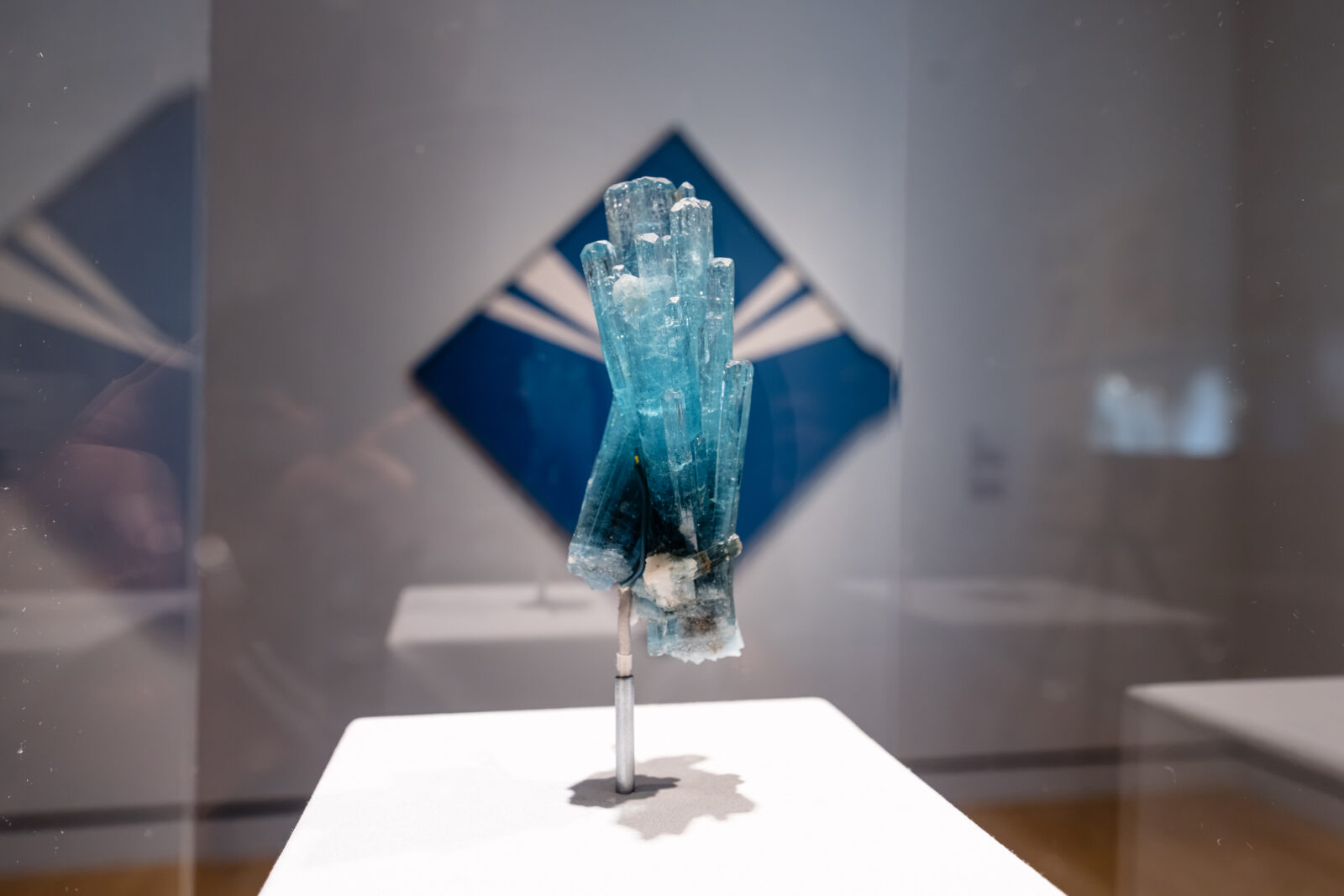
The exhibition extends its thematic scope into mid-century abstraction and raw geology. Raw specimens from the Crystal Bridges permanent collection—including deep-blue iron-infused beryl and a soaring, nearly four-inch-tall quartz crystal—sit in stark, beautiful contrast to Carmen Herrera’s 1965 minimalist abstract painting, Cerulean. Herrera’s geometric exploration of the color blue and spatial cuts transforms a simple canvas square into a diamond shape, brilliantly echoing the multifaceted crystalline structures nearby.
Official Statements and Curator Insights
The conceptual depth of Nature Adorned relies heavily on the curatorial vision of Jen Padgett, whose meticulous pairings bring fresh perspectives to both the Tiffany Archives and the Crystal Bridges permanent collection.
"Having the diamonds here allows us to highlight Arkansas’s natural resources," says Jen Padgett, curator of the exhibition, "and bring attention to the state’s unique place in the story of American gems."
Padgett emphasizes that the overarching goal of the exhibition is to break down artificial barriers between fine art and craftsmanship.
"The pairings across the Tiffany Archives and Crystal Bridges help us to see both collections in a new light," Padgett explains. "Comparing how artists draw inspiration from nature—whether depicting an orchid in a painting or transforming its form into a brooch—allows us to appreciate their ingenuity and imagination."
Furthermore, the exhibition underscores Arkansas’s ongoing, democratic relationship with gemology. Unlike commercial diamond mines across the globe that remain closed to the public, Arkansas houses the Crater of Diamonds State Park in Murfreesboro. It stands as the only place in the United States where amateur prospectors can search the soil and legally keep whatever diamonds they happen to find.
"The Arkansas Diamond is a centerpiece in the show, alongside two notable diamonds found at Crater of Diamonds State Park," notes Padgett. This inclusion bridges the gap between elite institutional collections and the populist thrill of discovery that defines the Natural State.
Future Outlook: Legacy and Cultural Impact
As Nature Adorned: The Artistry of Tiffany & Co. and the American Imagination welcomes visitors through the end of March 2027, its broader cultural legacy is already coming into focus. By repatriating foundational historical artifacts like the 27.21-carat Arkansas Diamond, institutions like Crystal Bridges are redefining the geographical centers of gravity for American art and material culture.
The exhibition proves that regional institutions can successfully host world-class collaborations, pulling from premier international archives while maintaining a deep, localized reverence for the land. For the thousands of visitors expected to walk through the Bentonville galleries over the coming months, the experience offers more than just a glimpse of glittering stones and master paintings. It serves as a reminder that the impulse to create—whether through a master painter’s brushstrokes, a lapidary’s precision cut, or a curious child unearthing a sparkling stone in a muddy field—is an enduring, universal facet of the human condition.




0 Comments