For the discerning outdoor enthusiast, the American West and its northern fringes represent the pinnacle of traditional sporting life. From the technical, high-stakes dry-fly waters of the Idaho snake river tributaries to the upland bird sanctuaries of the Oregon high desert, a new benchmark has been established for luxury adventure travel. Modern sporting lodges have evolved beyond rustic bunkhouses into sophisticated sanctuaries that seamlessly merge world-class access to pristine wilderness with Michelin-grade culinary programs, architectural design, and deeply personal guiding services.
Compiled by veteran angling and hunting experts—featuring insights from Kirk Deeter, Kim Cross, Nick Roberts, and Jeff Hull—this definitive roster highlights the finest elite stays and outfitters for peak fly fishing and wing shooting. Whether chasing notoriously wily rainbow trout on the Henry’s Fork, harvesting trophy sockeye in the remote tundra of Bristol Bay, or completing the grand slam of upland bird hunting in the Pacific Northwest, these destinations offer an intoxicating blend of adrenaline, solitude, and unmatched hospitality.
Detailed Chronology: A Season of High Adventure
The sporting calendar dictates an intentional rhythm of migration, hatches, and seasonal shifts. Understanding this chronology is essential for booking the ultimate journey through the Rockies, the Pacific Northwest, and into the Canadian prairies.
Spring: The Awakening of Tailwaters and Early Hatch Cycles
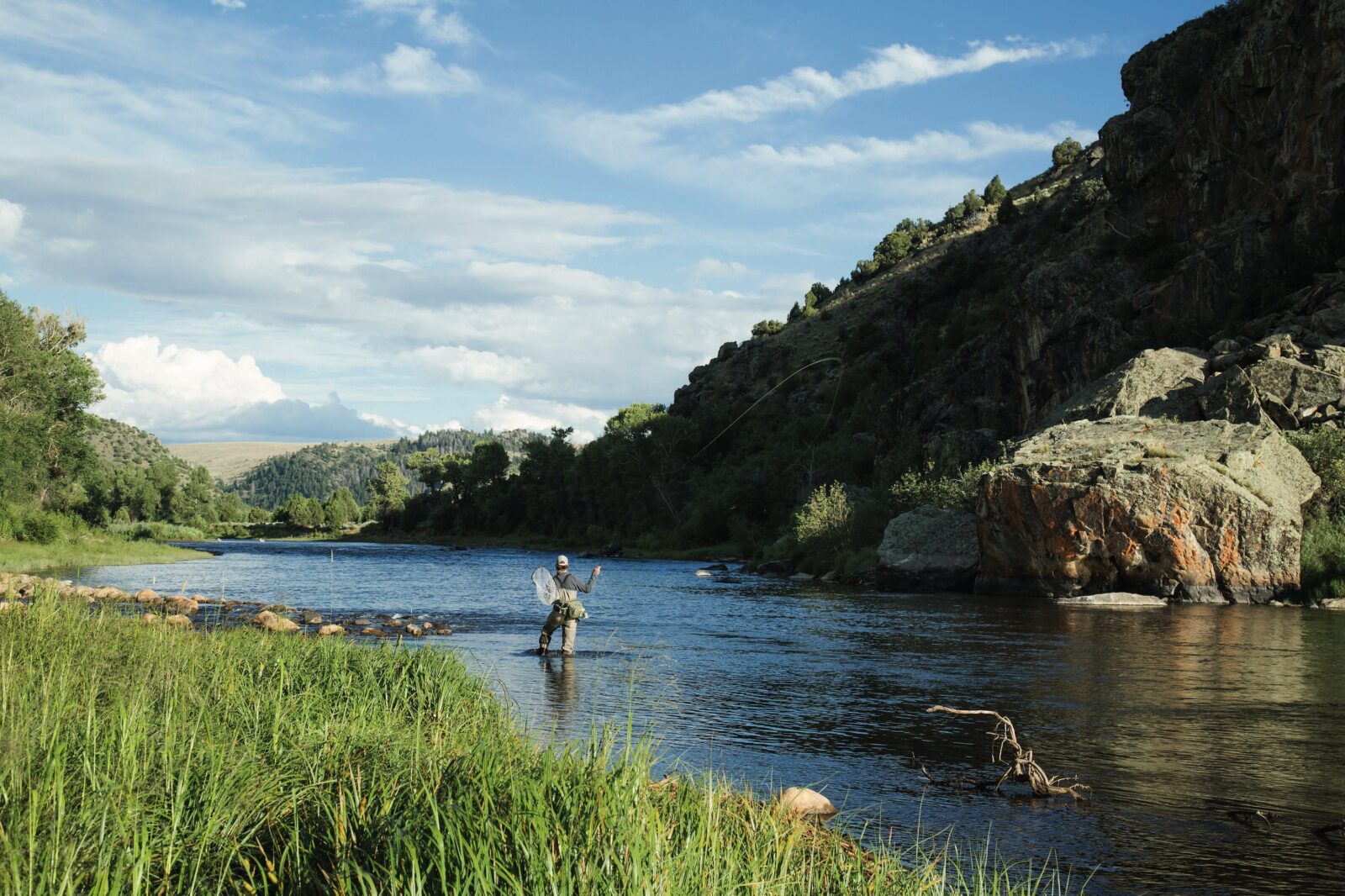
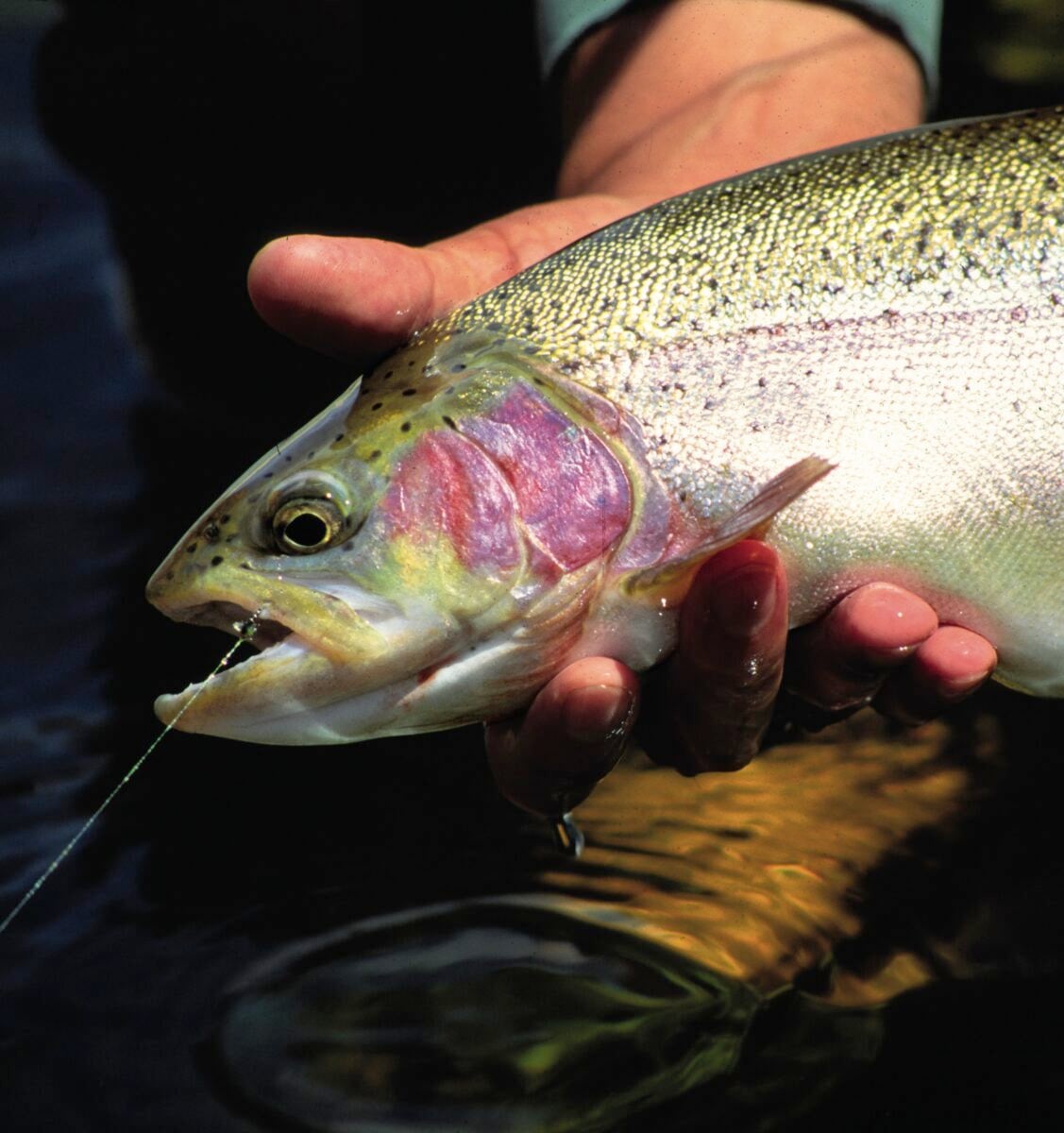
March – April: As ice begins to recede from tailwater fisheries, operations like Cliff Dwellers Lodge in Marble Canyon, Arizona, kick off the season. Anglers drift the Colorado River beneath the towering, 1,000-foot red rock walls of Lees Ferry, targeting hard-fighting rainbow trout with midge and scud patterns.
May: In the Texas Hill Country, Joshua Creek Ranch opens its spring waters for native Guadalupe bass fishing, while early-season wing shooting and sporting clays keep reflexes sharp. Concurrently, legendary Montana waters begin waking up, setting the stage for the heavy spring runoff.
Summer: The Prime-Time Dry-Fly Extravaganza
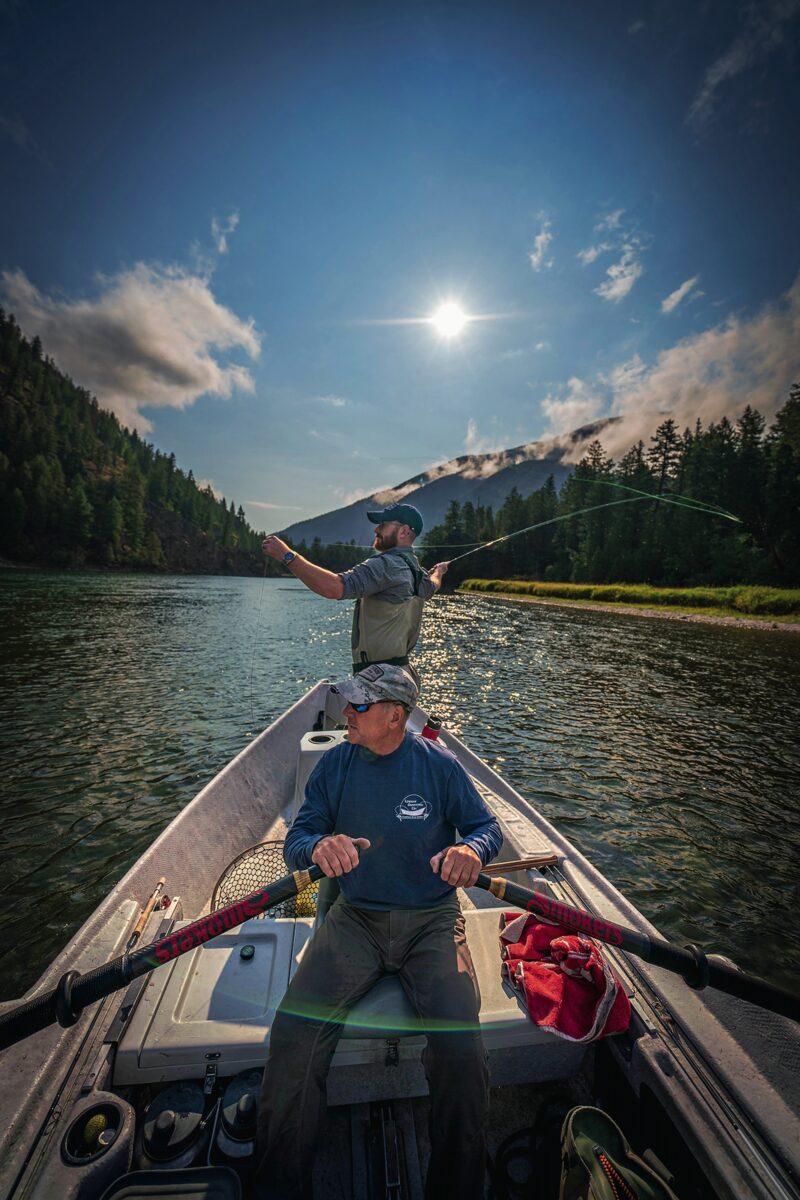
June – July: The heart of the summer brings legendary insect hatches across the Rocky Mountain region. At Henry’s Fork Lodge in Island Park, Idaho, epic hatches of brown drake mayflies and golden stoneflies challenge anglers on the iconic "Railroad Ranch" section.
July: In Alaska, Alaska Sportsman’s Lodge witnesses the world’s largest sockeye run charge up the Kvichak River, where up to 30,000 chrome-bright salmon pass the lodge every hour. Meanwhile, Firehole Ranch in West Montana offers prime dry-fly action targeting "gulpers" on Hebgen Lake.
Autumn: The Golden Migration and Upland Grand Slams
September: As the summer crowds dissipate, Rawah Guest Ranch in Glendevey, Colorado, becomes a canvas of golden aspens. The private stretches of the Laramie River yield unpressured trout while high-country trail rides reach their seasonal peak.
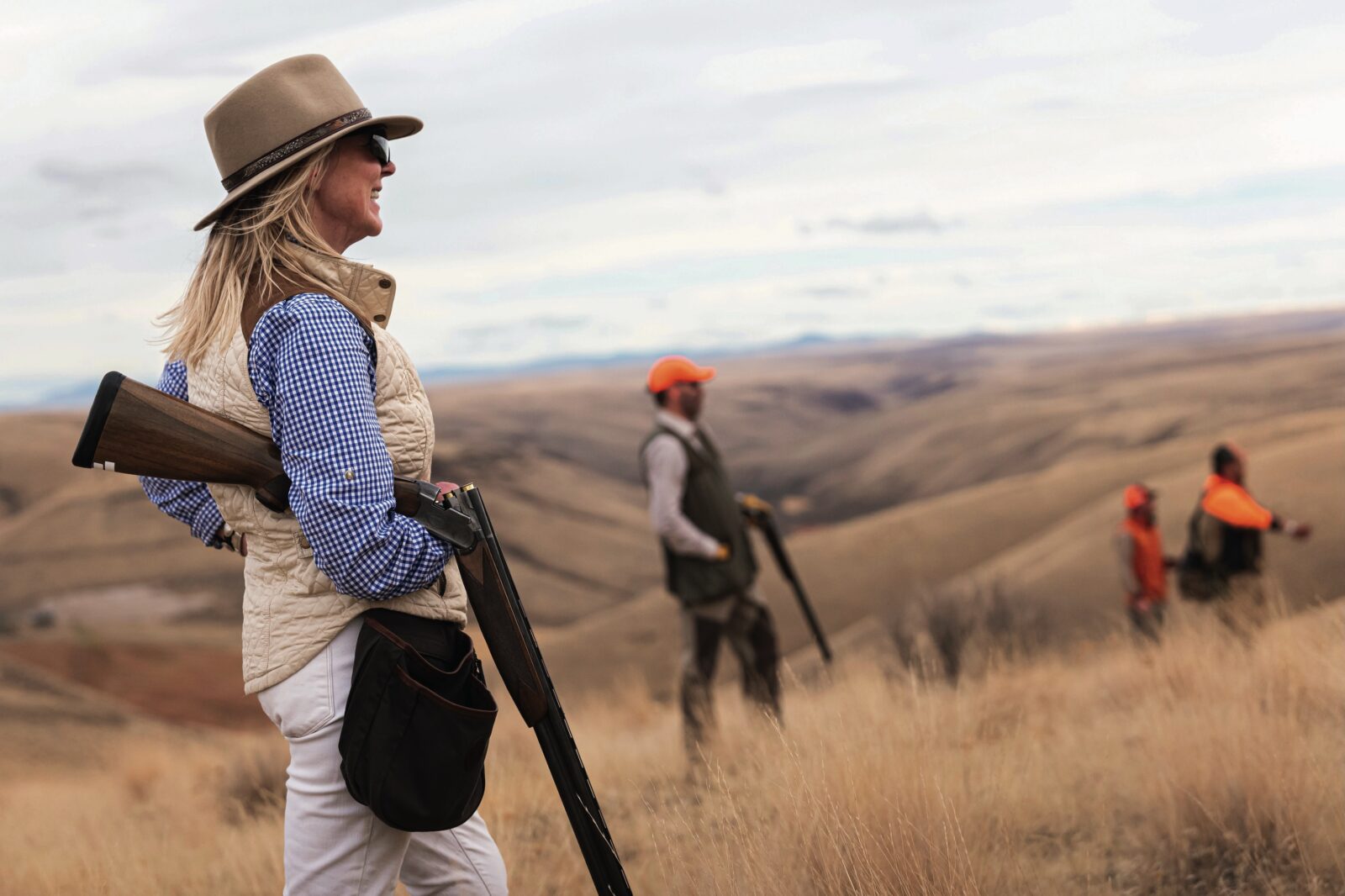
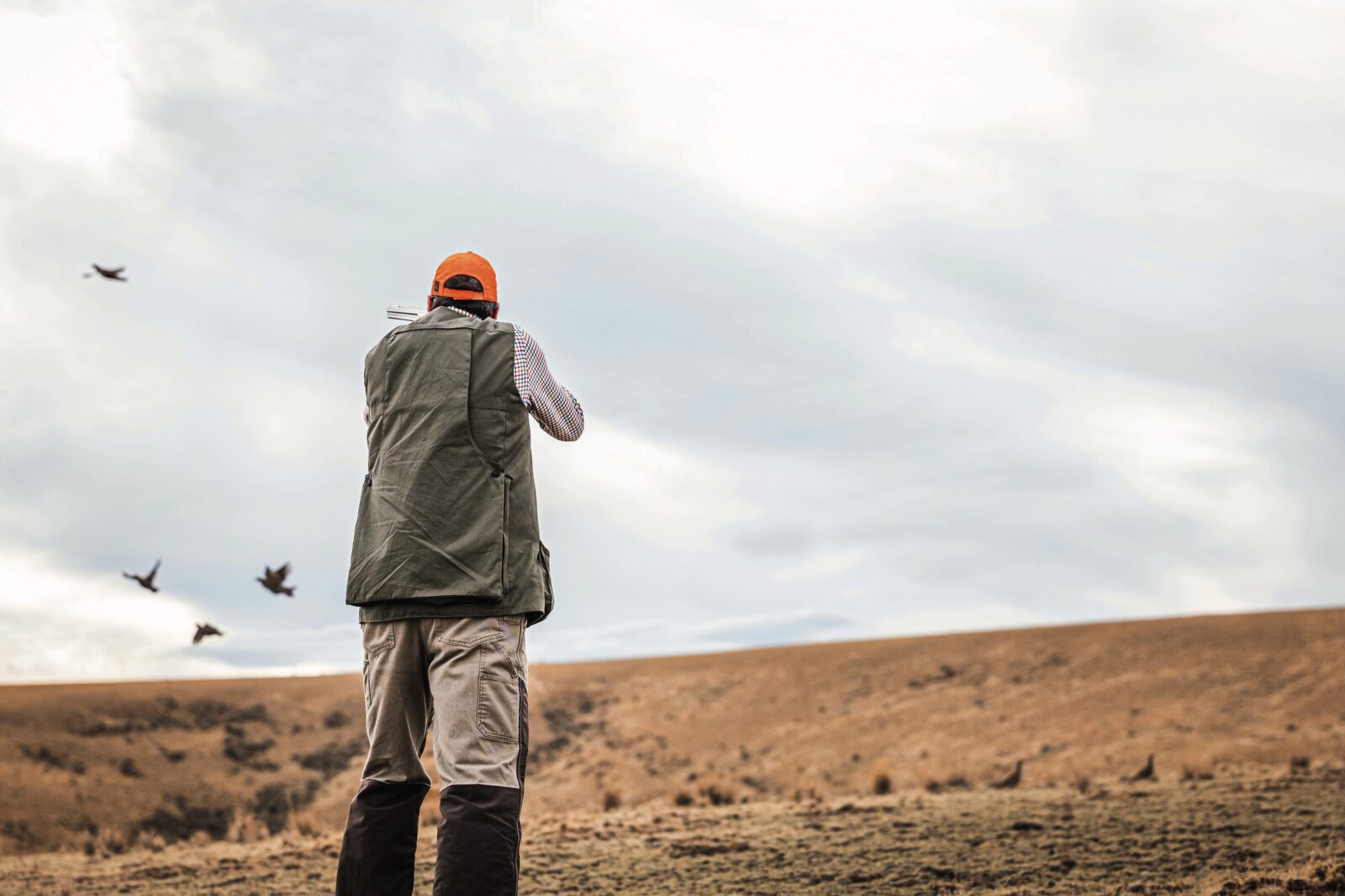
October: The ultimate month for the "cast and blast." At Highland Hills Ranch in Condon, Oregon, upland bird hunters experience the peak season for bagging the grand slam of wing shooting—chukar, ring-necked pheasant, valley quail, and Hungarian partridge—in a single day. Far to the north, Quickload Waterfowl Outfitters in Saskatchewan welcomes endless waves of uneducated Canada geese and mallards into harvested barley fields.
Supporting Context & Metrics: Where Luxury Meets Wilderness
Operating a premier sporting lodge requires a delicate balance between sprawling acreage, ecological stewardship, and high-touch guest service. A close examination of the statistics and geographical features defining these top-tier destinations reveals the scale of these operations:
Land and Water Stewardship:Brush Creek Ranch in Saratoga, Wyoming, commands an astonishing 30,000 acres of working ranch land, backed by one million acres of adjacent national forest and twenty miles of private water frontage along the North Platte River watershed. Similarly, Highland Hills Ranch manages 3,000 acres of meticulously curated habitat consisting of native grasslands, creek-bottom fields, and rimrock canyons.
Staff-to-Guest Ratios: To ensure an elite level of instruction and safety, top-tier lodges maintain intimate guest capacities paired with nearly 1:1 staff-to-guest ratios. At properties like Ruby Springs Lodge, veteran guides bring centuries of combined river experience, maintaining multi-decade tenures that foster deep continuity between angler, guide, and water.
Fishery Diversity: Montana’s The Complete Fly Fisher Lodge and Linehan Outfitting leverage their strategic locations to offer multi-river access. While Linehan centers its operations around the remote Yaak River and the Kootenai River, Complete Fly Fisher gives guests daily access to the Big Hole, Beaverhead, Jefferson, Rock Creek, and the Missouri River, ensuring viable options regardless of high flows or changing water temperatures.
Official Statements and Guiding Philosophies
The true soul of any sporting lodge lies in the philosophy of its founders and head guides, who view their work not merely as hospitality, but as a transformational art form.
"Sure, we take people hunting and fishing, but we’re really more interested in helping guests learn something about themselves they may never have discovered on their own."
— Tim Linehan, Co-Owner, Linehan Outfitting (Yaak, Montana)
This sentiment is echoed across the sporting landscape, where generational knowledge and a deep reverence for the natural world dictate operations:
The Tailwater Standard: Terry Gunn, veteran guide at Cliff Dwellers Lodge, notes of the Lees Ferry fishery: "There are many beautiful places to fish, and there are many rivers filled with trout, but there is no place where so many trout swim in such an inspiring spot."
Community and Conservation: Barcley Fisher of Quickload Waterfowl Outfitters emphasizes the communal aspect of cross-border sporting: "Come once, and you get a different waterfowl experience, but those who come back year after year become part of a hunting community."
The Pursuit of Excellence: Co-owned by fly-fishing icon Oliver White and television personality Jimmy Kimmel, South Fork Lodge on Idaho’s Snake River represents the pinnacle of modern angling culture, balancing high-end luxury with accessibility, highlighted by monumental catches like a 30.5-inch brown trout dubbed a "megalodon" by guide Ed Emory.
Future Outlook: Preserving the Frontier for the Next Generation
As global demand for authentic outdoor experiences accelerates, the premier sporting lodges of the American West and the northern territories face a dual mandate: expanding luxury hospitality while rigorously protecting the delicate ecosystems that sustain their fisheries and wildlife populations.
The future of these elite operations lies heavily in habitat restoration, sustainable agricultural partnerships—such as those forged between Quickload Waterfowl and local Saskatchewan farming families—and strict catch-and-release ethics on pressured tailwaters. Properties like Forrester’s Bighorn River Resort, run by wildlife biologist Nick Forrester and executive chef Francine Forrester, point the way forward by proving that scientific wildlife management can coexist seamlessly with high-end culinary arts and custom-tailored itineraries.
For the modern traveler, booking a stay at a lodge like Gravity Haus in Truckee, California—with easy access to the trophy trout of the Truckee River and the giant Lahontan cutthroats of Pyramid Lake—serves as a reminder that the wild frontier is still accessible. These destinations do not merely offer a vacation; they provide an enduring connection to the land, the water, and the timeless traditions of the sporting life.



0 Comments