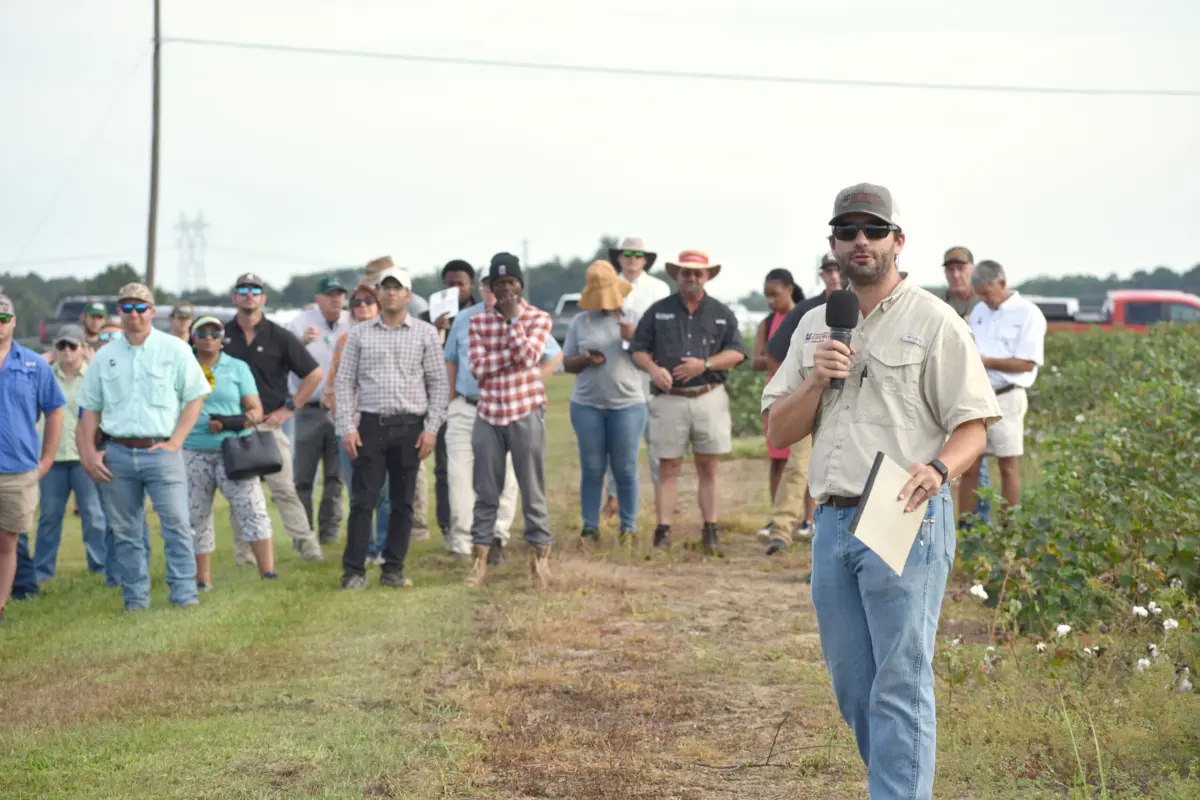
In the heart of South Georgia’s agricultural corridor, the University of Georgia (UGA) Tifton Campus recently opened its gates for the highly anticipated 2026 UGA Cotton and Peanut Research Field Day. Bringing together hundreds of regional growers, agricultural scientists, industry executives, and policymakers, the mid-week event served as a comprehensive showcase of cutting-edge agronomic science.
At its core, the annual field day represents far more than a routine academic exhibition. It functions as a transparent accountability mechanism and a dynamic collaborative forum where the state’s agricultural producers can witness firsthand how their checkoff investments are being utilized. Featuring deep dives into crop breeding, advanced pest and disease management protocols, and the evolving role of cover crops in sustainable farming, the event underscored the critical partnership between university researchers and local farming communities.
With representatives from the Georgia Cotton Commission, the Georgia Peanut Commission, Cotton Incorporated, and the National Peanut Council heavily represented, the day highlighted a shared commitment: safeguarding the economic viability and ecological resilience of two of Georgia’s most vital cash crops.
Detailed Chronology: A Day of Discovery on the Tifton Campus
Morning Sessions: Groundwork and Breeding Innovations
The morning mist had barely lifted from the Tifton plots when growers and industry leaders began arriving at the registration tents, greeted by sweeping views of active research fields. The early hours of the field day were meticulously structured to tackle foundational issues in modern agronomy, starting with crop genetics and breeding.
Leading researchers walked attendees through ongoing trials designed to improve drought tolerance, fiber quality in cotton, and disease resistance in peanuts. In an era defined by erratic weather patterns and shifting climatic baselines, developing cultivars that can withstand environmental stress without sacrificing yield is paramount.
As groups moved from plot to plot via tractor-pulled trailers, extension specialists demonstrated how modern phenotypic screening methods are accelerating the breeding pipeline. Where traditional cross-breeding once took decades, current genomic selection tools deployed at UGA are helping researchers identify high-performing traits in a fraction of the time. Producers eagerly peppered the researchers with questions regarding seed availability, regional adaptability, and performance metrics under high-stress conditions.
Mid-Day Focus: Pest, Disease, and Cover Crop Management
As the sun climbed higher, the focus shifted from genetics to crop protection and soil health—two areas that consistently consume a major portion of a producer’s operating budget.
Plant pathologists and entomologists set up interactive demonstration stations to educate growers on emerging threats. Discussions centered heavily on integrated pest management (IPM) strategies, pesticide resistance mitigation, and biological controls. Attendees were shown real-time examples of how specific crop rotations and targeted chemical applications can suppress persistent soil-borne pathogens like Tomato spotted wilt virus in peanuts and combat resistant insect pressures in cotton.
Simultaneously, soil scientists presented compelling data on the multi-year trials involving cover crops. By analyzing water infiltration rates, organic matter accumulation, and weed suppression, researchers illustrated how winter cover crops are no longer just an environmental luxury, but a fundamental economic asset for long-term soil health in South Georgia’s sandy coastal plain soils.
Afternoon Panels: The Producer Perspective and Open Dialogue
The afternoon transitioned into structured panel discussions and open-mic forums. Unlike traditional academic conferences where information flows strictly one way, the UGA Cotton and Peanut Research Field Day prioritized dialogue. Growers were encouraged to critique ongoing studies, suggest real-world adjustments to experimental protocols, and share observations from their own commercial operations.
This feedback loop is viewed by university leadership as essential. By aligning academic hypotheses with the day-to-day realities of farming, UGA researchers can ensure that their laboratory breakthroughs translate into practical, profitable solutions in the field.
Supporting Context & Metrics: The Economic Engine of South Georgia
To fully grasp the significance of the research showcased in Tifton, one must examine the staggering economic footprint of cotton and peanuts in the state of Georgia.
The Pillars of Regional Agriculture
Georgia consistently ranks near the top nationwide in the production of both upland cotton and peanuts. Together, these two commodities inject billions of dollars annually into the state’s economy, supporting tens of thousands of jobs ranging from farm labor and input supply to processing, transportation, and international export logistics.
South Georgia’s unique geographic and climatic conditions make it an ideal cradle for these crops, but this productivity does not come without unique challenges. Producers in the region perpetually battle intense weed pressures, highly variable rainfall, and a complex matrix of fungal and insect pests.
The Checkoff Mechanism: Grower-Funded Science
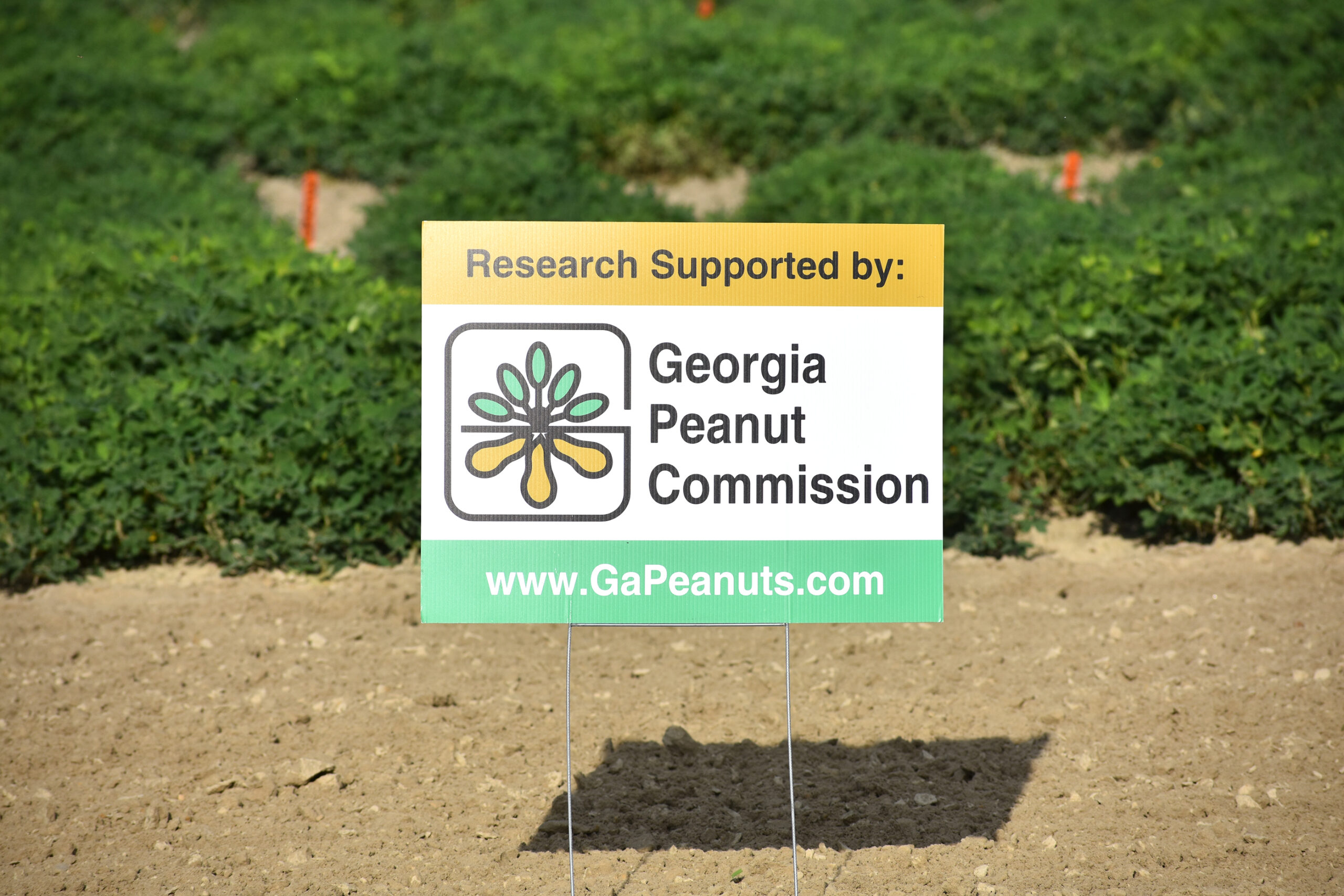
A defining characteristic of agricultural research at UGA is its funding model. A significant portion of the capital driving these multi-year studies originates directly from the producers themselves through checkoff programs administered by organizations like the Georgia Cotton Commission and the Georgia Peanut Commission.
When a farmer sells a bale of cotton or a ton of peanuts, a small, mandated percentage of the revenue is reinvested back into industry-wide promotion, education, and research. Consequently, every trial plot on the Tifton Campus—from the smallest nematode suppression study to the largest multi-acre irrigation experiment—represents hard-earned grower dollars put to work.
This financial transparency creates a profound sense of ownership among the farming community. Events like the Field Day are designed precisely to honor that trust, giving producers an unvarnished look at the return on their investments.
Official Statements: Voices from the Field
The collaborative ethos of the event was best captured by the key agricultural leaders and extension specialists who addressed the gathered crowds.
Camp Hand on the Power of Shared Investment
Camp Hand, UGA Extension cotton agronomist, took time during the field day to emphasize why bringing the cotton and peanut commissions together under one umbrella is so impactful.
"This is such a good opportunity, No. 1, to have the Cotton and Peanut Commissions at the same place at the same time," Hand noted. "It’s grower money that’s going towards this research, whether it’s the Georgia Peanut Commission, Georgia Cotton Commission, Cotton Incorporated, National Peanut Council, any of that; that’s grower money that’s going into all this stuff."
Hand stressed that accountability is the cornerstone of trust between the university and the agricultural community.
"If you invest your money in something, you want to know where it goes, right? And that’s what this is. This is an investment for them. It’s an investment in the future of these industries, and these industries are so important to South Georgia."
Scott Monfort on Stewardship and Transparency
Echoing his cotton counterpart, Dr. Scott Monfort, UGA Extension peanut agronomist, highlighted the vital role that open-door research events play in maintaining producer confidence.
"It allows us to talk a little bit about our research that growers may not get to hear about much," Monfort explained. "These research projects are solely funded by the Cotton Commission and the Peanut Commission, which are grower dollars."
Monfort challenged the attending producers to actively engage with the scientific process, viewing field days not merely as educational seminars, but as audits of academic stewardship.
"We need to open it up to let growers come in and see what’s going on, because it’s up to them to come and do that and say, ‘Hey, you’re hopefully being good stewards of our money.’"
As the 2026 UGA Cotton and Peanut Research Field Day drew to a close, the overarching sentiment among participants was one of cautious optimism tempered by a clear-eyed view of future challenges.
Anticipating Technological and Climatic Shifts
Looking ahead, agricultural research at UGA is pivoting rapidly toward precision agriculture, digital agronomy, and advanced data analytics. The next generation of farming in South Georgia will likely rely heavily on artificial intelligence, autonomous machinery, and hyper-local weather forecasting to optimize inputs and maximize yields.
The trials showcased at Tifton this week are already incorporating elements of these emerging technologies. Researchers are utilizing drone imagery, soil moisture telemetry, and variable-rate application trials to help growers squeeze every possible ounce of efficiency out of their acreage.
Sustaining the Momentum
Ultimately, the success of the 2026 field day reinforces a timeless agricultural truth: progress is born of collaboration. By maintaining an open dialogue between the academic laboratories of the University of Georgia and the commercial fields of South Georgia’s family farms, the state’s cotton and peanut industries are well-positioned to weather upcoming economic and environmental storms.
As growers departed Tifton carrying pamphlets, seed catalogs, and fresh insights, they did so with the reassurance that their checkoff dollars are actively working to secure a prosperous, sustainable future for generations of farmers to come.




0 Comments