
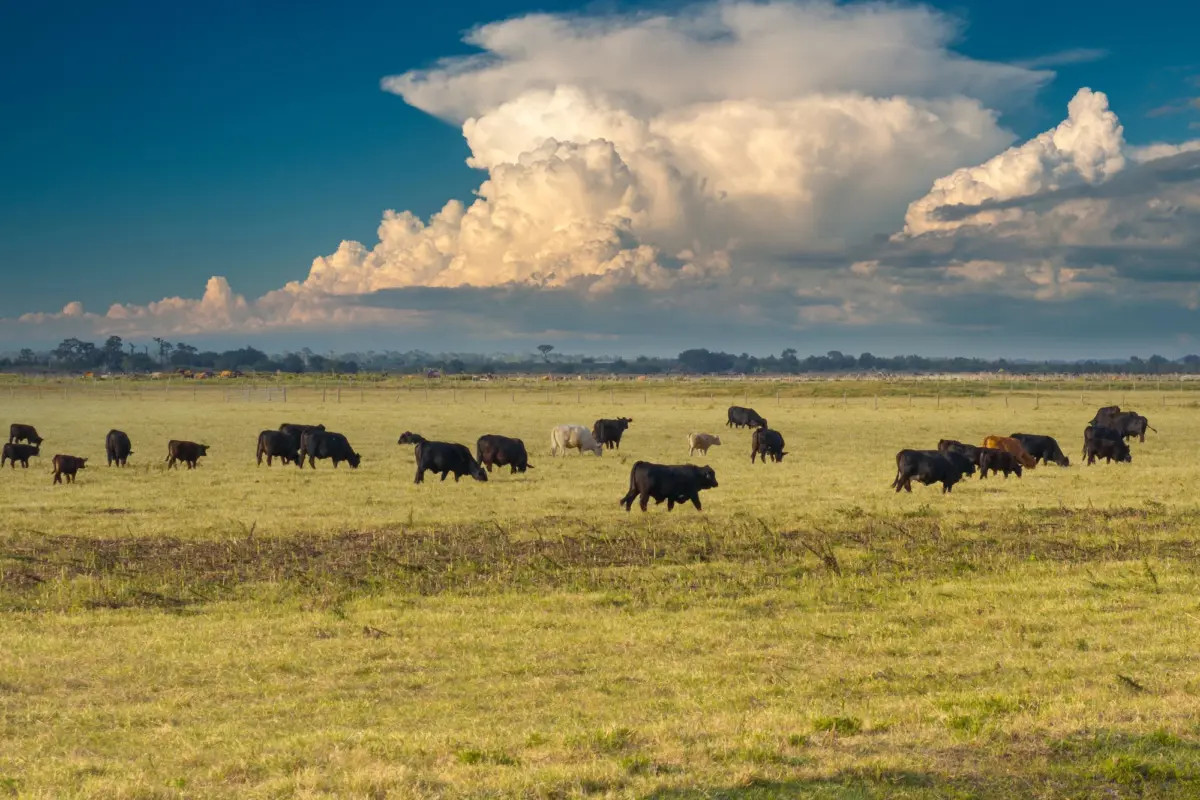

WASHINGTON — In a direct appeal to the backbone of the American livestock sector, Agriculture Secretary Brooke Rollins has called upon ranchers and livestock producers who graze cattle on federal lands to actively utilize the United States Department of Agriculture’s (USDA) sweeping new grazing directive. The initiative, initially introduced in June 2026 and reinforced through a series of direct communications issued this week, is explicitly designed to expand operational opportunities, streamline public land management, and provide the structural support necessary to rebuild the nation’s dwindling cattle inventory.
The directive represents a cornerstone policy in a coordinated, multi-agency push involving both the USDA and the Department of the Interior (DOI). By cutting through bureaucratic red tape and fostering a more collaborative relationship between federal land-management agencies and permit holders, the administration hopes to reverse multi-year contractions in the U.S. cattle herd. For the nation’s ranchers—who have faced mounting pressures from severe droughts, escalating feed costs, and strict regulatory hurdles over the past decade—this federal pivot offers both economic breathing room and a formalized framework for maximizing pasture productivity.
Executive Overview
The newly highlighted grazing directive is more than just a regulatory adjustment; it is a strategic economic intervention targeted at the structural health of the American beef and dairy supply chains. For nearly two decades, the total U.S. cattle inventory has experienced cyclical contractions, driven in large part by persistent environmental challenges across the American West and Great Plains, alongside high operational costs that forced many multi-generation producers out of business.
By targeting federal lands managed by the U.S. Forest Service (USFS) and the Bureau of Land Management (BLM)—which together account for hundreds of millions of acres of grazing capacity—the USDA aims to unlock dormant or underutilized forage resources. Secretary Rollins’s outreach to allotment holders is intended to bridge the gap between Washington policy-making and boots-on-the-ground ranching. The overarching goal is clear: empower local producers with flexible, responsive management tools that allow them to expand their herds, optimize rangeland health, and secure the long-term viability of domestic meat production against a backdrop of rising global food demands.
Detailed Chronology: The Path to the Grazing Directive
To understand the weight of Secretary Rollins’s recent correspondence, it is essential to trace the policy milestones and administrative efforts that have shaped federal agricultural strategy over the past several years.
The Foundation of Inter-Agency Cooperation
Long before the unveiling of the June 2026 directive, agricultural stakeholders and federal regulators recognized that the traditional framework governing public-lands grazing was in dire need of modernization. Ranchers frequently reported that administrative bottlenecks, protracted environmental reviews, and rigid stocking rate enforcement hindered their ability to respond effectively to localized weather patterns and market fluctuations.
In response, the USDA and the Department of the Interior initiated a comprehensive review of public-lands administration. This partnership sought to align USFS and BLM policies, ensuring that livestock producers operating across multi-jurisdictional boundaries encountered consistent, practical guidelines rather than conflicting bureaucratic mandates.
The June 2026 Policy Unveiling
The culmination of these inter-agency reviews arrived in June 2026, when the USDA officially released its comprehensive grazing directive. This policy document was formulated with direct input from industry associations, state cattlemen’s councils, and environmental scientists. It established new pathways for permit renewals, introduced greater flexibility in rotational grazing schedules during climate anomalies, and prioritized active rangeland stewardship over punitive enforcement.
Rather than viewing grazing solely through a strict conservation lens, the June directive recognized that properly managed livestock grazing is a vital tool for wildfire mitigation, invasive weed control, and overall ecosystem health. By framing ranchers as active stewards of the public lands rather than temporary tenants, the directive laid the groundwork for a cultural shift within federal land agencies.
The October 2026 Outreach Campaign
Following months of internal agency alignment and preliminary rollout phases, Secretary Rollins escalated the initiative this week by dispatching formal letters directly to livestock producers holding active grazing permits on U.S. Forest Service allotments. This direct-to-rancher communication marks a critical phase in the implementation process. Recognizing that policy reforms in Washington mean little if they are not understood and adopted at the local level, the USDA’s leadership has made widespread education and utilization of the directive its primary objective for the final quarter of 2026.
Supporting Context & Industry Metrics
The urgency behind Secretary Rollins’s directive is underscored by sobering economic and biological realities facing the American cattle industry.
Rebuilding the American Cattle Herd
According to data compiled by the USDA’s National Agricultural Statistics Service (NASS), the U.S. beef cow inventory has hovered near multi-decade lows. Extended droughts across the primary cattle-producing regions of Texas, the Southern Plains, and the Intermountain West forced widespread liquidation of breeding stock in recent years. When pastures dry up and hay prices skyrocket, ranchers are routinely forced to sell off their foundational cows—a decision that creates a multi-year lag in herd recovery even after weather conditions improve.
[Historical Inventory Pressure] ──> [Extended Droughts & High Input Costs]
                                                │
                                                ▼
[Forced Herd Liquidation] ──────> [Depleted Breeding Base / Multi-Year Lag]
                                                │
                                                ▼
[USDA June 2026 Directive] ─────> [Optimized Federal Land Access & Expansion]
Rebuilding this depleted inventory requires secure, reliable access to affordable forage. Federal lands represent a critical safety valve for western and midwestern ranchers, many of whom rely on public allotments for seasonal grazing during the spring and summer months. By expanding opportunities on these federal acres, the USDA is directly targeting the primary physical bottleneck holding back herd expansion.
Economic Stabilization and Consumer Prices
The health of the domestic cattle herd has direct implications for everyday consumers. Tight cattle supplies have driven beef prices to historic highs at supermarket checkout counters, fueling broader food inflation concerns. While retail prices are influenced by a complex web of processing, distribution, and global market dynamics, the foundational driver remains live cattle supply.
By empowering ranchers to increase stocking capacities responsibly on federal allotments, the administration hopes to stimulate long-term supply growth, which will ultimately help stabilize prices for consumers while protecting the profit margins of independent producers against corporate consolidation in the meat-packing sector.
Official Statements and Leadership Perspectives
The announcement of the directive and the subsequent rollout of Secretary Rollins’s letter have drawn widespread attention from agricultural leaders, policymakers, and industry associations.
In her address to permit holders, Secretary Rollins emphasized the dedication of federal leadership to the nation’s agricultural producers:
"For the past 19 months, USDA has worked tirelessly to defend and promote our nation’s ranchers and give you the tools to help rebuild our great American cattle herd," Rollins stated. "I encourage you to familiarize yourself with the grazing directive as we work together to accomplish shared goals in your respective allotments."
Industry advocates have largely welcomed the administration’s proactive stance. Representatives from various state and national cattlemen’s organizations have noted that the emphasis on flexibility and collaboration is a welcome departure from adversarial regulatory approaches of the past. By fostering open lines of communication between local district rangers and permit holders, the directive aims to resolve localized disputes before they result in legal battles or permit reductions.
Furthermore, environmental scientists collaborating with the USDA have pointed out that modern grazing management—when executed according to the adaptive guidelines outlined in the directive—can actively enhance soil carbon sequestration, improve watershed function, and reduce the fuel loads responsible for catastrophic wildfires across western public lands.
Future Outlook: Implementation and Long-Term Impact
As the agricultural sector moves toward the close of 2026 and looks ahead to the coming decade, the success of the USDA’s grazing directive will depend heavily on local execution and ongoing federal support.
Next Steps for Permit Holders
Livestock producers holding USFS and BLM allotments are currently being urged by extension agents and industry groups to review the June 2026 directive thoroughly. Key action items for ranchers include:
- Consulting with Local District Rangers: Engaging in proactive dialogue regarding allotment management plans, water developments, and rotational grazing schedules.
- Utilizing Administrative Flexibilities: Taking advantage of provisions within the directive that allow for adaptive management adjustments in response to seasonal weather variations.
- Participating in Educational Workshops: Attending USDA-sponsored webinars and regional seminars designed to explain the practical application of the new policy tools.
Anticipated Challenges and Monitoring
While the framework offers significant promise, implementation will not be without hurdles. Environmental advocacy groups will closely monitor the expansion of grazing on sensitive public lands to ensure that riparian zones, endangered species habitats, and delicate desert ecosystems are adequately protected. Balancing the economic imperatives of herd rebuilding with rigorous conservation stewardship will require continuous oversight from both the USDA and the Department of the Interior.
Ultimately, if successfully implemented, the June 2026 grazing directive could serve as a model for modern public-lands management—proving that ecological health and agricultural productivity are not mutually exclusive, but rather mutually reinforcing pillars of rural American prosperity. As ranchers across the country begin incorporating these new tools into their daily operations, the foundational steps toward restoring the great American cattle herd are finally taking firm root.

0 Comments