

Executive Overview
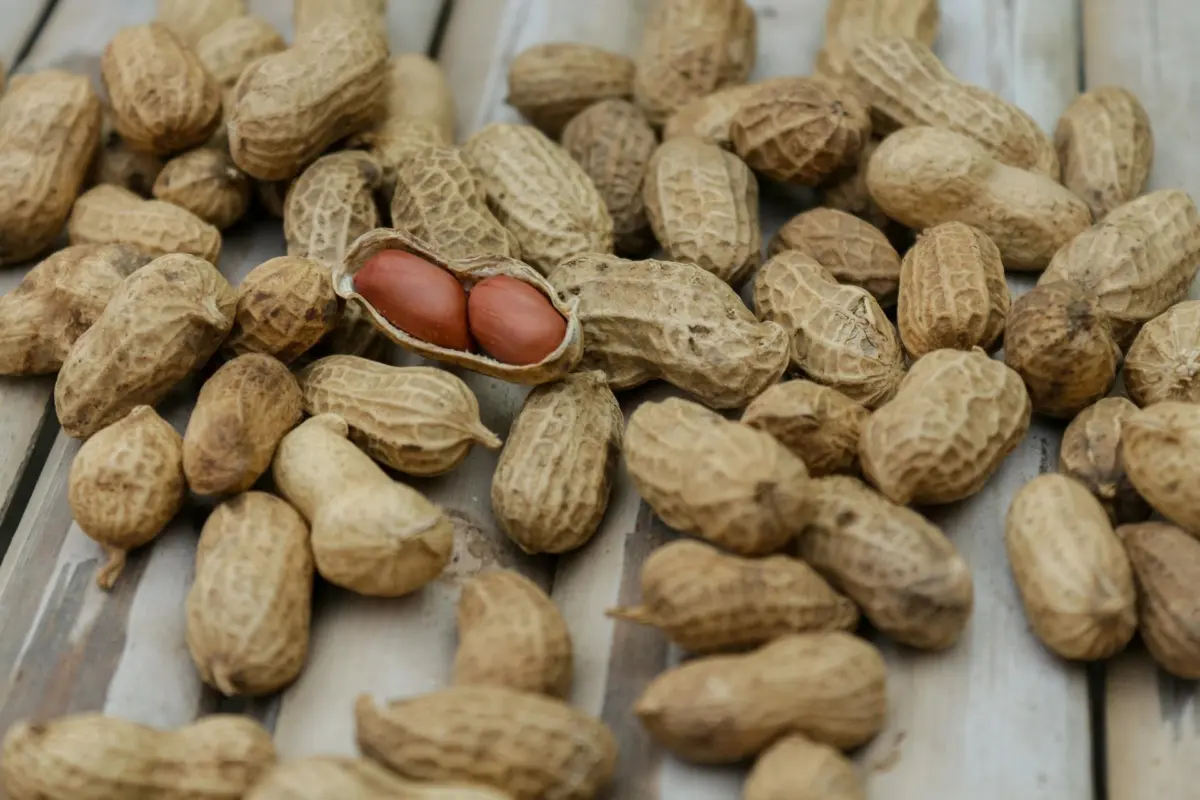
As September 13 approaches, millions of Americans prepare to observe National Peanut Day—an annual celebration dedicated to one of the nation’s most beloved, versatile, and historically significant crops. While officially unrecorded in congressional archives or presidential proclamations, this unofficial holiday has firmly cemented itself in the cultural and culinary landscape. Far more than a simple ballpark snack, the peanut (Arachis hypogaea) represents a cornerstone of American agriculture, a powerhouse of plant-based nutrition, and an essential global commodity.
From its humble subterranean origins to its dominance in lunchboxes, pantries, and industrial food manufacturing, the peanut bridges the gap between traditional farming and modern nutritional science. As families, agricultural organizations, and food enthusiasts gear up for the September 13 festivities, this comprehensive report explores the multifaceted world of peanuts—examining their nutritional superiority, economic footprint, rich historical legacy, and expanding role in sustainable global food security.
Detailed Chronology: From Ancient Roots to Modern Agricultural Staple
The journey of the peanut is an epic tale of botanical adaptation, global trade, and scientific ingenuity. Understanding how this humble legume became an American dietary staple requires tracing its path across centuries and continents.
Pre-Columbian Origins and Global Dispersion
Long before European explorers set foot in the Americas, indigenous peoples of South America—particularly in regions encompassing modern-day Peru, Brazil, and Bolivia—were cultivating wild peanut species. Archaeological excavations in South America have uncovered pottery shaped like peanuts and ancient tombs containing peanut offerings dating back over 3,500 years, highlighting their early religious, cultural, and dietary significance.
Following Spanish and Portuguese colonization, the peanut embarked on a transoceanic voyage. Spanish traders transported the crop across the Pacific to the Philippines and Southeast Asia, while Portuguese traders introduced it to the African continent. In Africa, the peanut found an ideal climate and quickly integrated into local agricultural systems, becoming a vital subsistence crop.
The Transatlantic Return and the Antebellum South
The peanut returned to the Americas via the transatlantic slave trade, cultivated primarily by enslaved Africans in the American South as a garden crop. For generations, peanuts remained largely regional, viewed as food for livestock or impoverished communities rather than a commercial crop. The labor-intensive nature of harvesting—which required manual digging, shaking, and picking—severely limited large-scale production.
The Civil War and Industrialization
The turning point for American peanut production arrived during the mid-19th century, particularly around the time of the American Civil War. Soldiers on both sides consumed peanuts out of necessity due to food shortages, boosting public awareness of the crop.
Following the war, the invention of mechanical peanut planters, cultivators, and threshers revolutionized the industry. By the late 19th and early 20th centuries, pioneering agricultural innovators began transforming raw peanuts into shelf-stable consumer products. The invention of peanut butter—initially developed as an easily digestible protein paste for dental patients—paved the way for mass commercialization.
The George Washington Carver Revolution
No historical overview of the peanut is complete without acknowledging the monumental contributions of Dr. George Washington Carver. Working at the Tuskegee Institute in Alabama at the turn of the 20th century, Carver recognized that relentless cotton farming was depleting the soil of the American South.
Carver championed the peanut as an ideal rotation crop, as its nitrogen-fixing root nodules naturally restored depleted soils. To convince skeptical farmers to embrace the crop, Carver developed over 300 industrial and culinary uses for peanuts, ranging from flours, oils, and cosmetics to dyes, plastics, and gasoline substitutes. His tireless advocacy transformed the peanut from a minor southern novelty into a cornerstone of southern agriculture and economic recovery.
Supporting Context & Metrics: Nutritional Superiority and Economic Footprint
Beyond its rich cultural history, the peanut commands respect through hard data. From its unmatched nutritional profile to its significant role in the domestic agricultural economy, the peanut is a heavyweight contender in the modern food supply chain.
Nutritional Profile: The Powerhouse Legume
Botanically speaking, the peanut is not a true tree nut, but rather a legume belonging to the Fabaceae family, putting it in the same biological classification as beans, lentils, and peas. However, its culinary and nutritional profile more closely aligns with nuts.
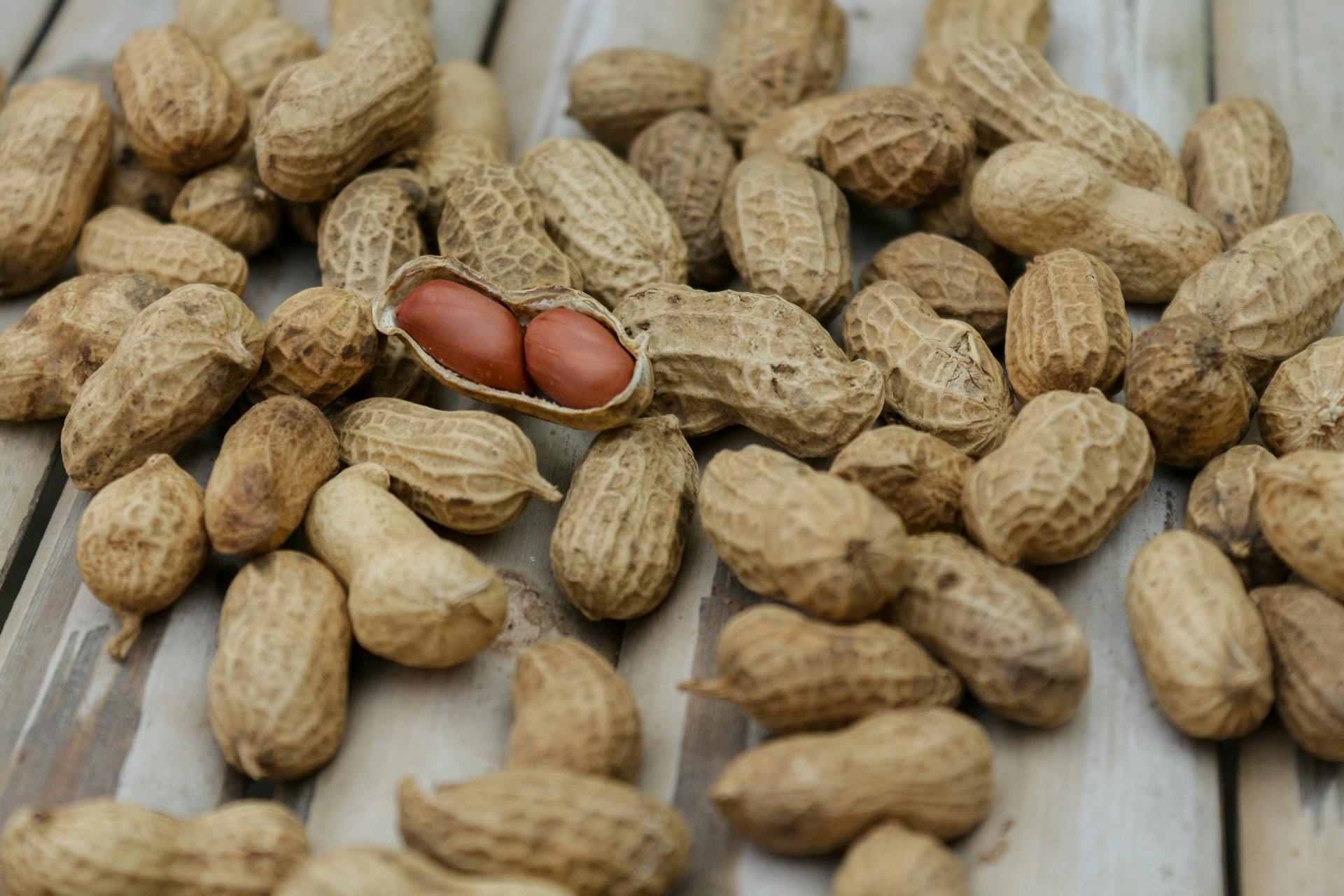
- Protein Content: Peanuts boast more protein than any other nut, packing approximately 7 grams of protein per one-ounce serving. This makes them an exceptional plant-based protein source for vegetarians, vegans, and active individuals.
- Healthy Fats: Rich in monounsaturated and polyunsaturated fats—the same "good fats" found in olive oil—peanuts support cardiovascular health by helping to maintain healthy cholesterol levels.
- Vitamins and Minerals: Peanuts are a dense source of essential micronutrients, including niacin (Vitamin B3), folate (Vitamin B9), magnesium, phosphorus, and Vitamin E. They also contain powerful antioxidants, such as resveratrol, which is famously associated with red wine and known for its anti-aging and heart-protective properties.
+------------------------------------------------------------+
|        NUTRIENT COMPARISON (Per 1-Ounce Serving)           |
+-------------------+-----------------+----------------------+
| Nutrient          | Peanuts         | Average Tree Nuts    |
+-------------------+-----------------+----------------------+
| Protein           | ~7.0 grams      | ~4.0 - 6.0 grams     |
| Healthy Fats      | High (MUFA/PUFA)| High                 |
| Niacin (Vit B3)   | Exceptional     | Moderate             |
| Resveratrol       | High            | Low to Negligible    |
+-------------------+-----------------+----------------------+
Economic Impact and Domestic Production
In the United States, the peanut industry is a multi-billion-dollar economic engine. The U.S. produces billions of pounds of peanuts annually across several core agricultural regions, primarily concentrated in the Southeast (Georgia, Alabama, Florida, Mississippi), the Southwest (Texas, New Mexico, Oklahoma), and the Virginia-Carolina region (Virginia, North Carolina, South Carolina).
- Georgia’s Dominance: The state of Georgia consistently ranks as the nation’s top peanut producer, accounting for roughly half of total U.S. production.
- The Snack Food King: Market research consistently ranks peanuts as the top-selling snack nut category in the United States, capturing a massive share of the consumer convenience market.
- Global Trade: The U.S. is also a major exporter, shipping high-quality American peanuts to international markets across Europe, Canada, Mexico, and Asia.
Official Statements and Industry Perspectives
Agricultural leaders, food scientists, and nutritionists continually emphasize the unique value proposition of peanuts in modern diets and institutional feeding programs.
Plant-Based Protein and Food Security
Agricultural extension agents and commodity boards frequently highlight the cost-effectiveness of peanut products in addressing food insecurity. Tyron Spearman, a prominent agricultural journalist and voice for southern agriculture, emphasizes the practical benefits of incorporating peanuts into everyday life:
"Peanut products provide a cost-effective, plant-based protein option with minimal labor investment that children love. Peanuts are exceptionally versatile and can be used in a variety of recipes. Because they are naturally shelf-stable, peanut butter is a food that is perfect for keeping in stock all the time. Whether packed in a lunchbox or stirred into a savory sauce, peanuts deliver unmatched value."
Health and Wellness Endorsements
Dietitians and public health advocates point out that peanuts play a critical role in combating malnutrition globally and promoting healthy eating habits domestically. Ready-to-Use Therapeutic Foods (RUTF)—often formulated with a base of peanut paste, milk powder, vitamins, and minerals—have saved millions of severely malnourished children in developing nations.
Domestically, nutritionists praise the peanut for its low glycemic index, making it an ideal snack for sustained energy without causing rapid blood sugar spikes. Furthermore, ongoing clinical research continues to debunk outdated dietary guidelines regarding early childhood allergen exposure, with modern pediatric recommendations suggesting the safe introduction of peanut products to infants to reduce the risk of developing peanut allergies later in life.
Future Outlook: Sustainability, Innovation, and Culinary Trends
As consumer preferences shift toward sustainable, nutrient-dense, and ethically produced foods, the future of the peanut industry looks exceptionally bright. Researchers and food scientists are actively exploring new frontiers in peanut cultivation, processing, and culinary application.
Sustainable Agriculture and Environmental Stewardship
Climate change and water scarcity present ongoing challenges for modern agriculture. Fortunately, peanuts are inherently drought-tolerant and possess a remarkably low carbon and water footprint compared to many animal-based proteins and certain tree nuts (such as almonds).
- Nitrogen Fixation: Because peanuts are legumes, they naturally fix nitrogen in the soil, reducing the need for synthetic nitrogen fertilizers in subsequent crop rotations. This sustainable trait lowers greenhouse gas emissions and preserves long-term soil fertility for farmers.
- Water Efficiency: Peanuts require significantly less irrigation water than many competing crops, making them increasingly vital in drought-prone agricultural regions across the American Southwest and Southeast.
Product Innovation and Culinary Evolution
The commercial peanut market has expanded far beyond traditional jars of peanut butter and bags of roasted peanuts. Food innovators are introducing a diverse array of new products to capture health-conscious consumers:
- Defatted Peanut Flours: By pressing the oil out of roasted peanuts, manufacturers produce high-protein, low-fat peanut flours used in baking, smoothies, and protein-fortified snacks.
- Specialty Oils: Cold-pressed peanut oil is gaining popularity among culinary professionals for its high smoke point, neutral flavor profile, and excellent performance in frying and sautéing.
- Gourmet and Artisanal Spreads: The market has seen an explosion of small-batch, artisanal nut blends combining peanuts with superfoods, seeds, exotic spices, and natural sweeteners.
Conclusion: Embracing National Peanut Day
As National Peanut Day arrives on September 13, it serves as a wonderful reminder to appreciate the immense journey of this humble legume. From the fields tended by hardworking American farmers to the scientific breakthroughs of George Washington Carver, and from school lunchboxes to gourmet kitchens, the peanut remains an enduring symbol of American agricultural resilience and nutritional excellence.
Whether you enjoy a handful of salted peanuts at a baseball game, spread creamy peanut butter on morning toast, or whip up a savory peanut-based stir-fry sauce for dinner, participating in National Peanut Day is a celebration of flavor, history, and sustainability. Pick up your favorite peanut snack, share it with colleagues at the office, and celebrate a crop that has truly earned its place at the heart of American culture.

0 Comments