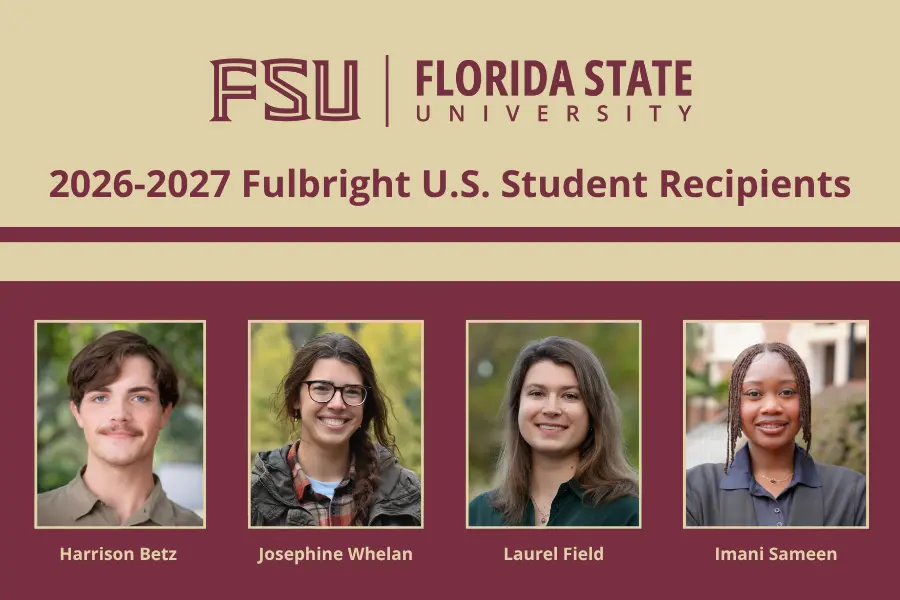
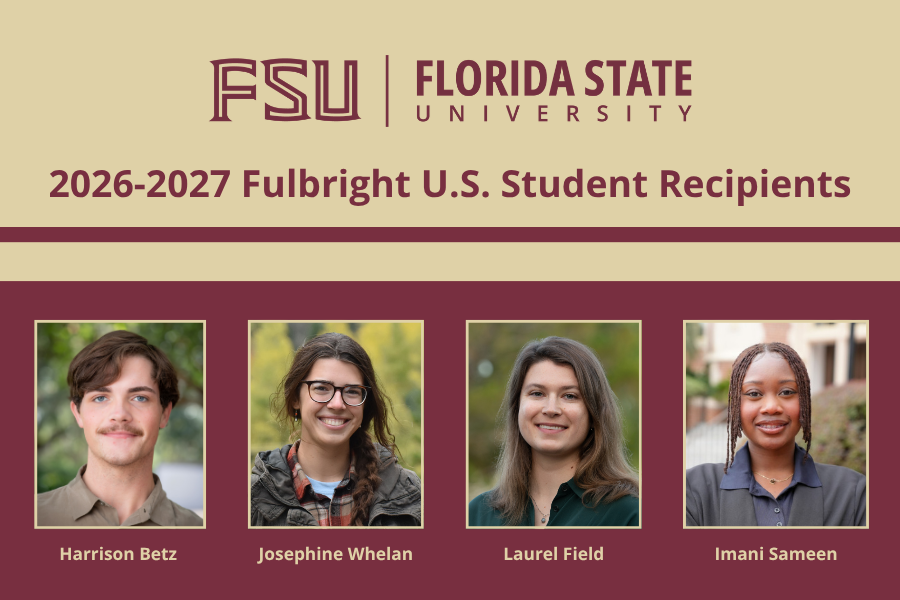
In an era defined by geopolitical complexity and rapidly shifting global dynamics, international academic mobility remains one of the most reliable vehicles for cross-cultural understanding and scientific advancement. Embodying this spirit of global engagement, four exceptional students and recent alumni from Florida State University (FSU) have been named recipients of the prestigious 2026–2027 Fulbright U.S. Student Program.
Administered by the U.S. Department of State’s Bureau of Educational and Cultural Affairs, the Fulbright Program stands as the United States government’s flagship international educational exchange initiative. It is designed to increase mutual understanding between the people of the United States and citizens of more than 160 participating countries worldwide. For FSU, this year’s cohort represents a triumph of academic rigor, mentorship, and a steadfast institutional commitment to tackling global challenges across borders.
The four FSU scholars selected for the upcoming academic cycle—Josephine Whelan, Imani Sameen, Harrison Betz, and Laurel Field—will travel to four distinct corners of the globe: the United Kingdom, Thailand, Spain, and New Zealand. Their missions span the spectrum of the Fulbright experience, encompassing rigorous master’s-level scientific research, environmental sustainability studies, and immersive English Teaching Assistantships (ETAs).
As these scholars prepare to cross international boundaries, their journeys reflect not only personal milestones of excellence but also the robust infrastructure of mentorship and global programming cultivated at Florida State University. This report provides a comprehensive examination of the scholars’ backgrounds, their academic pursuits, the institutional framework supporting them, and the long-term implications of their upcoming international endeavors.
Detailed Chronology: Pathways to the Fulbright Selection
The path to a Fulbright award is notoriously rigorous, demanding months of preparation, meticulous research proposal development, language proficiency evaluations, and endorsements from campus committees. For the 2026–2027 FSU cohort, the journey began long before their applications were officially submitted, rooted in years of localized research, study abroad experiences, and targeted mentorship.
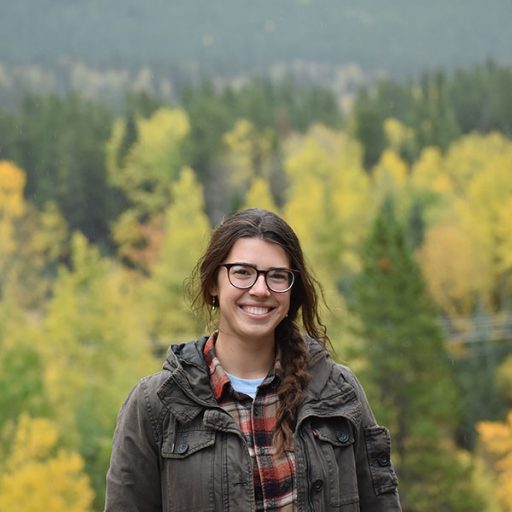
Josephine Whelan: From FSU Biological Sciences to the United Kingdom
For Josephine Whelan, who earned her bachelor’s degree in Biological Science from FSU in Spring 2026, the catalyst for her Fulbright journey was sparked inside a university lecture hall. An aspiring animal behaviorist, Whelan first discovered her passion for ornithology and behavioral ecology through coursework taught by Dr. Emily DuVal, a distinguished professor in FSU’s Department of Biological Science.
Recognizing Whelan’s aptitude for fieldwork, Dr. DuVal invited her to join the DuVal Lab. This pivotal invitation opened doors to international scientific research through the U.S. National Science Foundation’s Research Experiences for Undergraduates (REU) program, taking Whelan into the field in Panama and Argentina.
While navigating these international research environments, Whelan cultivated a deep interest in evolutionary biology. When Dr. DuVal recommended a specific academic paper originating from the University of Exeter’s Penryn Campus in Cornwall, United Kingdom, Whelan found her academic home. Through the Fulbright U.S. Student Program, Whelan will now return to the U.K. to pursue a Master of Science degree in Evolution, Behavior, and Ecology at Exeter.
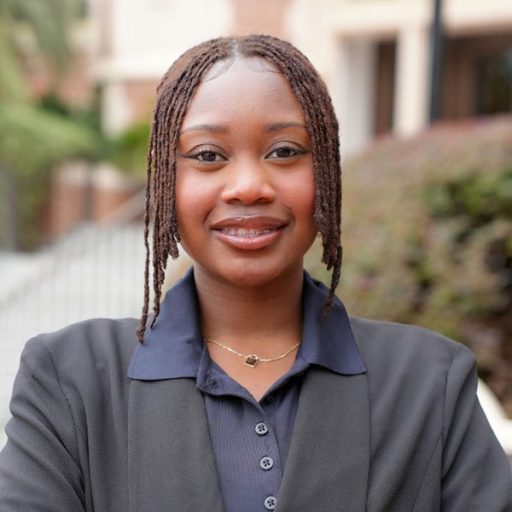
Imani Sameen: Bridging Technology, Law, and Education in Thailand
For recent alumna Imani Sameen, who secured dual bachelor’s degrees in Information Technology and English in Summer 2026, the Fulbright English Teaching Assistant (ETA) Program offers a profound transition into international public service. Sameen is set to travel to the Tak Province in Thailand, marking her very first time traveling outside the United States.
Sameen’s trajectory is defined by a desire to merge technical communication with cross-cultural empathy. After completing a mandatory month-long orientation in Bangkok, she will be stationed at the Tak Pittayakom School in Rahaeng. There, she will immerse herself in classroom teaching, lesson planning, and community engagement.
Beyond the immediate impact she will make on Thai students learning English, Sameen views this immersive year abroad as an essential foundational step for her long-term career aspirations in the legal field, where interpersonal dynamics and cross-cultural communication are paramount.
Harrison Betz: A Continuing Odyssey in Spanish Linguistics and Pedagogy
Harrison Betz represents the epitome of FSU’s institutional pipeline for global studies. A two-time alumnus, Betz completed dual bachelor’s degrees in International Affairs and Spanish in 2024 before immediately pursuing a master’s degree in Spanish, which he completed in Summer 2026.
Betz’s relationship with international education is extensive. As an undergraduate, he studied abroad through FSU’s International Programs at the FSU Valencia Study Center in Spain. Demonstrating his dedication to the program, he returned to Valencia the following year to serve as a program assistant before transitioning directly into his graduate studies.
While completing his Teaching English to Speakers of Other Languages (TESOL) certificate through the Anne Spencer Daves College of Education, Health, and Human Sciences, Betz first discovered the Fulbright Program. Armed with this certification, Betz will now return to Spain under the Fulbright ETA Program, where he will reside in Galicia and teach at CPI Cernadas de Castro, leveraging his prior institutional experience to thrive in a familiar yet demanding cultural landscape.
Laurel Field: Marine Conservation and Climate Adaptation in New Zealand
At the doctoral level, Laurel Field represents the pinnacle of advanced academic research within the FSU cohort. Currently pursuing a Ph.D. in Biological Science, Field has been awarded a Fulbright grant to conduct marine and environmental research at the University of Auckland in New Zealand.
Based in the coastal research hub of Leigh and affiliated with the university’s Institute of Marine Studies, Field will investigate the viability of offshore aquaculture for green-lipped mussels and king salmon. Her research involves mapping suitable geographic zones for offshore farming and conducting qualitative interviews with commercial seafood producers across New Zealand to identify economic and logistical bottlenecks in industry expansion.
Field’s selection is built upon a foundation of previous international field research in South Africa and the Caribbean, where working alongside local coastal communities shaped her philosophy as an applied scientist.
Supporting Context & Metrics: The Mechanics of the Fulbright Program
To fully appreciate the achievement of these four FSU scholars, it is necessary to examine the structural scale and competitiveness of the Fulbright U.S. Student Program itself.
+--------------------------------------------------------------------------+
                  THE 2026-2027 FSU FULBRIGHT COHORT AT A GLANCE
+-----------------------+------------------------+-------------------------+
| SCHOLAR               | DEGREE / STATUS        | HOST COUNTRY & FOCUS    |
+-----------------------+------------------------+-------------------------+
| Josephine Whelan      | B.S. Biological Science| United Kingdom          |
|                       | (Spring 2026)          | M.S. Evolution, Behavior|
|                       |                        | & Ecology (Univ. Exeter)|
+-----------------------+------------------------+-------------------------+
| Imani Sameen          | Dual B.S. IT & English | Thailand                |
|                       | (Summer 2026)          | English Teaching        |
|                       |                        | Assistant (Tak Province)|
+-----------------------+------------------------+-------------------------+
| Harrison Betz         | M.A. Spanish           | Spain                   |
|                       | (Summer 2026)          | English Teaching        |
|                       |                        | Assistant (Galicia)     |
+-----------------------+------------------------+-------------------------+
| Laurel Field          | Ph.D. Candidate        | New Zealand             |
|                       | Biological Science     | Offshore Aquaculture    |
|                       |                        | Research (Univ. Auck.)  |
+-----------------------+------------------------+-------------------------+
Funding and Governance
Established in 1946 through legislation introduced by the late Senator J. William Fulbright, the program is the premier international educational exchange initiative sponsored by the United States government. It is funded primarily through an annual congressional appropriation to the Department of State’s Bureau of Educational and Cultural Affairs. Additional financial and logistical support is leveraged globally through bilateral agreements with partner governments, corporate sponsorships, host institutions, and private foundations.
Selection Criteria and Global Reach
Operating in more than 160 countries worldwide, the Fulbright U.S. Student Program evaluates candidates based on clear, rigorous benchmarks:
Academic and Professional Excellence: Demonstrated mastery of a chosen discipline or field of professional practice.
Leadership Potential: Evidence of initiative, resilience, and the capacity to serve as an effective leader in academic or civic settings.
Cultural Adaptability: The interpersonal maturity required to live, work, and learn effectively within diverse international communities while acting as cultural ambassadors for the United States.
For universities like Florida State, the consistent placement of students into this elite cadre is a testament to the comprehensive support systems provided by specialized campus entities, most notably the Office of National Fellowships (ONF) and the Office of Graduate Fellowships and Awards (OGFA). These offices work hand-in-hand with faculty mentors to identify high-potential candidates, refine research and teaching statements, and conduct rigorous mock interviews.
Official Statements and Institutional Perspectives
University leadership and fellowship advisors have emphasized the profound institutional impact of these awards, noting that the success of Whelan, Sameen, Betz, and Field highlights FSU’s rising profile as a powerhouse for globally competitive scholar-citizens.
Keith McCall, assistant director of the Office of Graduate Fellowships and Awards, underscored the reciprocal nature of the program:
"The Fulbright Program strengthens connections between Florida State University and the wider world. Through research, teaching and cultural exchange, FSU’s Fulbright recipients advance knowledge, address global challenges and foster mutual understanding. We are always eager to support students as they pursue opportunities to learn, collaborate and make an impact across borders."
Echoing this sentiment, Bonnie Garcia-Gloeckner, associate director of the Office of National Fellowships, highlighted the transformative potential of the upcoming grant period for both the scholars and their host communities:
"Whether in the field or in the classroom, the FSU community continues to shine abroad through the Fulbright U.S. Student Program. This coming year will be impactful for Josephine, Imani, Laurel and Harrison, as well as the communities in which they will be working. We look forward to hearing about their experiences."
The scholars themselves voiced deep gratitude for the mentorship that shaped their trajectories. Reflecting on her undergraduate research experiences in the FSU Department of Biological Science, Josephine Whelan remarked:
"My experiences in the FSU Biology Department have shown me what is possible. I have had the opportunity to learn from professors who conduct groundbreaking research while remaining deeply committed to mentoring and supporting their students. Seeing the impact that people like Dr. DuVal have on those around them gives me hope that, if I can make even half the impact she has made on her students, I will be able to build a fulfilling and meaningful career."
Imani Sameen emphasized the personal and professional horizons unlocked by the Fulbright ETA placement in Thailand:
"Traveling and experiencing other cultures have always been something I’ve wanted to do, and Fulbright provided me with an opportunity to do that while also promoting learning and growth among students abroad."
Harrison Betz pointed directly to the strategic value of the institutional backing provided by the grant:
"As I finished up my master’s, I knew I wanted to find a way to continue gaining experience as a language educator. When I got the news about my Fulbright grant, I knew it would give me the financial and, more importantly, institutional support that would set me up for success in an unfamiliar environment."
Finally, Laurel Field framed her impending research in New Zealand through the lens of global problem-solving:
"As a researcher, I am motivated to work with communities to find local solutions to global challenges. I was inspired to apply to the Fulbright U.S. Student Program for the opportunity to participate in an immersive international research and cultural exchange experience that would help me further broaden my understanding of how people and industries are adapting to climate change on the other side of the world."
Future Outlook: Long-Term Impacts on Scholarship and Diplomacy
As Josephine Whelan, Imani Sameen, Harrison Betz, and Laurel Field prepare for departures spanning the next several months, their respective host communities are poised to benefit from their dedication, intellectual curiosity, and pedagogical training.
For Florida State University, this year’s Fulbright cohort serves as a powerful validation of the university’s strategic investments in experiential learning, international study centers, undergraduate research initiatives, and targeted fellowship advising. By encouraging students to step beyond domestic borders, FSU is actively producing a generation of leaders equipped to navigate an increasingly interconnected world.
Looking ahead, the achievements of these four scholars are expected to inspire a new wave of undergraduate and graduate applicants across campus. As they embark on their respective terms teaching English in rural classrooms, analyzing marine sustainability models off the coast of New Zealand, and investigating behavioral evolution in British laboratories, these FSU alumni will carry forward the enduring legacy of public diplomacy established by the Fulbright Program nearly eight decades ago.



0 Comments