

Executive Overview
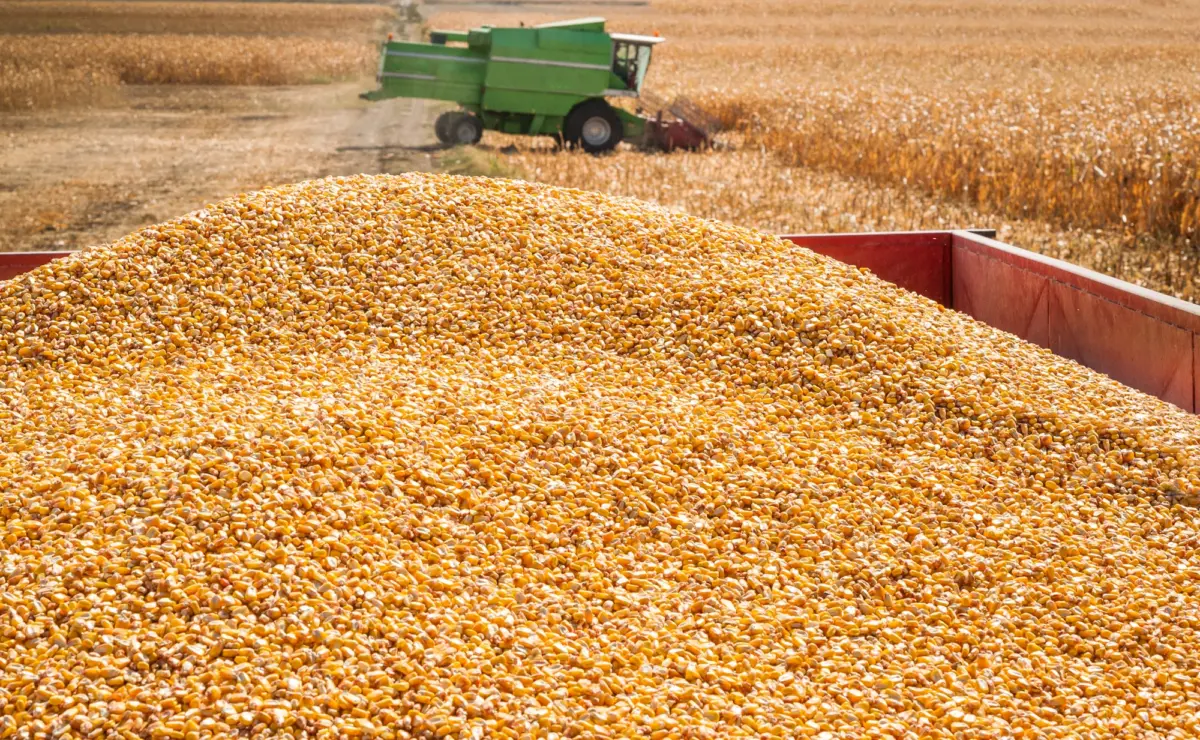
As agricultural markets brace for the release of the United States Department of Agriculture’s (USDA) monthly World Agricultural Supply and Demand Estimates (WASDE) report, financial services and global market intelligence firm StoneX has released its updated independent production projections. StoneX’s latest figures point to an exceptionally robust harvest season, forecasting a national corn yield just shy of 183 bushels per acre. This aggressive estimate sits noticeably higher than previous figures issued by federal regulators and private crop tour organizations alike, injecting a wave of dynamic discussion into the agricultural commodities sector.
According to StoneX’s proprietary models, the national average corn yield is pegged at an impressive 182.9 bushels per acre, driving total national production past the monumental threshold of 16.2 billion bushels. Meanwhile, the firm’s soybean production estimates land closer to traditional consensus norms, forecasting a steady national yield of 53 bushels per acre. These projections arrive at a critical juncture for domestic and international grain markets, where weather anomalies, shifting regional conditions, and evolving pest and weed management strategies continue to dictate the margin between profit and loss for American producers.
Detailed Chronology of Crop Estimation Discrepancies
To fully understand the weight of StoneX’s newly released figures, it is vital to trace the timeline of production estimates that have shaped market sentiment over the late summer growing season.
The forecasting cycle kicked into high gear with private tour numbers—most notably the closely watched Pro Farmer Crop Tour. Conducted across major grain-producing states during the peak of summer, these ground-level assessments yielded conservative outlooks based on pod and kernel counts sampled directly from fields. However, as August progressed, weather patterns across the United States agricultural heartland underwent notable shifts, creating a fractured landscape of crop development.
Following the private tours, the USDA released its August WASDE report, which offered a slightly more optimistic baseline than the tour organizers, yet remained tethered to cautious historical baselines and early-season weather models. StoneX’s newly published figures challenge both benchmarks. By forecasting a national corn yield of 182.9 bushels per acre, StoneX sits:
- 3 bushels above the benchmark figures set in the USDA’s August report.
- 10 bushels above the more conservative estimates published by Pro Farmer following their late-summer field evaluations.
This widening gap between private institutional forecasts and federal numbers has amplified market anticipation for the upcoming WASDE release, as grain traders, ethanol producers, and livestock feeders wait to see how—or if—federal statisticians will adjust their September metrics to reflect late-season yield drivers.
Supporting Context & Metrics: Regional Weather Dynamics and Agronomic Factors
Behind the headline-grabbing national averages lies a complex story of regional disparities. According to insights shared by StoneX officials with the Bottom Line Report, the month of August served as a tale of two distinct agricultural regions, heavily influenced by localized precipitation and temperature fluctuations.
The Central and Eastern Corn Belts: Beneficiaries of Late-Season Vigor
In parts of the central and eastern corn belts, weather conditions during the critical grain-fill stages of August proved remarkably favorable. Adequate soil moisture and manageable heat units allowed plants to maximize kernel development. Rather than shutting down prematurely, crops in these regions capitalized on late-season vitality, effectively adding valuable seed size. This unexpected late-season growth spurt acted as a major catalyst for StoneX’s upward revision of the national average, helping to offset shortfalls recorded elsewhere in the country.
The Western Corn Belt: Dealing with Moisture Stress
Conversely, the western reaches of the corn belt experienced a contrasting trajectory. Persistent dryness and intermittent heat stress during August took a toll on yield potential in localized sectors. In these areas, the heat forced crops to mature at an accelerated pace, which compromised optimal seed size and restricted overall test weights. The net effect of these western struggles created a geographic tug-of-war, yet the robust performance of the central and eastern corridors ultimately propelled StoneX’s national projection to the high-yielding territory of 182.9 bushels per acre—securing a projected total crop exceeding 16.2 billion bushels.
Soybean Consistency and Input Management
While corn dominates the immediate conversation due to its sheer volume and widening estimation gaps, StoneX’s soybean projection of 53 bushels per acre offers a picture of relative stability. Maintaining consistent pod retention and seed fill across multiple growing regions, soybeans have largely tracked in line with pre-report expectations.
For producers seeking to protect and enhance these yields, managing agronomic challenges remains an ongoing priority. Effective weed management continues to be a cornerstone of modern crop production, particularly as producers seek options that offer both efficacy and flexibility. Solutions such as Sinister Nexus—a newly introduced pre-emergent soybean herbicide developed by Helena—exemplify the industry’s continuous push toward weed control technologies designed to flex seamlessly with complex crop rotation strategies. By safeguarding young plants from early-season weed competition, growers can better ensure that their fields reach their genetic yield potential, matching the high benchmarks forecasted by market analysts.
Official Statements and Industry Implications
The divergence between StoneX’s prognostications and federal estimates has sparked widespread debate among agronomists, market analysts, and farming communities. In statements provided during agricultural broadcasting segments, StoneX representatives emphasized that their models account for the subtle, hyper-local weather shifts that broad federal surveys occasionally capture with a time lag.
"August gave with one hand and took away with the other," noted agricultural analysts reviewing the StoneX data. "While the western sectors faced severe moisture hurdles that stunted optimum kernel sizing, the sheer acreage strength and surprising August endurance found throughout the central and eastern corn belts provided a massive counterweight. That balance is what brings us to a potential 16.2 billion bushel corn harvest."
For grain elevator operators and agricultural cooperatives, a crop of this magnitude carries profound logistical implications. Storage capacity will be severely tested across primary production hubs, potentially leading to localized basis pressure during harvest peaks. Furthermore, livestock producers and industrial ethanol manufacturers may find bullish price pressures mitigated by the sheer volume of grain entering the supply chain, provided the USDA validates these higher yield projections in its impending report.
Future Outlook: What to Watch in the Coming Months
As the agricultural sector turns its attention to the immediate horizon, several critical milestones will dictate market direction:
- The Official WASDE Validation: Market participants will scrutinize the upcoming USDA report to determine whether federal data collectors incorporate adjustments that narrow the gap with StoneX’s 182.9 bushels-per-acre projection. Any significant revision by the USDA will instantly move futures markets.
- Harvest Progress and Actual Field Realities: As combines finally roll across the American landscape, actual bin-buster results will confirm whether the central and eastern belt gains truly offset western stress. Elevator receipts and early yield monitors will serve as the ultimate arbiters of these projections.
- Post-Harvest Input Planning: With harvest figures coming into focus, growers will increasingly turn their attention toward next season’s input strategies. The integration of advanced pre-emergent chemistries, such as Helena’s Sinister Nexus, will play a pivotal role in weed resistance management and cropping system flexibility, ensuring that producers are well-equipped regardless of shifting weather paradigms.
Ultimately, while estimation models will continue to fluctuate until the final bushels are secured in bins and elevators, StoneX’s aggressive forecast underscores the resilient, highly adaptable nature of American agriculture in the face of erratic seasonal weather.

0 Comments