

Executive Overview
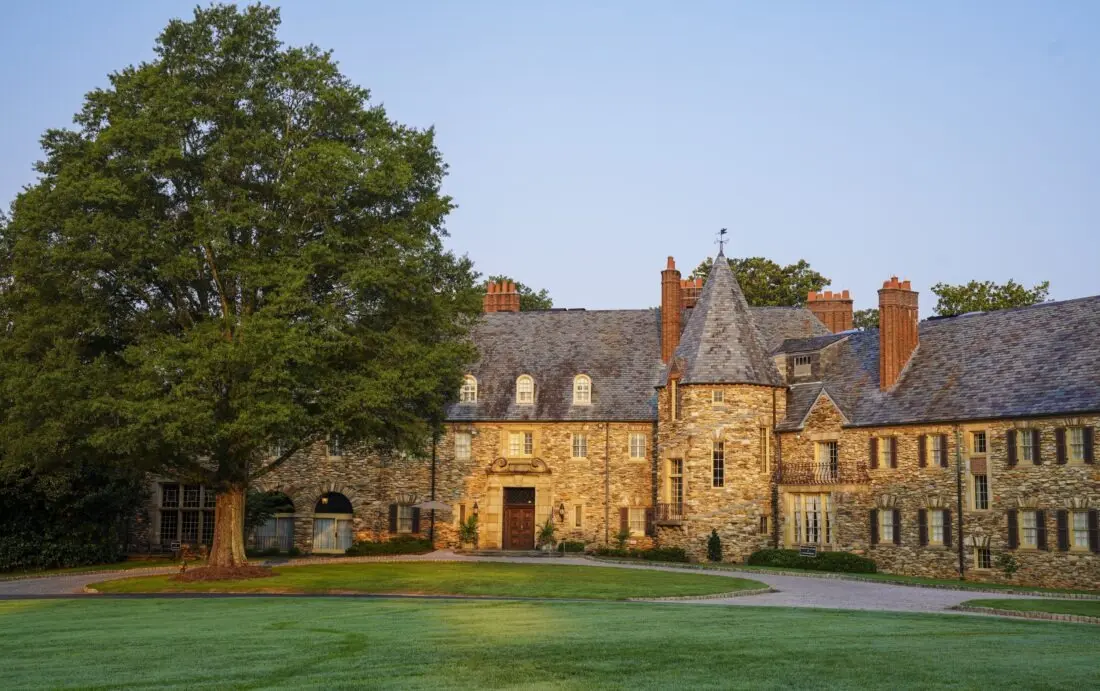
Nestled within the rolling topography of Winston-Salem, North Carolina, the Graylyn Estate stands as a monument to architectural eclecticism, unbridled ambition, and historical reinvention. Once a private sanctuary for R.J. Reynolds Tobacco Company president Bowman Gray and his visionary wife, Nathalie, the estate has transcended its origins to become one of the American South’s most celebrated boutique hotels. Its modern-day identity was thrust onto the global stage when Germany’s men’s national soccer team selected the manor as their exclusive home base during the 2026 FIFA World Cup, draping towering white banners across its historic facade.
Yet, international athletic spectacles represent only the latest veneer on a nearly century-old canvas. Graylyn’s narrative is a labyrinthine tale encompassing a high-stakes French Supreme Court battle over 17th-century wood paneling, a stint as an academic psychiatric hospital, a luxurious collegiate dormitory for Wake Forest University students, and a devastating fire that catalyzed its rebirth into hospitality. Boasting 85 individually appointed guest rooms and suites, whimsical architectural flourishes—such as skylit poultry houses converted into modern lodgings—and enduring traditions like round-the-clock ice cream, Graylyn remains a masterclass in adaptive reuse and a living archive of Gilded Age opulence.
Detailed Chronology: A Century of Architectural and Institutional Metamorphosis
The Gilded Genesis (1928–1932)
The story of Graylyn began in the late 1920s, an era defined by industrial expansion and architectural grandiosity in the Piedmont region of North Carolina. Between 1928 and 1932, Bowman Gray—then serving at the helm of the R.J. Reynolds Tobacco Company—and his wife, Nathalie, set out to construct a country estate that would defy standard architectural categorization.
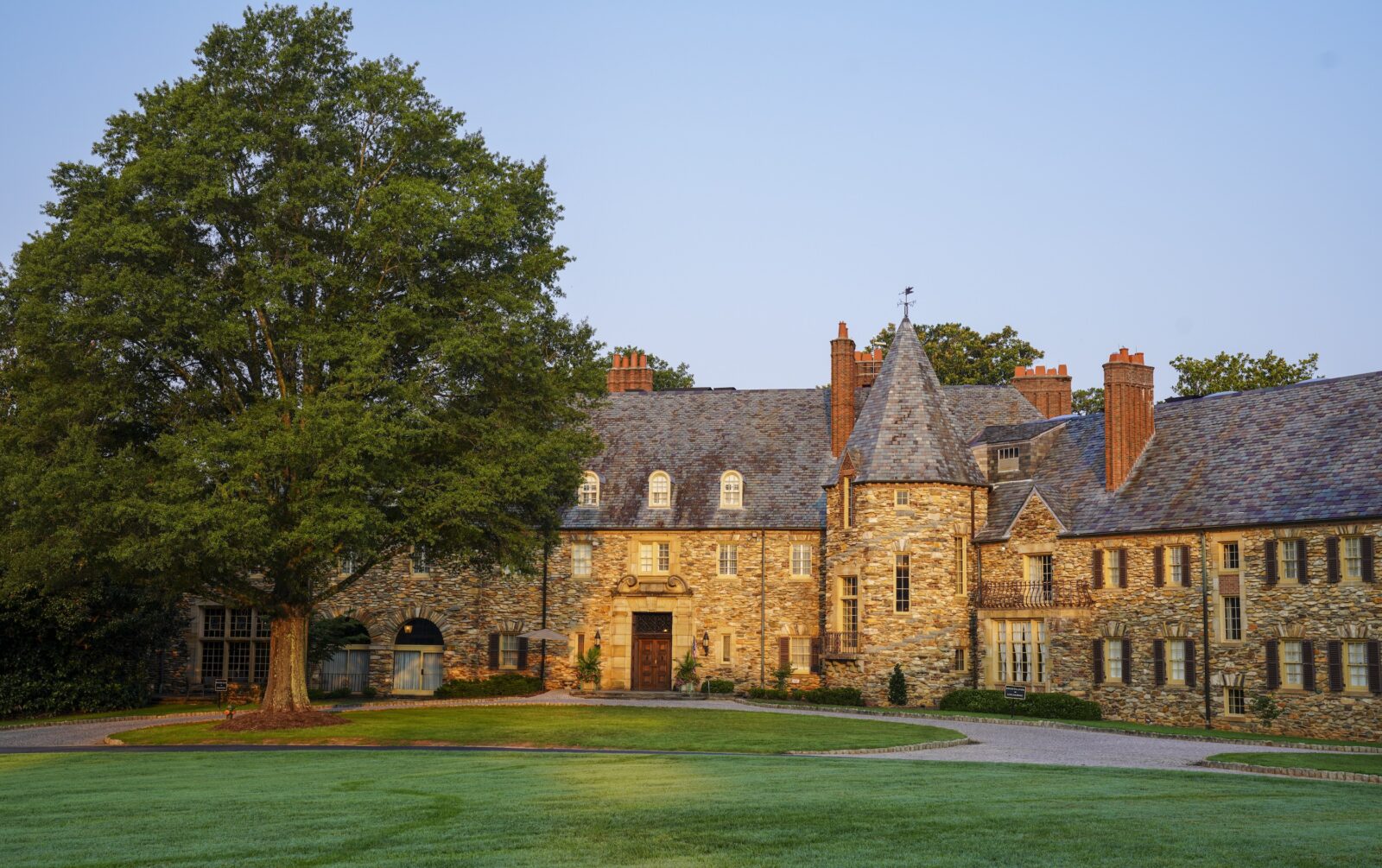
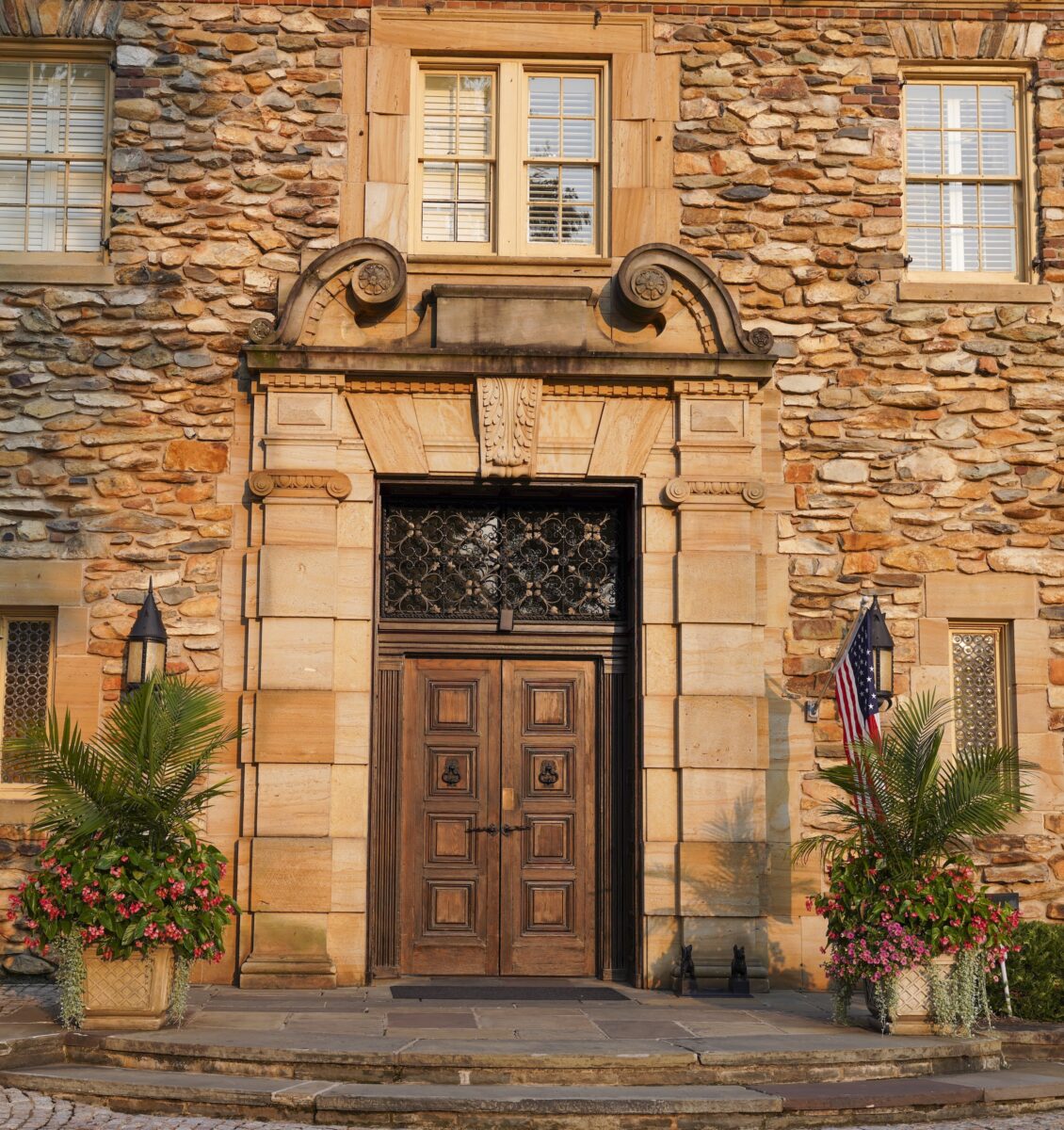
Nathalie Gray acted as the primary visionary for the project. Rejecting the uniform design philosophies popular among her contemporaries, she opted instead for a patchwork aesthetic informed by her extensive international travels. She integrated disparate architectural epochs and cultural motifs into a cohesive, sprawling manor. Visitors step from a medieval-style stone-carved entryway directly into a refined Georgian Revival living room, before transitioning to a Persian card room characterized by intricate, hand-carved wood panels sourced directly from Istanbul.
The Parisian Legal Battle (c. 1930)
Nathalie’s quest for historical authenticity nearly sparked an international diplomatic incident. During a sojourn in Paris, the Grays acquired a set of rare Louis XIV wall paneling dating back to the 1680s. Recognizing the historical and cultural significance of the artifacts, the French government intervened, attempting to block the exportation of the panels under domestic heritage protection laws.
Unwilling to relent, the Grays mounted a vigorous legal defense. The dispute escalated through the French judicial system, ultimately culminating in a landmark ruling by the French Supreme Court. The court found in favor of the Grays, allowing the 17th-century treasures to be uninstalled, shipped across the Atlantic, and permanently embedded into the fabric of the estate’s library, where they remain to this day.
Institutional Shifts and Medical Era (1946–1972)
Following the passing of its original creators, maintaining private residential use of such a monumental estate proved unsustainable. In 1946, the Gray family made the monumental decision to donate the property to the Bowman Gray School of Medicine at Wake Forest University.
For more than two decades, the sprawling manor house and its manicured grounds functioned as an academic psychiatric hospital. During this period, the estate’s grand reception rooms and opulent suites witnessed clinical innovation and psychiatric care, bridging the gap between Gilded Age luxury and mid-century medical science.
The Collegiate Dormitory and The 1980 Fire
By the early 1970s, the medical school’s needs had evolved. In 1972, Gordon Gray—son of Bowman and Nathalie—repurchased the estate from the medical institution and promptly gifted it back to Wake Forest University, this time designated for academic and student use.
For the next several years, undergraduate and graduate students enjoyed an arguably unprecedented level of collegiate luxury, living within halls adorned with imported European antiques and historic paneling. This chapter came to an abrupt, dramatic halt in 1980 when a destructive fire broke out on the manor house’s third floor. The blaze inflicted significant structural damage, forcing Wake Forest University to evaluate the long-term viability of the property. Rather than demolishing or abandoning the historic site, the university chose a path of restoration, launching a comprehensive capital project to transform Graylyn into a premier hotel and conference center.
Modern Luxury and Global Stardom (1980–2026)
Since its late-20th-century conversion into a hospitality venue, Graylyn has undergone periodic, meticulous renovations designed to preserve its historic integrity while integrating contemporary luxury amenities. The culmination of this century-long evolution arrived in the summer of 2026, when the German men’s national soccer team made Graylyn their official home base during the World Cup. The presence of elite international athletes marching through courtyards designed for 1930s aristocracy cemented the estate’s status as a dynamic, living institution capable of bridging centuries past with the modern demands of global luxury travel.
Supporting Context & Metrics: Architecture, Amenities, and Operations
Architectural Typology and Room Distribution
Graylyn’s physical footprint spans acres of meticulously landscaped grounds, featuring structured gardens, stone bridges, gatehouses, and a picturesque fishing pond. Across the entire property, the estate houses 85 distinct guest rooms and suites, with no two rooms sharing an identical layout or interior design scheme.
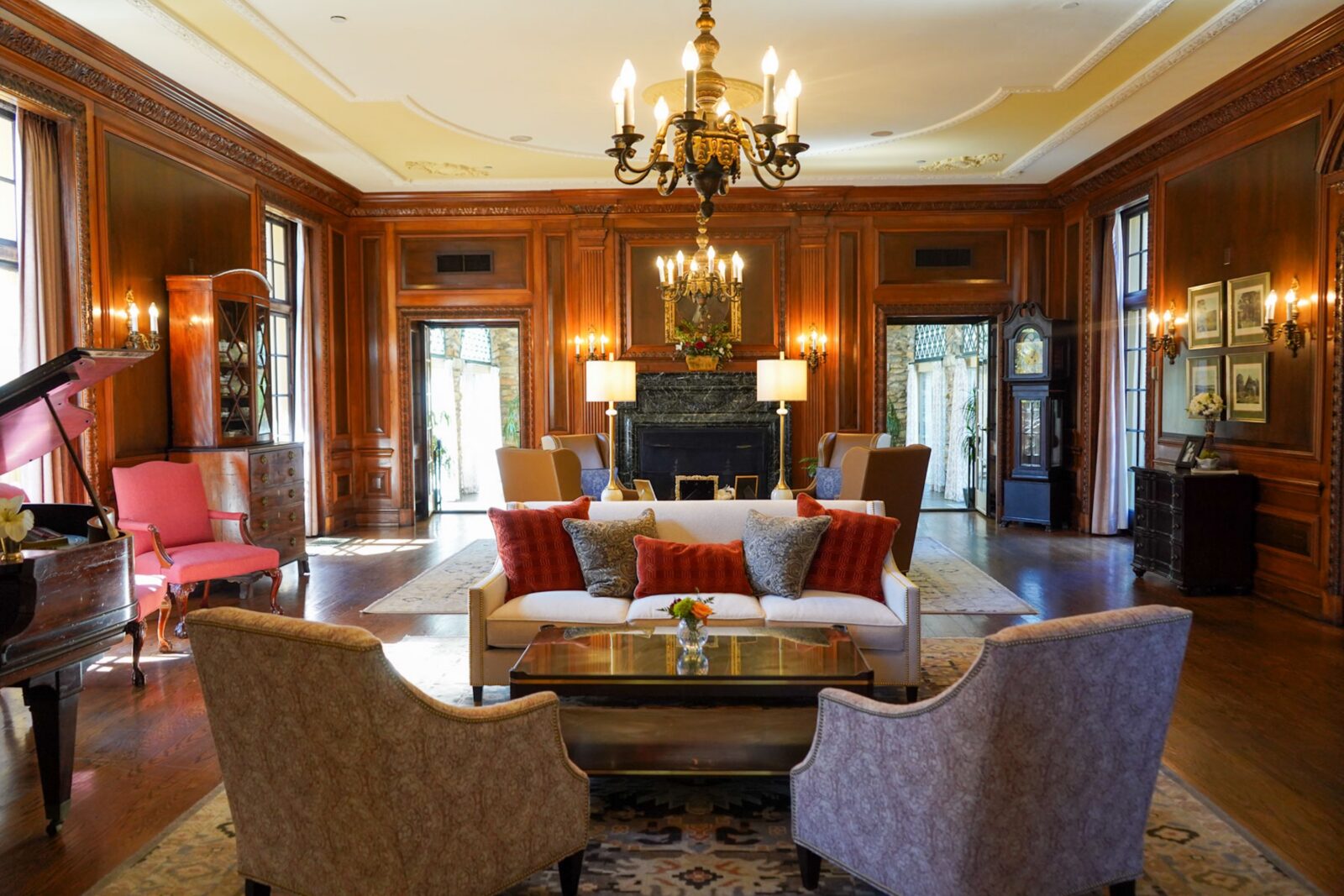
Key accommodations and design features include:
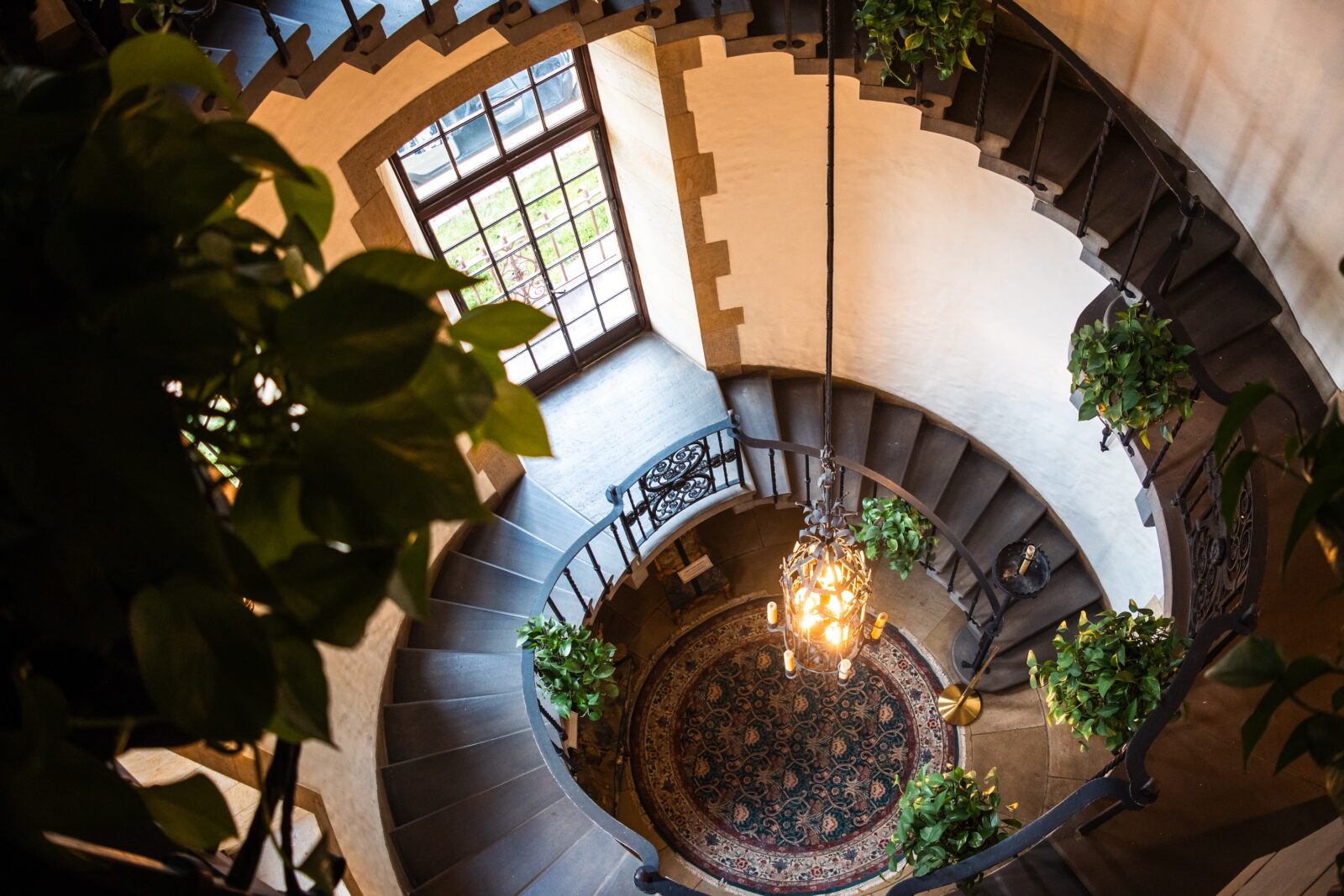
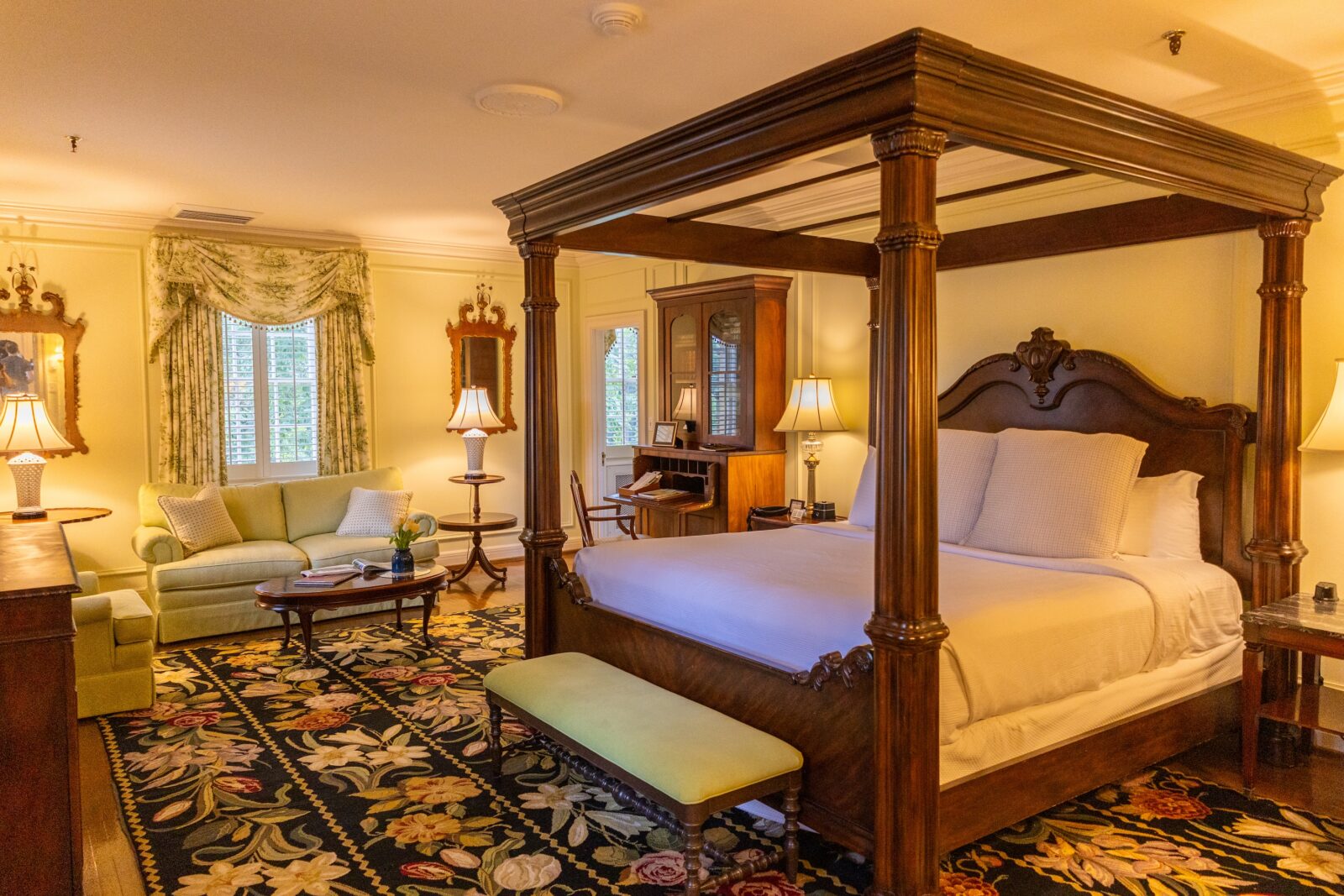
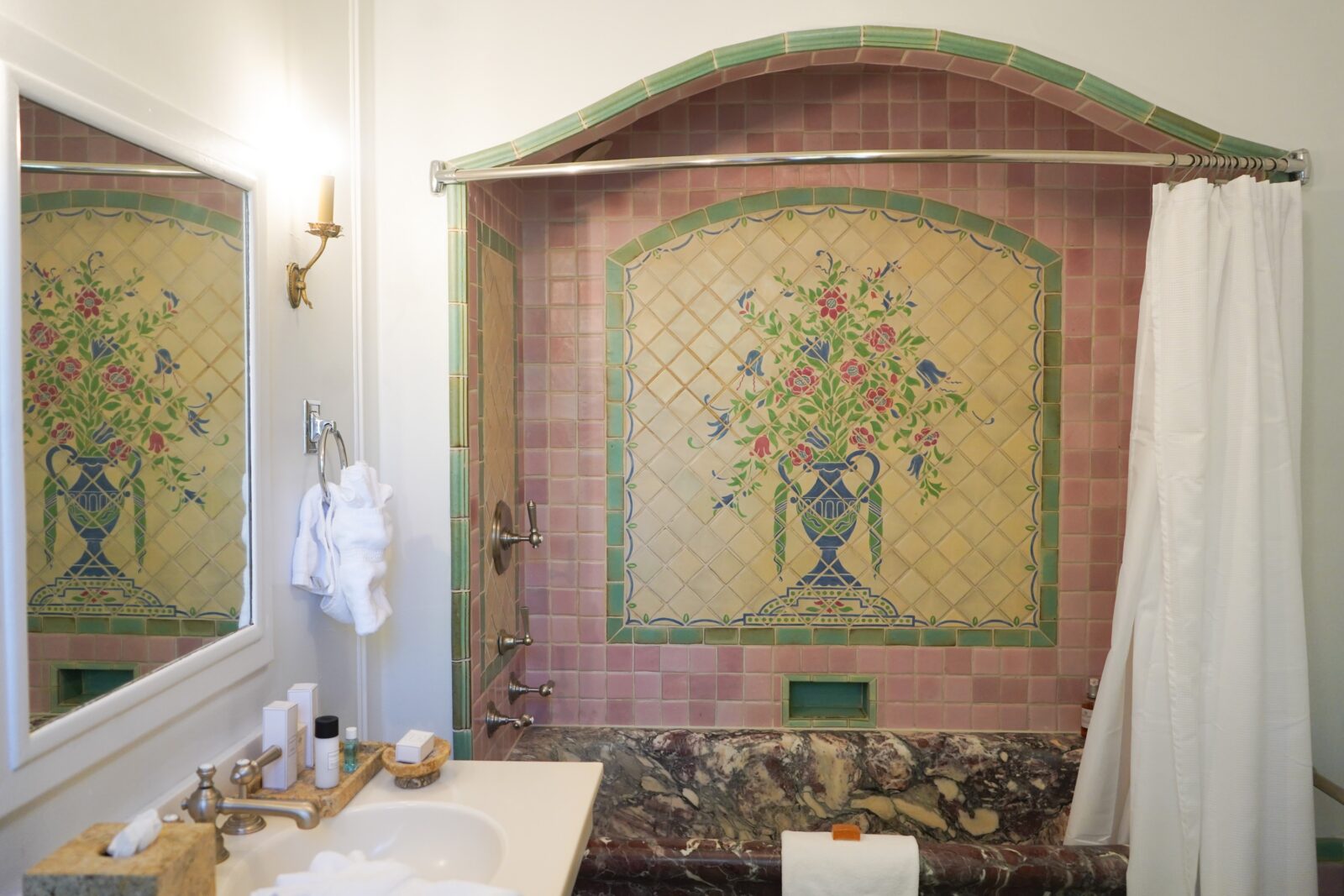
- The Manor House: Features original architectural salvage, four-poster beds, Grecian-inspired bathroom tiling, and deep Italian marble soaking tubs. Mr. Gray’s Suite and the grand stair tower represent the pinnacle of period preservation.
- The Mews: Originally functioning as the estate’s farm complex—complete with Nathalie Gray’s famous skylit poultry houses designed to expose her chickens to natural sunlight—the Mews has been entirely converted into modern guest lodgings. Among its most unique offerings is a two-story luxury suite built directly inside the historic grain silo.
On-Site Amenities and Recreational Infrastructure
To maintain its standing as a top-tier boutique resort, Graylyn pairs historical immersion with comprehensive leisure infrastructure:
- Aquatic and Athletic Facilities: A seasonal outdoor swimming pool, professional tennis courts, and miles of private walking trails winding through the estate.
- Neighborhood Integration: Direct pedestrian access to the adjacent historic Reynolda Estate, allowing guests to explore its formal gardens, museums, and natural trails just across the street.
- Culinary Institutions: Daily afternoon butterscotch cookie services and a legendary 24-hour ice cream parlor, modeled after Bowman Gray’s personal penchant for frozen treats.
Official Statements and Leadership Perspectives
The unique operational challenge of managing a living museum that doubles as a high-end luxury hotel requires a delicate balance of preservation and hospitality. Leadership at Graylyn emphasizes the emotional resonance the property evokes in first-time visitors and international travelers alike.
Alexandra Collins, Director of Sales and Marketing at the Graylyn Estate, captured the enduring allure of the property in a recent statement reflecting on guest arrivals:
"I can see the look on their faces when they drive down the driveway and see the manor house for the first time. It truly is a sight to behold."
Collins notes that despite the decades of institutional shifts—from tobacco estate to psychiatric hospital, student dormitory to modern boutique hotel—the property retains an immediate, disarming grandeur.
Discussing the recent hosting of the German World Cup team, hospitality executives noted that the estate’s sprawling layout, secure perimeter, and historic privacy made it an ideal compound for high-profile international delegations seeking seclusion combined with world-class hospitality infrastructure.
Future Outlook
As the Graylyn Estate approaches its centennial anniversary, its trajectory points firmly toward the expansion of its luxury hospitality offerings while safeguarding its architectural lineage. Future strategic initiatives focus on sustainable preservation practices, ensuring that fragile historical elements—such as the 1680s French library paneling and the structural masonry of the Mews—withstand the demands of increased global tourism.
Furthermore, the estate’s high-profile spotlight during the 2026 World Cup has catalyzed international brand recognition, positioning Winston-Salem not merely as a regional southern stopover, but as a destination-grade luxury resort market. By maintaining eccentric, beloved traditions like the 24-hour ice cream service alongside modern technological and hospitality upgrades, Graylyn proves that historical preservation does not require stagnation. Nearly a hundred years after Nathalie Gray began piecing together her architectural dream home, the estate remains an enduring testament to the power of unbridled imagination, proving that a touch of excess remains an essential ingredient of timeless luxury.

0 Comments