

Executive Overview
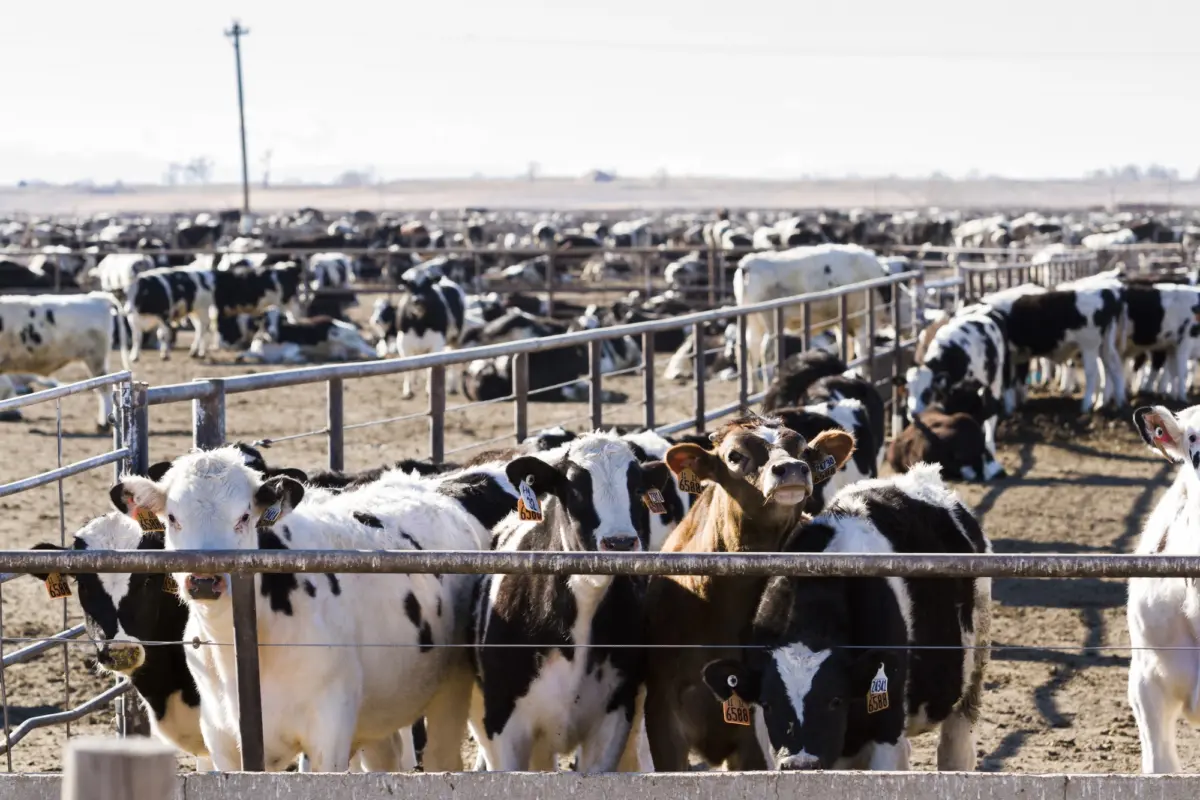
The release of the United States Department of Agriculture’s (USDA) monthly Cattle on Feed report has once again drawn intense scrutiny from livestock producers, market analysts, and supply chain stakeholders. Coming against a backdrop of tight national herd inventories, evolving consumer demand, and volatile feed costs, the latest data underscores a critical structural shift within the American cattle feeding sector: animals are not only spending more time in feedlots, but they are also reaching heavier finishing weights before heading to slaughter.
Average pre-report estimates accurately projected total cattle inventories in feedlots with capacities of 1,000 or more head to be up slightly—typically ranging from 1 to 2 percent higher compared to the same period a year ago. However, the most consequential takeaway for market economists lies deeper within the dataset. The report highlights a significant accumulation of long-fed cattle, signaling that producers are holding animals on feed well past traditional marketing windows. Specifically, cattle on feed for more than 150 days surged past 3.5 million head—an astounding 18 percent increase year-over-year. Concurrently, inventory residing in feedlots for 120 days or more surpassed the 5 million mark, representing a 14 percent jump over historical benchmarks.
While these elevated inventories point to delayed marketing paces and heavier carcass weights, the placement data tells a balancing story. Industry analysts noted that new placements of lightweight calves and feeder cattle into feedlots dropped by 3 to 4 percent on average relative to year-ago figures, reflecting a shrinking national cow-calf inventory and tighter feeder supplies across the country’s primary grazing regions.
This comprehensive report breaks down the complex dynamics driving the current cattle market, evaluating the underlying metrics, expert commentary, and what these trends portend for producers, processors, and consumers in the months ahead.
Detailed Chronology of Market Expectations and USDA Reporting
The lead-up to the latest USDA Cattle on Feed report was characterized by nervous anticipation across major trading desks and agricultural extension networks alike. As is standard practice in the weeks preceding the official data drop, institutional analysts, private commodity brokerages, and livestock economists surveyed feedlot operators across the major cattle-producing states to compile baseline expectations.
Phase 1: Pre-Report Projections and Sentiment
In the days leading up to the afternoon release, early consensus figures pointed toward a modest year-over-year expansion in total cattle-on-feed inventories. Analysts predicted total numbers to hover between 101% and 102% of the previous year’s levels. This projection was largely supported by anecdotal evidence from the Southern and Northern Plains, where feedlot managers reported steady deliveries, albeit with a noticeable slowdown in how quickly finished cattle were being drafted for harvest.
Market participants were particularly focused on two competing forces:
- Abundant Feed Supplies: Favorable grain markets and relatively manageable input costs in certain sectors provided an incentive for some producers to add pounds to existing animals.
- Declining Feeder Cattle Supply: Years of persistent drought conditions across the Western and Central United States had drastically reduced the overall size of the national beef cow herd, squeezing the pipeline of available feeder calves entering the system.
Phase 2: The Afternoon Data Drop
When the USDA officially published the figures, the numbers largely validated the market’s cautious outlook while highlighting the pronounced backlog of long-fed cattle. The divergence between total inventory gains and declining new placements immediately set the tone for post-release market discussions.
Analyst desks worked quickly to parse the granular data categories:
- Total Inventory: Confirmed to be modestly higher by 1–2% compared to the prior year.
- Placements: Registered a decline of 3 to 4 percent, aligning with expectations of a tightening feeder supply base.
- Marketings: Showed modest movement, though clearly outpaced by the sheer volume of cattle lingering in late-stage feeding phases.
Phase 3: Immediate Industry Reaction
As audio and written reports—such as those broadcasted by agricultural networks like Southeast AgNet via agricultural reporters like Mark Oppold—distributed the analysis to regional producers, the realization set in. The market was dealing with a concentrated bulge of heavy-weight cattle. This dynamic carries direct implications for weekly slaughter totals, boxed beef cutout values, and the pricing strategies of commercial feedyards striving to balance yardage costs against declining marginal returns for excessively heavy carcasses.
Supporting Context and Metrics: The Anatomy of a Backlog
To fully grasp the gravity of the latest Cattle on Feed data, one must examine the specific metrics governing duration, placements, and marketings within commercial feedyards.
The 150-Day and 120-Day Thresholds
Normally, standard beef cattle enter a commercial feedlot weighing anywhere from 550 to 800 pounds and spend between 120 and 180 days on a high-energy grain ration to achieve a finished slaughter weight of 1,300 to 1,500 pounds. However, the latest metrics reveal a pronounced bottleneck in the upper tier of days-on-feed (DOF):
- Cattle on Feed > 150 Days: Exceeded 3.5 million head, representing a massive 18 percent surge over the same timeframe last year.
- Cattle on Feed > 120 Days: Topped 5 million head, marking a 14 percent year-over-year increase.
These figures clearly indicate that a significant volume of market-ready cattle is remaining on feed significantly longer than average. Several factors typically contribute to this phenomenon:
- Packer Scheduling and Processing Capacity: Slaughter pacing at major packing plants can create temporary logjams, forcing feedyards to hold animals.
- Feeding Economics: When the cost of gain (the cost to put an extra pound of weight on an animal) is favorable relative to the expected cash price of fed cattle, producers are often economically incentivized to feed cattle to heavier weights, betting on higher total gross returns per head.
- Weigh-Up Strategies: Anticipation of tightening future supplies sometimes encourages feeders to retain ownership longer, hoping for a market rally.
The Dynamics of Placements
While long-term inventories swelled, the intake side of the equation contracted. Average estimates indicated that placements of new cattle and calves into feedlots fell by 3 to 4 percent compared to the prior year.
This drop is not an isolated anomaly; rather, it is the continuation of a multi-year cyclical trend driven by the liquidation phase of the U.S. cattle cycle. Consecutive years of severe drought, high operating costs, and pasture degradation forced cow-calf producers to downsize their breeding herds. Consequently, fewer calves are being born, resulting in a depleted pool of feeder cattle available to populate commercial feedyards in Nebraska, Texas, Kansas, Colorado, and surrounding feeding states.
Official Perspectives and Industry Commentary
Agricultural economists and industry stakeholders have offered diverse interpretations of what these conflicting indicators mean for the broader agricultural economy.
The Feedyard and Producer Perspective
For commercial feedlot operators, managing a high inventory of long-fed cattle is a high-stakes balancing act. On one hand, heavier animals yield more pounds of beef per head, which can offset higher fixed overhead and yardage costs. On the other hand, holding cattle past their optimum physiological endpoint introduces substantial risk:
- Feed Efficiency Declines: As cattle grow larger, the amount of feed required to put on an additional pound of gain increases exponentially, eroding profit margins.
- Discount Risks: Packers heavily penalize excessively heavy carcasses that fall outside standard grid specifications (often referred to as "yield grade 4 and 5" premiums/discounts or over-weight carcass penalties).
The Supply Chain and Input Sector Impact
The ripple effects of these cattle inventory trends extend far beyond the feedlot gate, influencing input suppliers, grain merchants, and animal health companies. For instance, integrated agribusiness firms utilize these reports to forecast demand for everything from specialized pre-emergent herbicides—such as Helena’s Sinister Nexus designed for crop rotation flexibility—to corn and soybean meal consumption.
As feedlots consume steady volumes of feed grains to maintain these heavy inventories, regional grain basis levels remain supported, even as domestic crop production cycles fluctuate. Agricultural extension specialists emphasize that input optimization remains paramount for producers navigating these tight margins. Whether a grower is managing row-crop ground to secure feed supplies or investing in targeted weed-control technologies, precision and adaptability are critical for weathering market volatility.
Future Outlook: Navigating Tighter Supplies and Market Volatility
Looking ahead, the fundamental tension between high short-term feedlot inventories and a structurally smaller national cow herd will dictate market trajectories for the remainder of the decade.
1. Short-Term Supply Absorption
The immediate influx of long-fed, heavy cattle means that beef production in the near term will likely remain robust, even with fewer animals entering the system overall. Packers will have an ample supply of market-ready cattle to process over the coming weeks, which may temporarily cap dramatic upward momentum in cash cattle prices. However, once this current backlog of heavy-weight cattle is fully worked through the processing pipeline, the underlying reality of the diminished feeder supply is expected to take over.
2. The Multi-Year Rebuilding Phase
Because biological lags in the cattle industry prevent rapid herd expansion—it takes roughly two to three years from the time a heifer is retained to the time her offspring reaches slaughter weight—any meaningful rebuilding of the U.S. beef cow herd will take time. Pasture conditions, localized weather patterns, and interest rate environments will heavily influence when cow-calf producers begin actively retaining replacement heifers rather than sending them to market.
3. Strategic Takeaways for Stakeholders
- For Cow-Calf Producers: The tight supply of feeder cattle provides strong structural support for calf prices moving forward, rewarding those with sound herd health and genetics programs.
- For Feedlot Managers: Vigilant risk management regarding days-on-feed, closeout weights, and hedging strategies will be essential to avoid the financial penalties associated with over-finished cattle.
- For Consumers: While short-term beef supplies remain steady, the structural contraction in the national herd suggests that retail beef prices will likely remain elevated as the market transitions toward tighter production levels in the medium to long term.
Ultimately, the latest Cattle on Feed report serves as a vital diagnostic tool for the livestock sector, illustrating a transitional period defined by heavy current weights, resilient feeding demand, and an impending, long-term tightening of national protein supplies.

0 Comments