In the bustling and hyper-competitive culinary scene of Charlotte, North Carolina, food enthusiasts seeking a transformative breakfast experience are routinely directed toward Grey’s Diner and Community Kitchen. Opened in the spring by acclaimed chef Sam Diminich, the establishment has quickly become a beloved neighborhood fixture. Yet, Grey’s Diner represents only one facet of Diminich’s growing culinary footprint. His flagship establishment, the intimate ten-table Restaurant Constance, has already garnered prestigious accolades from both the James Beard Foundation and the Michelin Guide, cementing Diminich’s status as a master of precision, balance, and contemporary Southern gastronomy.
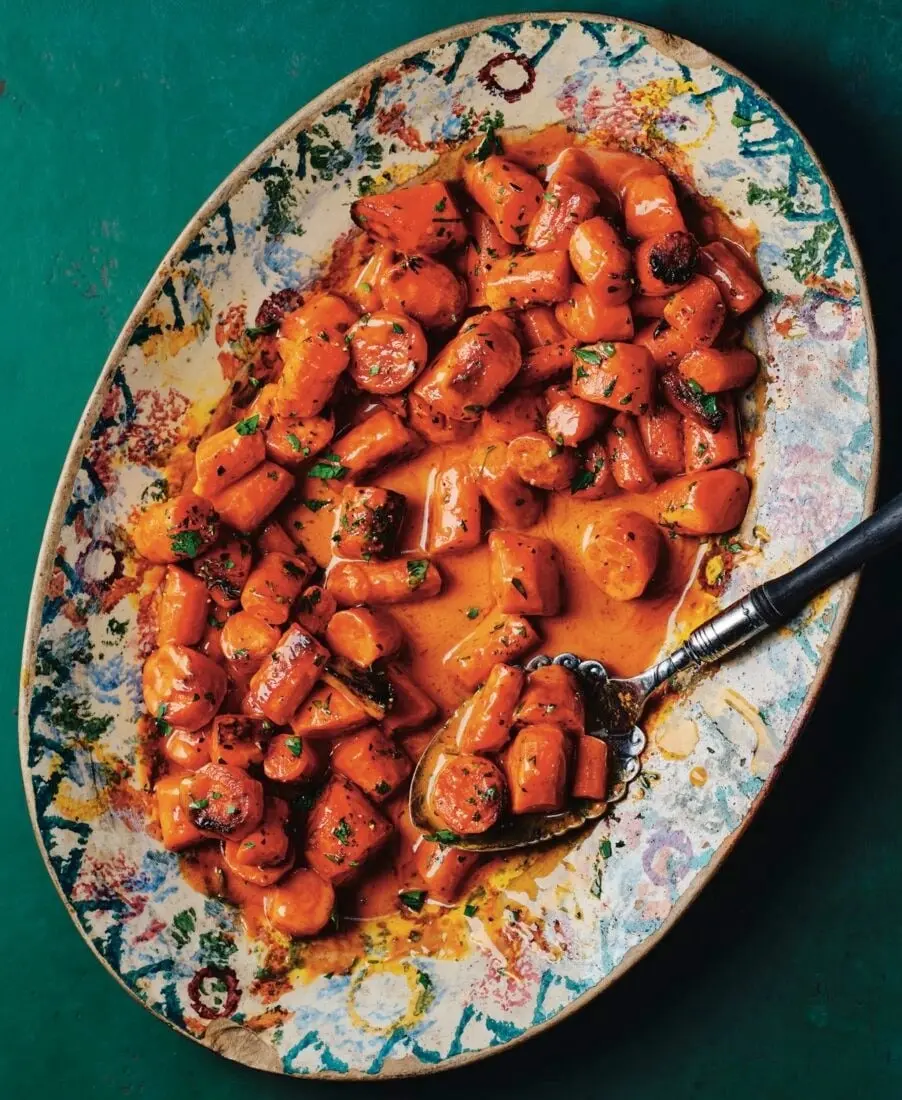
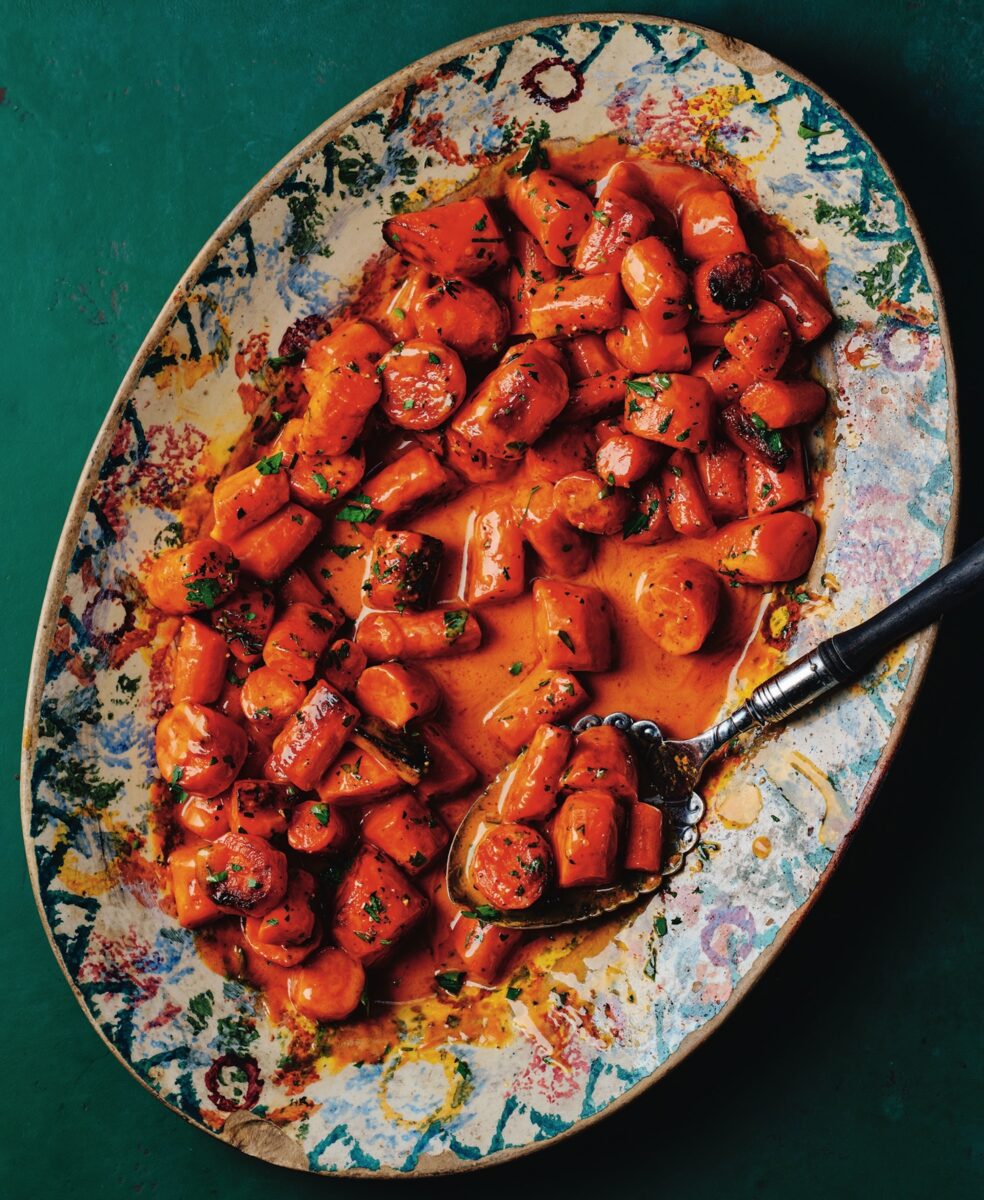
However, beneath the polished exterior of fine-dining accolades and critical praise lies a chef whose culinary philosophy is fundamentally rooted in humility, nostalgia, and personal redemption. While Diminich commands a professional kitchen capable of executing complex, avant-garde tasting menus, his heart remains tied to uncomplicated, soul-warming flavors. This duality—between rigorous technique and unpretentious comfort—defines his signature dishes, most notably his elevated interpretation of traditional creamed carrots.
Diminich’s journey to the upper echelons of Southern cuisine is as remarkable as his food. It is a narrative defined by early lessons in Myrtle Beach family restaurants, foundational mentorship from Black culinary veterans, a harrowing descent into severe drug and alcohol addiction, and a triumphant, life-affirming recovery that began in 2014. Today, Diminich balances his high-end restaurant ventures with deep community outreach, regularly providing nourishing meals to local recovery centers. Through his food, Diminich tells a story of resilience, honoring the farmers who cultivate the land, the mentors who shaped his craft, and the simple pleasures that first made him fall in love with hospitality.
Detailed Chronology: From Myrtle Beach Foundations to Charlotte Acclaim
Early Beginnings and the Coastal Classroom
Sam Diminich’s relationship with food began long before he stepped into a professional brigade as an executive chef. Growing up in Myrtle Beach, South Carolina, Diminich was immersed in the restaurant industry from an early age. His family owned and operated traditional Italian eateries, where Diminich started his career at the lowest rung of the ladder: washing dishes.
Rather than viewing the scullery as a chore, the young Diminich treated the kitchen as an immersive classroom. His formative cooking stint at the former Sea Island Inn in Myrtle Beach proved to be a profound turning point. In an era when formal dining rooms featured tuxedo-clad servers rolling heavy silver casserole dishes down the aisle to serve classic tableside preparations—such as rich, velvety creamed spinach—Diminich experienced the theatrical magic of hospitality firsthand.
Crucially, it was within the high-heat, high-pressure environment of the Sea Island Inn kitchen that Diminich found his true mentors. The African American cooks running the line possessed an encyclopedic, generational knowledge of ingredients, seasoning, and technique that formal culinary schools rarely captured. Diminich spent his off-hours following these seasoned cooks around the kitchen, absorbing every scrap of knowledge, technique, and kitchen wisdom they were willing to share. This foundation instilled in him a lifelong respect for the foundational laborers of the kitchen and an understanding that the best food is rooted in history, patience, and respect for raw materials.
The Descent and the Long Road to Sobriety
Despite early promise, Diminich’s trajectory was severely derailed by the ravages of substance abuse. Drug and alcohol addiction slowly consumed his personal and professional life, eventually stripping away his career, his stability, and his dignity. At the nadir of his struggles, Diminich found himself experiencing homelessness, living on the streets while his culinary career lay in ruins.
The turning point arrived through a combination of personal reckoning, community intervention, and an unwavering determination to reclaim his life. In 2014, Diminich achieved sobriety, embarking on a difficult yet transformative journey of personal and professional rebuilding. By stepping back into the kitchen with a clear mind and renewed purpose, he channeled his lived experience into his cooking. Today, his sobriety is not merely a personal milestone; it is the philosophical bedrock of his professional ethos. Diminich refuses to compartmentalize his recovery from his career, actively extending a lifeline to others walking the path of rehabilitation by supplying meals to Charlotte’s recovery centers and employing individuals seeking a fresh start through Grey’s Diner and Community Kitchen.
The Rise of Restaurant Constance and Grey’s Diner
With his life stabilized and his creative vision sharpened, Diminich established Restaurant Constance in Charlotte. Named in honor of his mother, the restaurant was designed as an intimate, hyper-focused dining space featuring just ten tables. This deliberate limitation allows Diminich and his team to execute meticulously crafted dishes that emphasize seasonal availability, sustainable sourcing, and meticulous flavor profiles. The restaurant quickly caught the attention of national critics, earning nods from both the Michelin Guide and the James Beard Foundation.
Building on the success of Restaurant Constance, Diminich expanded his reach in the spring by opening Grey’s Diner and Community Kitchen. Designed as a gathering space that bridges the gap between classic diner comfort and modern culinary execution, Grey’s quickly became a destination for breakfast lovers across Charlotte. Whether serving morning diners or plating multi-course tasting menus, Diminich maintains a singular standard of culinary integrity.
Supporting Context & Metrics: The Anatomy of a Dish
To understand Diminich’s culinary worldview, one need look no further than his personal relationship with comfort food. When asked about his favorite childhood Thanksgiving dish, Diminich bypasses complex culinary feats in favor of a distinctly nostalgic choice: Stove Top stuffing, doctored up with his mother’s personal touch.
"It was straight out of the box, but the way she made it was something I held on to," Diminich reflects. "Simple is sometimes the perfect thing."
This philosophy directly informs his creation of creamed carrots, a dish that bridges classic French technique with contemporary farm-to-table Southern sourcing.
The French Tradition Meets North Carolina Agriculture
Creamed carrots have long occupied a venerable space in classical French cuisine. The dish gained widespread American popularity when culinary icon Julia Child featured a definitive, highly celebrated recipe in her seminal 1961 cookbook, Mastering the Art of French Cooking.
Diminich’s modern reimagining of this classic, however, was born out of a specific agricultural encounter. During a visit to Isaac Oliver’s Harmony Ridge Farms in Tobaccoville, North Carolina, Diminich tasted a carrot pulled straight from the dark, fertile earth.
"I tasted carrots pulled straight from the ground," Diminich says. "They were almost naturally sugar infused, and I wanted to create a dish that honored both the ingredient and the farmers behind it."
The Culinary Mechanics of Diminich’s Creamed Carrots
Diminich’s recipe avoids the heavy, masked flavors of traditional vegetable medleys by utilizing a dual-stage preparation method that maximizes natural sweetness and textural contrast:
The Prep & Juice Reduction: Diminich cuts a portion of the fresh, locally sourced carrots into traditional oblique chunks to provide structural integrity and a satisfying bite. The remaining carrots are put through a juicer to extract their natural liquid sugars.
The Infusion: The extracted carrot juice is combined with heavy cream and fresh sprigs of aromatic thyme, then simmered slowly on the stovetop to reduce into a concentrated, velvety base.
Caramelization: Meanwhile, the oblique carrot chunks are introduced to a hot pan, allowing their natural sugars to caramelize, adding a layer of earthy depth and subtle char.
The Final Finish: The caramelized carrots finish their cooking process directly within the reducing cream-and-carrot-juice mixture, absorbing the rich liquids and transforming into a cohesive, luxurious dish.
At Restaurant Constance, Diminich frequently pairs this creation with robust, slow-braised meats such as spiced pork shanks. Yet, he notes that on a holiday table, the dish stands easily on its own as a study in simple elegance.
"It’s flavor on flavor," Diminich explains, "but it all circles back to those carrots."
Official Statements & Culinary Philosophy
Diminich’s approach to food and hospitality is grounded in humility, mentorship, and a deep reverence for the agricultural community. In various interviews and public appearances, the chef has consistently articulated a worldview that prioritizes human connection over ego.
On the Power of Simplicity: "In a professional kitchen, it is easy to fall into the trap of over-complicating things just to prove a technical point. But when you taste something as pure as a carrot fresh out of North Carolina soil, or remember the comfort of a box of stuffing made with love by your mother, you realize that simple is sometimes the absolute perfect thing."
On Kitchen Mentorship and History: "The African American cooks in the kitchen [at Sea Island Inn] knew so much. I remember following them around, trying to absorb as much info as I possibly could. That’s where I fell in love with food and hospitality and ingredients. Everything I do in the kitchen today is built on the foundations I learned from watching them work."
On Recovery and Community Responsibility: "Cooking saved my life, but keeping other people alive and supported is what keeps me going. Whether it’s feeding folks in recovery centers or building a community kitchen where everyone feels welcome, the table should always be a place of healing."
Future Outlook: Expanding the Mission in Charlotte
As Sam Diminich looks toward the future, his primary objective is to deepen his impact within the Charlotte community while continuing to push the boundaries of his craft. The swift acclaim garnered by both Restaurant Constance and Grey’s Diner indicates that Diminich’s dual approach—pairing high-end, Michelin-recognized precision with accessible, community-focused comfort food—resonates powerfully with contemporary diners.
In the coming months, Diminich plans to expand his partnerships with regional agrarian producers like Harmony Ridge Farms, reinforcing a farm-to-table pipeline that supports local North Carolina agriculture. Furthermore, he intends to scale his philanthropic initiatives, utilizing the kitchen at Grey’s Diner as a vocational training ground and a distribution hub for nutritional outreach in local recovery networks.
For Diminich, every service, every menu, and every plate of creamed carrots represents a continuation of a remarkable second chance. By honoring the mentors of his youth, respecting the farmers who work the land, and maintaining an unwavering commitment to his sobriety, Sam Diminich has established himself not merely as one of Charlotte’s finest chefs, but as a vital pillar of its culinary and moral community.



0 Comments