

Executive Overview
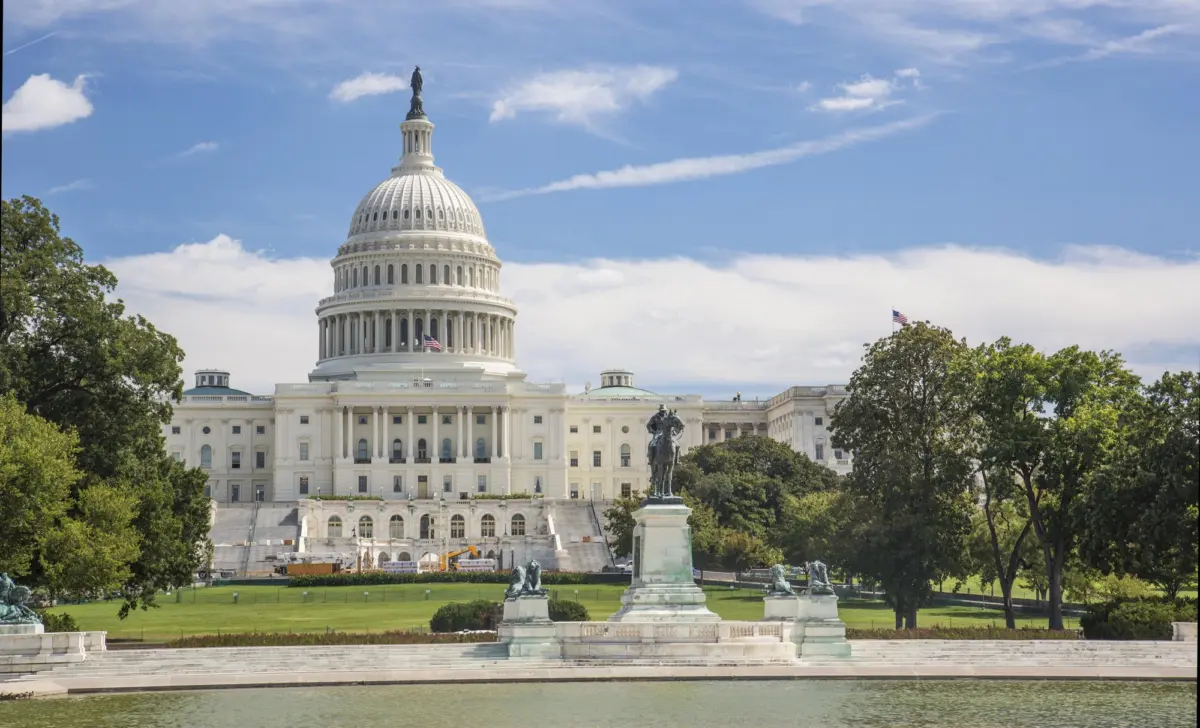
In an intensive show of grassroots advocacy, nearly 150 pork producers hailing from roughly 30 states converged on Washington, D.C., for the National Pork Producers Council’s (NPPC) Fall Legislative Action Conference. Armed with firsthand accounts of the economic pressures facing modern agriculture, these producers walked the halls of Capitol Hill to place critical legislative issues directly before federal lawmakers and executive branch officials.
At the forefront of the industry’s legislative agenda is the urgent demand for a comprehensive new farm bill. Specifically, pork producers are pressing Congress to incorporate a federal legislative fix for California’s Proposition 12—a state-level animal housing mandate that producers argue has upended interstate commerce, driven up compliance costs, and introduced unprecedented regulatory fragmentation into the national pork supply chain. Beyond the farm bill and Prop 12, the delegation made a coordinated push for critical workforce reforms, including the long-sought expansion of the H-2A temporary agricultural worker visa to encompass year-round livestock operations.
Throughout the multi-day conference, attendees engaged in high-level strategic briefings, heard legislative updates from key congressional leaders such as House Agriculture Committee Chairman Glenn “G.T.” Thompson, consulted directly with United States Department of Agriculture (USDA) officials, and connected with policymakers during the signature annual Bacon Fest congressional reception. By bridging the gap between rural production lines and the federal legislative process, the NPPC fly-in underscored the vital economic footprint of the American pork sector and the pressing need for federal action to safeguard its long-term viability.
Detailed Chronology of the Legislative Fly-In
The road to Capitol Hill for the 150 participating pork producers involved months of meticulous preparation by the NPPC, culminating in a fast-paced, high-impact schedule designed to maximize face-to-face time with key decision-makers in the nation’s capital.
Day One: Strategic Alignment and Policy Briefings
The conference opened with intensive preparatory sessions led by NPPC policy experts and government affairs specialists. Producers were briefed on the current political landscape in Washington, the intricacies of the ongoing farm bill negotiations, and the status of various trade and regulatory initiatives. During these briefing blocks, attendees were provided with tailored lobbying packets containing economic data, regional impact studies, and clear, concise legislative asks.
A major highlight of the opening phase was an in-depth congressional briefing featuring Representative Glenn “G.T.” Thompson (R-PA). As a prominent voice for American agriculture in the House of Representatives, Rep. Thompson provided attendees with a candid assessment of the legislative hurdles facing the agricultural sector, the timeline for potential farm bill advancement, and the political dynamics at play in both chambers of Congress. Producers had the opportunity to ask targeted questions about commodity support, animal health funding, and interstate commerce protections.
Day Two: Direct Advocacy on Capitol Hill
Armed with data and united by shared industry challenges, the delegation fanned out across the Capitol complex for scheduled meetings with members of Congress and key professional staff. Representing approximately 30 states, these producers brought localized perspectives to national debates, illustrating how broad federal policies directly impact family farms, rural economies, and consumer prices.
The core message delivered during these meetings focused on three non-negotiable pillars for the pork industry:
- The Farm Bill and Proposition 12: Advocating for a federal legislative remedy to prevent individual states from dictating production standards nationwide.
- H-2A Visa Reform: Urging lawmakers to recognize the continuous, 365-day labor demands of livestock production by expanding temporary agricultural worker programs.
- Trade and Animal Health Security: Protecting market access under the United States-Mexico-Canada Agreement (USMCA) and securing vital funding for swine health monitoring and disease prevention infrastructure.
Day Three: Executive Agency Engagement and Industry Fellowship
Following intensive legislative lobbying, the delegation shifted its focus toward the executive branch, holding strategic consultations with officials at the USDA. These discussions centered on federal oversight, disease preparedness, regulatory streamlining, and the execution of existing agricultural support programs.

The legislative conference culminated in the evening with the annual Bacon Fest congressional reception. This widely attended, high-profile social event brought together pork producers, members of Congress, congressional staffers, and agricultural stakeholders in a relaxed setting. Beyond celebrating the cultural and culinary significance of American pork, Bacon Fest served as an effective relationship-building venue, allowing producers to continue conversations with lawmakers outside of formal office settings.
Supporting Context & Metrics: The Stakes for the U.S. Pork Industry
To fully understand the urgency driving nearly 150 producers to Washington, D.C., one must examine the complex economic, regulatory, and labor landscape currently confronting the American pork supply chain.
The Proposition 12 Dilemma and Interstate Commerce
At the heart of the NPPC’s legislative push is the fallout from California’s Proposition 12, a voter-approved initiative that bans the sale of pork in the state originating from breeding sows housed in spaces that fail to meet specific square-footage requirements, regardless of where the pork was produced. Because California represents a massive consumer market, the regulation effectively forces out-of-state producers across the country to either overhaul their multi-million-dollar housing systems or forfeit access to California consumers.
Pork producers and agricultural economists have warned that allowing individual states to impose extraterritorial mandates creates a dangerous regulatory patchwork. If every state were permitted to regulate agricultural production methods within other jurisdictions, interstate commerce would grind to a halt, driving up compliance costs and ultimately squeezing independent family farms out of business. The NPPC is pressing for a federal legislative solution—often discussed in the context of the farm bill—that affirms the constitutional principle that commerce among states must remain free from state-level protectionist barriers disguised as consumer or animal welfare laws.
Workforce Deficits and the H-2A Visa Limitation
Labor shortages remain one of the most persistent and debilitating constraints facing American livestock producers. Unlike crop production, which experiences distinct seasonal peaks for planting and harvesting, pork production is a continuous, year-round operation requiring steady, reliable, and skilled labor every single day of the year.
Currently, the federal H-2A Temporary Agricultural Worker Program is largely restricted to seasonal or temporary positions, leaving permanent livestock operations locked out of legal, reliable foreign-born labor pools. Producers at the conference emphasized that chronic labor shortages force farms to operate below capacity, increase burnout among existing workers, and threaten the long-term competitiveness of rural agricultural communities. Expanding the H-2A program to allow year-round labor for livestock and swine operations is viewed by the NPPC as an economic imperative to keep domestic food production stable and secure.
Animal Health Security and the USMCA
In an era of heightened global vigilance against devastating agricultural diseases like African Swine Fever (ASF) and Foot-and-Mouth Disease (FMD), proactive biosecurity is paramount. The NPPC delegation strongly advocated for continued federal funding and the formal establishment of a federal advisory committee for the U.S. Swine Health Improvement Plan (U.S. SHIP). Protecting the herd from foreign animal diseases safeguards domestic food supplies, consumer prices, and export markets.
Speaking of exports, maintaining open and stable international trade is vital to the financial health of U.S. pork producers. The industry exported billions of dollars of pork products globally last year, with our North American neighbors remaining top destinations. Producers used the fly-in to reinforce the indispensable value of the United States-Mexico-Canada Agreement (USMCA), urging Congress to safeguard the trade pact against protectionist friction and ensure tariff-free market access.
Official Statements and Industry Perspectives
The grassroots nature of the NPPC Fall Legislative Action Conference ensures that the voices driving the advocacy efforts come straight from the barns and family farms fueling the American agricultural economy.

Leaders within the National Pork Producers Council emphasized that the annual fly-in is not merely an exercise in lobbying, but a crucial educational bridge connecting lawmakers with the realities of modern food production. Representatives from the NPPC noted that when members of Congress hear directly from constituents who manage generational farms, the abstract debates over farm bills, labor quotas, and interstate commerce take on a tangible, human dimension.
"Our producers are facing unprecedented regulatory headwinds and economic pressures that originate far beyond the boundaries of their home states," noted an NPPC leadership representative during the legislative briefings. "By bringing nearly 150 dedicated pork producers from across 30 states to Washington, we are ensuring that Capitol Hill understands how vital legislative fixes—like a federal resolution to Proposition 12 and much-needed H-2A labor reform—are to the survival of independent family agriculture."
Congressional leaders echoed the importance of this dialogue. During his address to the delegation, House Agriculture Committee Chairman Glenn “G.T.” Thompson commended the producers for their active engagement in the legislative process, acknowledging the critical role the pork industry plays in feeding the nation and driving rural economic stability. Chairman Thompson and other attending lawmakers engaged in direct dialogue regarding the challenges of crafting a comprehensive farm bill that balances diverse regional interests while addressing the structural burdens placed on livestock producers.
Future Outlook: What Lies Ahead for Pork Producers
As the dust settles on the NPPC Fall Legislative Action Conference and the participating producers return to their respective operations across the country, the focus shifts immediately to follow-up and implementation on Capitol Hill.
The primary battleground remains the ongoing negotiations surrounding the long-delayed farm bill. While agricultural committees in both the House and Senate continue to wrestle with competing legislative priorities, the concerted pressure applied by the NPPC delegation has ensured that a federal fix for Proposition 12 remains firmly on the radar of key congressional negotiators. Whether lawmakers can forge a bipartisan consensus capable of passing both chambers will depend heavily on sustained, aggressive grassroots advocacy in the weeks and months ahead.
On the labor front, advocacy for H-2A visa reform will continue to run parallel to farm bill discussions. The NPPC plans to maintain active dialogues with members of both parties to build broader coalitions in support of year-round agricultural labor solutions, emphasizing that food security is national security, and that stable labor is the bedrock of a resilient food supply chain.
Ultimately, the 2026 Fall Legislative Action Conference demonstrated the enduring strength, organization, and resolve of the American pork industry. By standing united, articulating clear legislative priorities, and engaging directly with the architects of federal policy, the nation’s pork producers have laid essential groundwork for legislative victories designed to protect their farms, support their communities, and secure the future of U.S. agriculture for generations to come.

0 Comments