By Elizabeth Sanders and Clint Thompson Published in Agricultural Business & Industry Review
Executive Overview
As the morning sun broke over the expansive agricultural lands of southern Georgia, a collective sense of anticipation hung heavily in the humid air. The state—undisputed as the nation’s powerhouse for peanut production—was once again at the center of the agricultural world. From September 22 to 24, 2026, the historic coastal city of Savannah served as the anchor point for the annual Georgia Peanut Tour, an immersive, multi-day event that brought together farmers, industry executives, food scientists, and policymakers.
Sponsored by the Georgia Peanut Commission, the tour provided a rare, boots-on-the-ground perspective of the peanut supply chain. Attendees journeyed past meticulously managed fields, toured state-of-the-art post-harvesting facilities, and engaged in deep-dive discussions concerning the short-term vulnerabilities and long-term viability of the crop.
At its core, the tour functioned as a vital bridge connecting corporate buyers who rely on peanuts for their everyday commercial products with the generational growers who break their backs in the soil. With roughly one-third of this year’s harvest poised to leave the vines over a frantic three-week window, the stakes could not be higher. Balancing immediate disease pressures, fluctuating input costs, and the looming integration of artificial intelligence and advanced agricultural technology, Georgia’s peanut industry stands at a fascinating crossroads of tradition and transformation.
Detailed Chronology of the 2026 Tour
Day One: Setting the Stage in Savannah
The 2026 Georgia Peanut Tour officially kicked off in Savannah, a logistical hub strategically positioned near major transportation corridors essential for domestic and international export. The opening day was defined by high-level briefings and strategic orientation sessions. Industry stakeholders, many of whom purchase massive quantities of raw peanuts for consumer goods but rarely step foot onto a farm, received comprehensive overviews of current macroeconomic agricultural conditions.
University of Georgia (UGA) extension specialists and industry leaders laid out the framework for the days ahead, emphasizing the importance of transparency in the supply chain. Participants were introduced to the rigorous standards that govern Georgia’s peanut sector—standards that have allowed the state to maintain its crown as the premier peanut producer in the United States while solidifying its reputation as a global leader in quality and safety.
Day Two: Field-Level Realities and Production Practices
The second day transitioned from the conference rooms to the heartbeat of the industry: the fields. Attendees boarded buses for agricultural excursions across the region, offering participants a firsthand look at contemporary crop management.
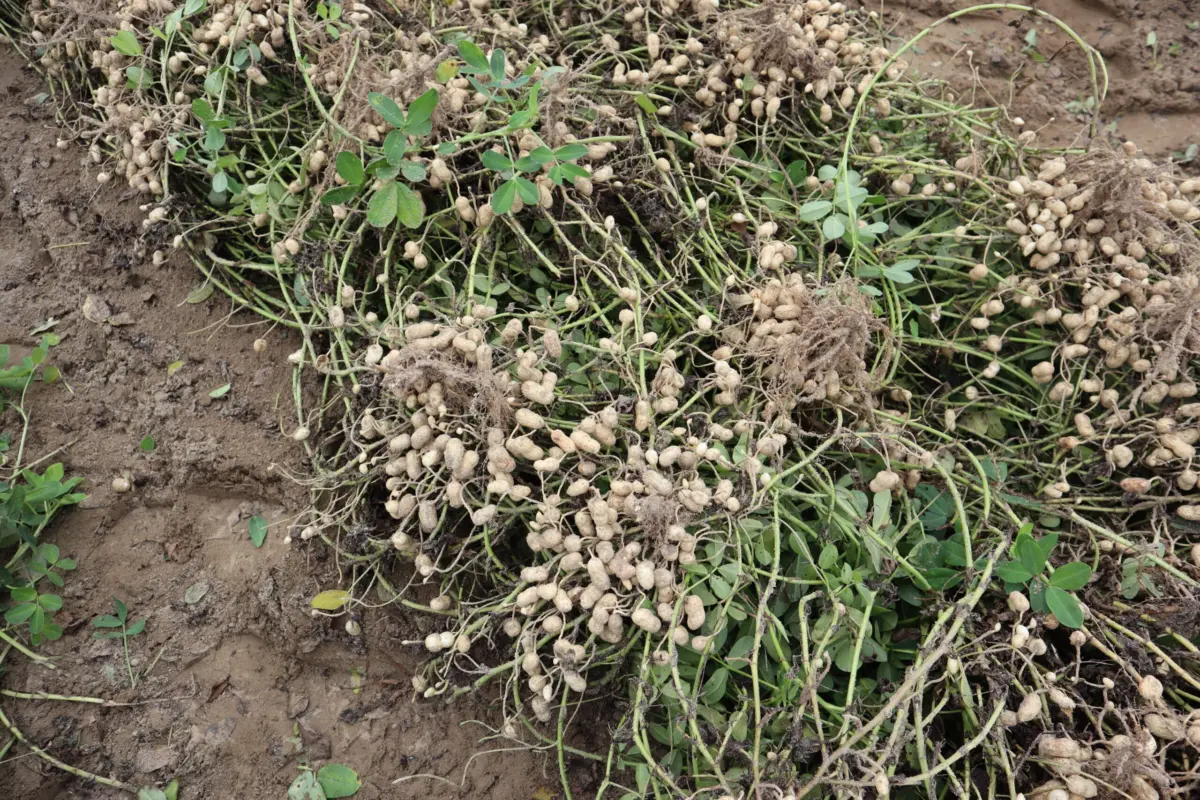
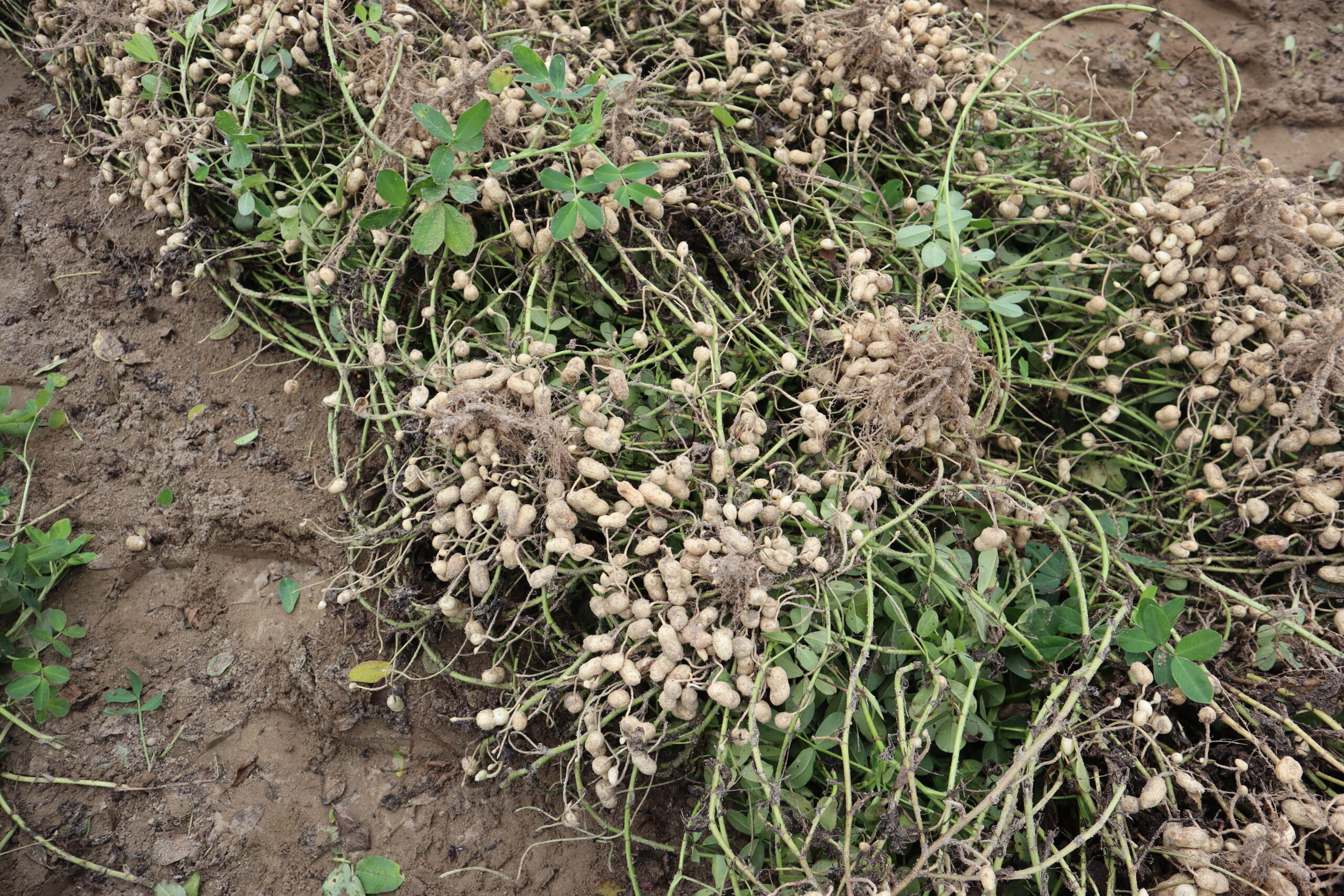
Here, farmers and agronomists demonstrated the complex choreography required to produce top-tier peanuts. Observers witnessed the intricate balance of variable-rate irrigation, nutrient management, and continuous canopy monitoring. University experts guided buyers through the meticulous steps of maturity testing, demonstrating the precision required to determine the exact window for digging and harvesting. By walking the rows and examining the pods, corporate buyers gained a newfound appreciation for the immense financial and operational risks borne by producers—from soaring input costs for fertilizers and diesel to unpredictable weather patterns.
Day Three: Post-Harvest Processing and Future Horizons
The final day of the tour shifted focus to the post-harvest ecosystem. Attendees toured high-capacity shelling, drying, and storage facilities, tracing the journey of the peanut from a raw agronomic commodity to a cleaned, graded, and packaged industrial ingredient.
The tour concluded with forward-looking panels addressing the macroeconomic pressures facing the industry, foreign market competition, and the adoption of cutting-edge technologies. Stakeholders left Savannah with a holistic understanding of the peanut lifecycle, armed with insights designed to foster stronger partnerships between agricultural producers and commercial end-users.
Supporting Context & Metrics: The Anatomy of Georgia’s Peanut Dominance
To fully understand the significance of the Georgia Peanut Tour, one must examine the staggering scale of the state’s peanut economy. Georgia consistently produces nearly half of the entire United States peanut crop, cultivating hundreds of thousands of acres annually primarily across the coastal plain region, where sandy loam soils provide ideal growing conditions.
Economic Impact and Supply Chain Dynamics
The peanut industry is a multi-billion-dollar economic engine for Georgia, supporting thousands of rural jobs through farming, input supply, transportation, warehousing, and processing. However, the modern operating environment is fraught with financial pressures:
Escalating Input Costs: Growers have faced sustained high prices for fuel, specialized equipment, machinery parts, crop protection chemicals, and fertilizers over recent seasons.
Labor Constraints: Like many sectors of American agriculture, peanut farming continues to navigate labor shortages, making efficiency and automation paramount.
Global Competitiveness: While Georgia peanuts are globally renowned for their superior flavor profile, oleic acid content, and stringent quality control standards, local producers must continually innovate to remain competitive against international rivals.
The Role of Extension Support Systems
What sets Georgia apart from other agricultural regions is its deeply embedded institutional support network. The collaboration between the University of Georgia Extension, county agents, the Georgia Peanut Commission, and private industry partners forms an impenetrable safety net for producers. This localized expertise ensures that research-backed breakthroughs in disease management, drought resilience, and soil health are translated rapidly from university laboratories to commercial fields.
Official Statements and Expert Perspectives
Several key figures anchored the educational messaging of the tour, offering vital insights into both current crop conditions and the overarching trajectory of the industry.
Scott Tubbs: Cultivating Understanding and Trust
Dr. Scott Tubbs, University of Georgia Cropping Systems Agronomist, emphasized that the primary mission of the tour is education and relationship-building across the supply chain.
"The Peanut Tour is an opportunity for us to showcase our Georgia peanut production practices," Tubbs stated. "Being the state that produces the most peanuts in the U.S. and also a global worldwide leader in peanut production, we want to showcase just what our farmers do and do really well. There’s a reason we’ve been in the peanut business for a long time."
Tubbs underscored the cultural and economic disconnect that often exists between corporate procurement offices and rural farming communities:
"We just want companies that are buying peanuts to see where their peanuts are coming from. Many of these folks that are relying on peanuts for their everyday livelihood have never stepped foot in a peanut field. We want them to just be familiarized with the production practices for them to understand what the growers have to deal with in producing a crop, what all the input costs are associated with it, some of the things that they have to deal with from a management perspective."
He attributed the enduring success of Georgia peanuts directly to the collective expertise of its growers and the robust technical backing they receive:
"We have high-quality peanuts because our farmers know what they’re doing, and they have a very, very good support system through Extension, through their county agents, through industry partners that have a lot of investment in making a peanut crop successful."
Scott Monfort: Navigating Immediate Harvest Pressures
With the 2026 harvest imminent, Dr. Scott Monfort, University of Georgia Extension peanut agronomist, shifted the spotlight to the immediate operational challenges confronting growers over the critical coming weeks.
"We’ve got about one-third of this crop that’s going to be harvested in the next three weeks," Monfort noted, outlining the tight operational schedule. "Those guys just need to be paying attention to optimum maturity, but also how much leaf spot disease they have right now. Is that going to speed up the harvest and digging? We are having to dig a few fields here and there about five days early, and we don’t want growers to lose anything. Knowing how bad that disease is can help us determine what to do."
Monfort issued a stern warning against complacency regarding the unharvested portion of the crop, which requires sustained management:
"While we’re harvesting, like I mentioned earlier, we also need them to keep track of the rest of this crop that they have and don’t forget about it. It still needs to be irrigated. It still needs to be watched out for diseases, insects, whatever it needs. There’s still about a month and a half of it left. We need them to do both things, make sure we’re digging when we need to and getting ready to harvest, but also taking care of the rest of the crop before we lose some on the back end."
Future Outlook: Technology, Precision Ag, and the Road Ahead
While managing the immediate harvest is the priority of the hour, the long-term sustainability of the peanut industry depends on embracing advanced technologies. Dr. Wes Porter, UGA Precision Ag Specialist, shared his vision for the technological evolution of peanut farming during the tour’s closing sessions.
Integrating AI and Machine Learning in Agronomy
Porter sees a profound transformation on the horizon, driven by data science and automation:
"I see the future of the peanut industry, hopefully integrating; from my perspective, being an ag engineer looking for precision ag, integrating ag technology, integrating some AI, machine learning at a smart and research level where we can see that help us become more effective, more efficient across the farm," Porter explained. "I would say we already see some of our top farmers talking about using that on farm level at different aspects."
Artificial intelligence and machine learning models are beginning to play critical roles in predictive analytics—helping farmers optimize water usage through variable-rate irrigation controllers, predict disease outbreaks before symptoms manifest in the canopy, and fine-tune chemical applications to reduce input waste and environmental impact.
Marketing the "Georgia Grown" and "US-Made" Advantage
Beyond technology on the ground, Porter emphasized that the survival and growth of the industry hinge on strategic marketing and brand protection. In an increasingly interconnected global economy, consumer preference often tilts toward traceability, sustainability, and origin assurance.
"It’s about marketing ourselves," Porter asserted. "As Georgia Grown, as this is a US-made product, how do we make sure that we’re utilizing and best marketing ourselves? This is a product that we grow here, that we do here, that we put a lot of work into. We can make sure that we survive that way, through technology, through better marketing."
Conclusion
As the 2026 Georgia Peanut Tour drew to a close in Savannah, the prevailing sentiment was one of resilient optimism. Challenges will undoubtedly persist—from disease pressures like leaf spot to shifting input economics and global trade dynamics. However, the combination of generational farming expertise, world-class institutional extension support, and rapid advancements in precision agriculture ensures that Georgia’s peanut industry is not merely surviving, but actively charting a course toward a highly efficient, technologically empowered future.




0 Comments