

By the Agricultural Market Desk
Published: September 2026
Executive Overview
The late-September livestock trading window across Alabama, Florida, and Georgia presented a dynamic and diverging marketplace for producers, backgrounders, and feedlot operators alike. Compiled by the Livestock Market News Service for the week ending September 25, 2026, the regional data reveals a robust demand for lightweight and middleweight feeder cattle, which continued to command aggressive bids across multiple auction houses. This strength in the stocker and feeder segments stands in stark contrast to a softening trend observed in the cow-calf and slaughter markets, where both slaughter cows and bulls generally retreated under pressure from seasonal processing adjustments and throughput volumes.
Across the tri-state region, auction receipts reflected a modest, localized recovery in volume compared to the previous week, though total numbers remained noticeably trailing the comparable period from the previous year. Alabama auction markets reported a combined total of 8,650 head across 16 participating locations—up from 7,933 head the prior week, yet down from 11,687 head during the corresponding week in 2025. Florida and Georgia reported similarly nuanced volume metrics, with Georgia’s 20 markets handling 6,761 head, edging past the previous week’s 6,087 head while trailing the prior year’s mark of 8,604 head.
Market analysts point to persistent pasture conditions, shifting feed costs, and broader macroeconomic supply constraints as primary drivers behind the current pricing structure. While cow-calf producers face lower returns at the packing house door due to declining slaughter class prices, backgrounders and cow-calf operators retaining ownership through the stocker phase are finding considerable financial encouragement in feeder steer and heifer valuations. This comprehensive report breaks down the regional dynamics, pricing structures, official market metrics, and forward-looking indicators shaping the Southeast livestock sector as the industry transitions further into the autumn marketing season.
Detailed Chronology: Week-by-Week Regional Progression
The trading week leading up to September 25, 2026, was characterized by active auction rings, steady buyer attendance, and competitive bidding, particularly for high-quality, pre-conditioned lots.
Alabama Markets
Trading across Alabama’s 16 reporting livestock auctions opened on a steady-to-active note. Feeder cattle quickly established a firm footing, drawing strong participation from both local buyers and out-of-state order buyers looking to secure supplies of Medium and Large Frame 1–2 cattle. Throughout the week, feeder classes trended mostly steady to $5.00 higher, fueled by active trade and robust underlying demand.
Conversely, the processing side of the ledger experienced downward pressure. Slaughter cows closed the week $2.00 to $6.00 lower, while slaughter bulls held steady to $2.00 lower compared to the preceding week. Replacement cattle maintained a steady posture, reflecting cautious optimism among cow-calf operators looking to rebuild or upgrade herd genetics. Cumulative year-to-date receipts in Alabama reached 325,727 head, lagging behind the 375,987 head recorded by the same point in 2025.
Florida Markets
Florida’s auction markets, reporting across 10 designated locations, mirrored some of the softening trends seen in processing classes while maintaining stability in the stocker segments. Receipts for the week totaled 7,162 head, holding nearly even with the previous week’s throughput and tracking closely with historical averages.
Slaughter cows and bulls in the Sunshine State faced downward corrections, dropping $2.00 to $5.00 compared to the prior week’s levels. Meanwhile, feeder cattle prices remained unevenly steady, with quality lots commanding solid attention. Replacement and breeding stock held their ground, closing the week on a steady note. Florida’s year-to-date receipts settled at 225,792 head, down modestly from 233,897 head at this juncture last year.
Georgia Markets
Georgia’s extensive network of 20 reporting auction markets experienced some of the most assertive upward momentum for stocker cattle in the region. For the week ended September 26, 2026, receipts totaled 6,761 head—marking an increase from the 6,087 head tallied the previous week, though remaining below the 8,604 head reported a year ago.
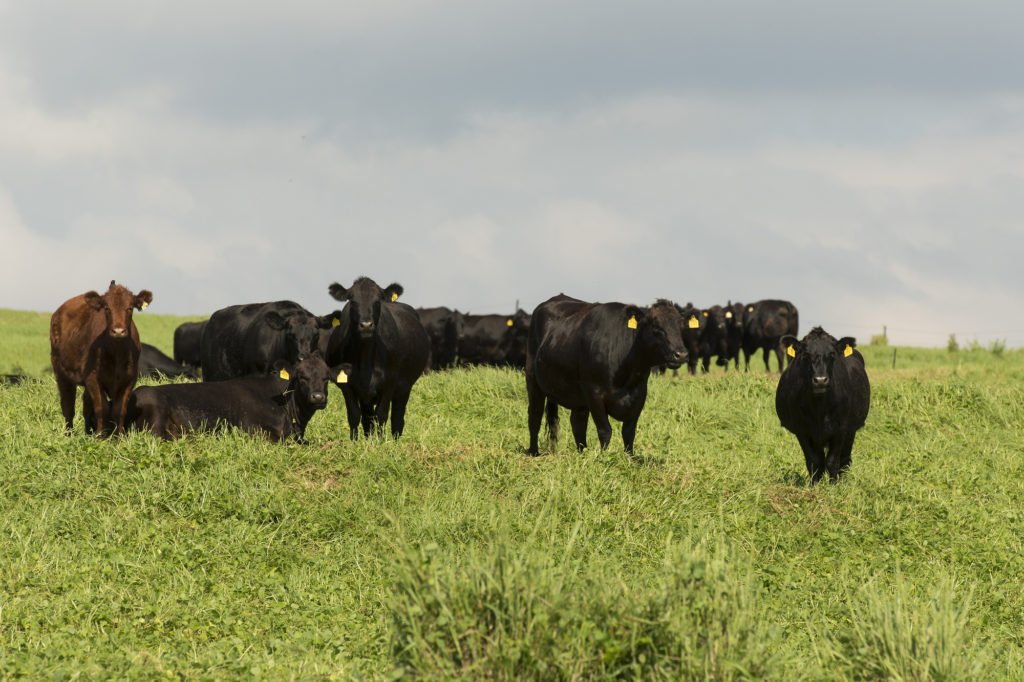
Georgia feeder classes demonstrated notable strength, advancing mostly $4.00 to $10.00 higher across multiple weight breaks. This robust appreciation underscored intense competition among buyers for lightweight and yearling steers and heifers. Slaughter cows and bulls, however, succumbed to regional trends, trading steady to $6.00 lower. Feeder and replacement cows remained mostly steady, rounding out a busy trading week that brought total year-to-date receipts in the state to 251,850 head, compared to 287,402 head in 2025.
Supporting Context & Metrics
To fully understand the economic landscape of the late-September livestock market, it is essential to examine the detailed pricing matrices across the three states. The breakdown of Medium and Large Frame 1–2 cattle illustrates the premiums associated with specific weight classifications and animal classes.
Alabama Price Breakdown (Medium and Large Frame 1-2)
Feeder Steers
- 300–400 lbs: $420.00 – $550.00
- 400–500 lbs: $372.00 – $500.00
- 500–600 lbs: $320.00 – $437.50
- 600–700 lbs: $310.00 – $392.50
Feeder Heifers
- 300–400 lbs: $325.00 – $520.00
- 400–500 lbs: $305.00 – $435.00
- 500–600 lbs: $270.00 – $375.00
- 600–700 lbs: $265.00 – $400.00
Slaughter & Processing Stock (Alabama)
- Boning Slaughter Cows (80-85% Lean, 850-1200 lbs): $128.00 – $151.00
- Lean Slaughter Cows (85-90% Lean, 850-1200 lbs): $118.00 – $142.00
- Slaughter Bulls (Yield Grade 1-2, 1500-2100 lbs): $143.00 – $188.00
Florida Price Breakdown (Medium and Large Frame 1-2)
Feeder Steers
- 300–400 lbs: $410.00 – $640.00
- 400–500 lbs: $320.00 – $520.00
- 500–600 lbs: $290.00 – $420.00
- 600–700 lbs: $240.00 – $360.00
Feeder Heifers
- 350–400 lbs (Range inclusive): $350.00 – $570.00
- 400–500 lbs: $300.00 – $445.00
- 500–600 lbs: $275.00 – $370.00
- 600–700 lbs: $250.00 – $325.00
Slaughter & Processing Stock (Florida)
- Boning Slaughter Cows (80-85% Lean, 850-1200 lbs): $118.00 – $173.00
- Lean Slaughter Cows (85-90% Lean, 850-1200 lbs): $110.00 – $138.00
- Slaughter Bulls (Yield Grade 1, 1000-2100 lbs): $172.00 – $206.00
Georgia Price Breakdown (Medium and Large Frame 1-2)
Feeder Steers
- 300–400 lbs: $430.00 – $590.00
- 400–500 lbs: $350.00 – $520.00
- 500–600 lbs: $300.00 – $420.00
- 600–700 lbs: $300.00 – $375.00
Feeder Heifers
- 300–400 lbs: $350.00 – $550.00
- 400–500 lbs: $310.00 – $445.00
- 500–600 lbs: $250.00 – $390.00
- 600–700 lbs: $250.00 – $335.00
Slaughter & Processing Stock (Georgia)
- Boning Slaughter Cows (80-85% Lean, 850-1200 lbs): $135.00 – $164.00
- Lean Slaughter End (85-90% Lean, 850-1200 lbs): $119.00 – $148.00
- Slaughter Bulls (Yield Grade 1, 1000-2100 lbs): $170.00 – $200.00
Official Market Analysis and Industry Perspectives
Market administrators, extension livestock economists, and auction operators across the Southeast have offered valuable perspective on the underlying economic drivers influencing these weekly reports. The division between climbing feeder prices and retreating slaughter values highlights a complex structural adjustment within the American cattle inventory cycle.
According to regional market commentators, the sustained strength in lightweight and middleweight feeder cattle is heavily influenced by national herd contraction over recent years. With total US beef cow inventories lingering near multi-decade lows, buyer demand for available stocker and backgrounder calves remains intensely competitive. Feedlots and backgrounding operations are actively seeking out high-performing animals to fill future feeding slots, creating a seller’s market for quality-assured, vaccinated, and uniform lots of steer and heifer calves.
Conversely, the downward adjustments observed in slaughter cow and bull valuations are largely attributed to seasonal culling patterns and shifting processing plant schedules. As producers evaluate their herd management strategies ahead of winter feeding requirements, cull cow marketing typically increases. This seasonal rise in marketings, combined with tighter processing margins and plant capacity management, naturally exerts downward pressure on boning and lean cow prices. Nevertheless, heavy slaughter bulls in select markets—such as Florida, where Yield Grade 1 bulls reached highs of $206.00—continued to command respectable premiums due to specialized processing demand.
Future Outlook
As the agricultural sector moves deeper into the fall marketing season, several key indicators will dictate price direction and market sentiment across Alabama, Florida, and Georgia.
1. Feed Costs and Pasture Conditions
The availability and cost of supplemental forages, hay, and grain inputs will play a critical role in determining how long producers hold onto calves versus when they send them to auction rings. Favorable regional pasture conditions through the late summer have allowed many cow-calf operators to add desirable frame and weight to their calves before marketing, directly contributing to the premium prices seen in the 400-to-600-pound categories.
2. Supply Constraints and Herd Retention
With year-to-date receipts consistently trailing previous years across all three states (Alabama at 325,727 head versus 375,987; Florida at 225,792 versus 233,897; and Georgia at 251,850 versus 287,402), structural supply tightness is expected to persist. This underlying scarcity of market-ready cattle should provide a solid price floor for quality feeder animals through the remainder of the autumn run. However, higher replacement costs may temper aggressive herd expansion efforts among commercial cow-calf producers.
3. Processing Sector Dynamics
Slaughter cow and bull markets will likely continue to experience near-term volatility as seasonal culling peaks. Producers planning to market cull breeding stock are advised to monitor weekly regional reports closely to capitalize on localized buying spikes and avoid heavy volume periods that could pressure bids further.
Ultimately, the late-September livestock markets in Alabama, Florida, and Georgia demonstrate resilience and profitability potential for producers positioned in the stocker and feeder segments. While processing classes face corrective headwinds, the enduring demand for quality beef genetics underscores the long-term viability and strength of the Southeastern livestock industry.

0 Comments