In the world of craft mixology, few visual cues command attention quite like a cleanly layered cocktail. Long before a guest takes their first sip, the architecture of the drink must tell a story. This phenomenon is precisely what Trevor Bowles, a master craftsman at Kentucky’s legendary Stitzel-Weller Distillery, aims to achieve with his latest creation: the 5 Key Float.
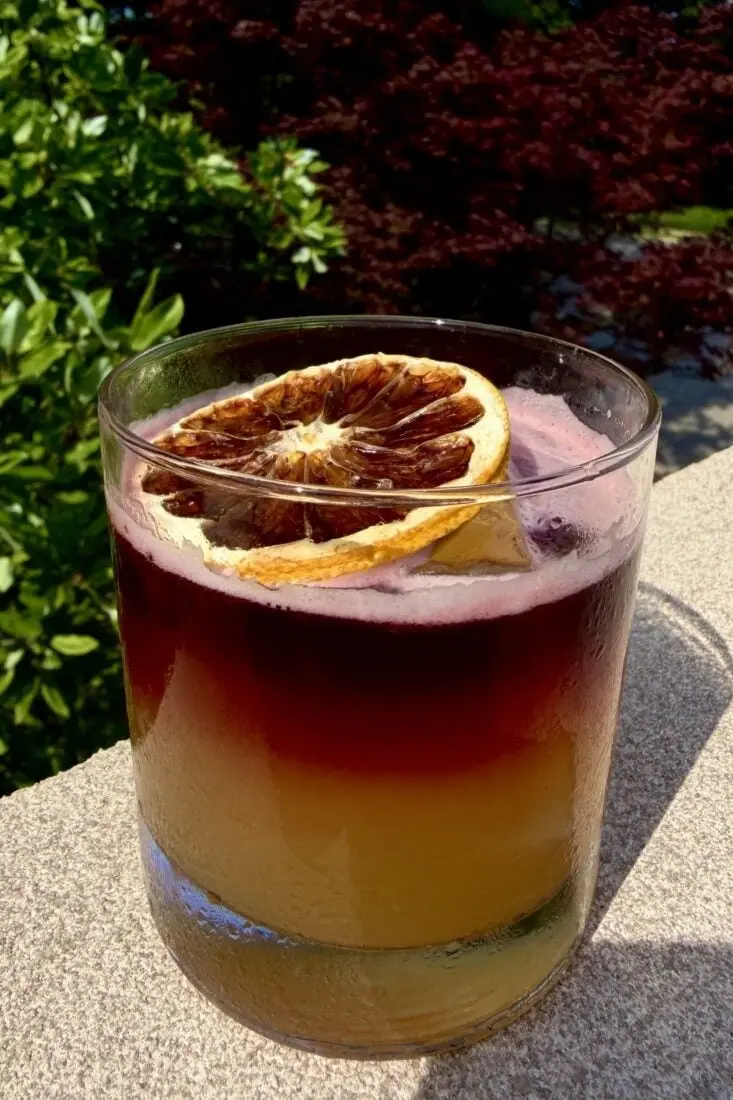
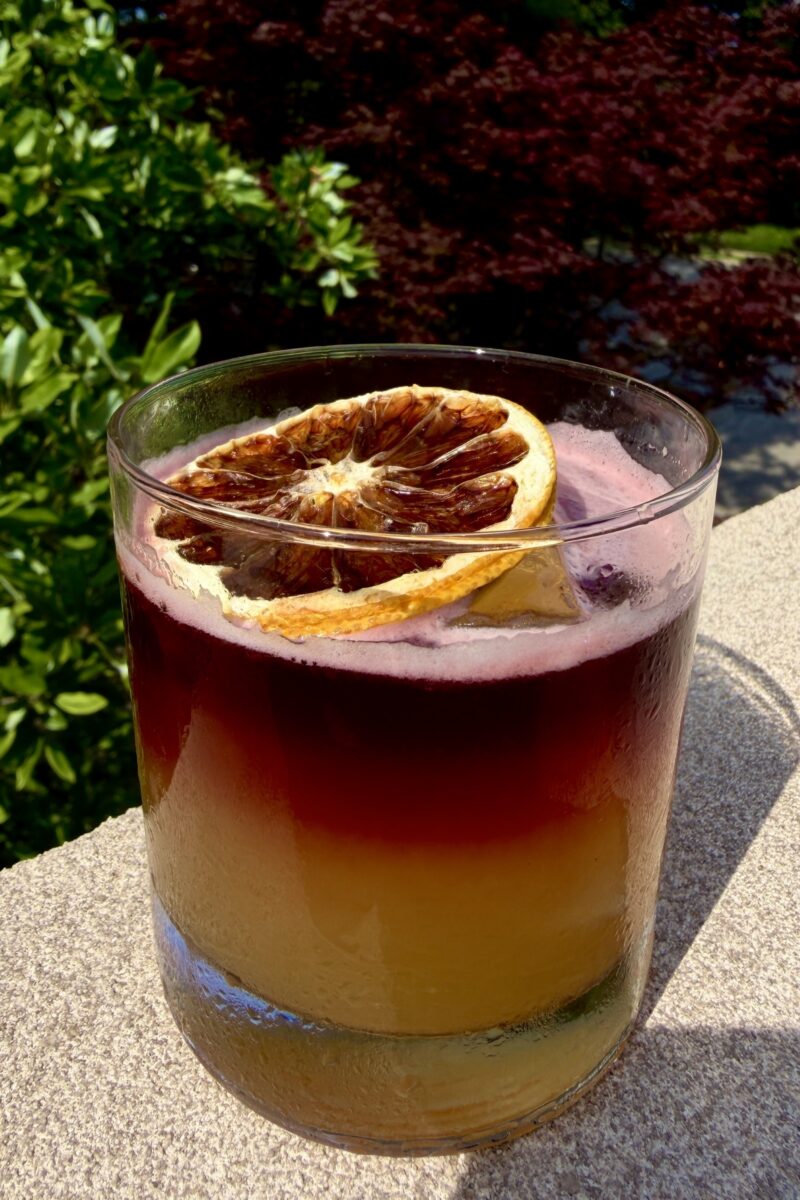
Debuting ahead of the autumn season, this striking cocktail is designed to elicit an immediate chorus of "How’d you do that?" long before the glass ever reaches the table. Inspired by the classic New York Sour—a timeless beverage defined by its traditional whiskey sour foundation capped with a striking ruby-red wine float—the 5 Key Float elevates the genre through exceptional ingredients. By combining the distinguished complexity of Blade and Bow Solera 12 Year Kentucky Straight Bourbon Whiskey with the bold, structured depth of a fine Bordeaux, Bowles has engineered a masterclass in modern cocktail design.
Beyond its aesthetic brilliance, the 5 Key Float offers a sensory journey marked by an earthy, velvety finish. It represents a broader evolution in American whiskey culture, moving away from heavy-handed masking agents and toward sophisticated pairings that respect the integrity of aged spirits. This article explores the anatomy of the 5 Key Float, the historical lineage of the whiskey-and-wine pairing, the heritage of the Stitzel-Weller Distillery, and the future outlook for elevated American mixology.
Detailed Chronology: The Evolution of the Sour and the Birth of the Float
To fully appreciate the innovation behind the 5 Key Float, one must understand the timeline of the cocktail that inspired it. The marriage of whiskey and wine is not a modern invention, but its execution has evolved dramatically over the centuries.
The 19th-Century Roots
The whiskey sour itself is a staple of American drinking culture, with references dating back to the mid-1800s. Its basic template—base spirit, citrus, and sweetener—proved to be an endlessly adaptable canvas. However, the specific iteration known as the New York Sour traces its origins to Chicago in the 1870s or 1880s, where it was originally called the "Continental Sour" or served simply as a traditional sour garnished with a splash of claret or red wine.
The Stitzel-Weller Legacy
Fast-forward to the contemporary spirits landscape, where Kentucky’s Stitzel-Weller Distillery stands as a monument to bourbon heritage. Founded on Derby Day in 1935, the distillery originally birthed legendary labels like Pappy Van Winkle and W.L. Weller. Though the original facility has undergone transformations and ownership changes, it remains an epicenter of whiskey innovation. It was within these historic hallowed halls—steeped in the aromas of charred oak and aging grains—that Trevor Bowles conceptualized the 5 Key Float. Recognizing the unique flavor profile of Blade and Bow Solera 12 Year, Bowles sought a complementary element that would highlight the whiskey’s nuanced notes without overpowering them.
The Crafting of the 5 Key Float
The development of the 5 Key Float represents a deliberate exercise in balance. The process required experimentation with various red wine varietals before settling on Bordeaux. The challenge inherent in any "float" cocktail is physics: ensuring the lighter, less dense components remain suspended or neatly layered above the heavier base without immediately bleeding together. Through meticulous testing of pouring angles, temperature, and viscosity, Bowles perfected a technique that yields a clean, high-contrast demarcation between the golden amber of the bourbon mix and the deep ruby crown of the wine.
Supporting Context & Metrics: Anatomy of a Masterpiece
To understand why the 5 Key Float succeeds, one must examine its core components: the whiskey, the wine, and the underlying chemistry of layering liquids.
Blade and Bow Solera 12 Year
At the heart of the 5 Key Float is Blade and Bow Kentucky Straight Bourbon Whiskey, specifically its Solera 12 Year expression. Named after the five key parts of an authentic bourbon barrel—the head, stave, bilge, hoop, and bung—the brand pays homage to the historic craftsmanship of Stitzel-Weller.
The Solera aging method is unique in American whiskey production. Borrowed from the Spanish sherry-making tradition, this fractional blending system ensures that a portion of the oldest whiskey is continually drawn from the solera barrels and replenished with younger spirits. This results in a remarkably consistent yet complex flavor profile. Tasting notes for the Solera 12 Year frequently highlight:
The Nose: Hints of toasted oak, burnt sugar, and a subtle herbaceous undertone.
The Palate: A rich tapestry of ripe fruit, vanilla, and roasted grains.
The Finish: A velvety, lingering warmth that begs to be paired with complementary tannins.
The Bordeaux Float
Bordeaux wines, hailing from the southwestern region of France, are predominantly blends of Cabernet Sauvignon and Merlot, often complemented by Cabernet Franc, Petit Verdot, and Malbec. Known for their structured tannins, high acidity, and notes of dark fruit, cedar, and earth, these wines provide a sharp, elegant counterpoint to the sweet, oaky warmth of aged bourbon.
When floated atop the sour base, the Bordeaux introduces a dry, fruit-forward acidity that cuts through the richness of the cocktail. As the drinker sips, the wine and whiskey mingle on the palate, creating a dynamic flavor arc that evolves with every taste.
The Physics of the Float
Creating a stable liquid float is an exercise in density and surface tension. Alcohol has a lower density than water and many sugar syrups, but specific gravity variations among fermented and distilled beverages allow skilled bartenders to layer liquids. By pouring the wine slowly over the back of a bar spoon resting just above the surface of the drink, the kinetic energy of the pour is dissipated, allowing the wine to gently blanket the top of the beverage rather than plunging into the depths.
Official Statements & Industry Perspectives
The resurgence of sophisticated whiskey cocktails reflects a broader shift in how consumers view spirits. No longer seen strictly as shots or simple highballs, fine bourbons are increasingly treated with the same culinary respect as vintage wines and artisanal spirits.
While Trevor Bowles has kept the precise proportions of the 5 Key Float a closely guarded secret, his philosophy on mixology emphasizes accessibility paired with theatrical presentation. In statements regarding the creation of contemporary serves at Stitzel-Weller, master distillers and brand ambassadors frequently emphasize the importance of "honoring the liquid."
"When you start with a bourbon that has spent twelve years developing character in a barrel, your job as a creator isn’t to mask it—it’s to frame it," notes a senior curator within the Kentucky craft spirits sphere. "A great cocktail should be an enhancement, a dialogue between the base spirit and its companions. With the 5 Key Float, the wine doesn’t hide the whiskey; it dances with it."
Industry analysts have also pointed out that visual presentation is driving modern cocktail culture, particularly across digital platforms. Drinks that offer a dramatic visual gradient—such as the distinct split between the golden core and the crimson crest of the 5 Key Float—naturally capture consumer interest, bridging the gap between high-end mixology and sensory storytelling.
Future Outlook: The Next Wave of American Mixology
As the craft cocktail movement matures, the boundary lines separating wine, beer, and spirits continue to blur. The success of the 5 Key Float points toward several emerging trends in high-end beverage programs:
1. Inter-Category Hybridization
The cross-pollination of wine and spirits is gaining serious traction. Beyond the traditional New York Sour, bartenders are increasingly utilizing fortified wines like sherry, port, and vermouth, as well as complex table wines, to add depth, acidity, and color to brown-spirit cocktails. This trend is expected to accelerate as consumers seek out drinks with lower overall ABV or more layered, wine-like flavor profiles.
2. Elevated At-Home Mixology
With consumers investing more in home bars and seeking out premium ingredients like Blade and Bow Solera 12 Year, recipes that offer a "wow factor" with relatively straightforward execution are in high demand. The 5 Key Float hits this sweet spot: while it requires a steady hand and precise technique to achieve the signature visual layer, it does not rely on obscure, hard-to-source modifiers.
3. Sustainability and Heritage
As historic distilleries like Stitzel-Weller continue to lean into their rich archives, storytelling has become central to the drinking experience. Future cocktail menus will likely place an even greater emphasis on the heritage of the ingredients, connecting the glass in front of the guest to generations of agricultural and distilling traditions.
Conclusion
The 5 Key Float is far more than a clever twist on a 19th-century classic; it is a celebration of craftsmanship, patience, and visual art. By marrying the storied legacy of Stitzel-Weller’s Blade and Bow Solera 12 Year with the structured elegance of Bordeaux, Trevor Bowles has crafted a modern masterpiece. Whether you are drawn in by the striking chromatic contrast of its ruby-red crest or captivated by its earthy, velvety finish, this cocktail proves that the art of the mix is as vibrant and innovative as ever. Expect to hear plenty of curious inquiries—and demands for the recipe—long before the first sip is ever taken.




0 Comments